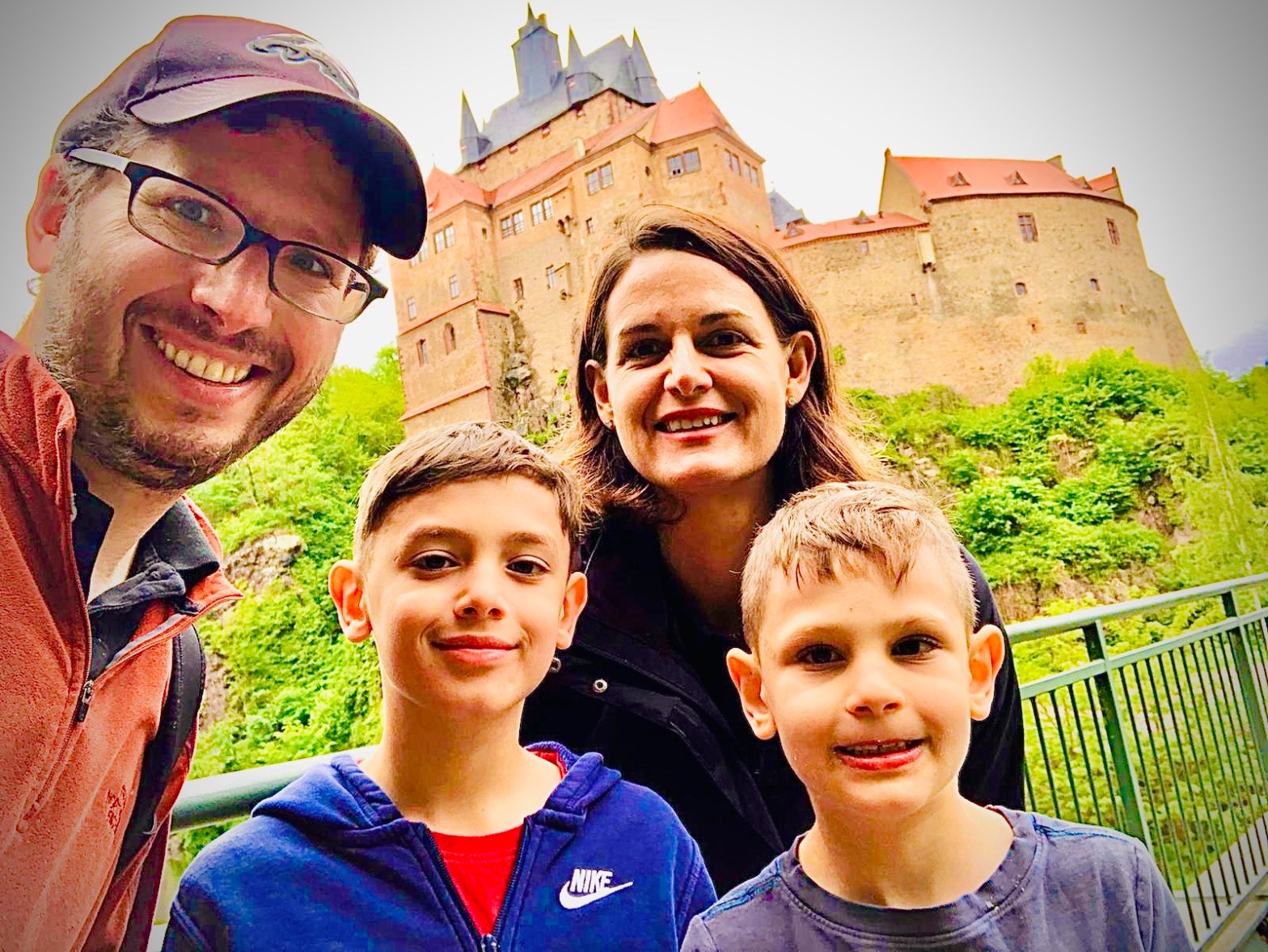
With Saxony opening up to visitors, we decided to escape the city and go on a four day road trip during the Ascension (Himmelfahrt in German – rhymes with fart) Weekend in April.
We first drove two hours to Leipzig for a quick stopover for lunch (which we packed as we weren’t sure what would be open – turns out not a lot besides McDonald’s).
Leipzig entered ‘recorded history’ in 1015 and is known as a major intellectual and cultural center in Germany. The University of Leipzig dates back to 1409 and the city holds a well-known Book Fair each spring, the second largest in the country.
Peaceful but massive demonstrations by citizens of Leipzig in late 1989 played a significant role in bringing an end to the communist regime of East Germany.
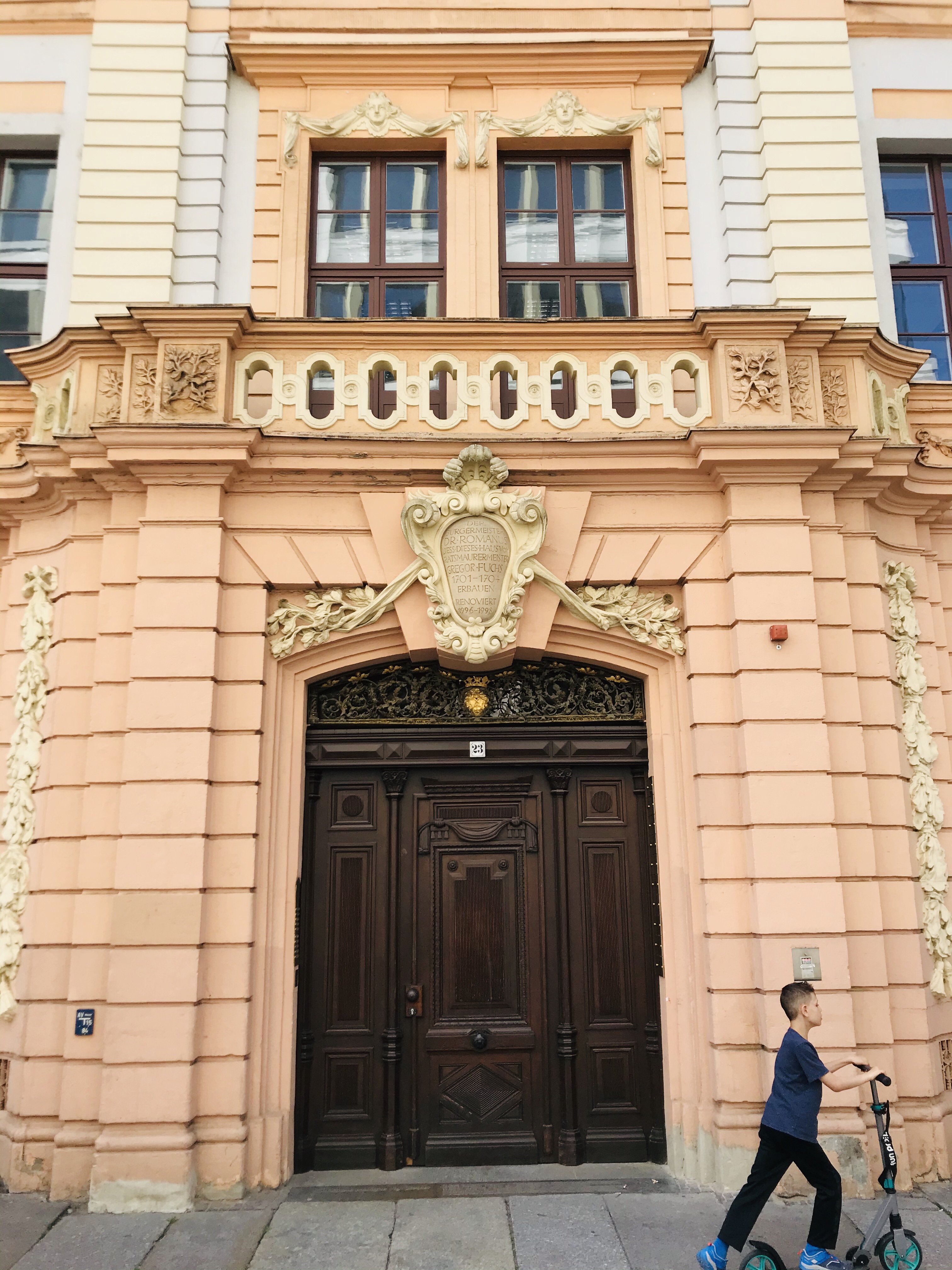
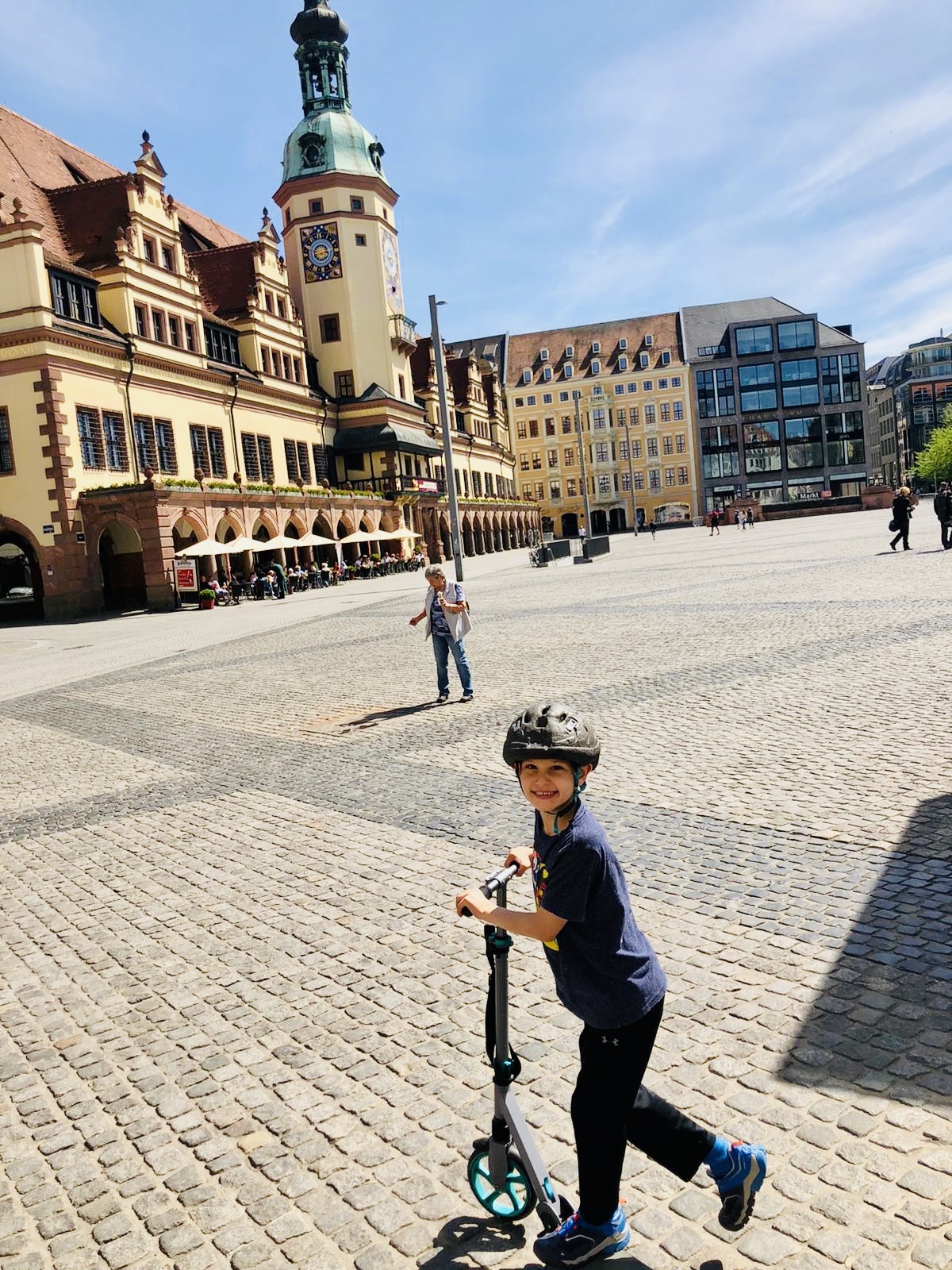
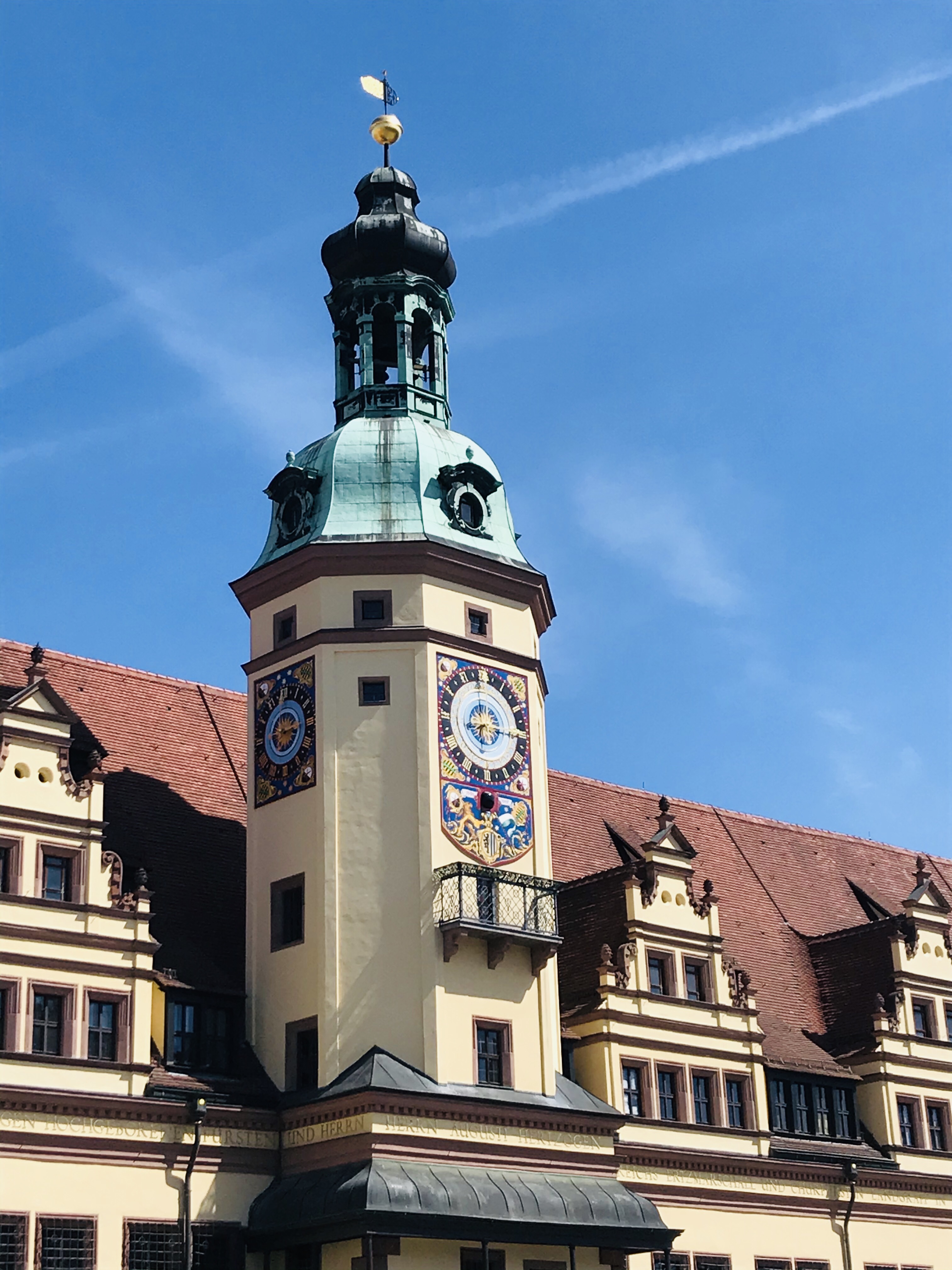
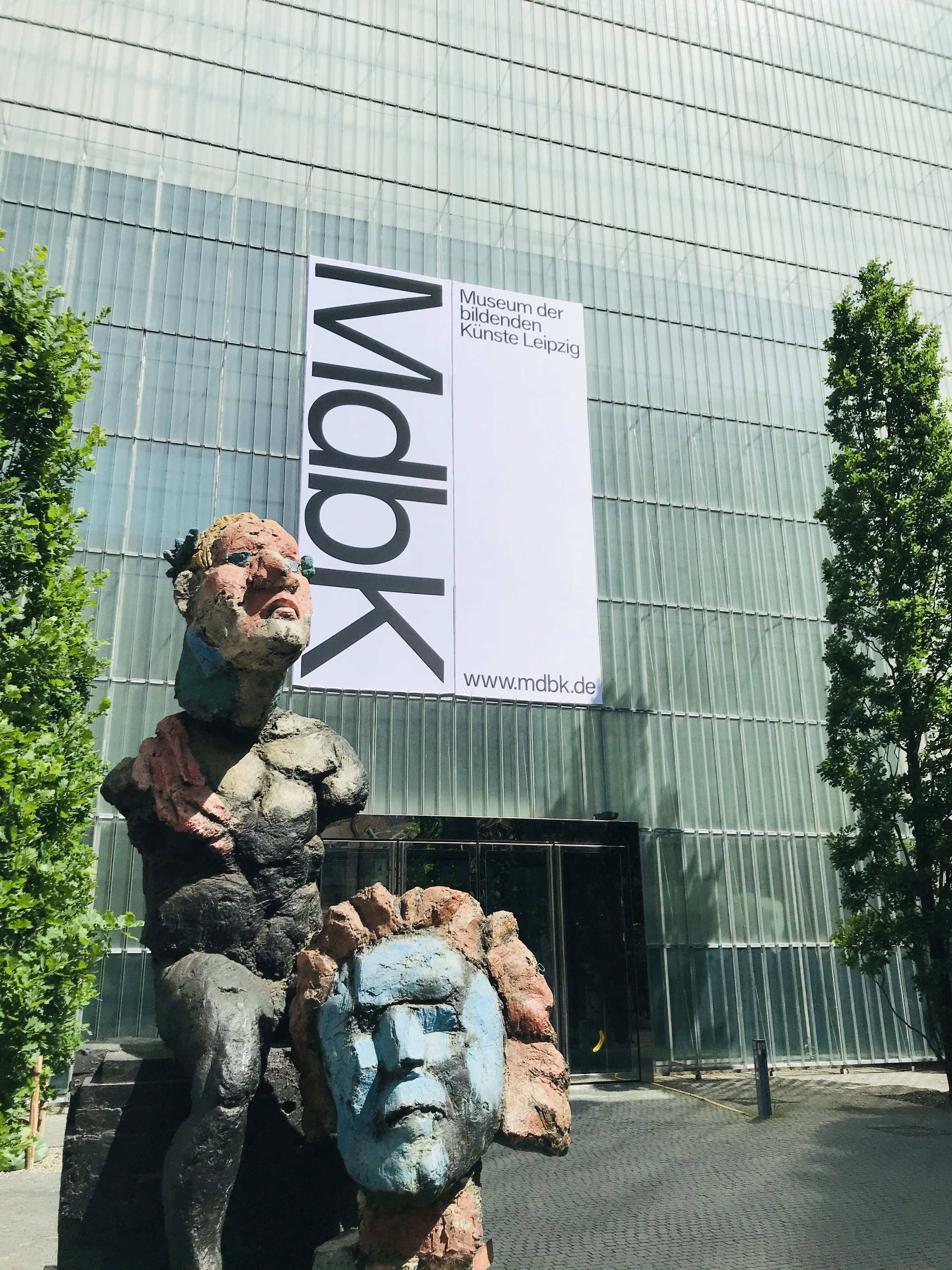
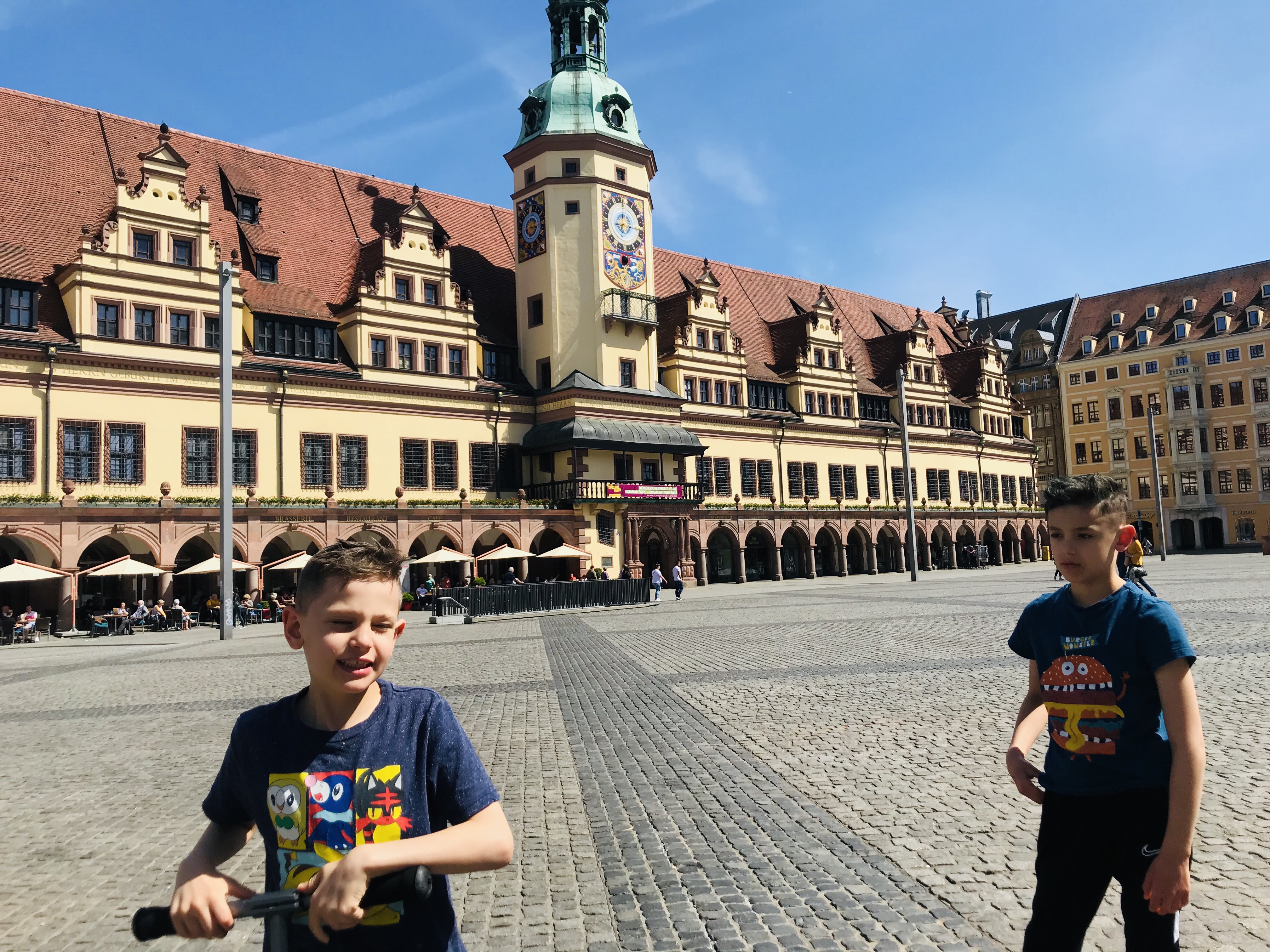
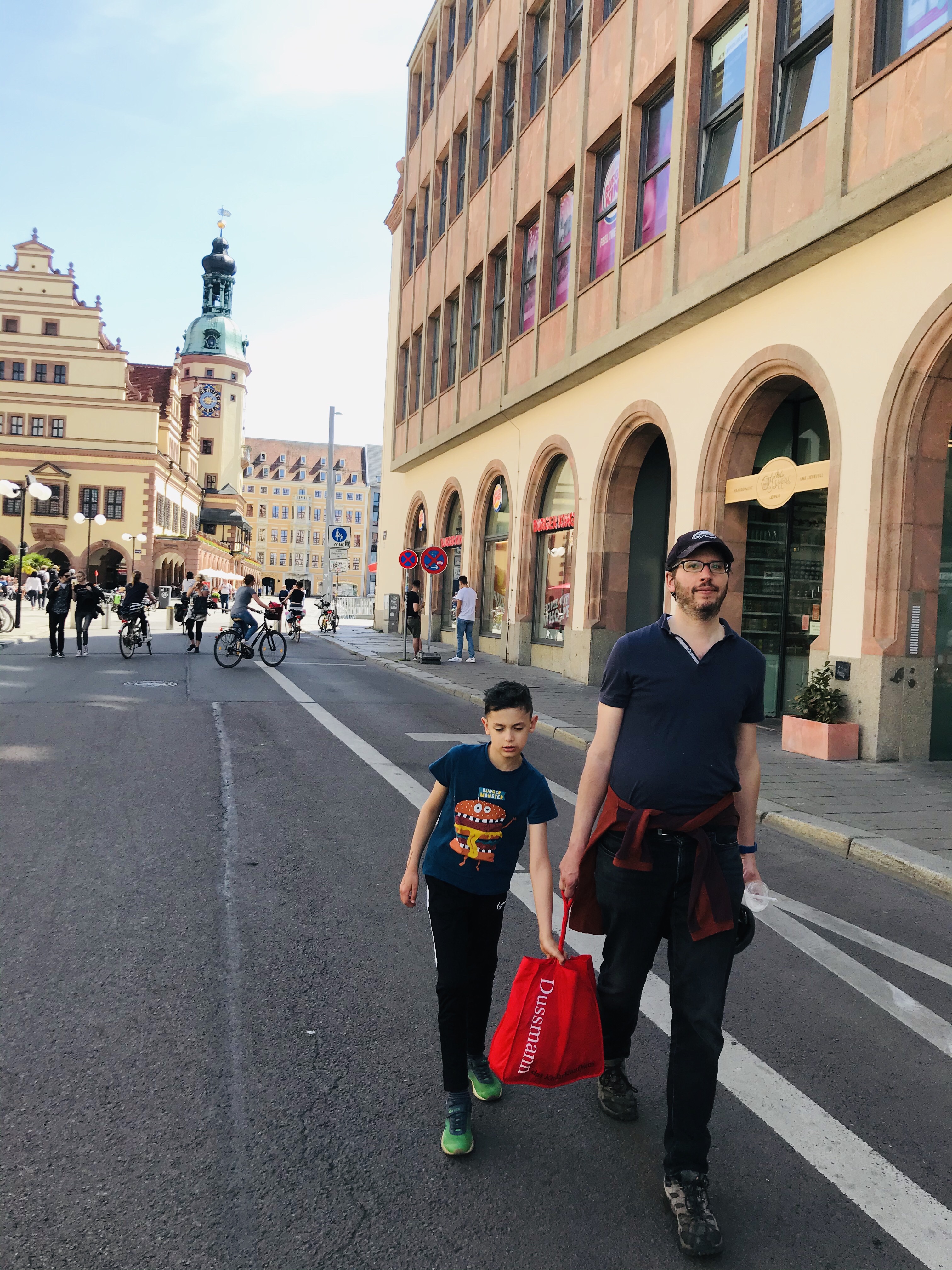
{Scenes from Leipzig}
Our next and final destination of the day was Collditz where we would spend the next three nights. Dave found a small cottage online which reminded me of the Gartenhäuser (garden houses) I had seen in the Kleiner Garten (community gardens) around Berlin. Americans might refer to it as a larger “tiny house”. Though it was rustic, its big advantages were the location, perfect for exploring the region, and its small garden which included a swimming pool.
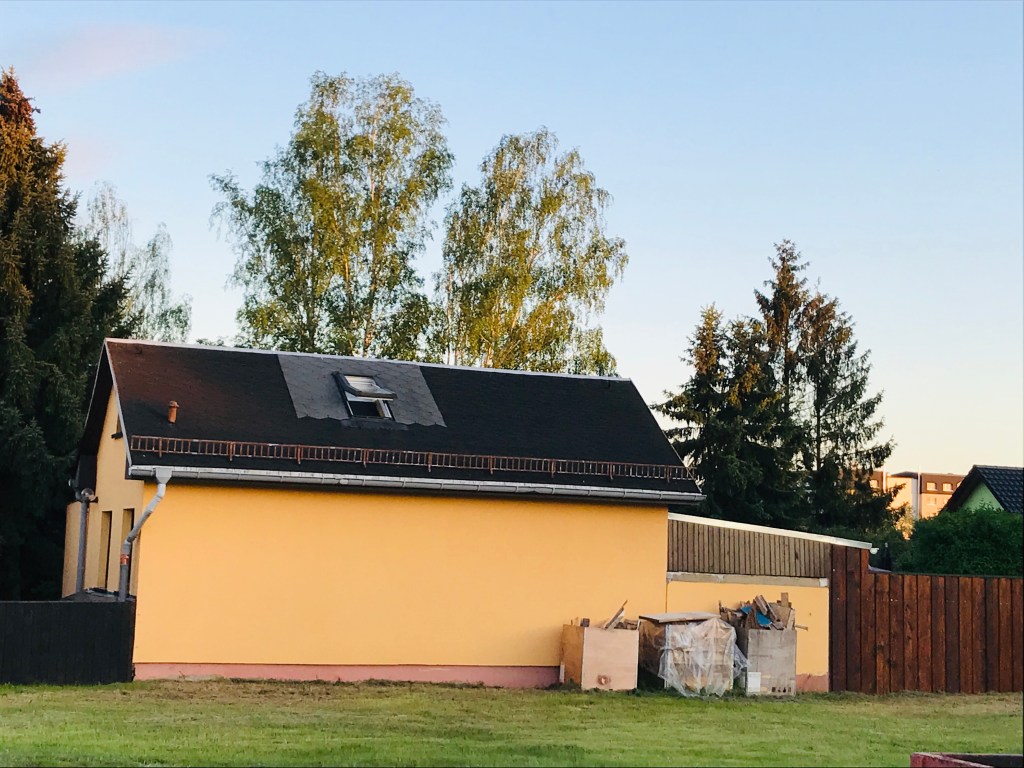
{Back view of our rented cottage}
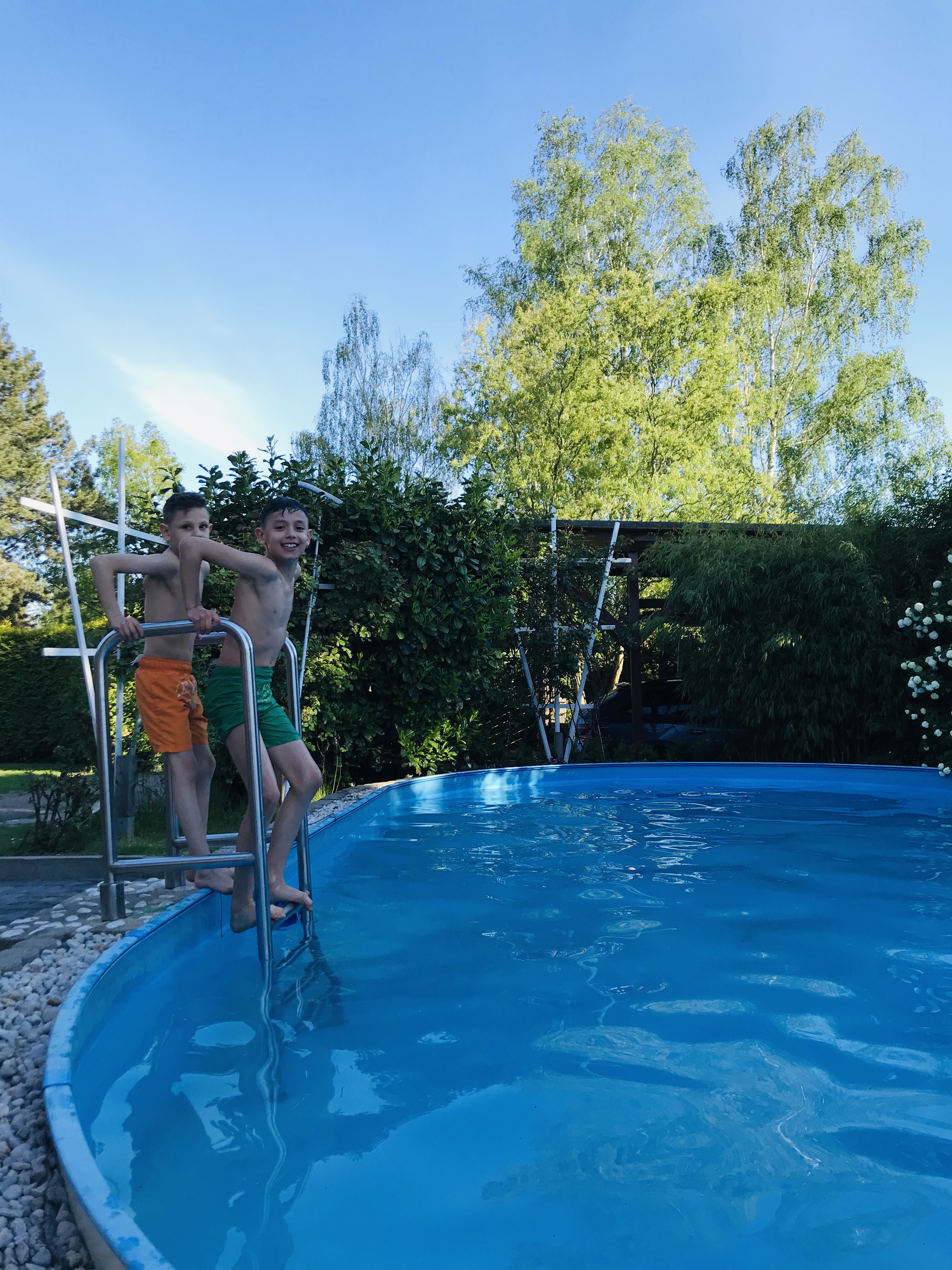
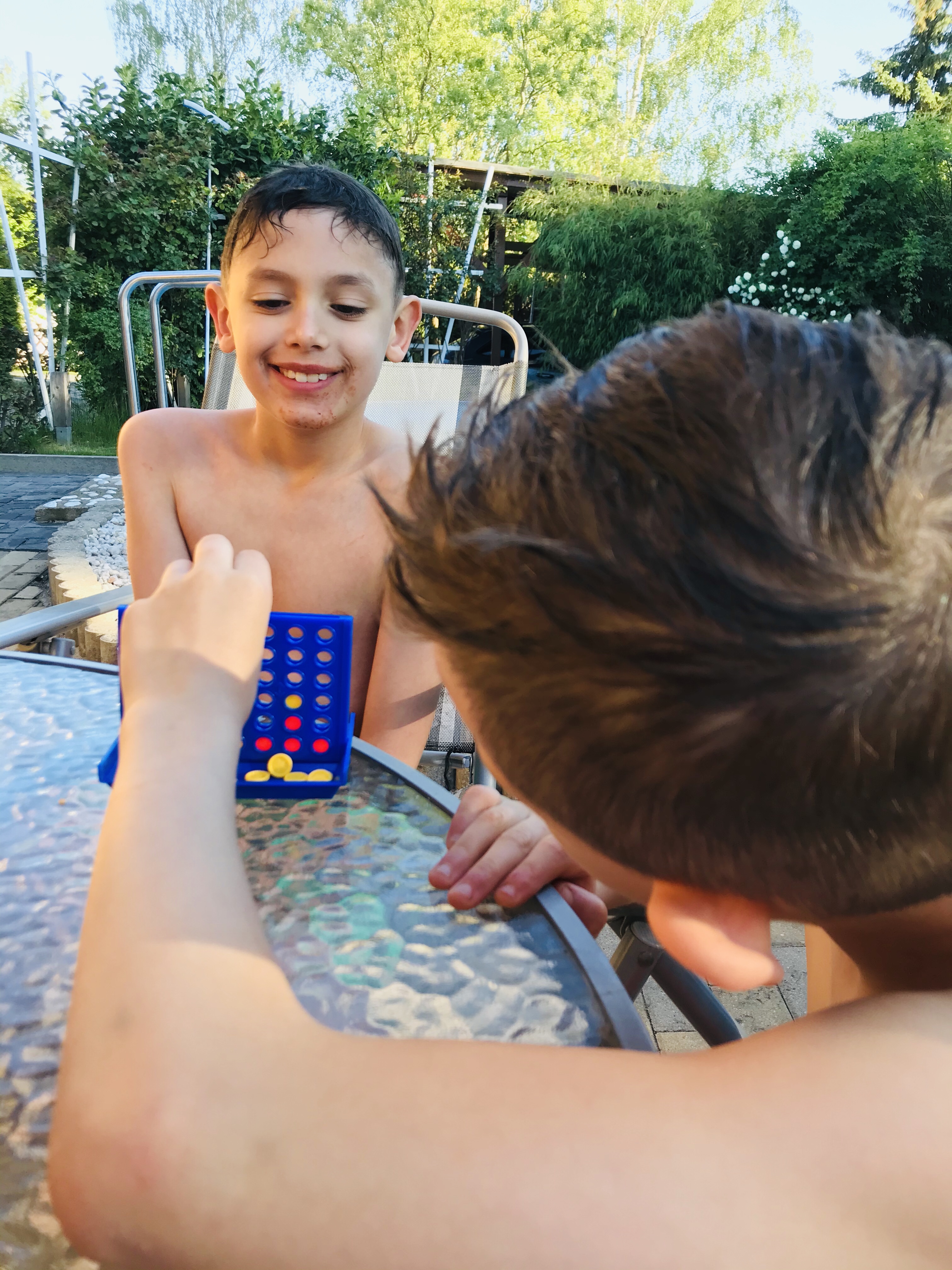
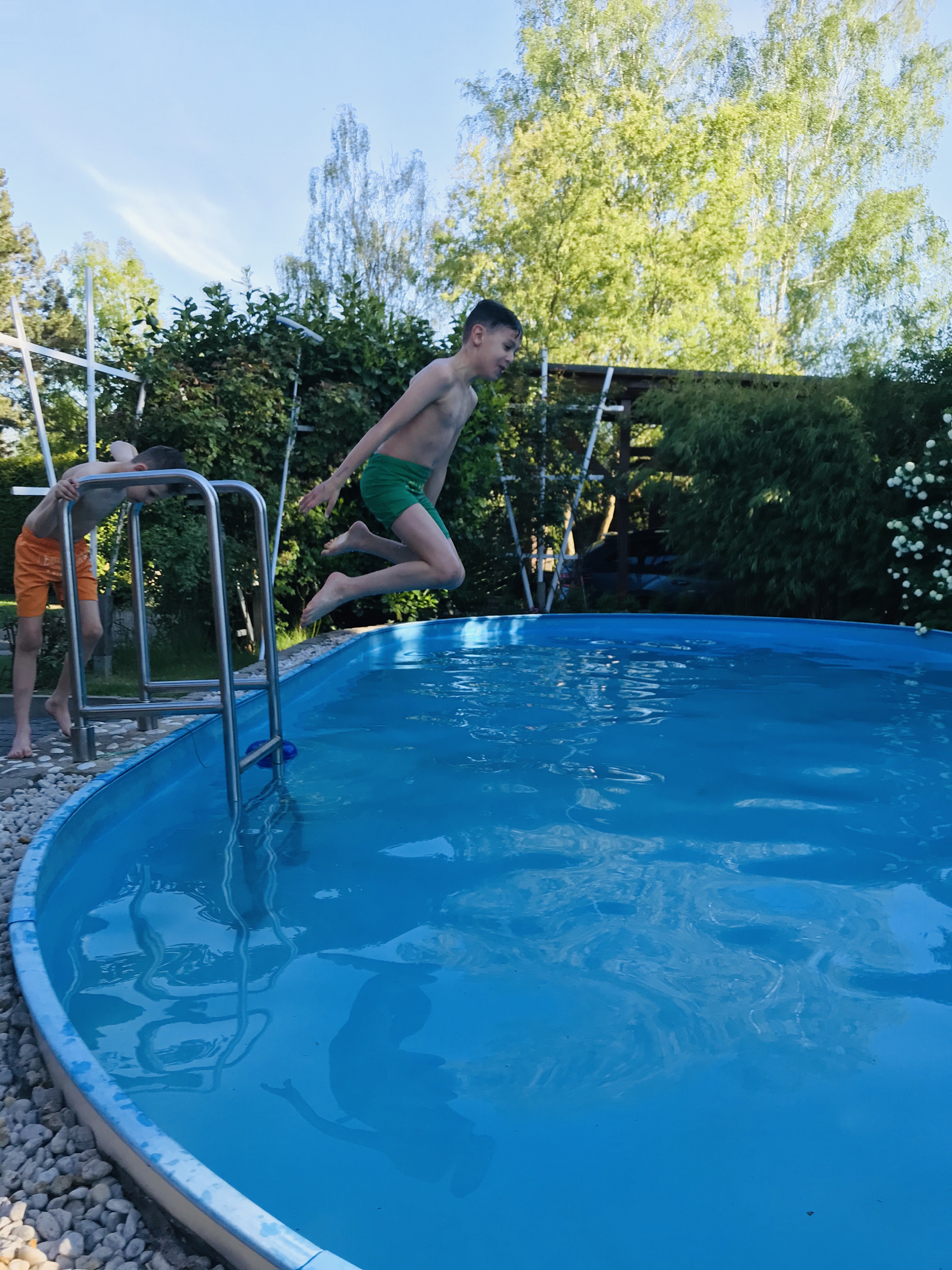
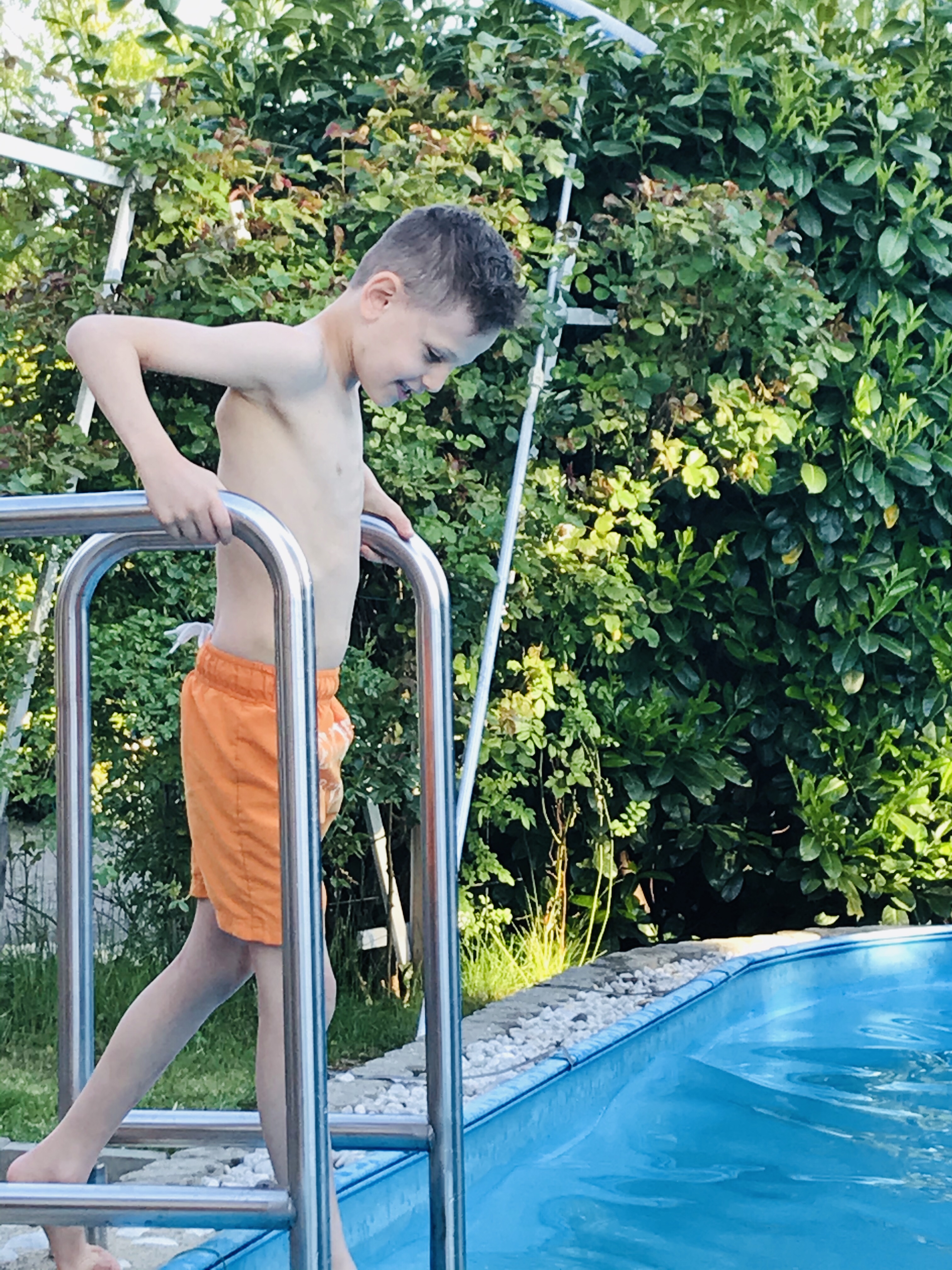
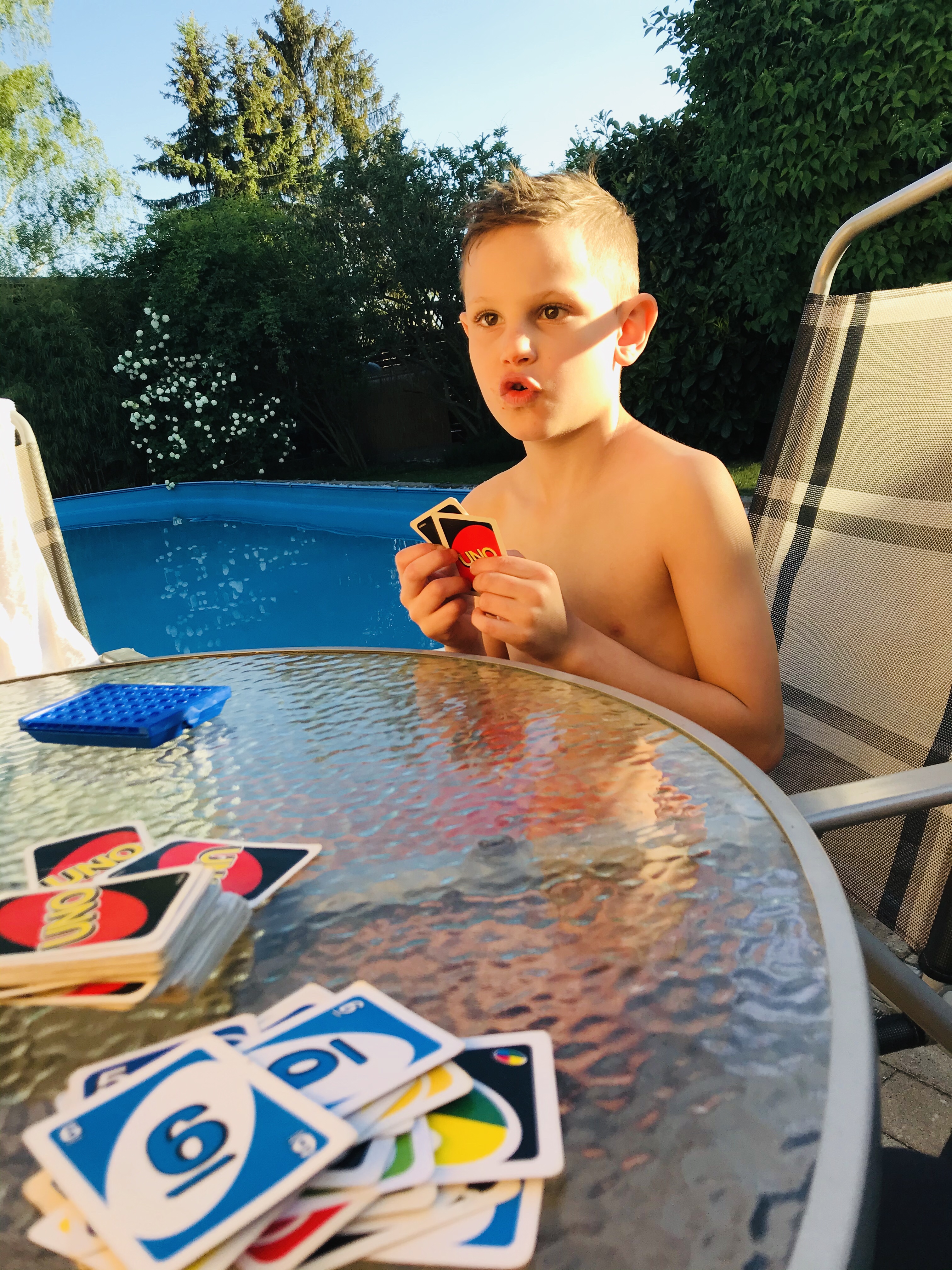
{Fun times at the cottage in Colditz}
We arrived in beautiful Colditz and met the owners in the old town so we could follow them to the cottage. After a quick tour, they handed over the keys and the place was ours. We quickly settled into a dinner on the front porch using the groceries we had brought with us, followed by the boys swimming and the entire family playing games poolside.
Colditz did not suffer any damage during World War II, which mad it an ideal destination for touring. It did, however, play an interesting role during the War.
Colditz Castle was temporarily used as a concentration camp by the SA and as a Reichsarbeitsdienst (Reich Labor Service, or RAD) camp. RAD was a major organisation established in Nazi Germany as an agency to help mitigate the effects of unemployment on the German economy, militarize the workforce and indoctrinate it with Nazi ideology. It was the official state labor service, divided into separate sections for men and women.
In 1940, the town became the military district IV headquarters for personnel guarding an Oflag (prison war camp for officers), when Oflag IV-C was established in the castle.
On April 14, 1945, the U.S. Army entered the town and freed the prisoners. However, under agreements signed at the Yalta Conference, the Americans withdrew and were replaced by Soviet occupation forces late in June 1945. As a result, Colditz and the entire state of Saxony became part of East Germany.
Thanks to my friend Jeff Keeton, I learned about the story of the Colditz Cock, which was a glider built by British prisoners of war for an escape attempt from Oflag IV-C.
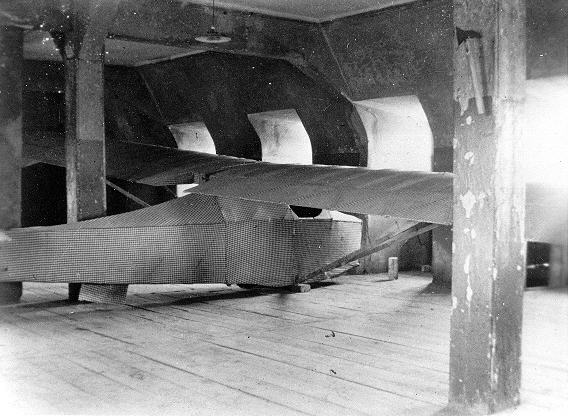
{Colditz Cock}
During of first evening in Colditz, while the boys stayed in the cottage watching a movie on the iPad, Dave and I went for a walk in the village.
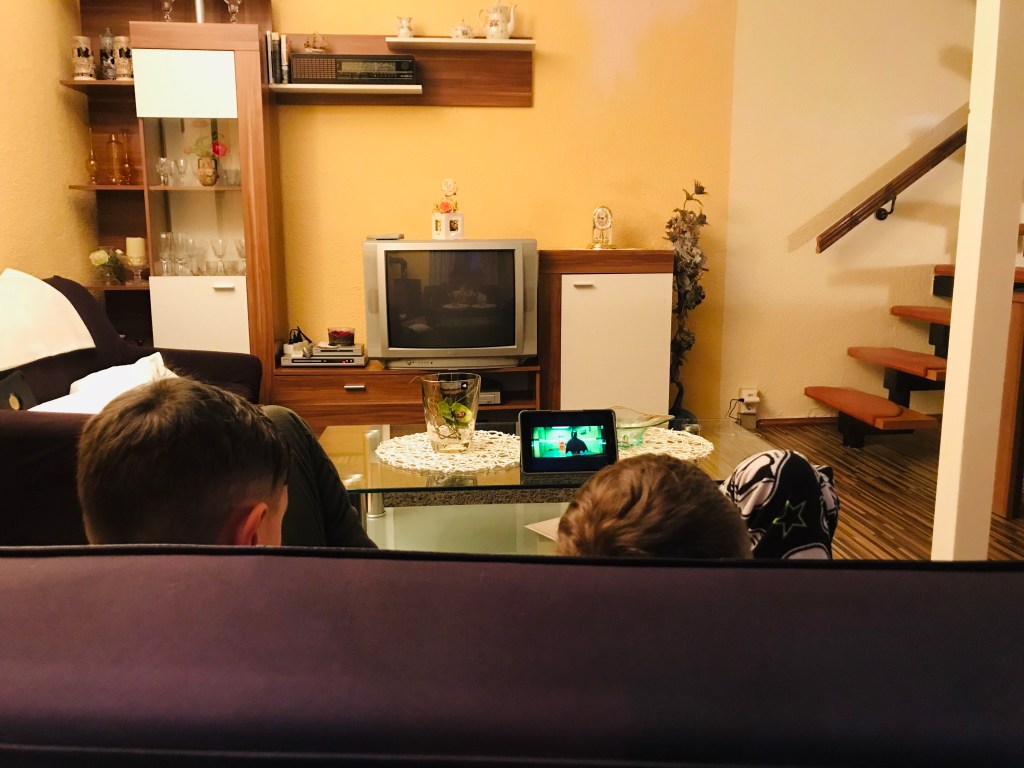
{The boys watched a movie in our cottage while Dave and I went for a walk}
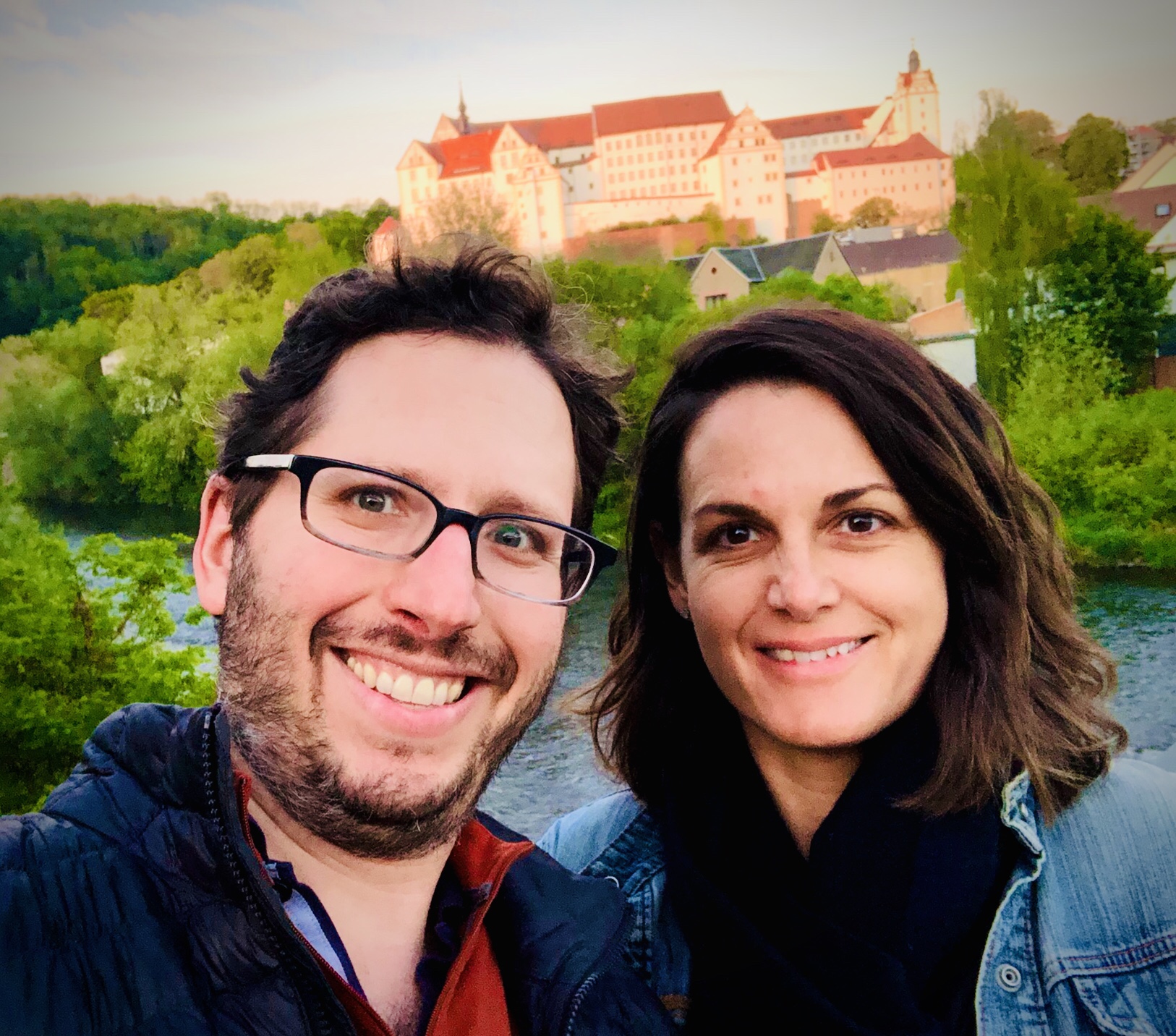
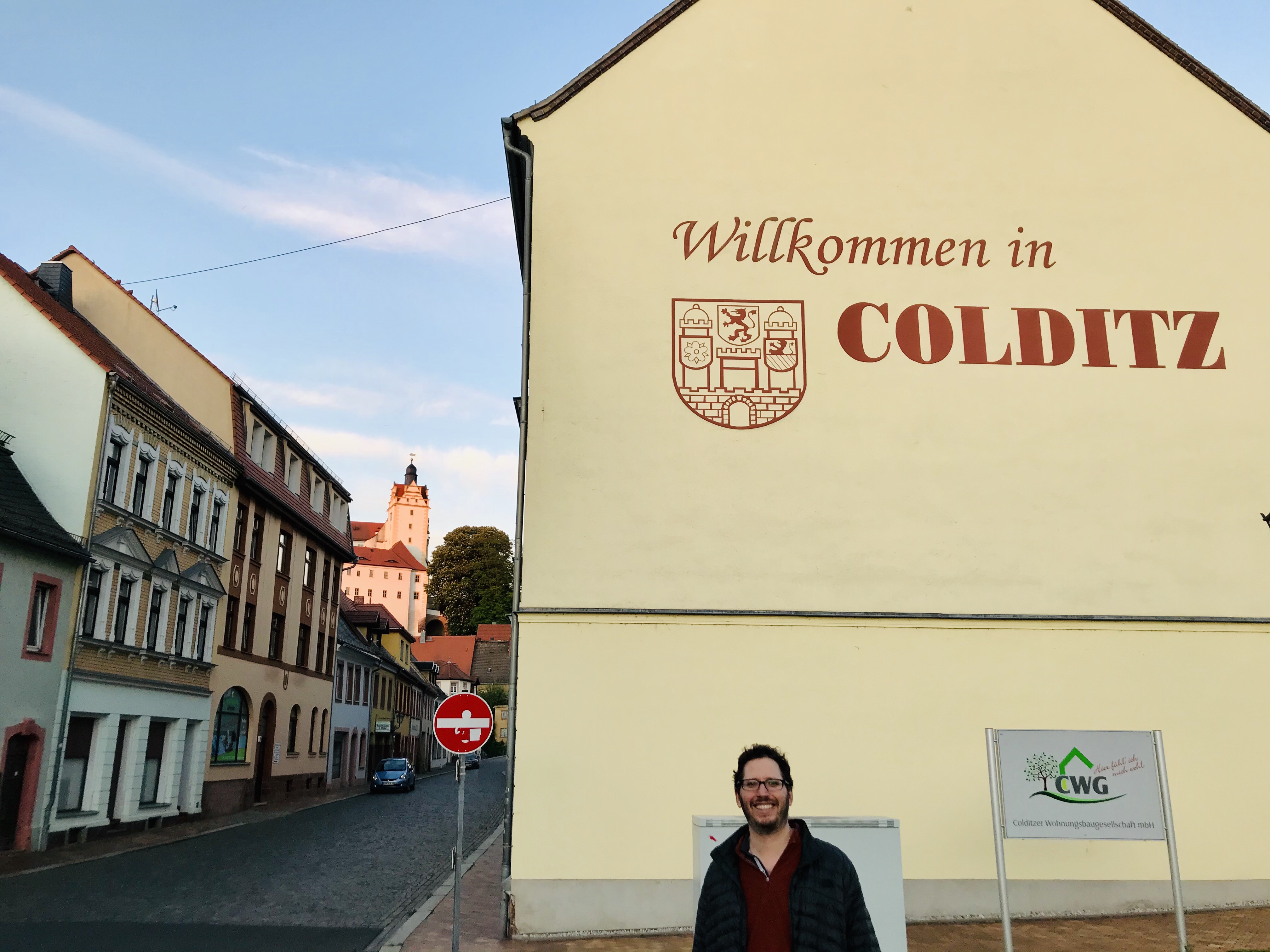
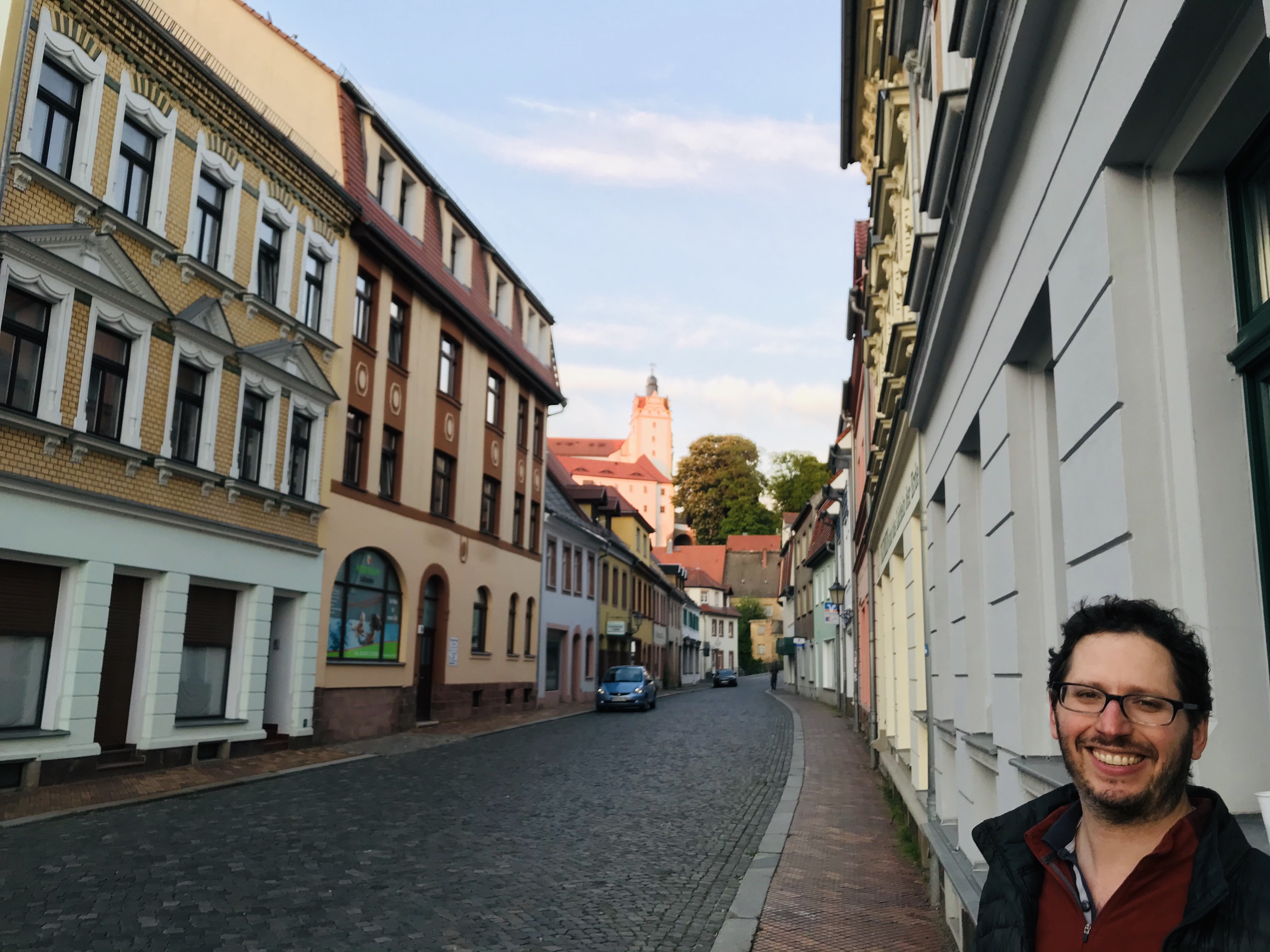
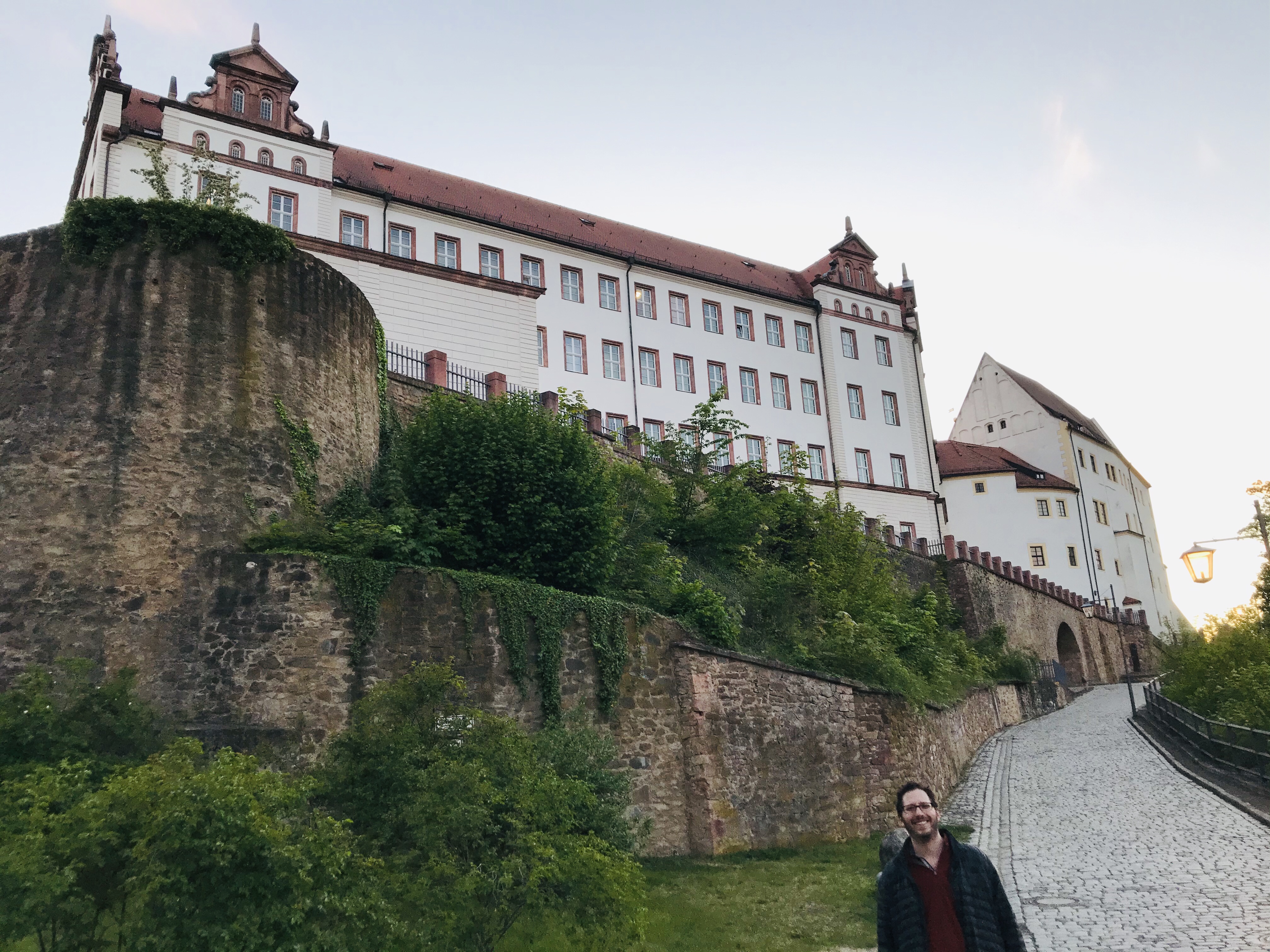
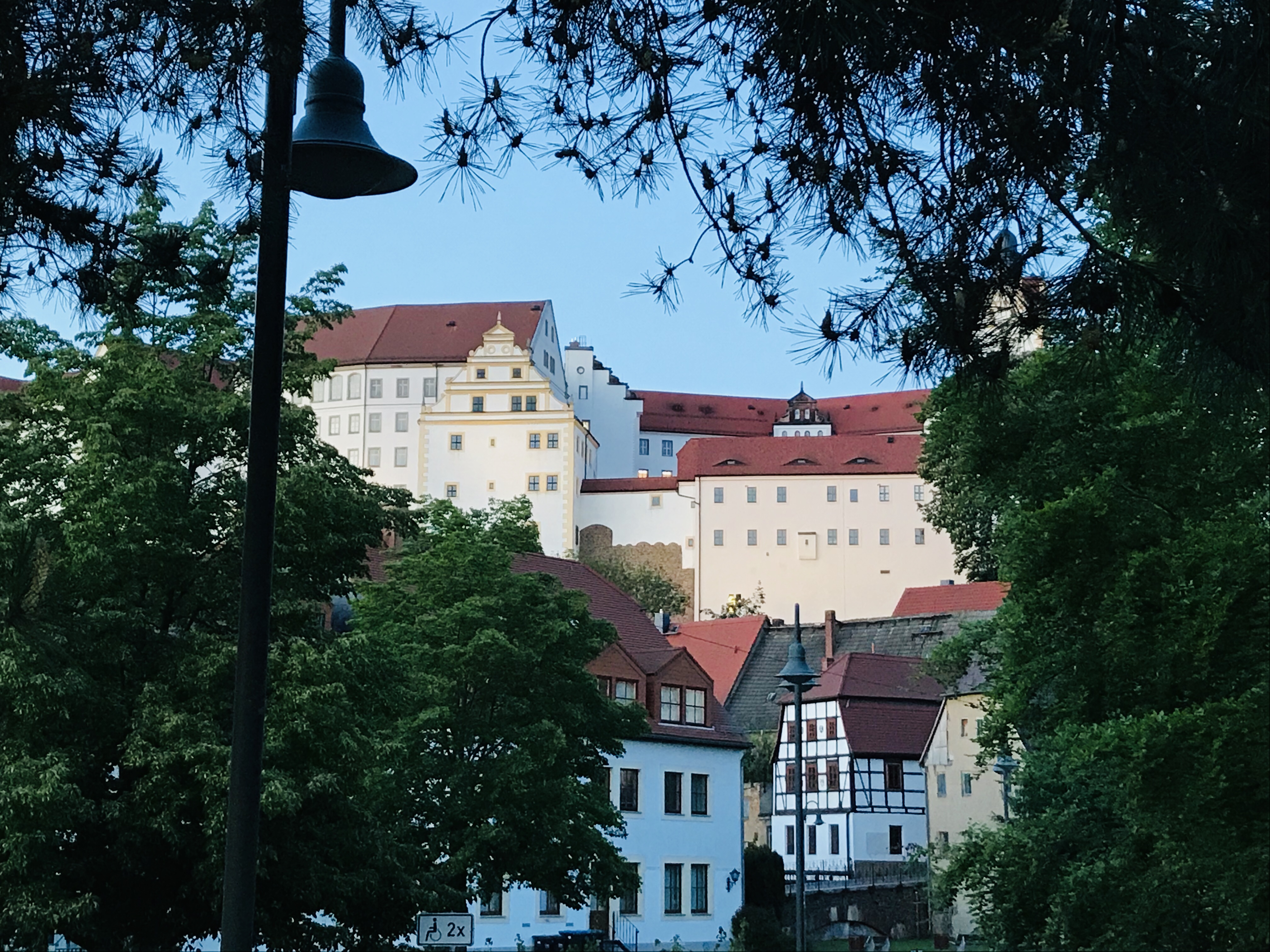
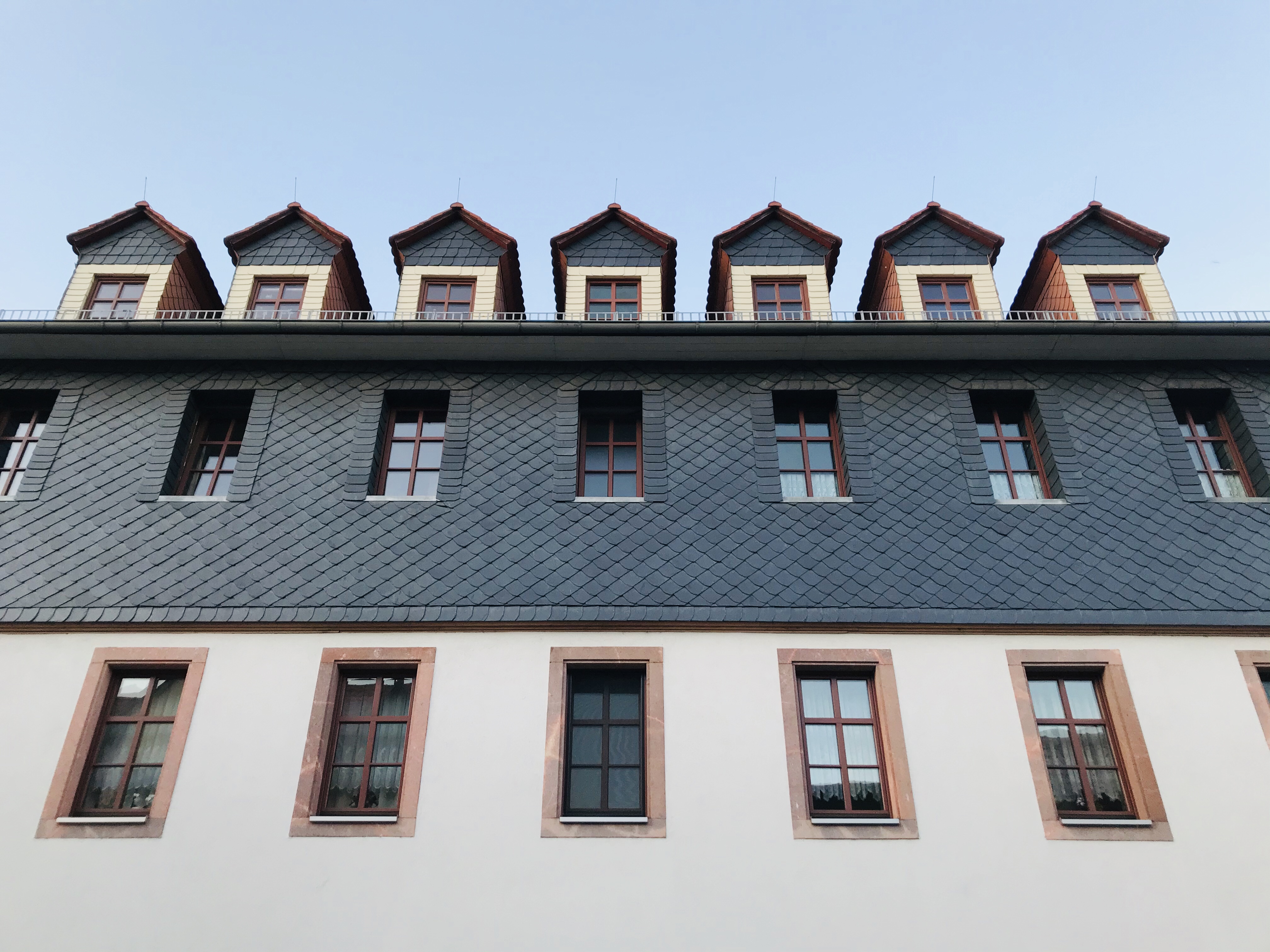
{Our evening walk through Colditz, including a stop at the castle}
The next day, we headed to the little town of Rochlitz with a picnic lunch in order to visit the almost cathedral-like Schloss Rochlitz.
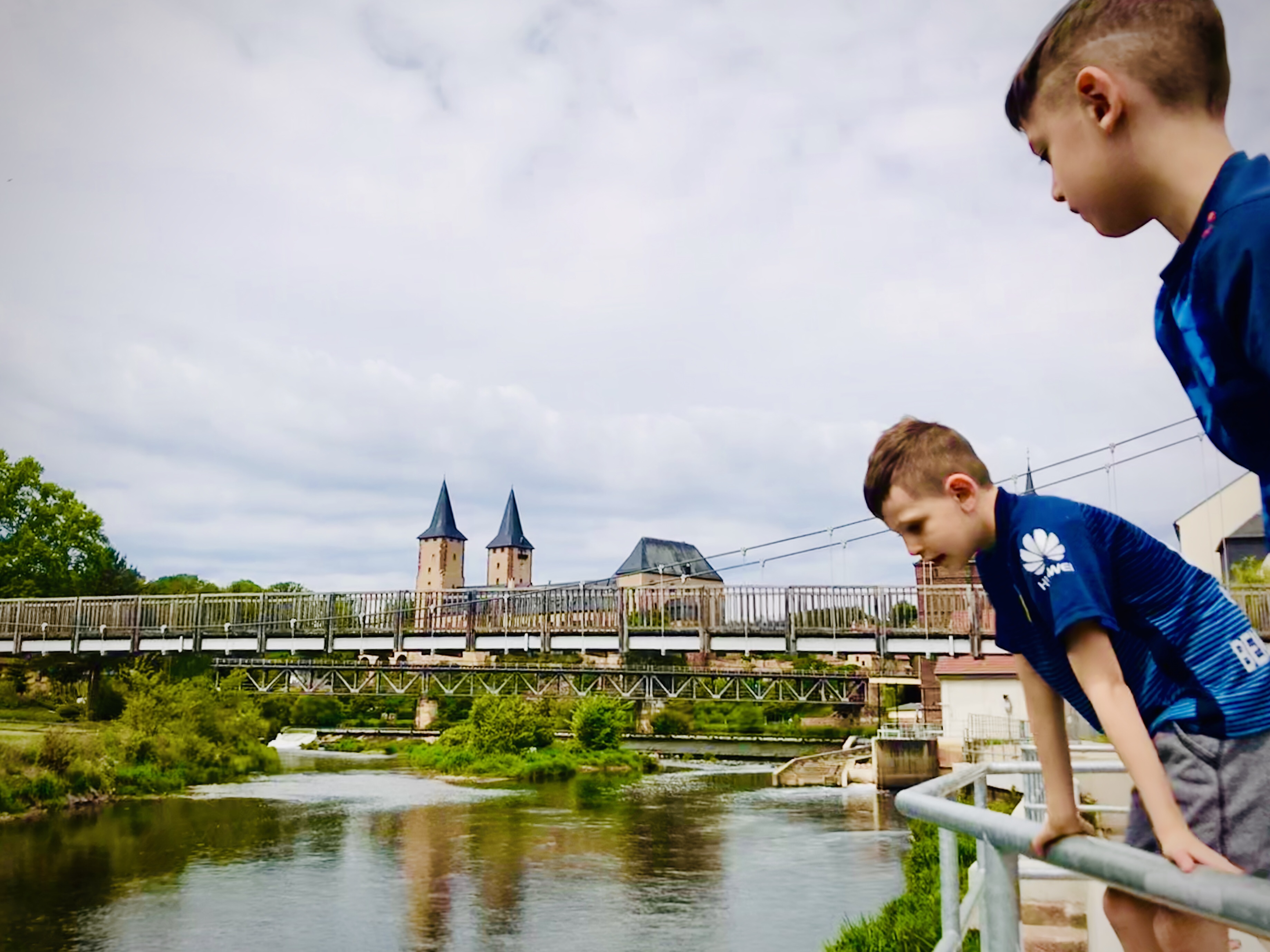
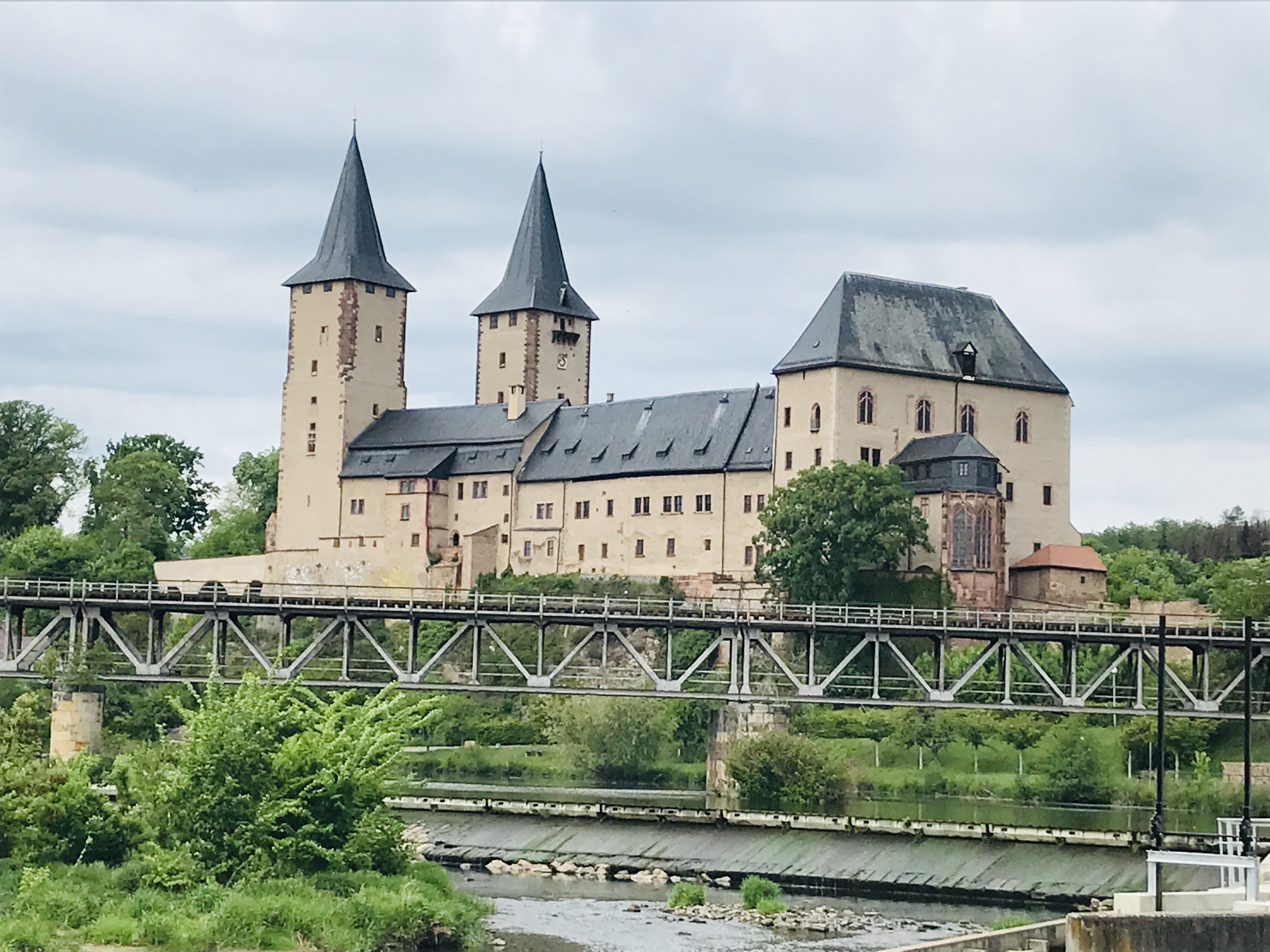
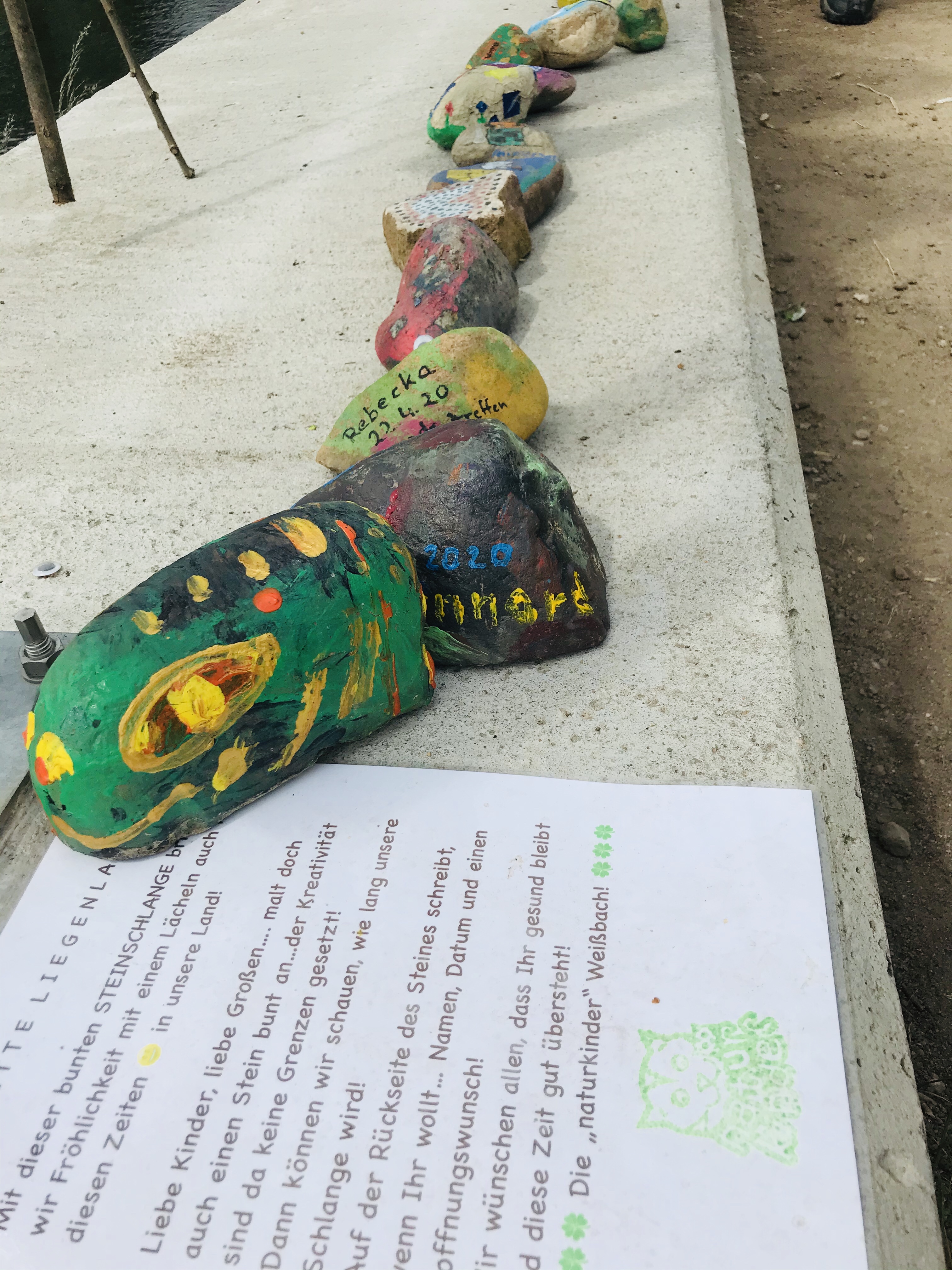
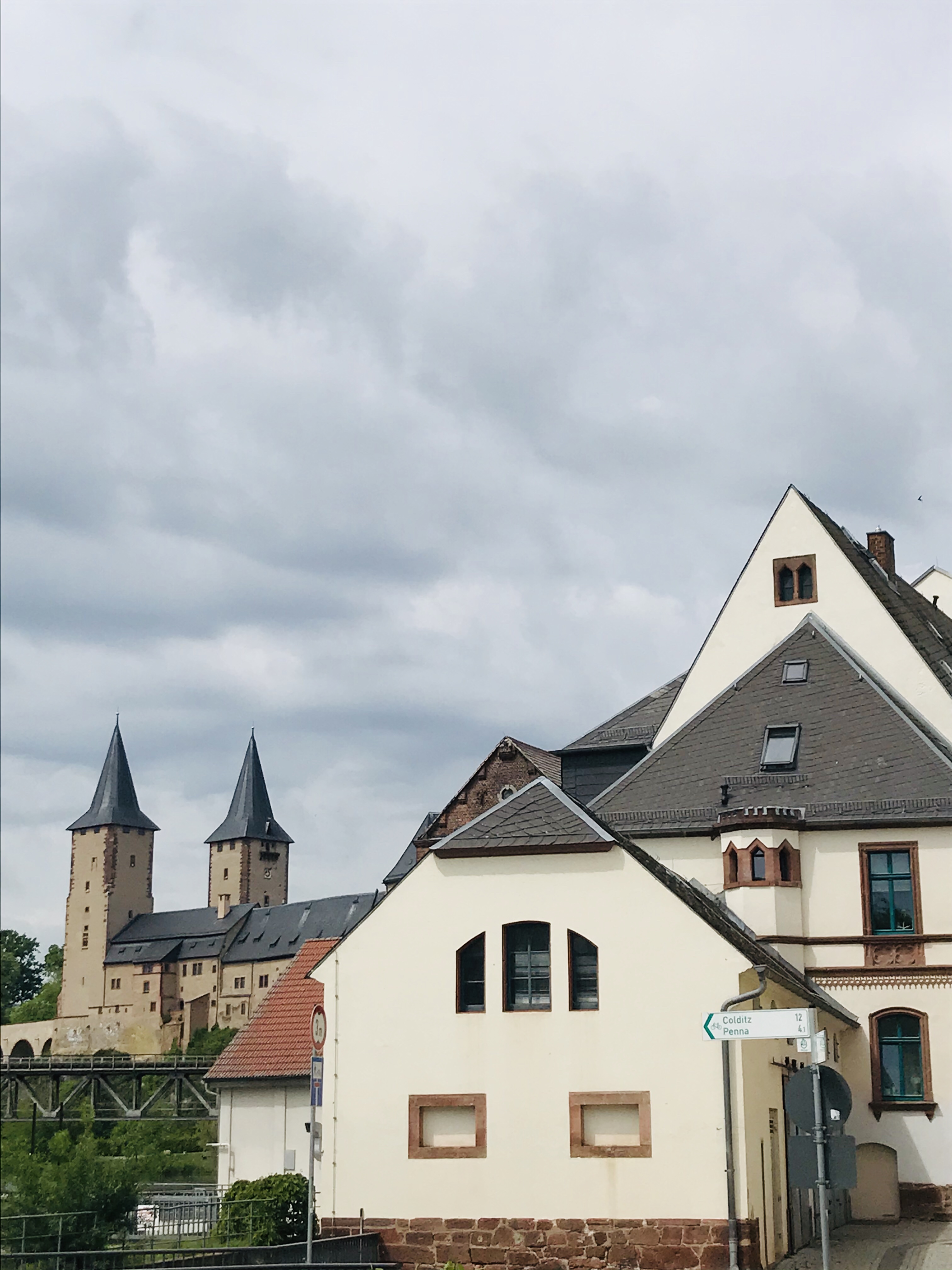
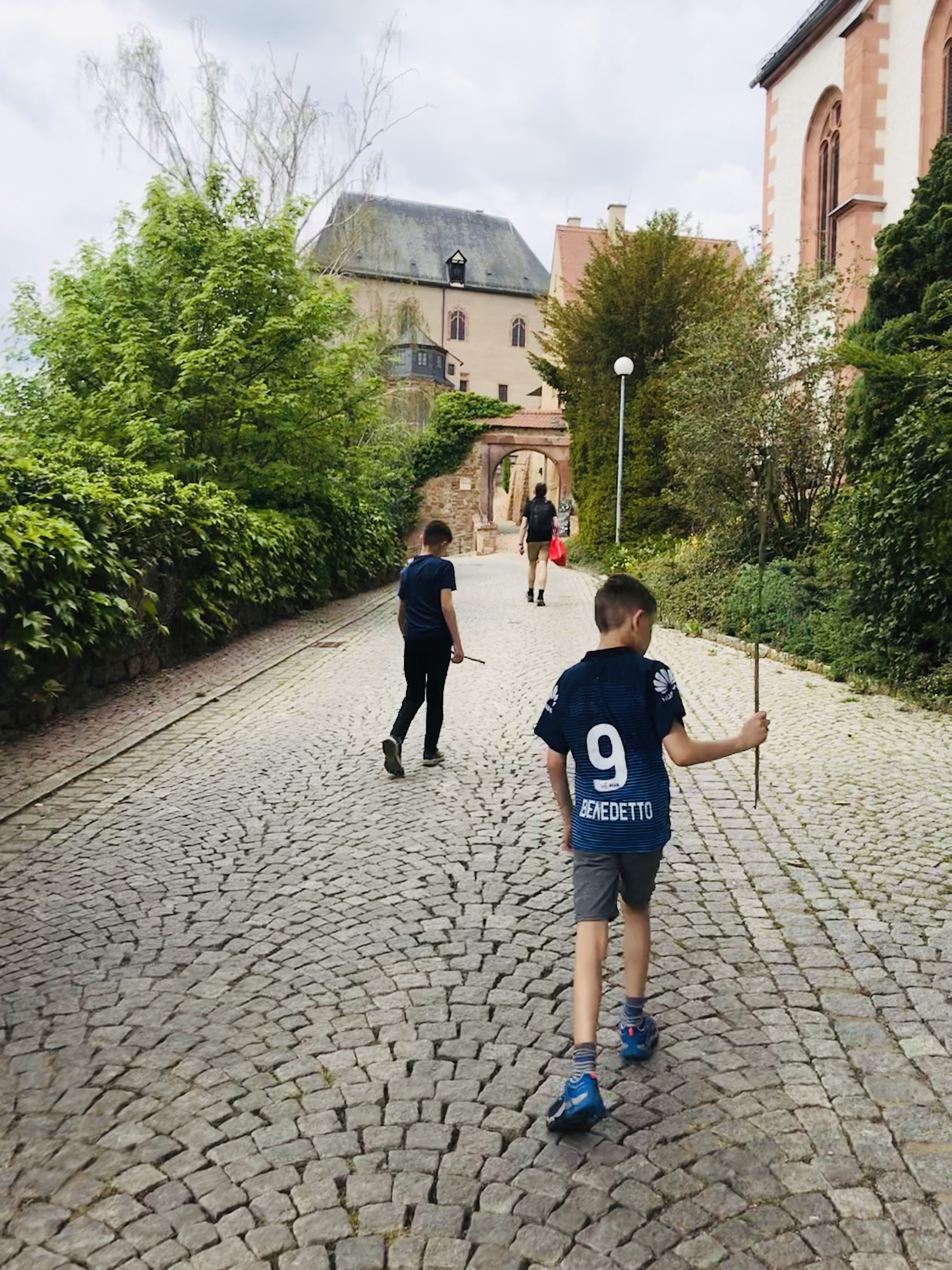
{Village of Rochlitz}
The location of Slavic villages in the 9th Century, Rochlitz did not suffer damage during World War II. Therefore, despite some fires in past centuries, the historical structure of the town, many sacred buildings from the late Middle Ages, and residential buildings from the Renaissance era have been conserved. The historical configuration of the town, consisting of a market square with surrounding buildings, but without a network of streets, is rare for Saxony.
After parking the car, we worked our way up an inclined and twisting path to the castle. After entering the courtyard, we noticed the castle ticket office was open, thus allowing us to tour the interior after our picnic lunch.
The boys finished their lunch quickly and to keep them busy while Dave and I ate at a slower pace, we gave them “missions” that required them to find distinct architectural details of the castle. For example, how many crooked windows could they count? How many steps were there up to the doorway half way up the western facing tower? That kept them busy for only so long. They soon asked to leave.
We actually had to fight the boys to go inside the castle and even told Ben he could wait outside while we toured. He finally relented and joined us after about ten minutes.
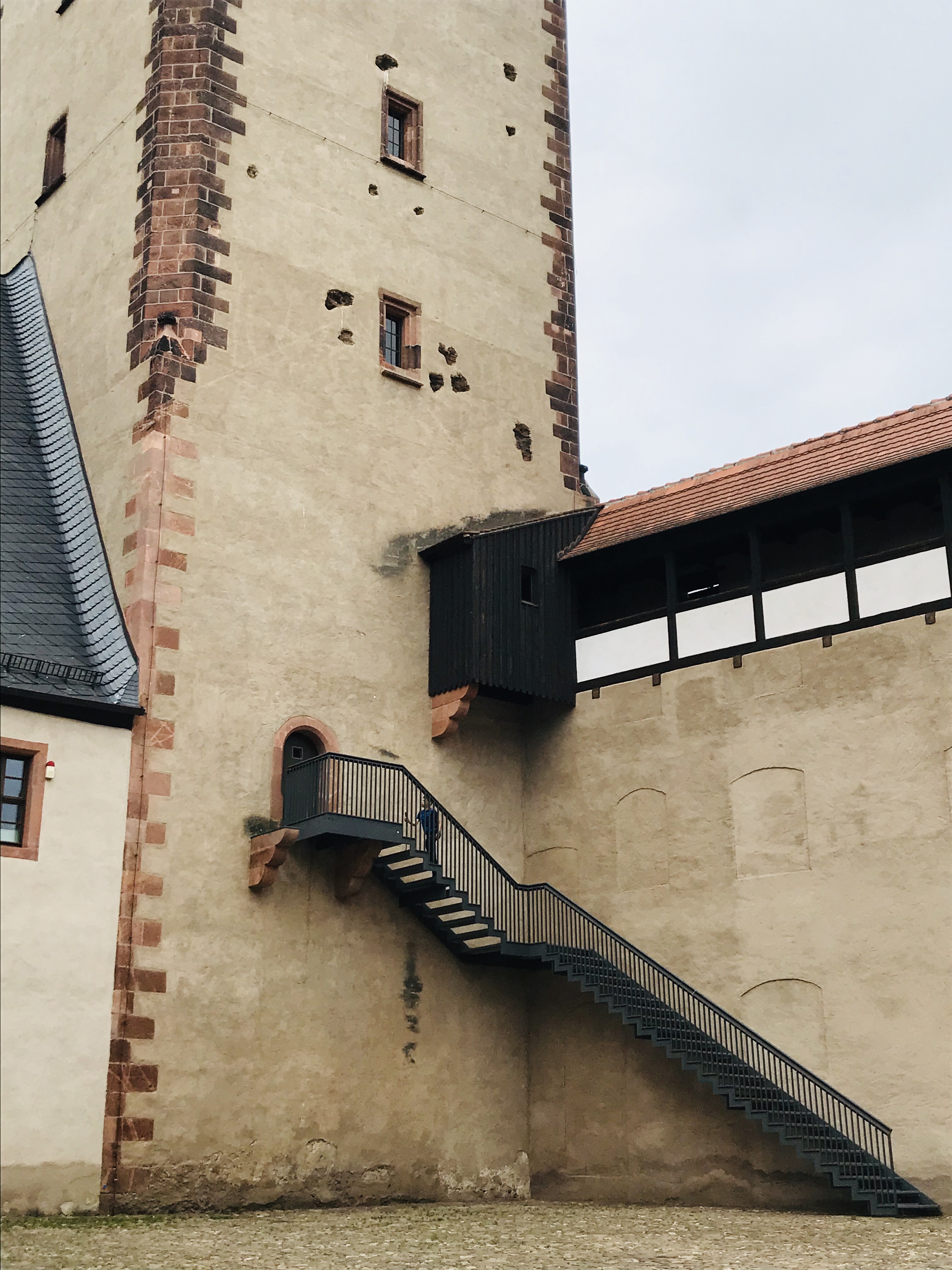
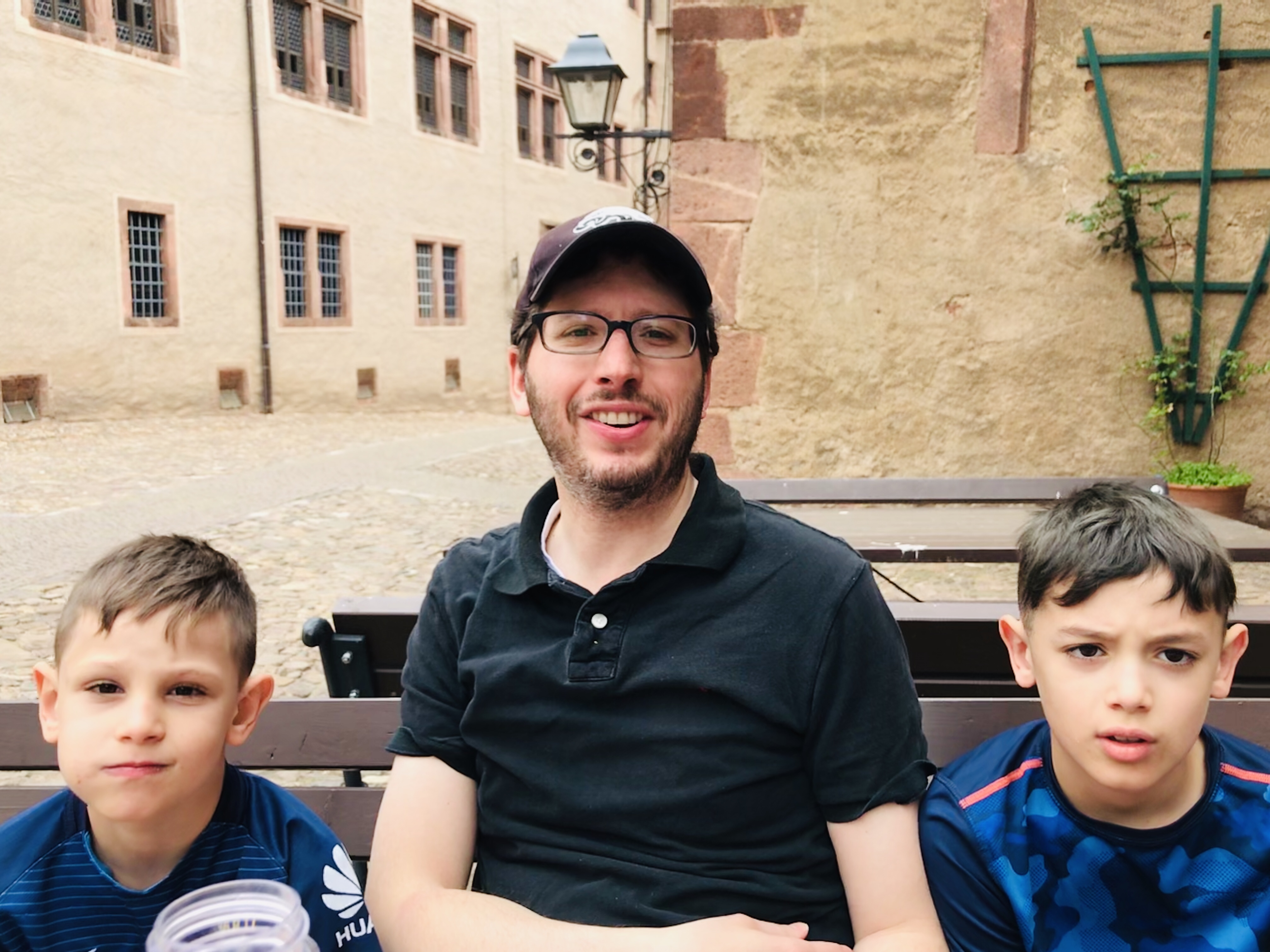
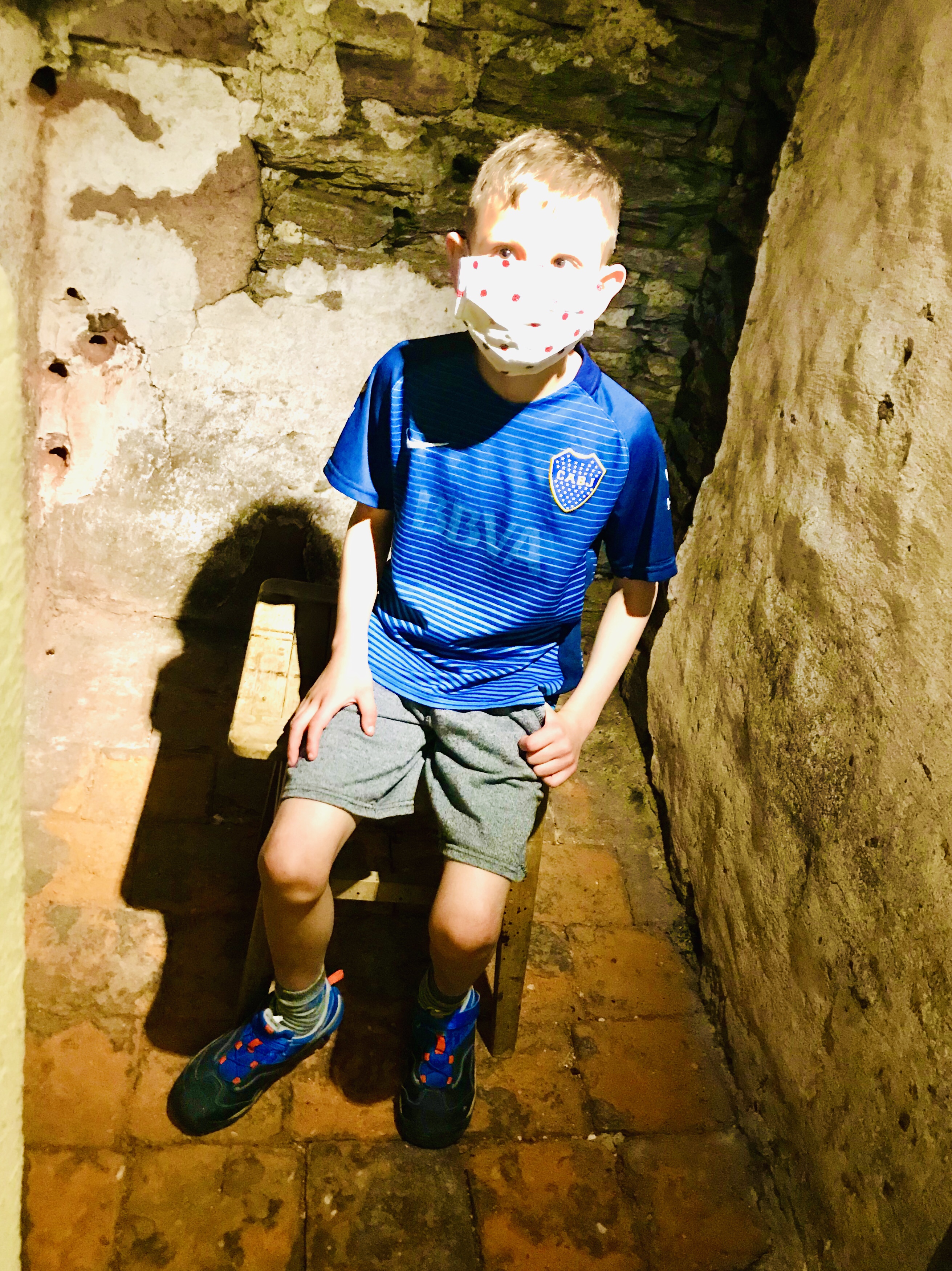
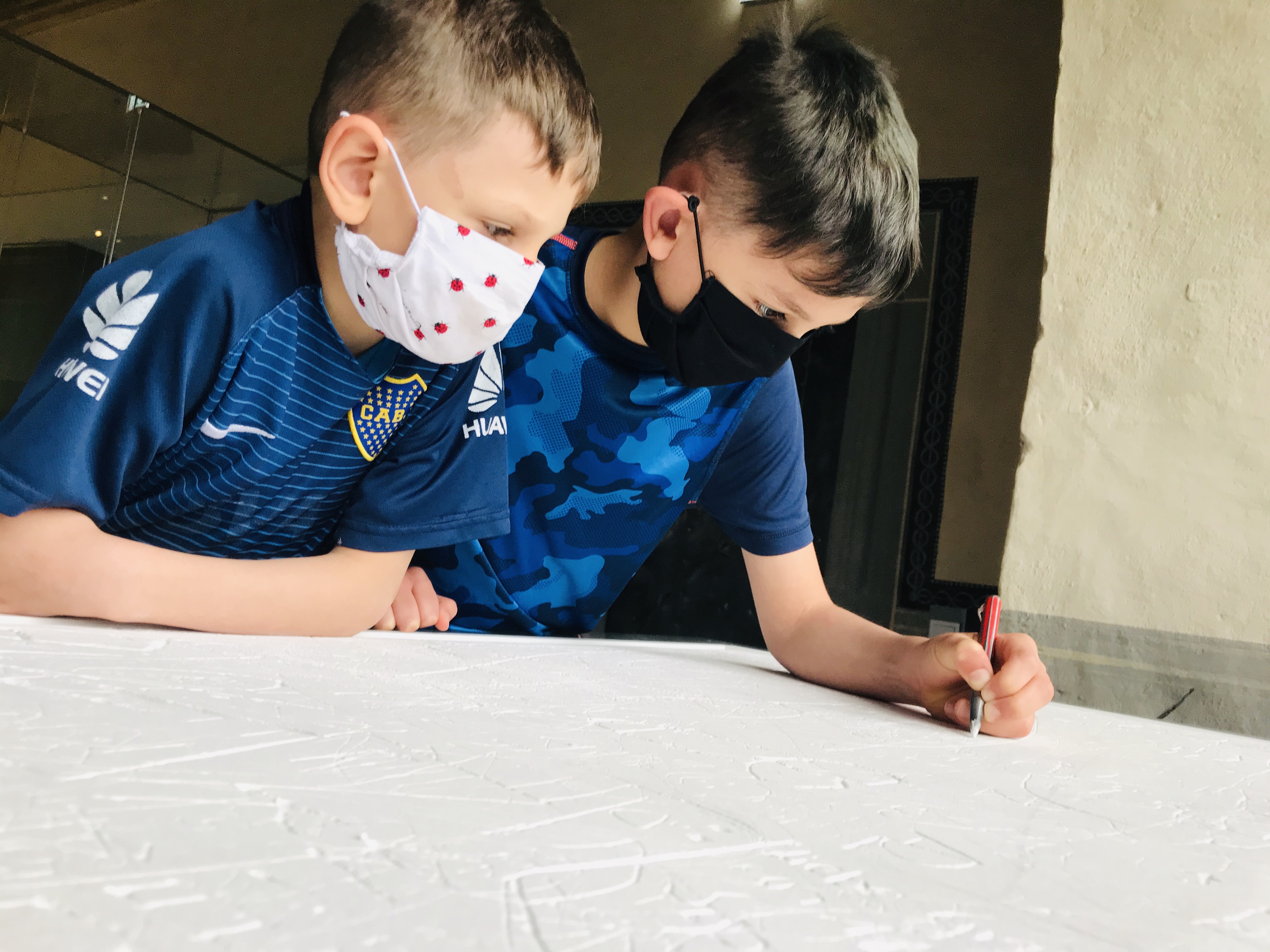
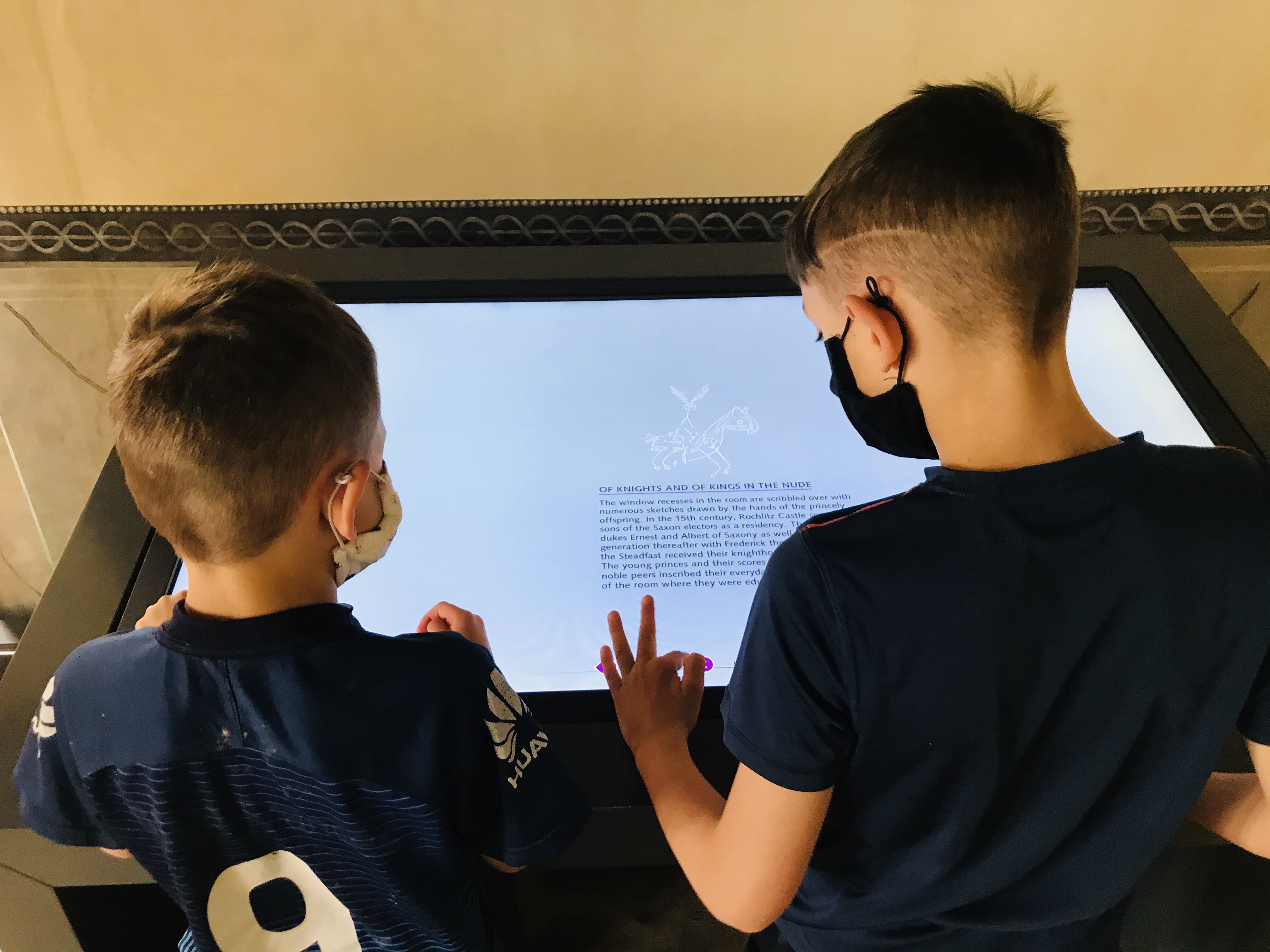
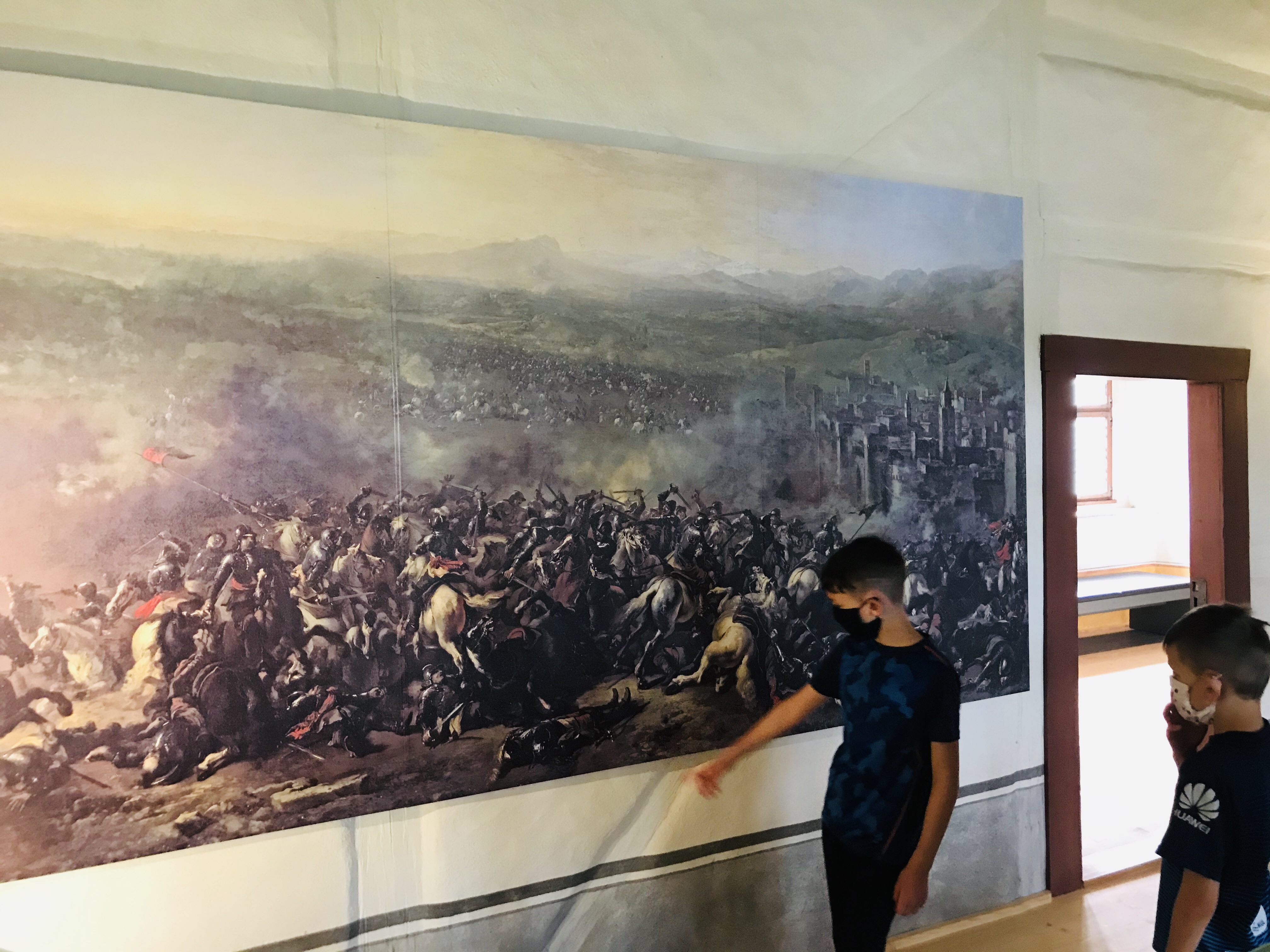
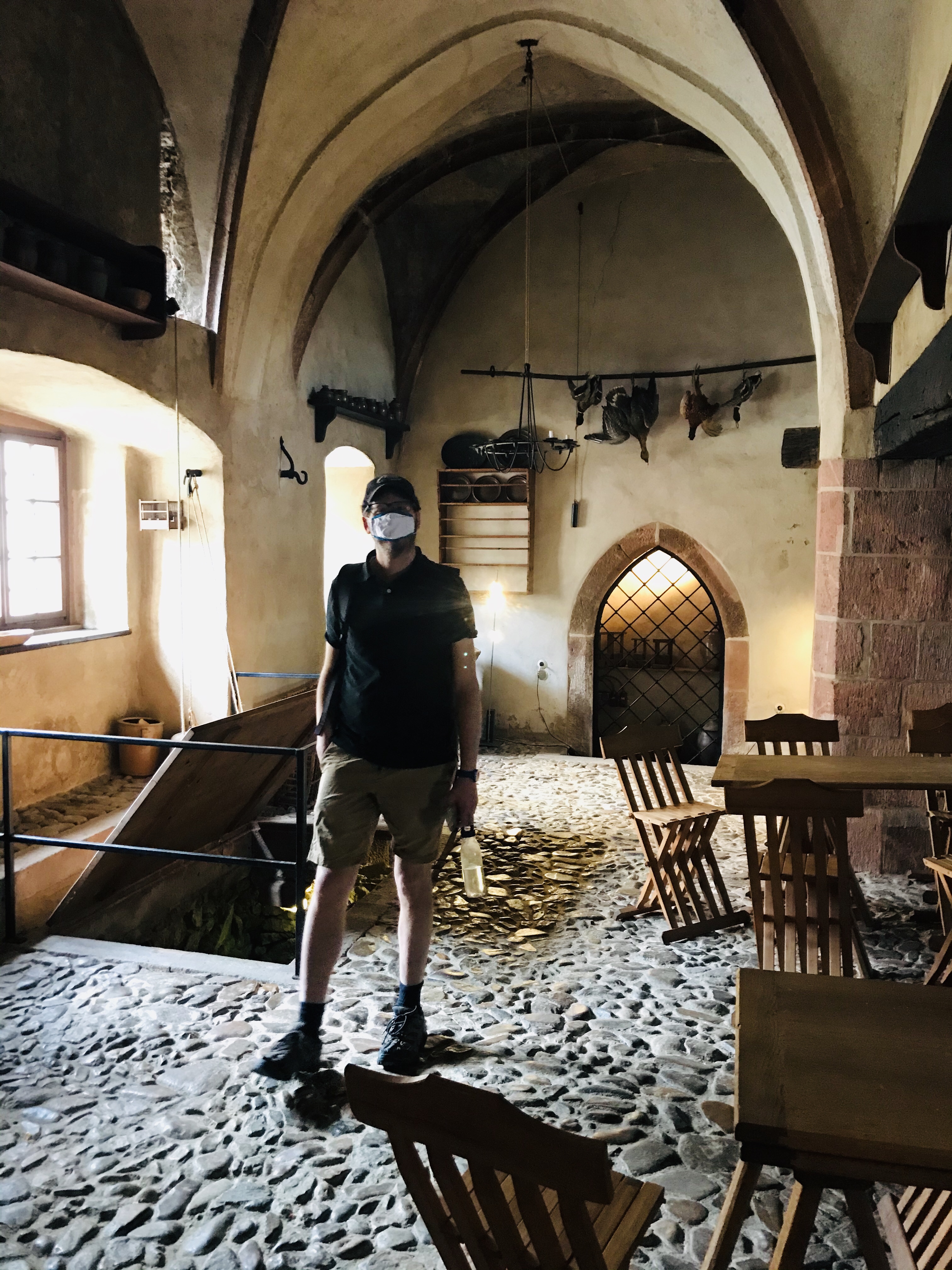
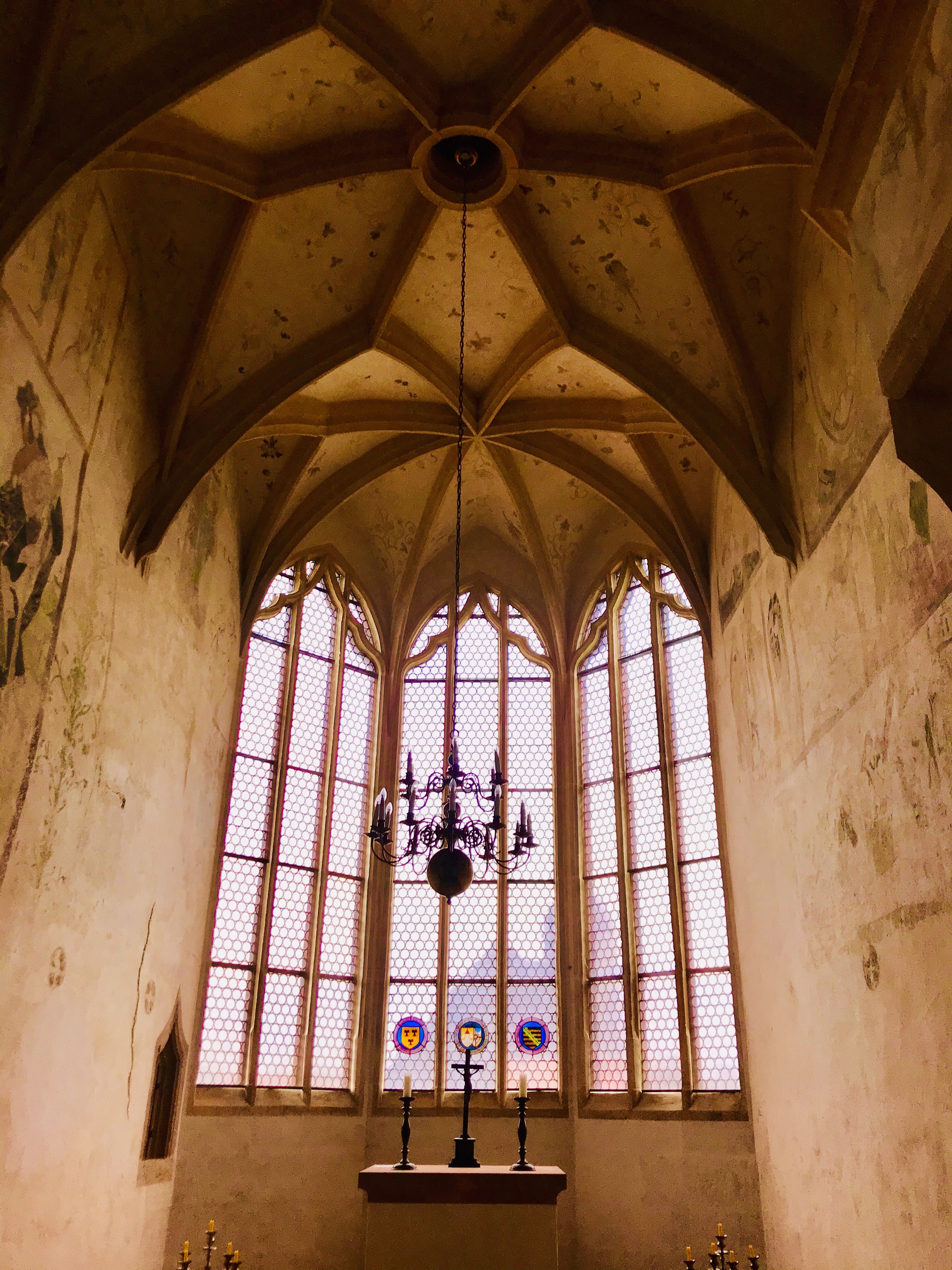
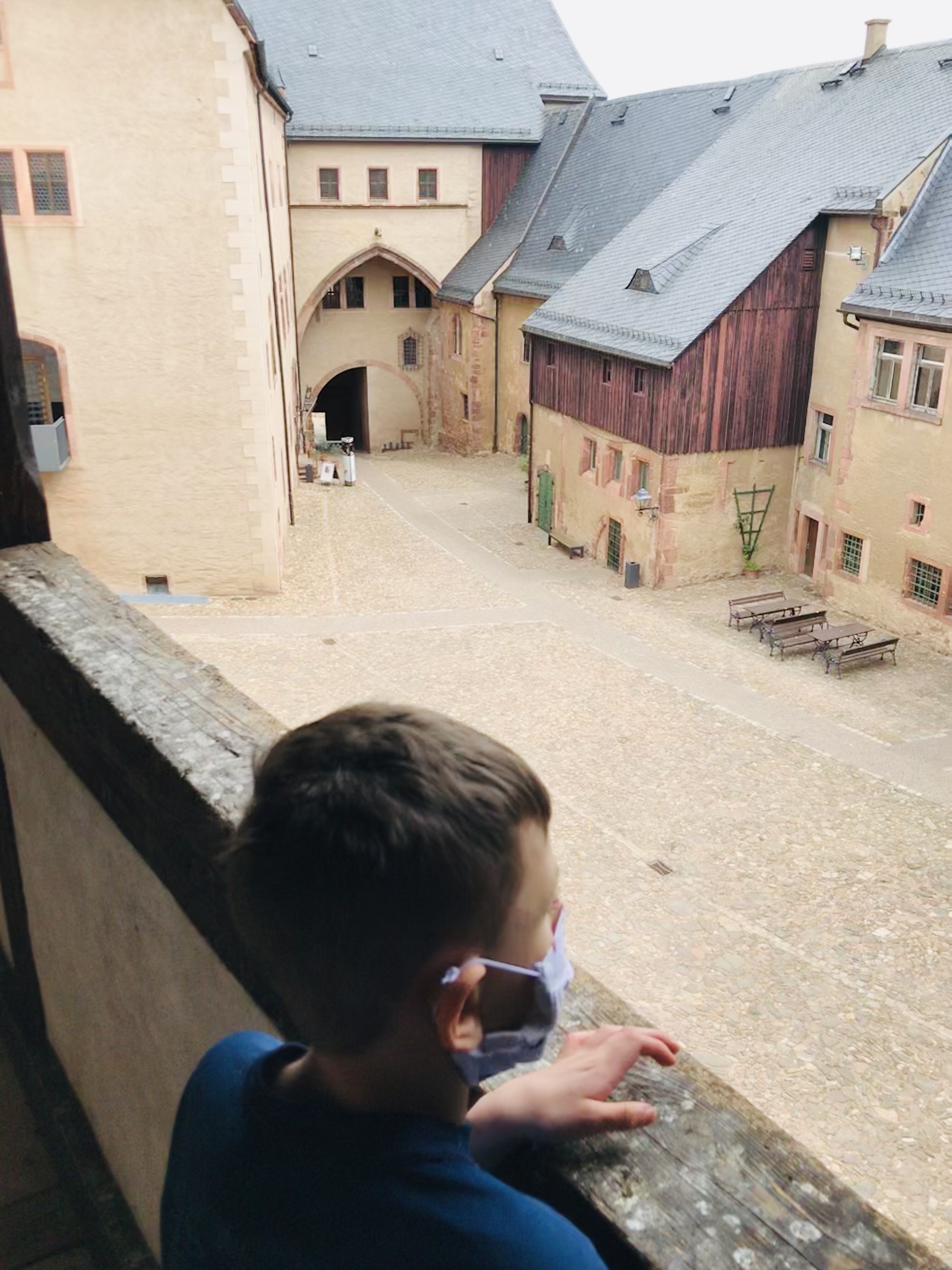
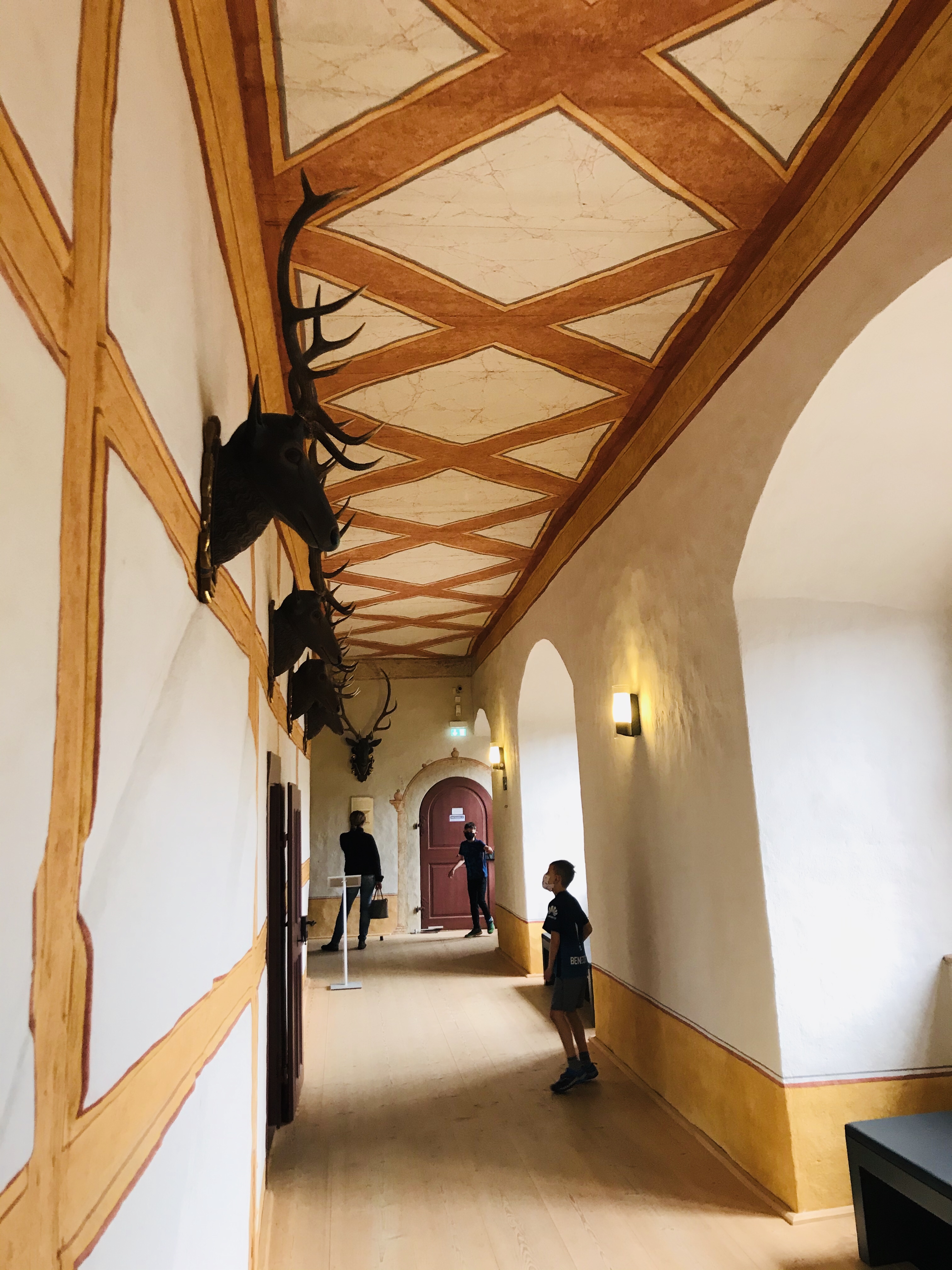
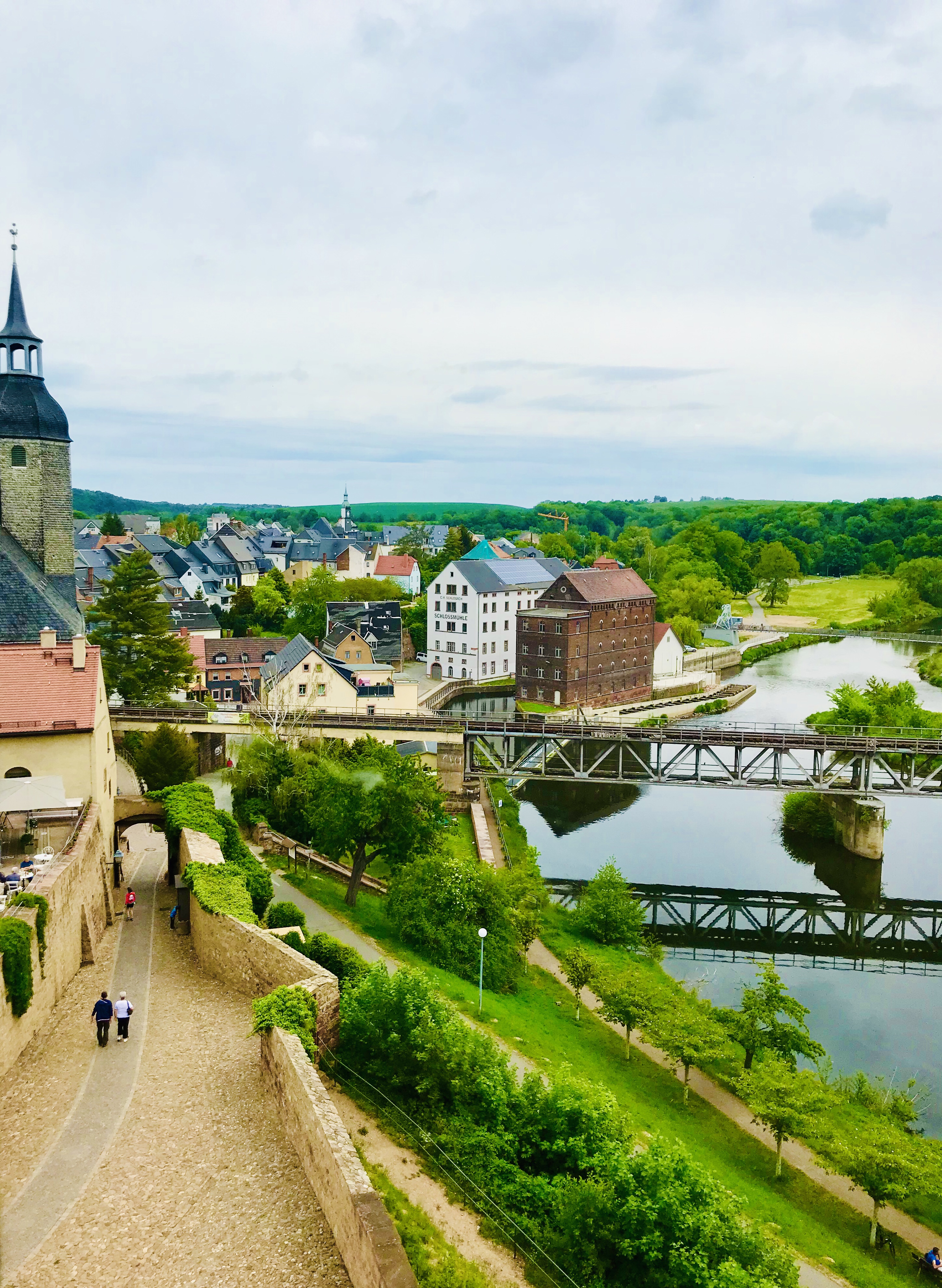
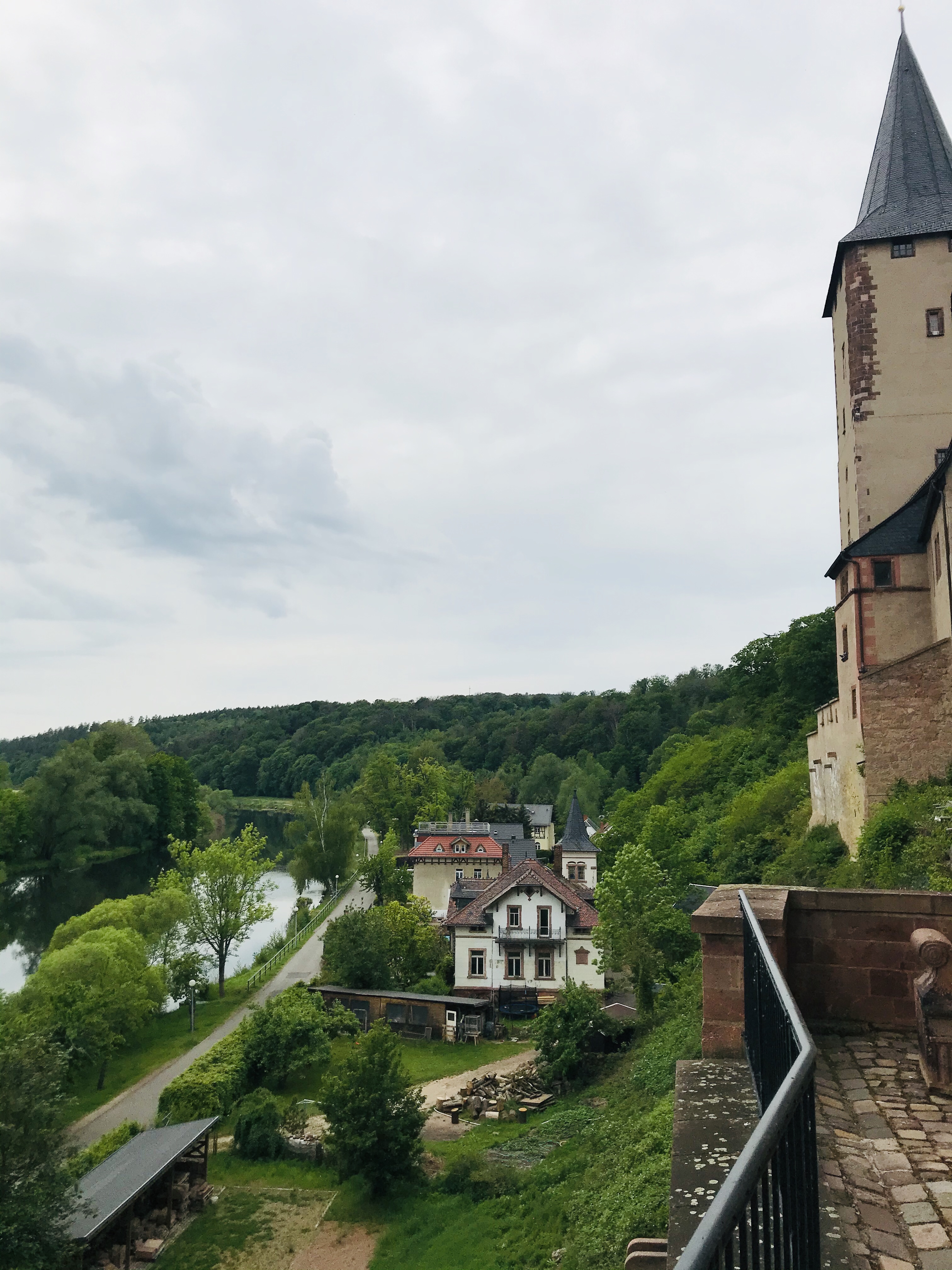
{Exploring Schloss Rochlitz}
After leaving Schloss Rochlitz, we got back into our car and searched for a drug store. This search led us to discover the cute town center, or market square. Here we paused for a quick snack and snap shots.
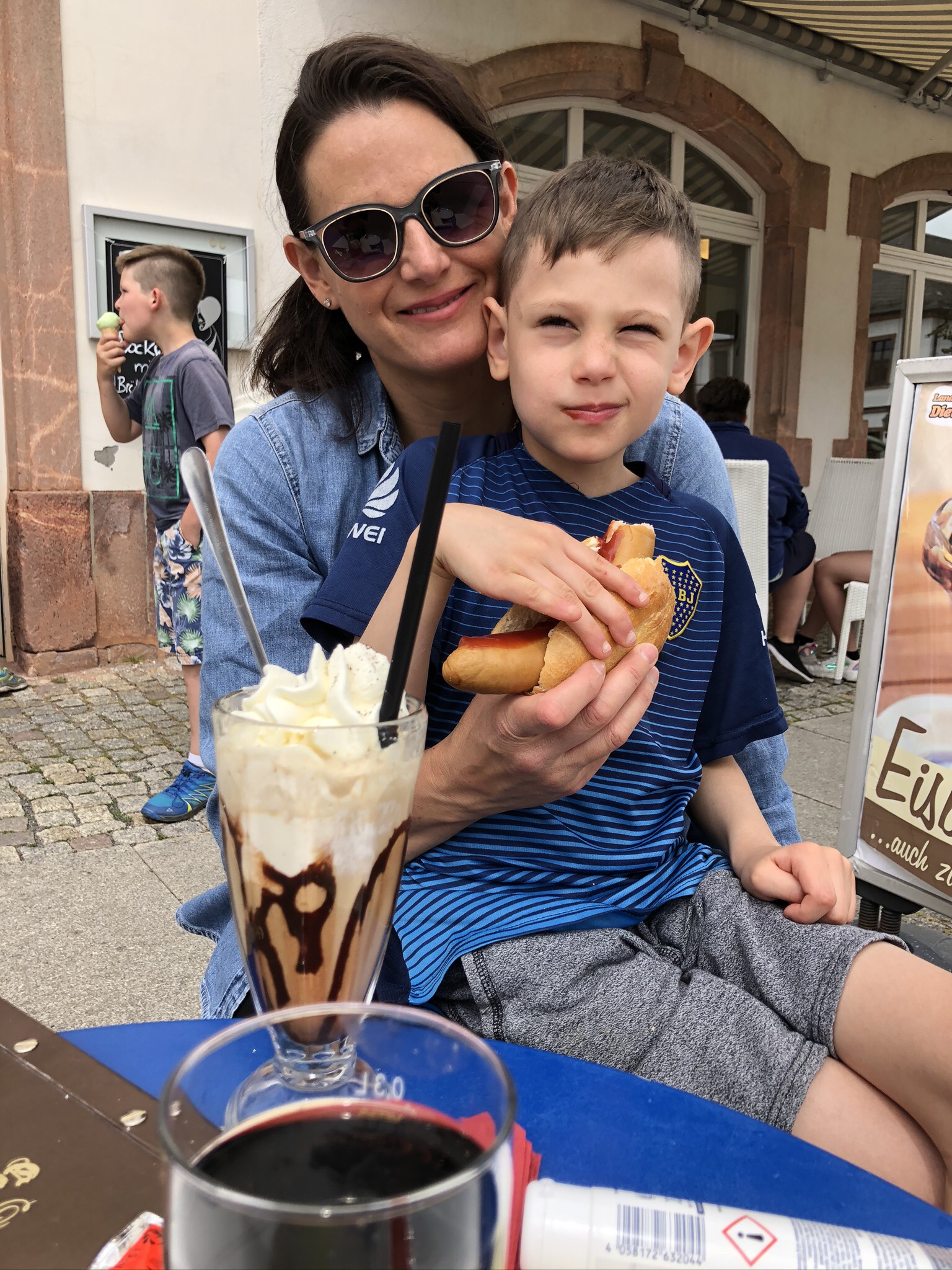
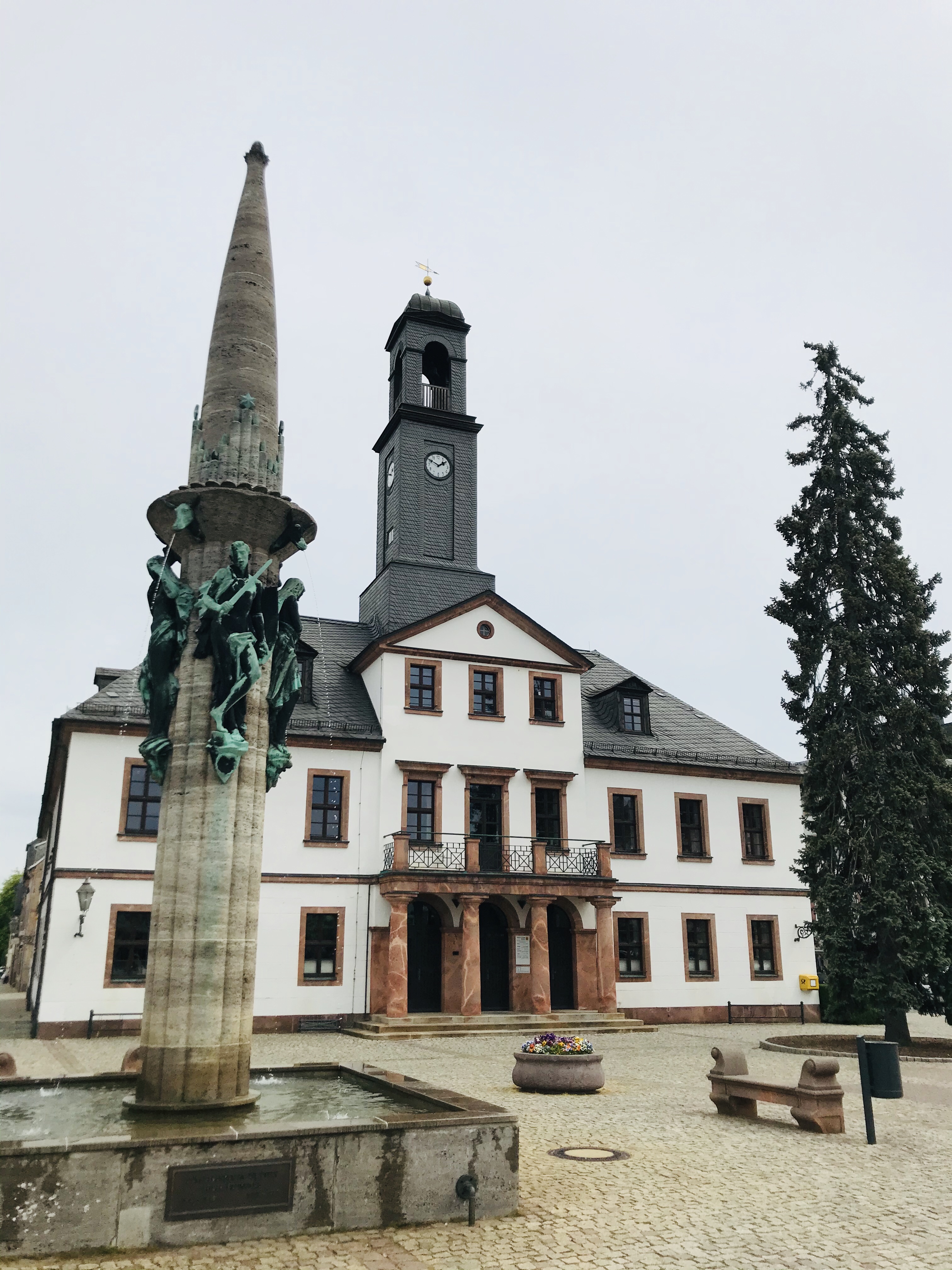
{Old Town Rochlitz}
The next day we went to Kriebstein to visit Burg Kriebstein and to hike its surrounding grounds along the Zschopau River.
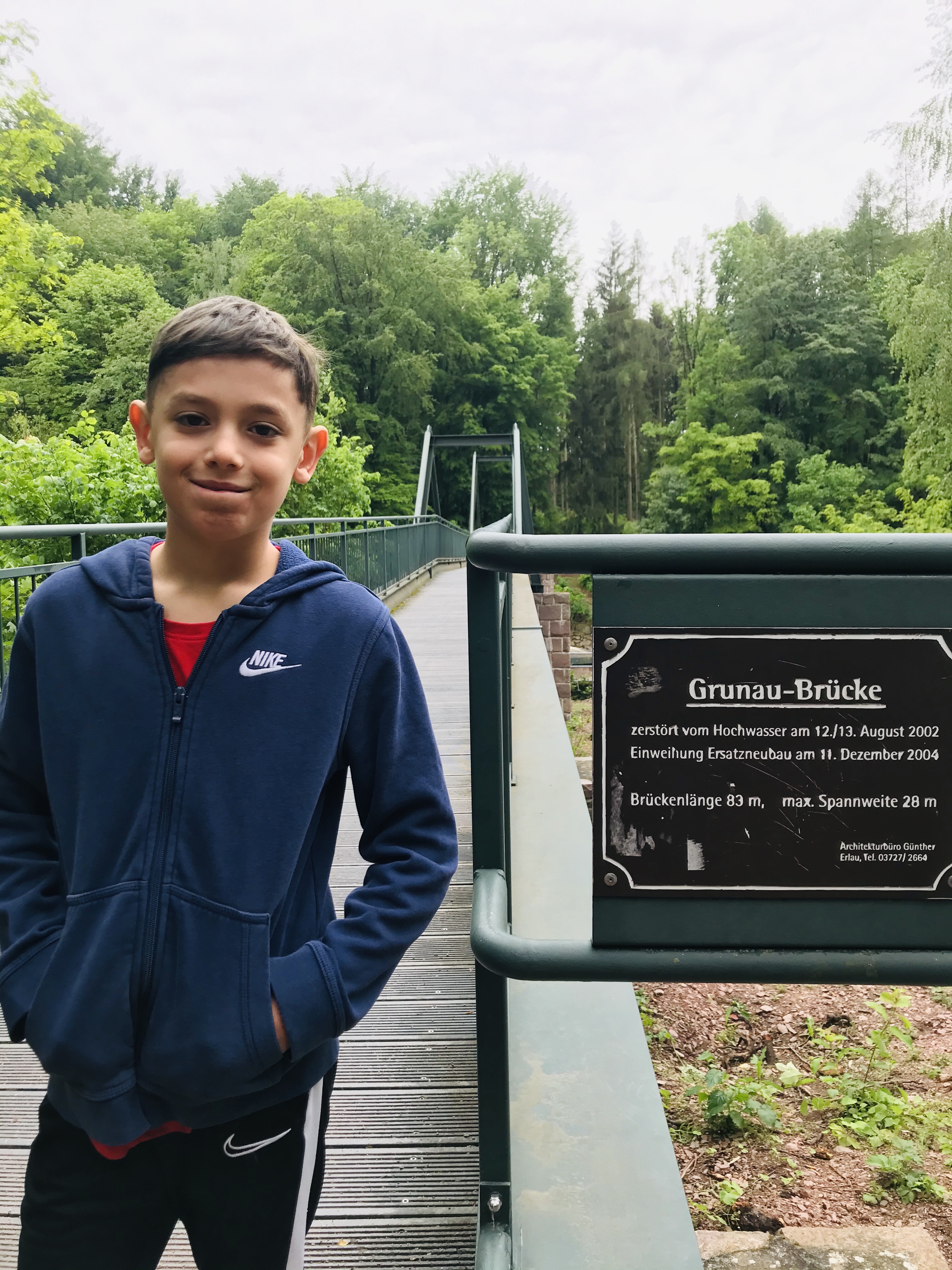
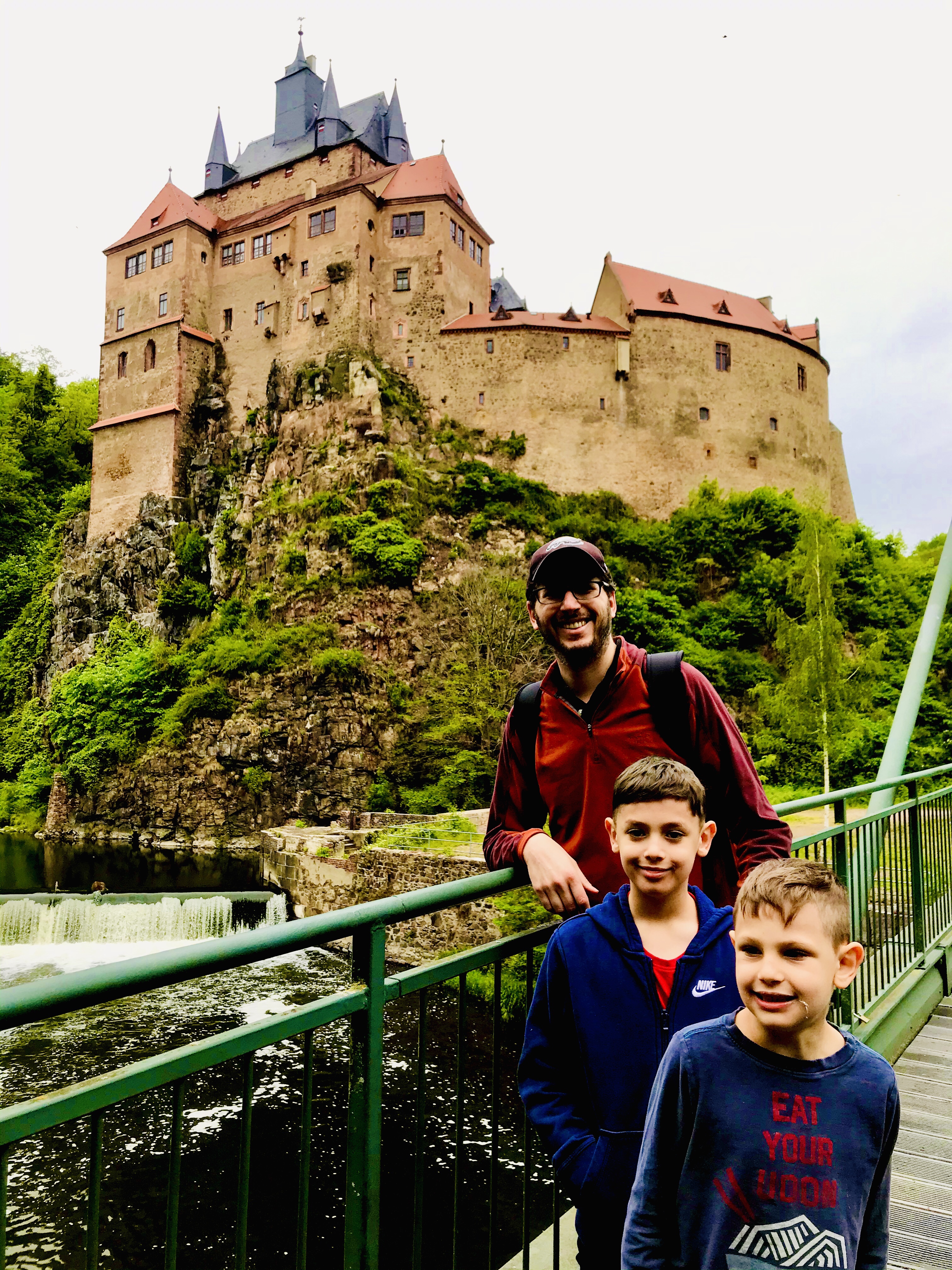
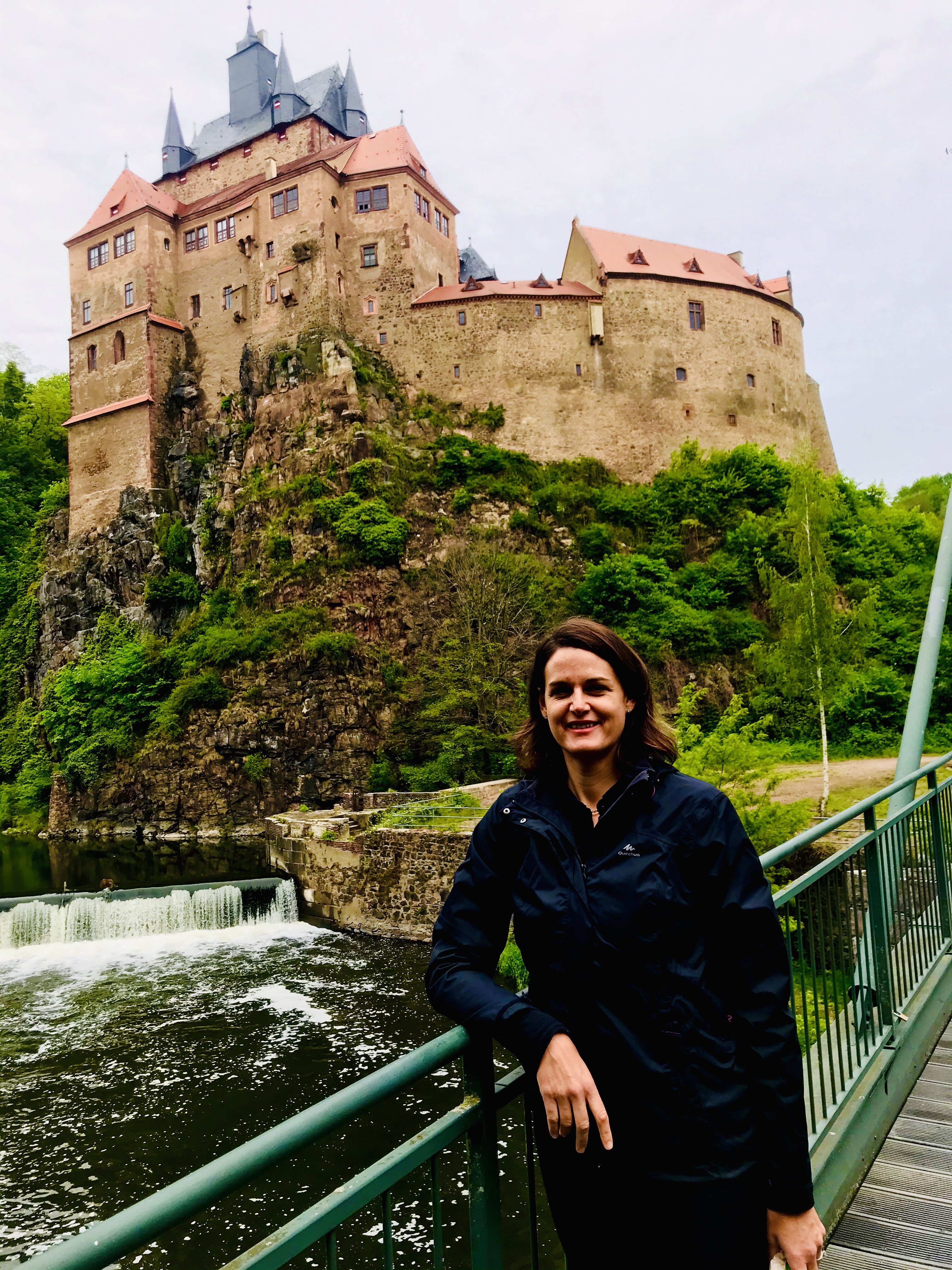
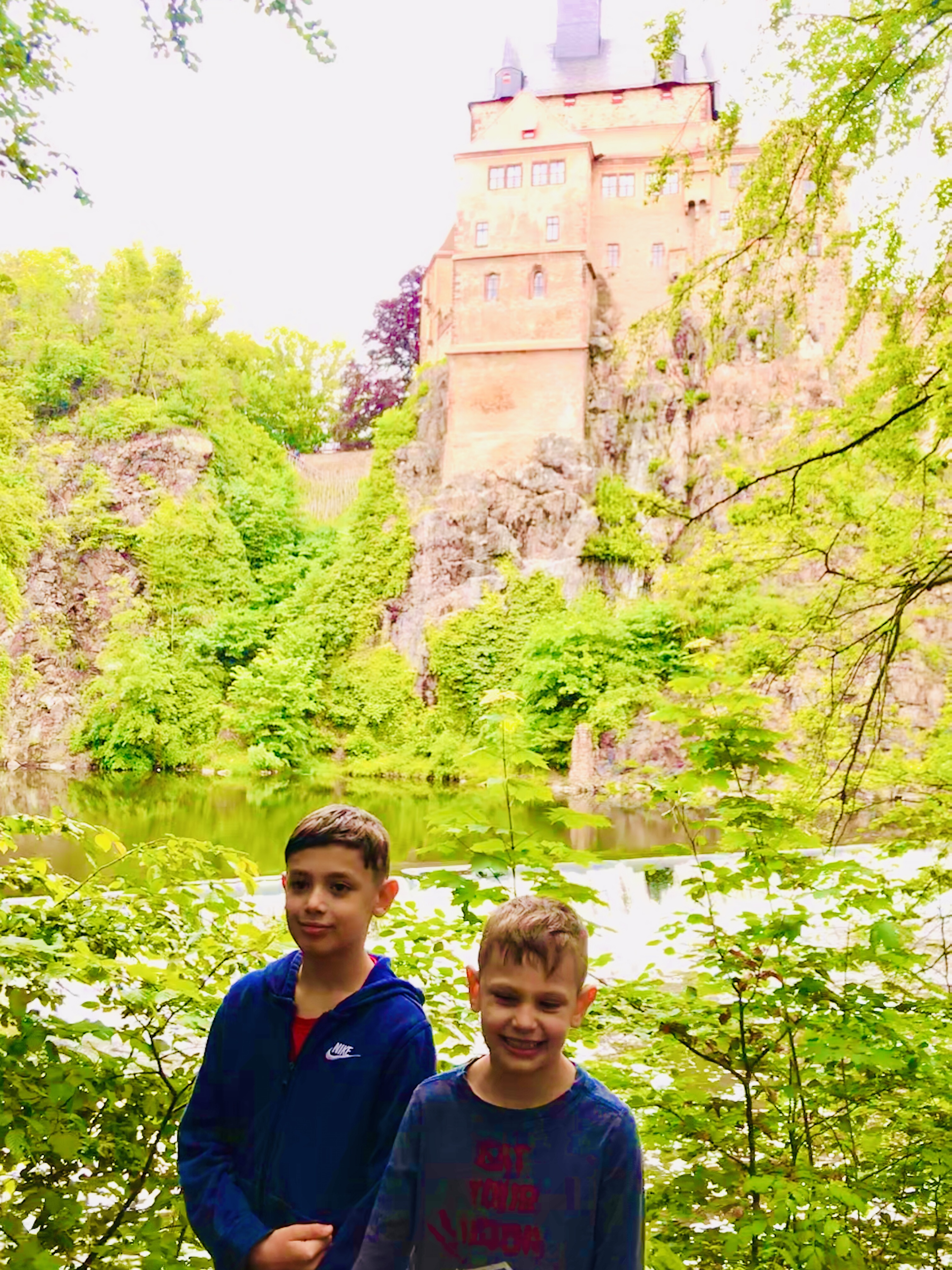
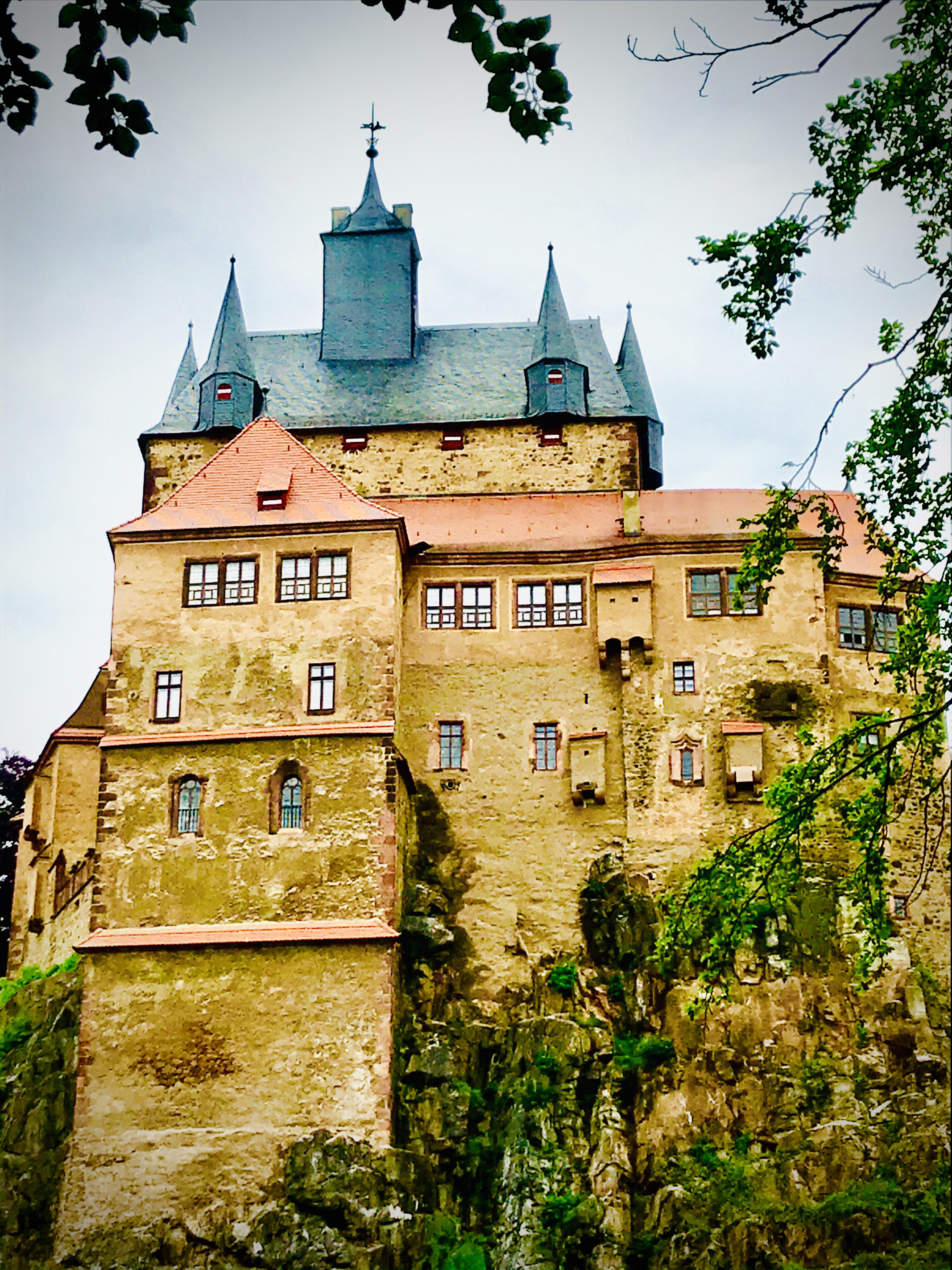
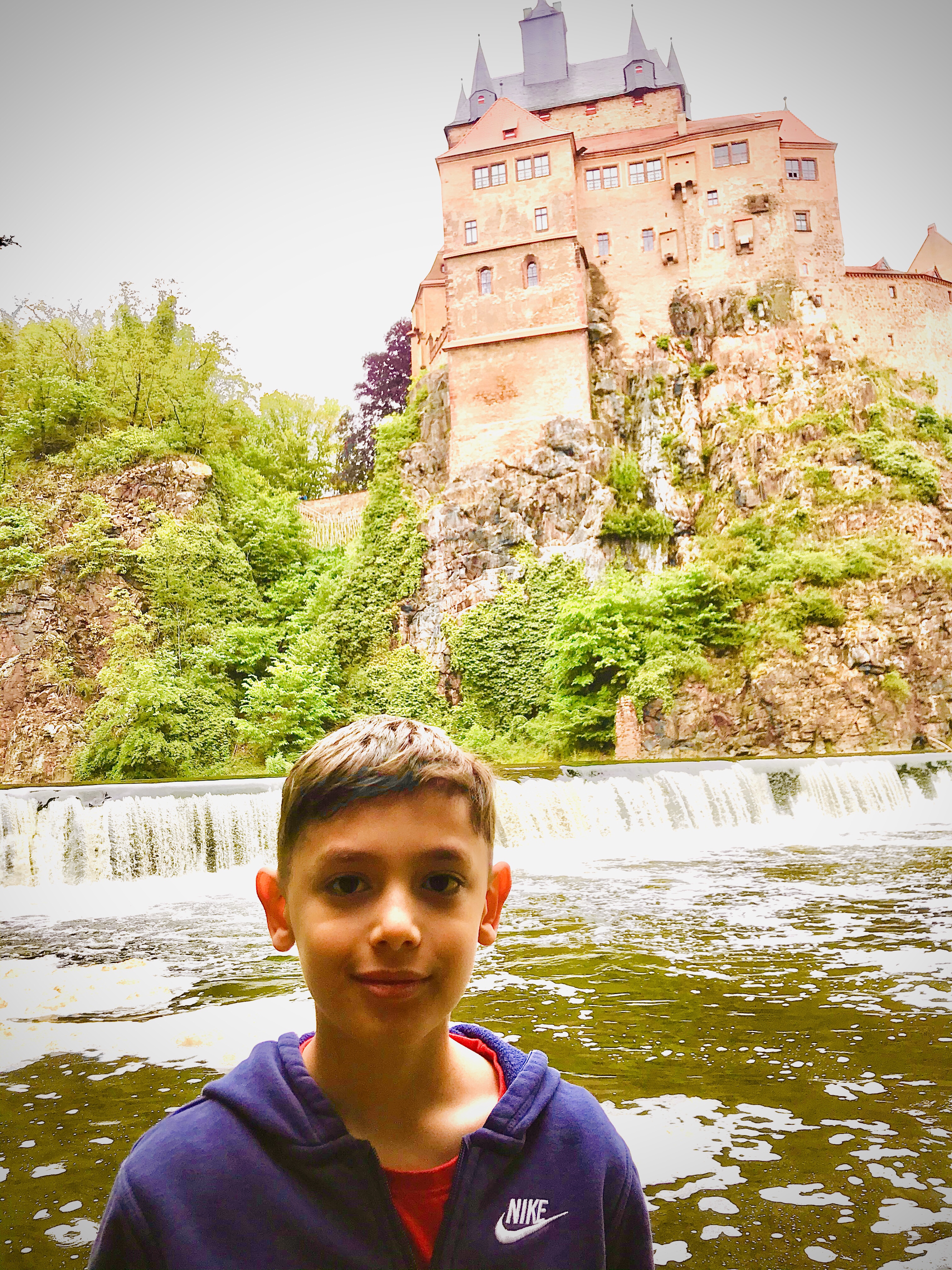
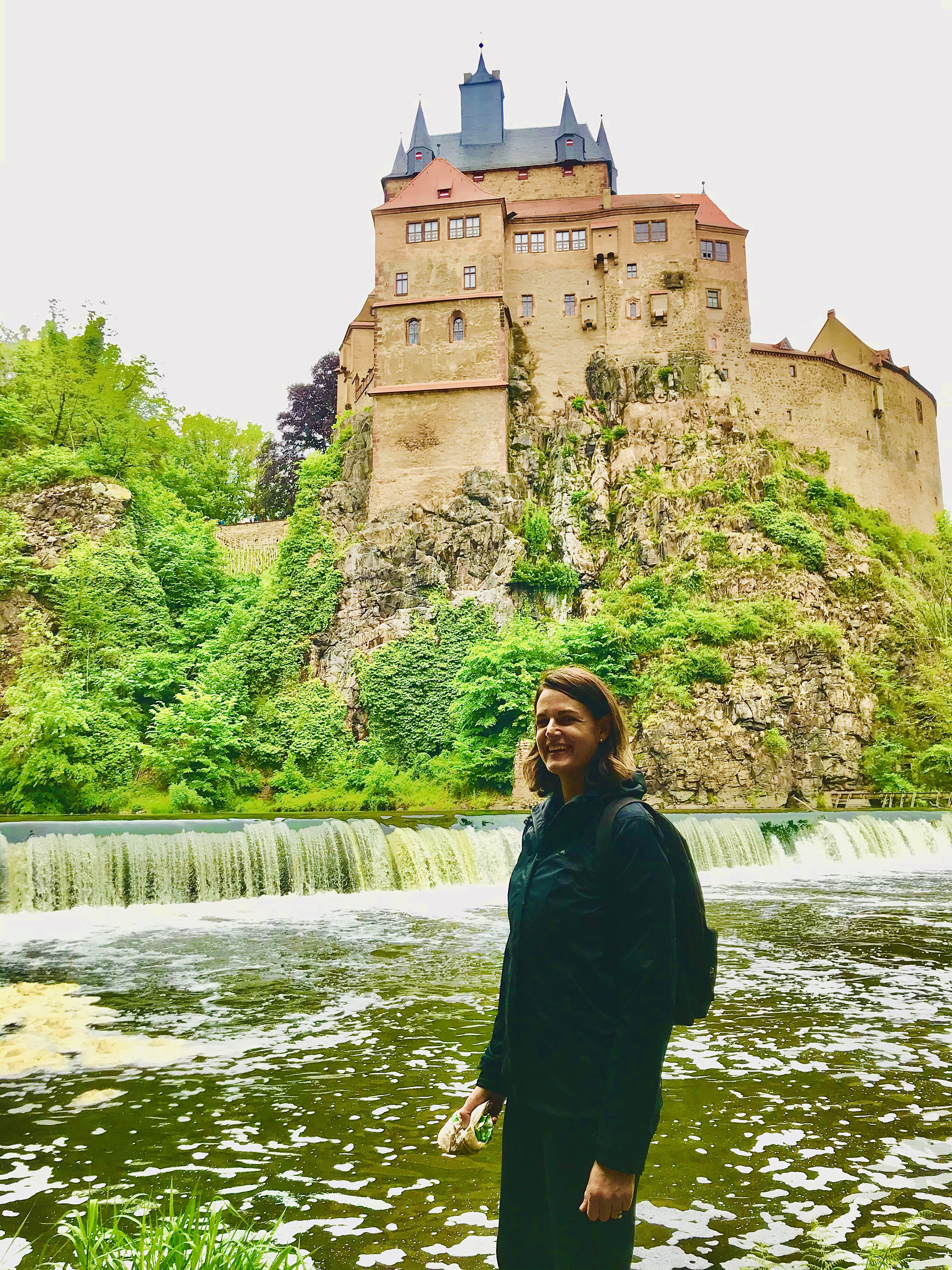
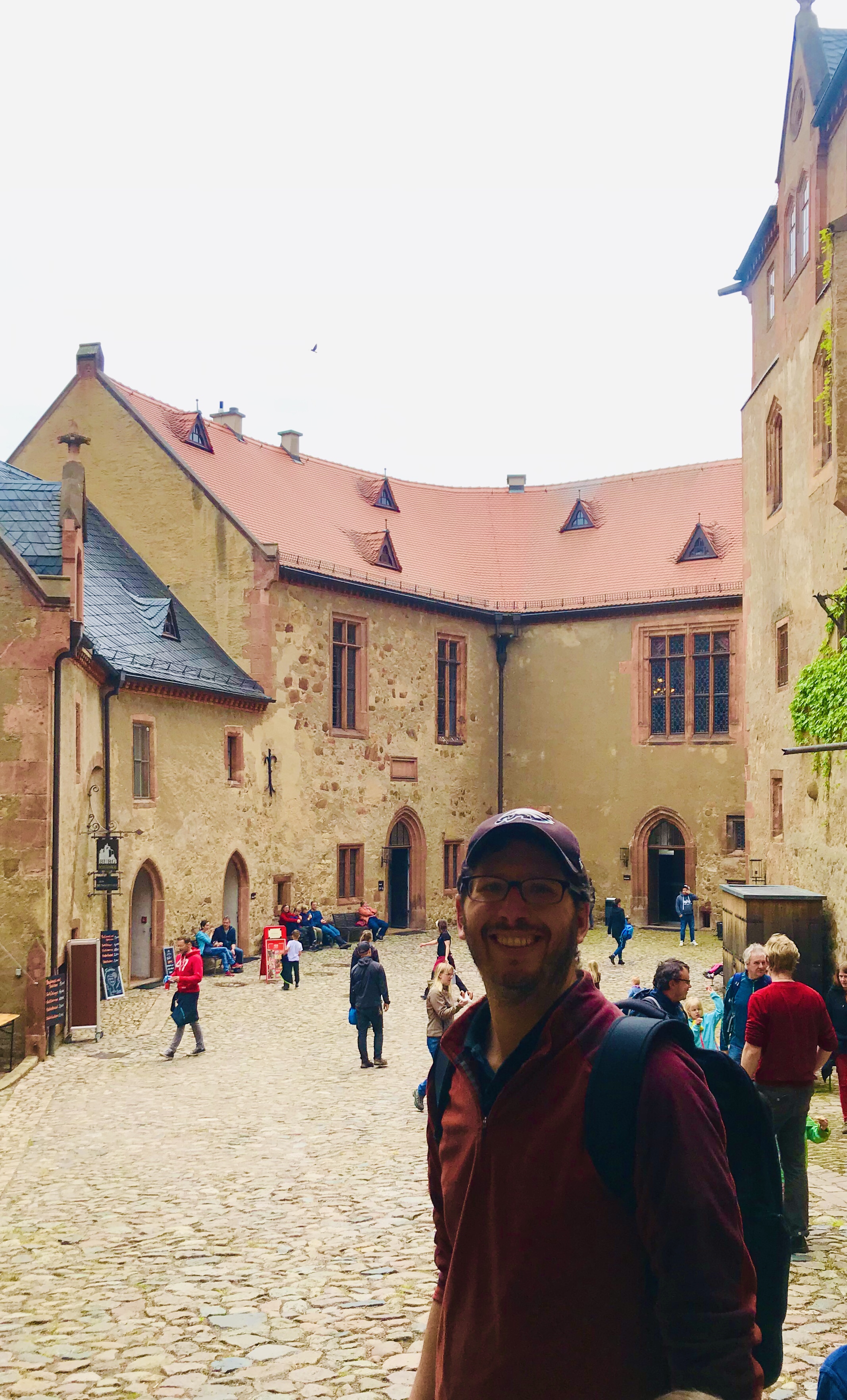
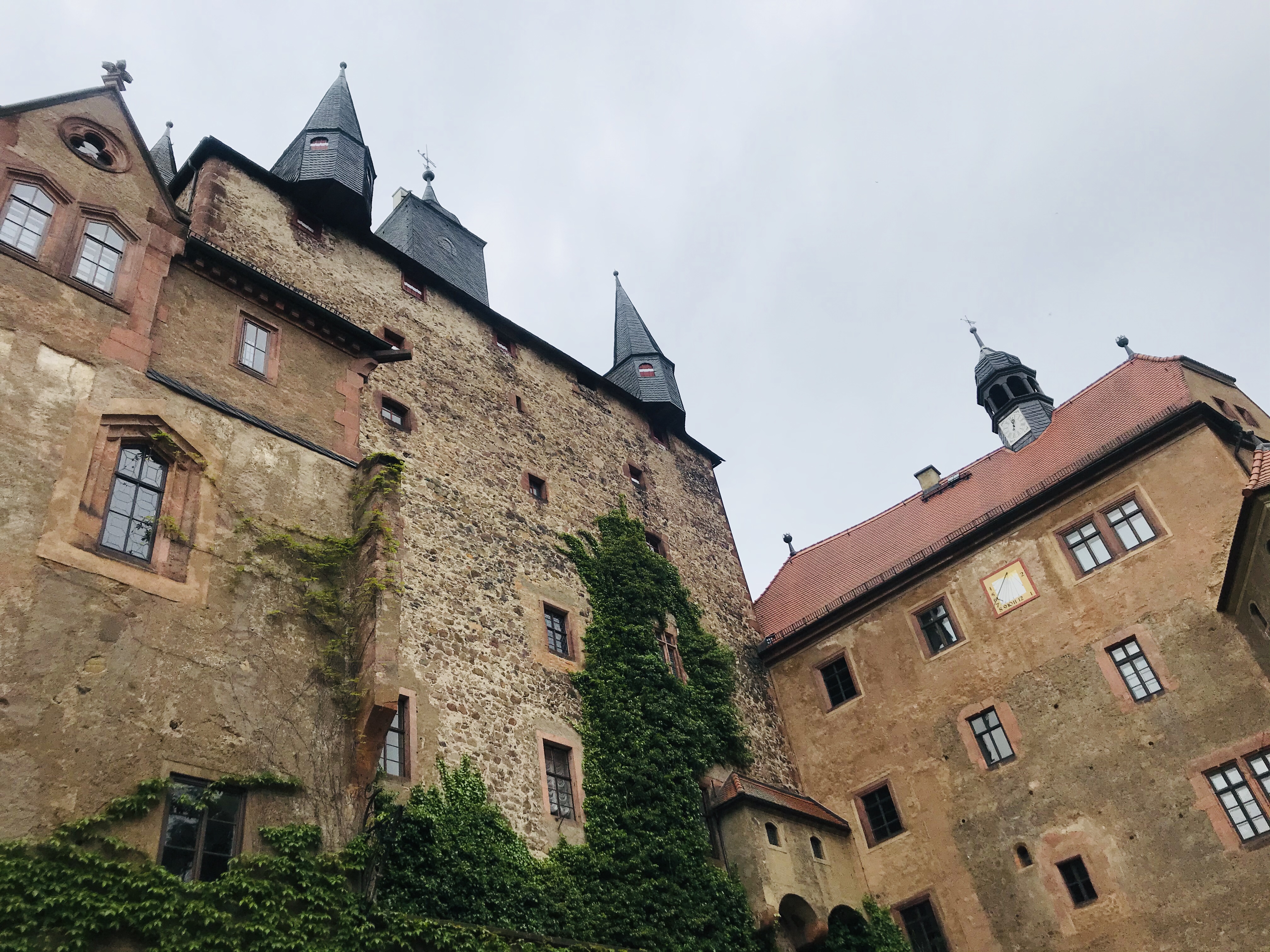
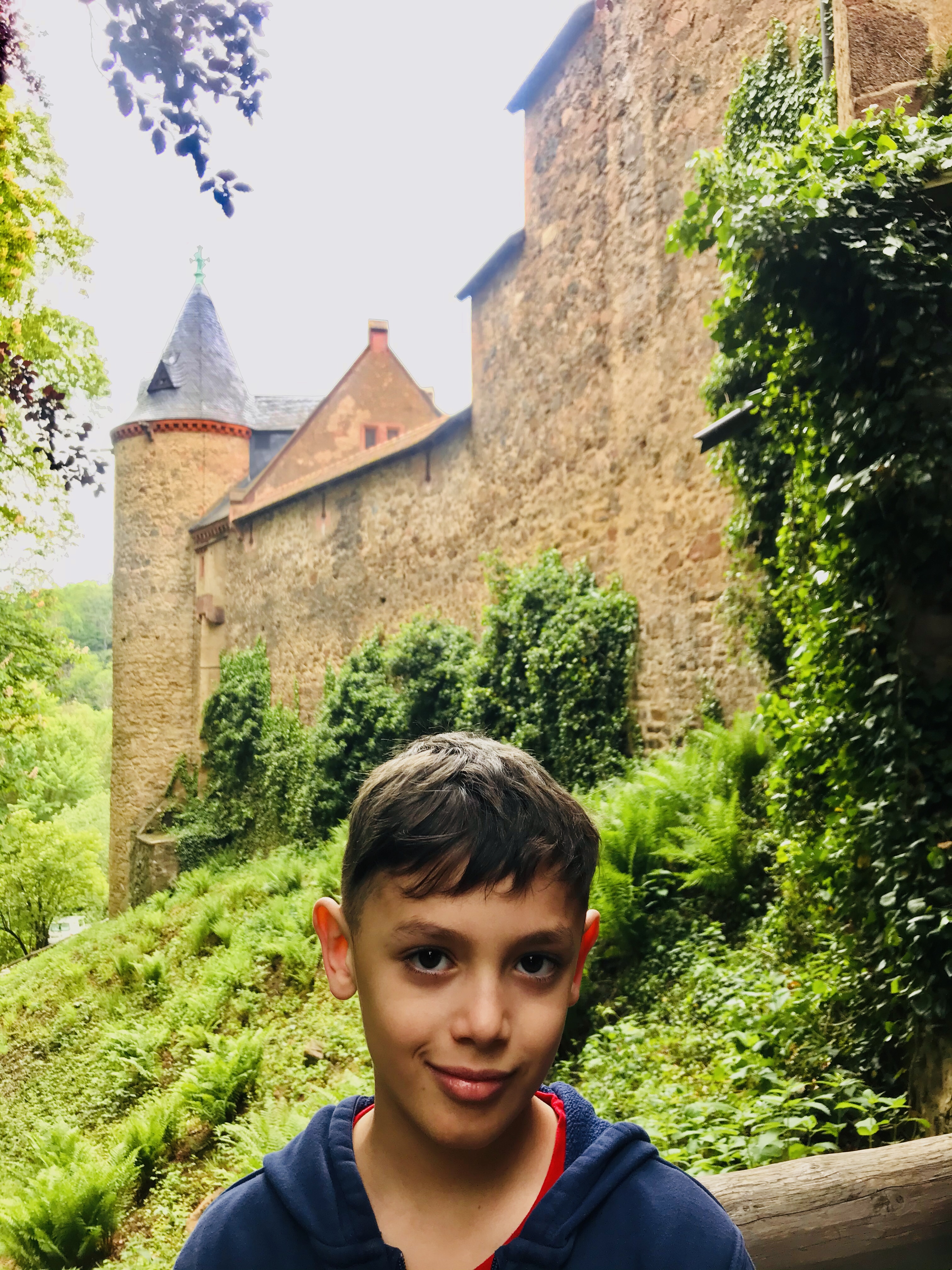
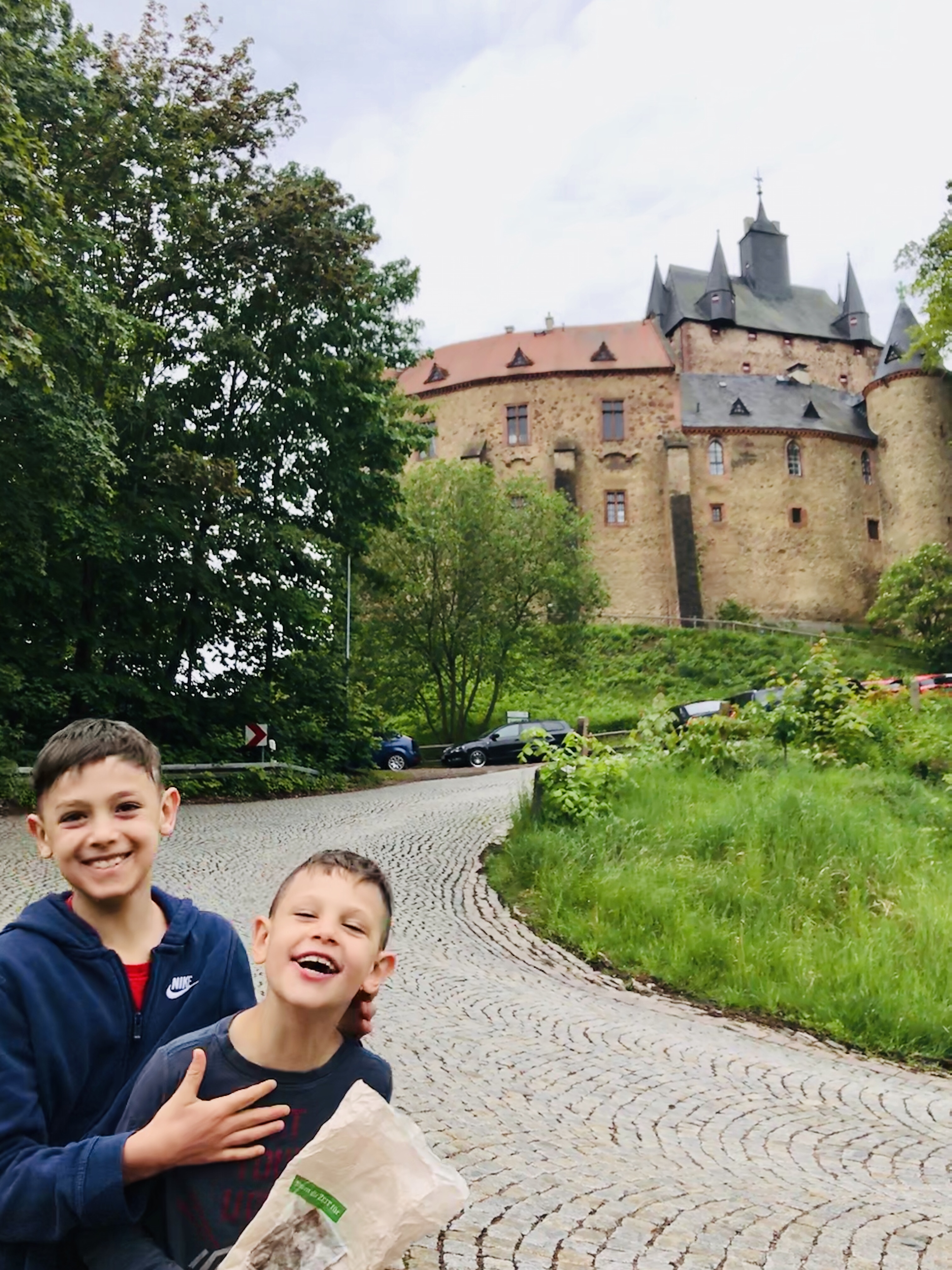
{Picturesque Burg Kriebstein in Kriebstein}
Founded in the 14th century, Burg Kriebstein is a station on the Luther Trail with parts open to the public in the early 1930s. The Luther Trail extends almost 400 kilometres and traces the steps that Martin Luther traveled almost 500 years ago on his way to the Diet of Worms and then back to the Wartburg.
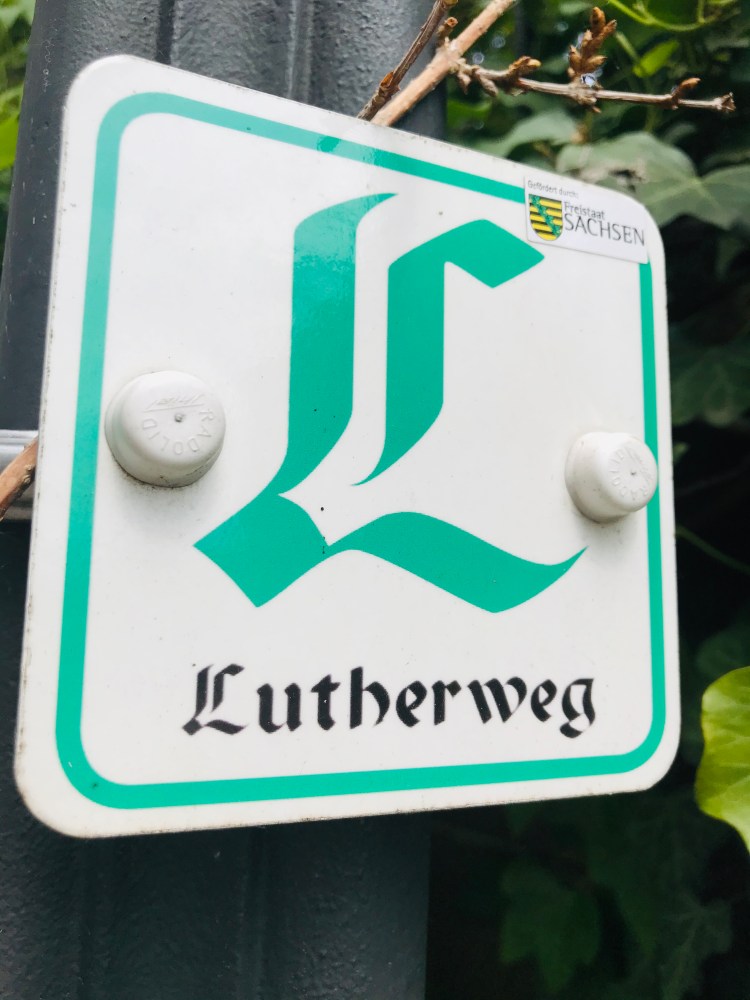
{Sign marking the Luther Trail, which we encountered many times throughout our stay in the valley}
The scenes in the Check-Point 19 prison in the Grand Budapest Hotel were filmed at the Kriebstein Castle (exterior shots) as well as a 2009 version of Snow White.
The boys‘ favorite part of this day was when we found and „saved“ a slug that was on the hiking path. They quickly adopted him and named him Sluggy. Sluggy came home with us, first to the cottage and then back to Berlin and three weeks later is still, surprisingly, alive.
That night, we went to the Rathaus (dating back to 1442) in Grimma (founded in 1170) for a fancy Saturday night dinner.
Both the restaurant and the meal were excellent. After they finished their meals, the boys went outside to explore while Dave and I continued to enjoy our wine and dessert.
The warm, cozy cellar atmosphere was juxtaposed with the eerie feeling of a very quiet and deserted town. I joked with Dave that it felt like a zombie apocalypse was occurring and we were the last survivors. We speculated that not only did COVID-19 influence the number of people that were out, but probably because this was an already quiet, small town in a depressed former East German village. I later learned that Grimma was the scene of witch trials between 1494–1701, where at least two women were executed as witches.
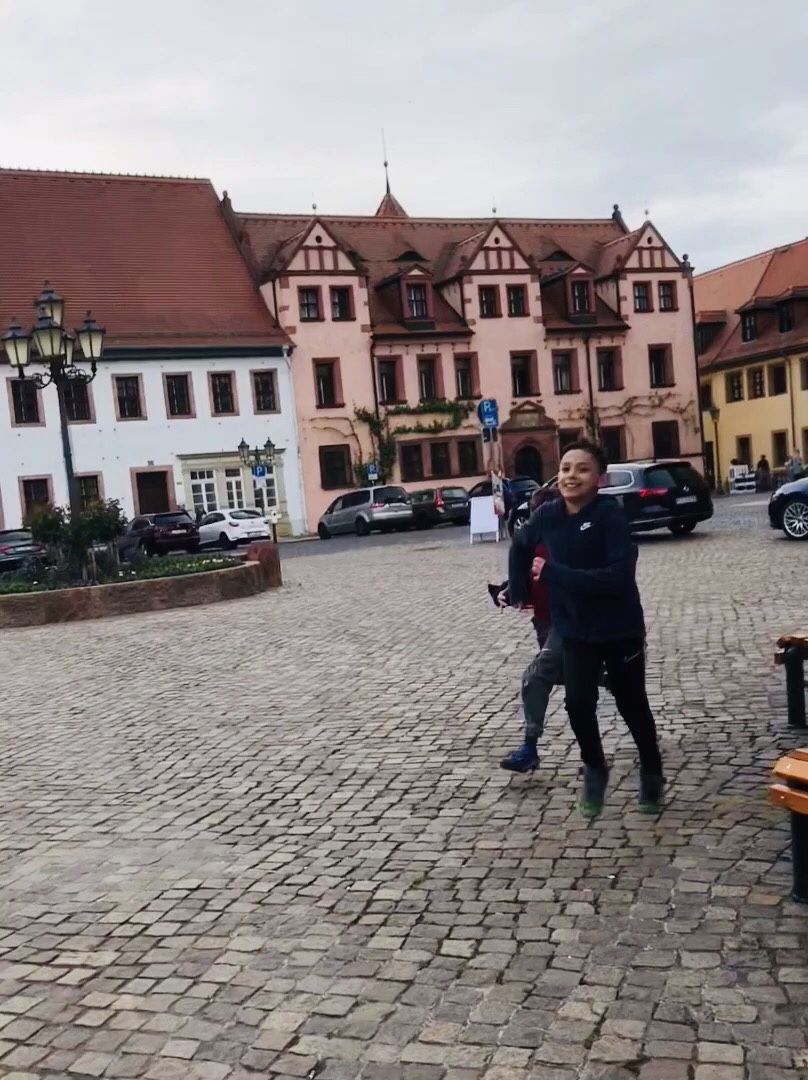
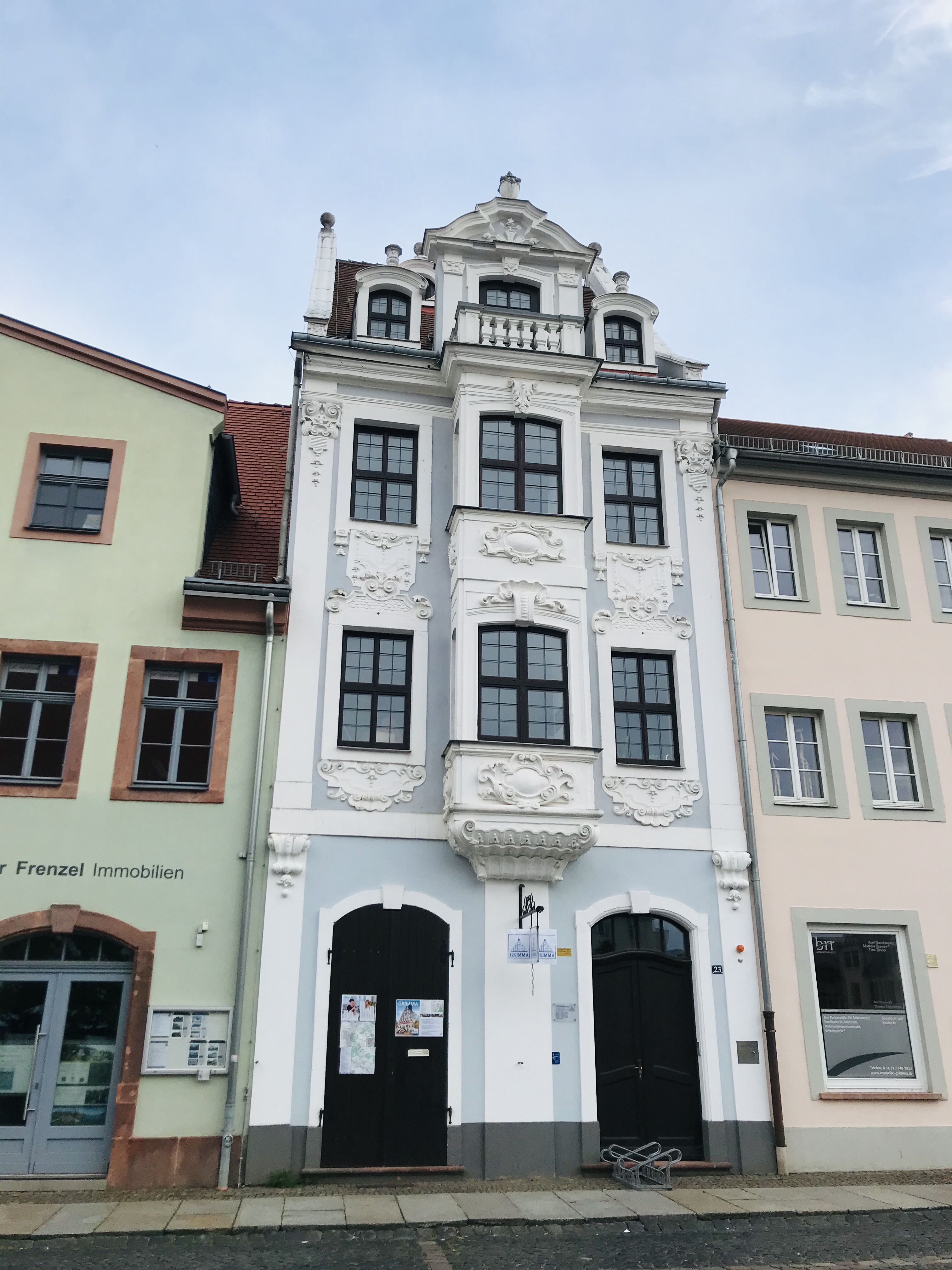
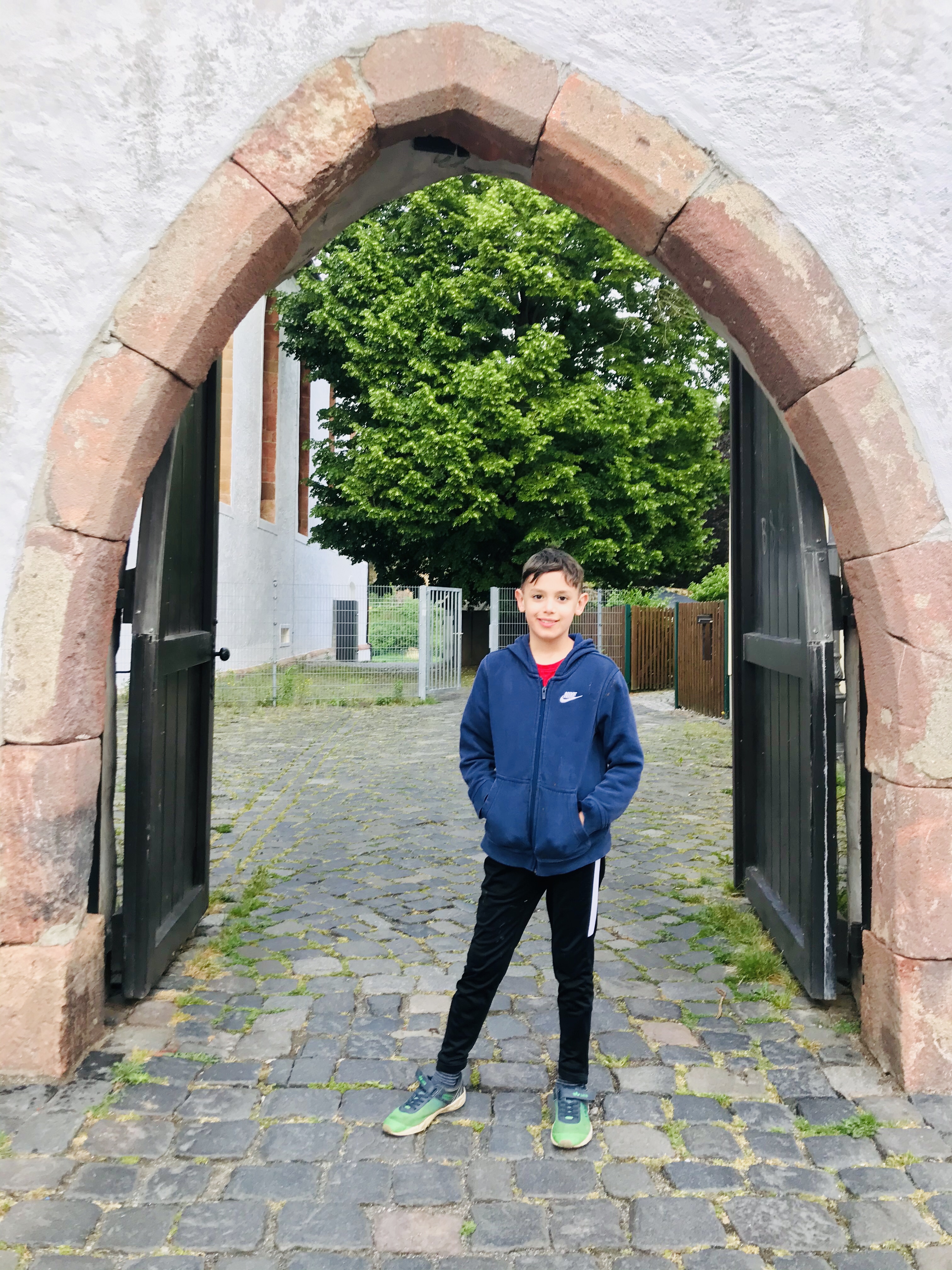
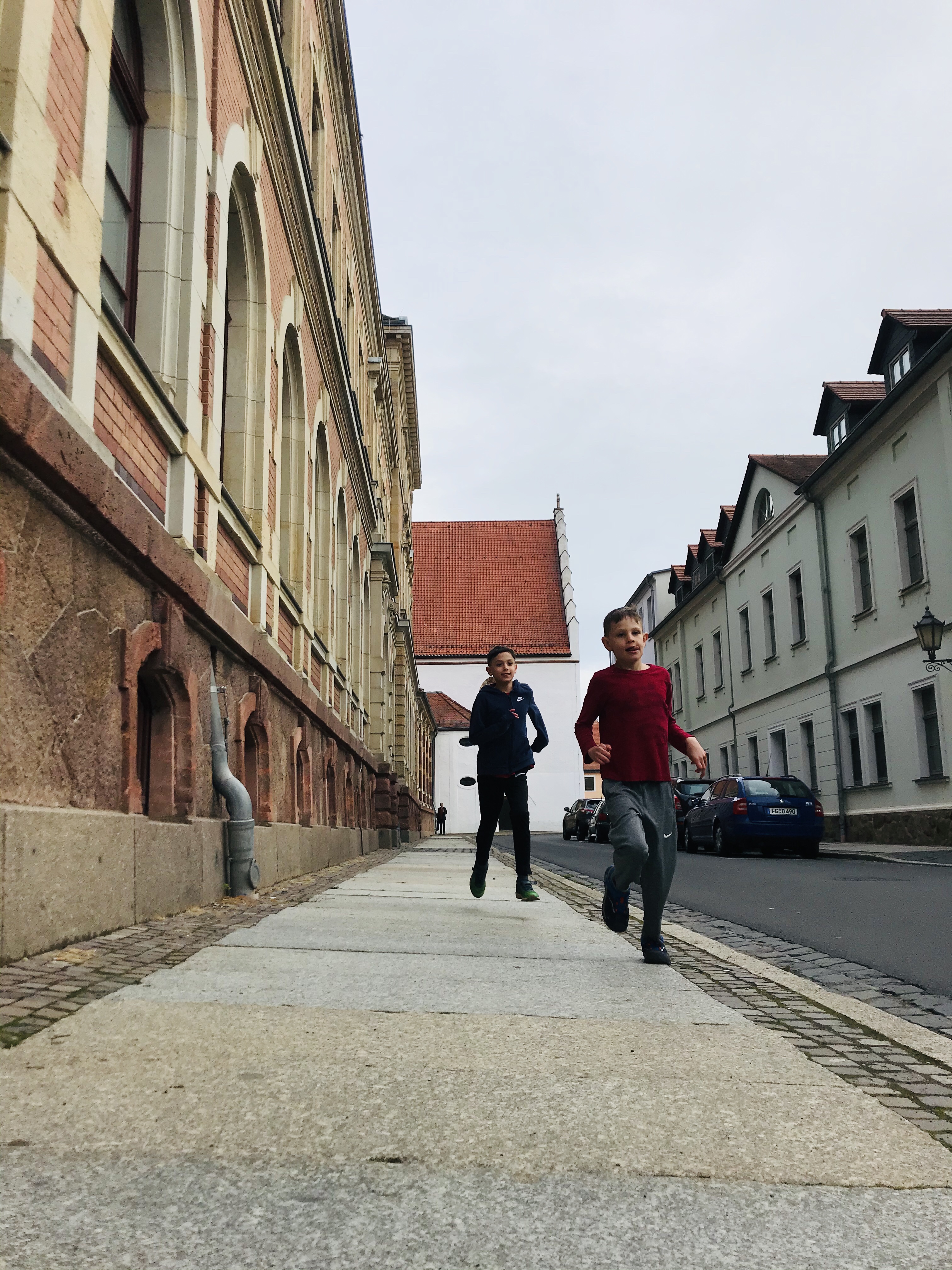
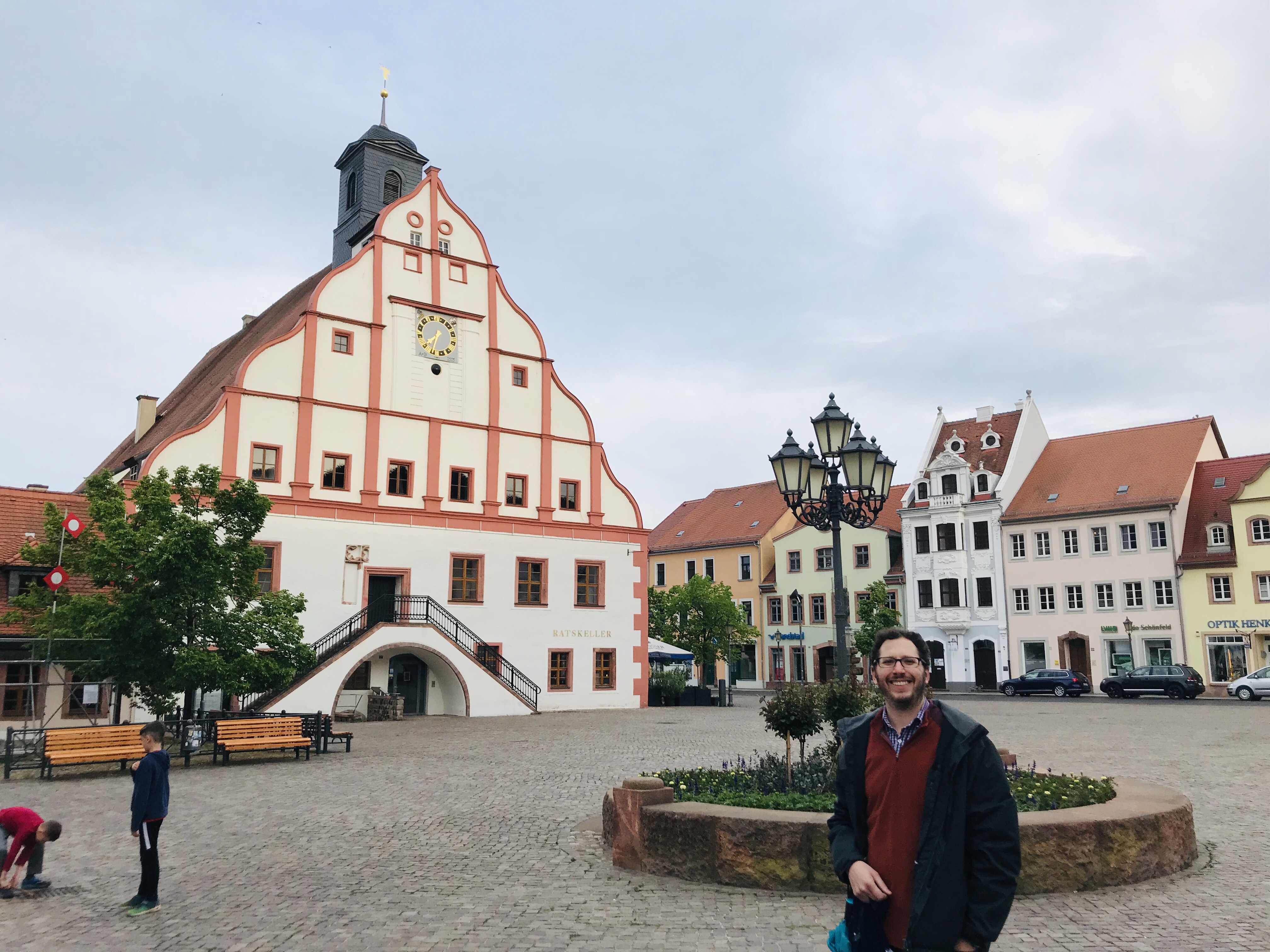
{Evening out in Grimma}
Like during most of our trips these past few years, my mornings while we stayed in Colditz were spent going for a walk alone well before Dave and the boys woke up. Each day I would join the locals lined up at one of the three bakeries, picking up a coffee, bread rolls, and treats to bring home for breakfast.
One morning, my walk included the historic Colditz Tierpark (zoo) that was created in the 16th century as a game reserve. It was later expanded into a hunting ground and amusement area over the course of around 100 years, making it one of the oldest and most famous facilities in Germany at the time.
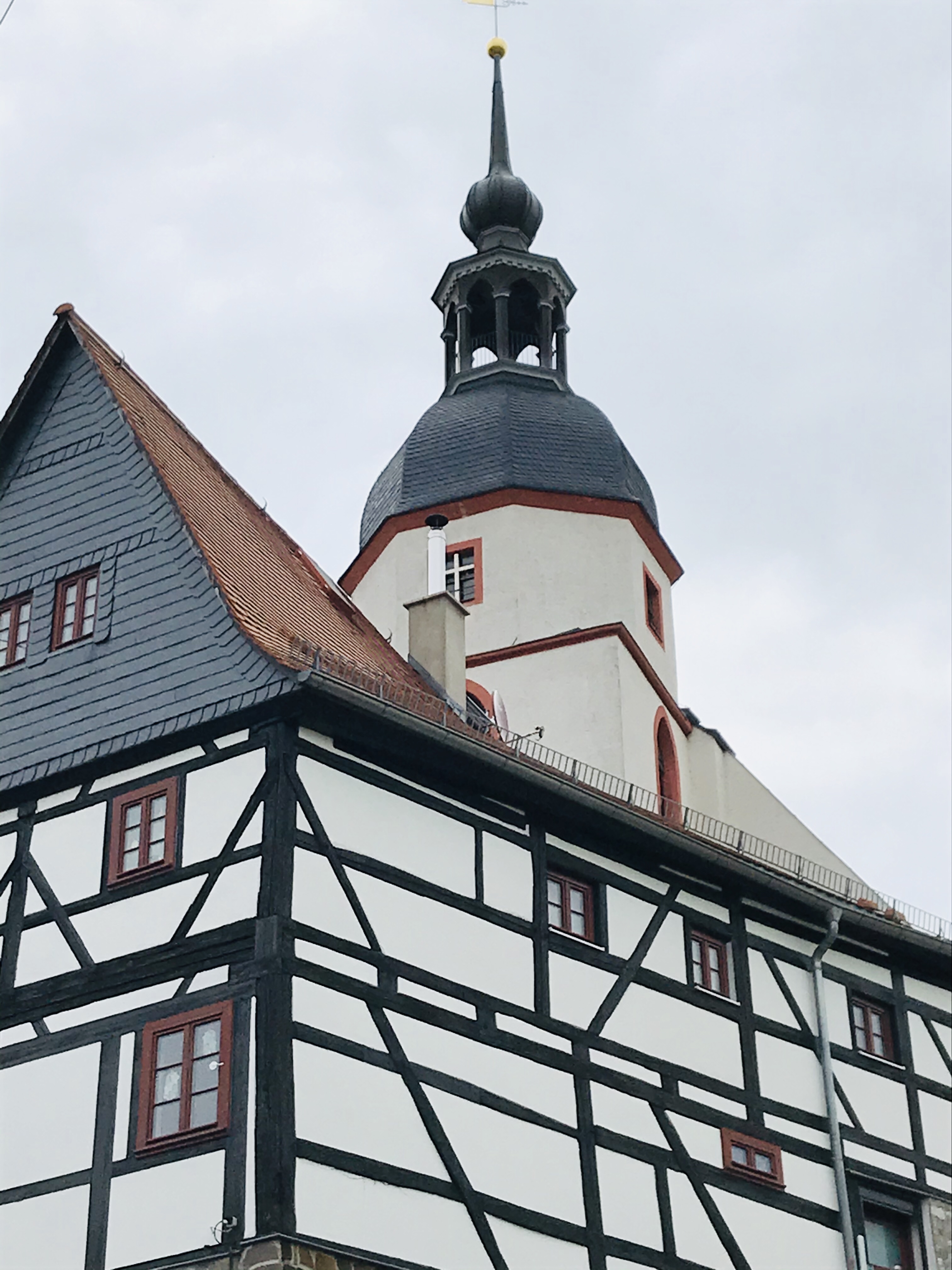
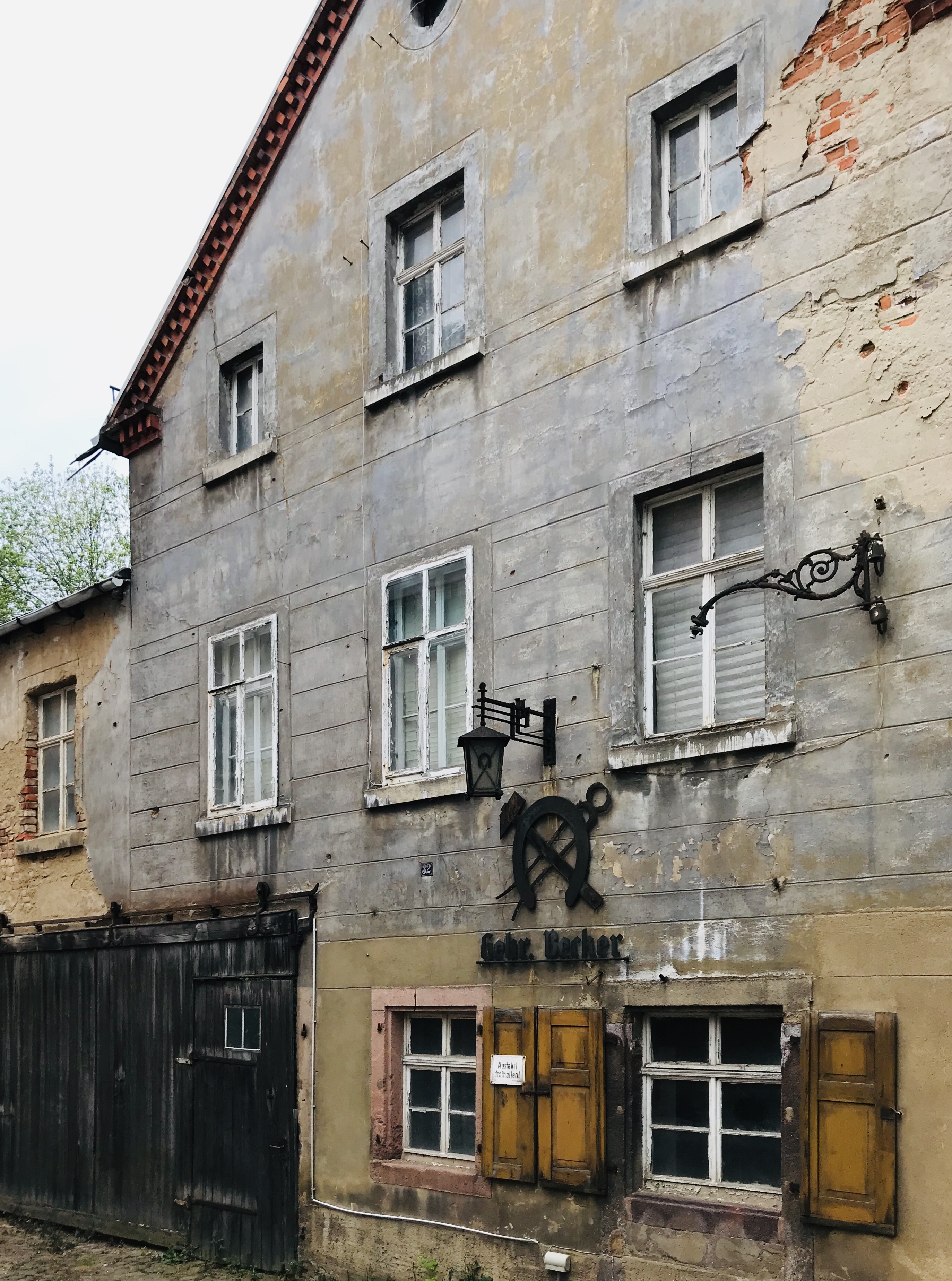
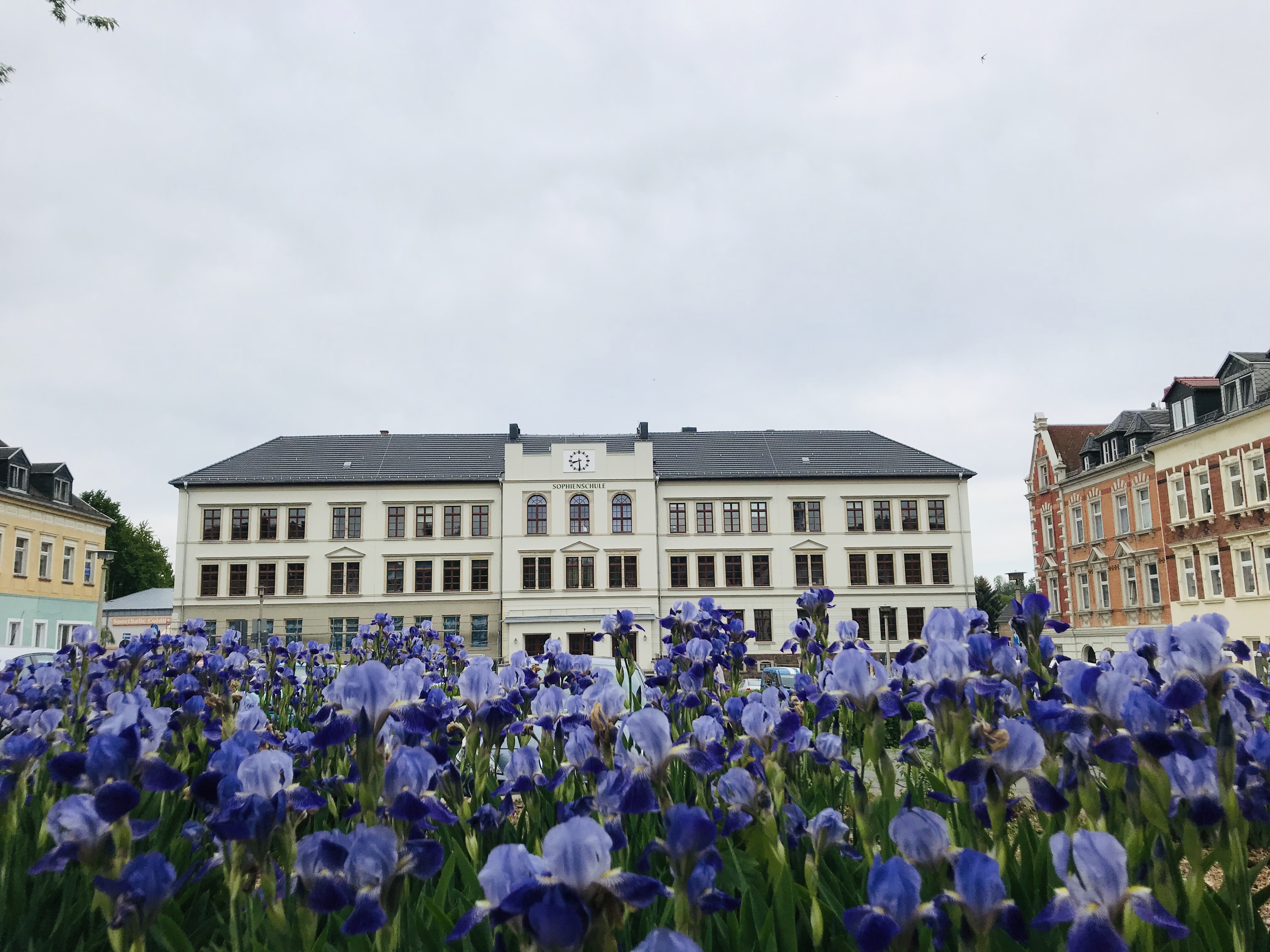
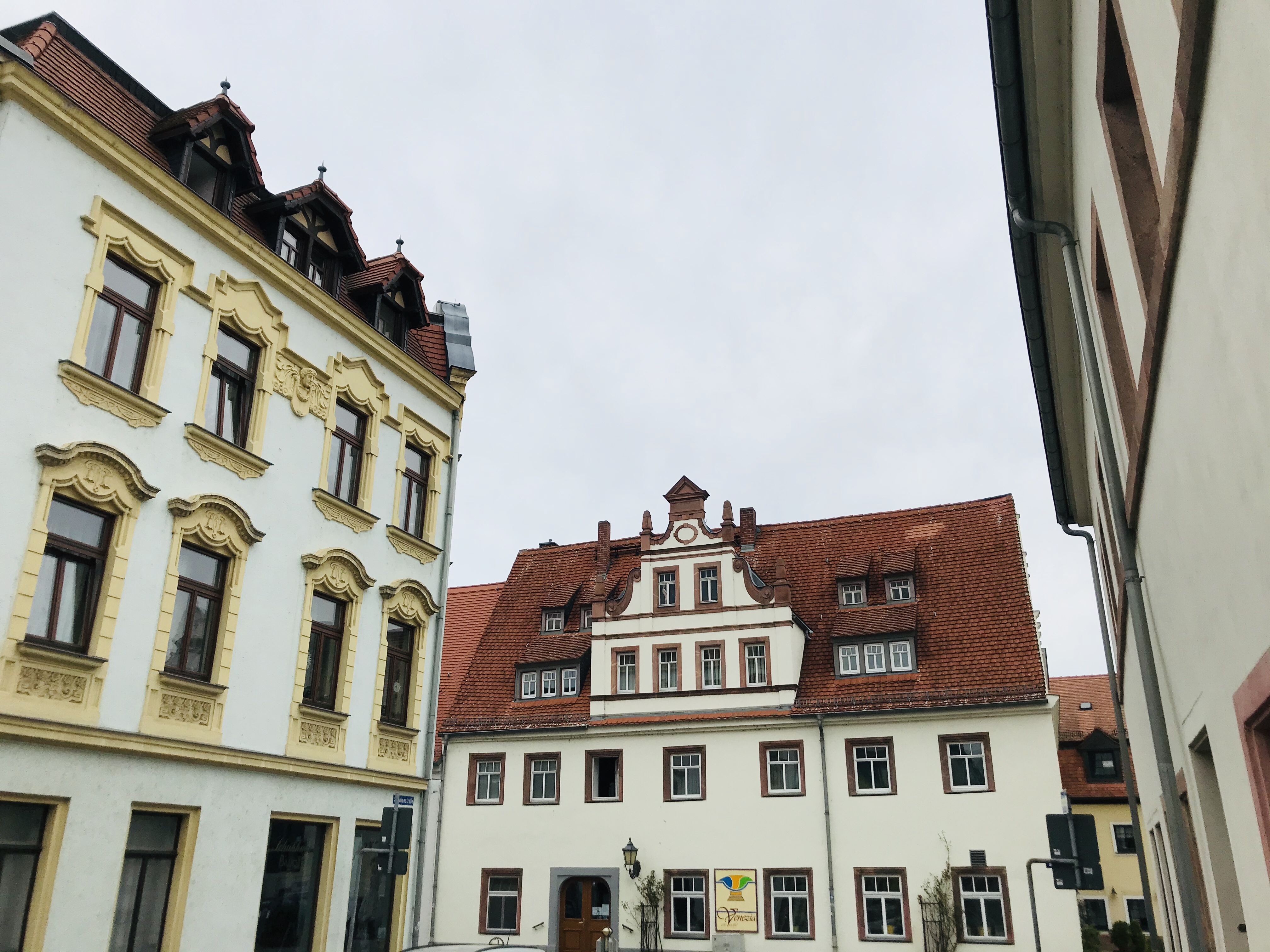
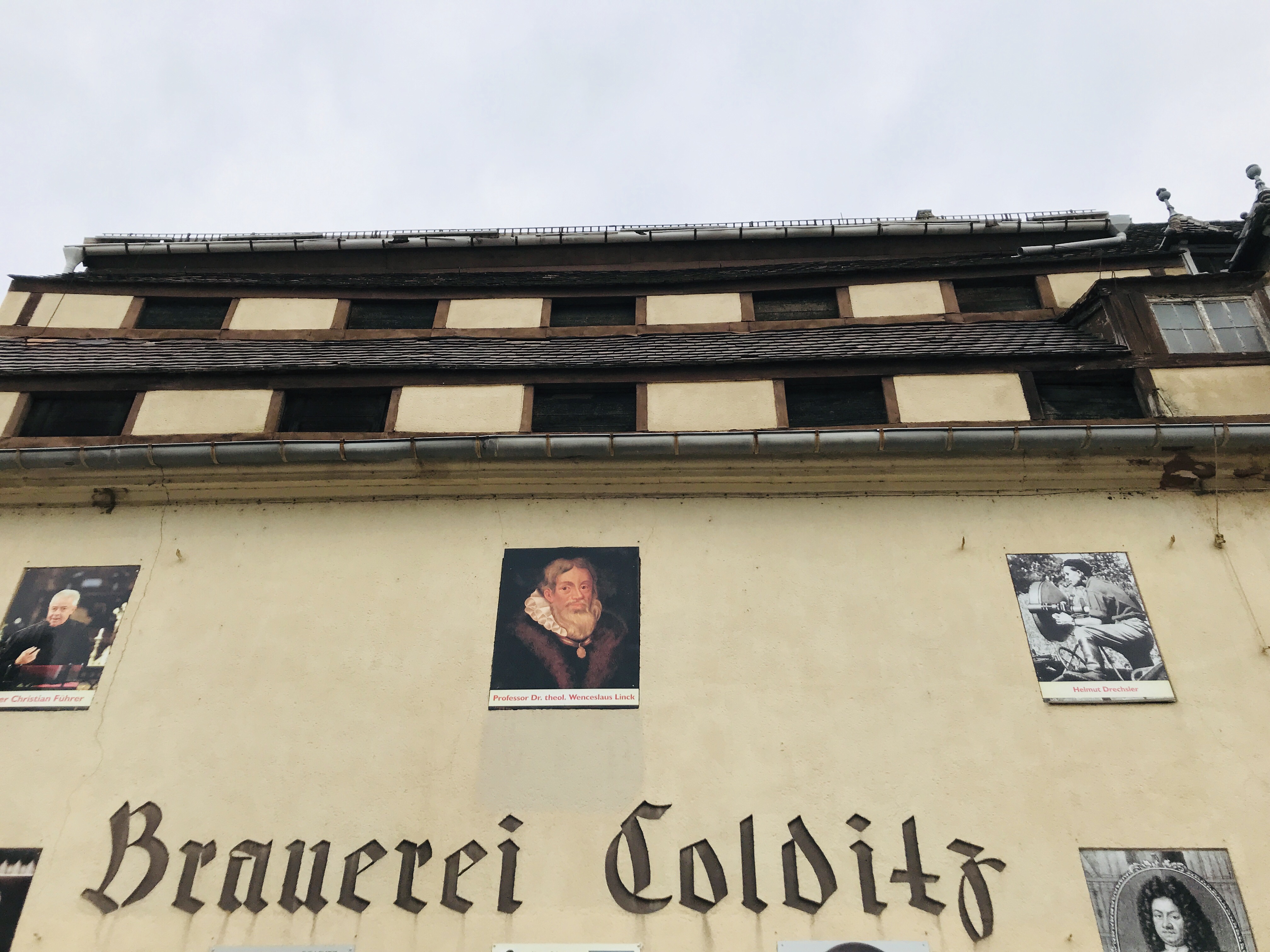
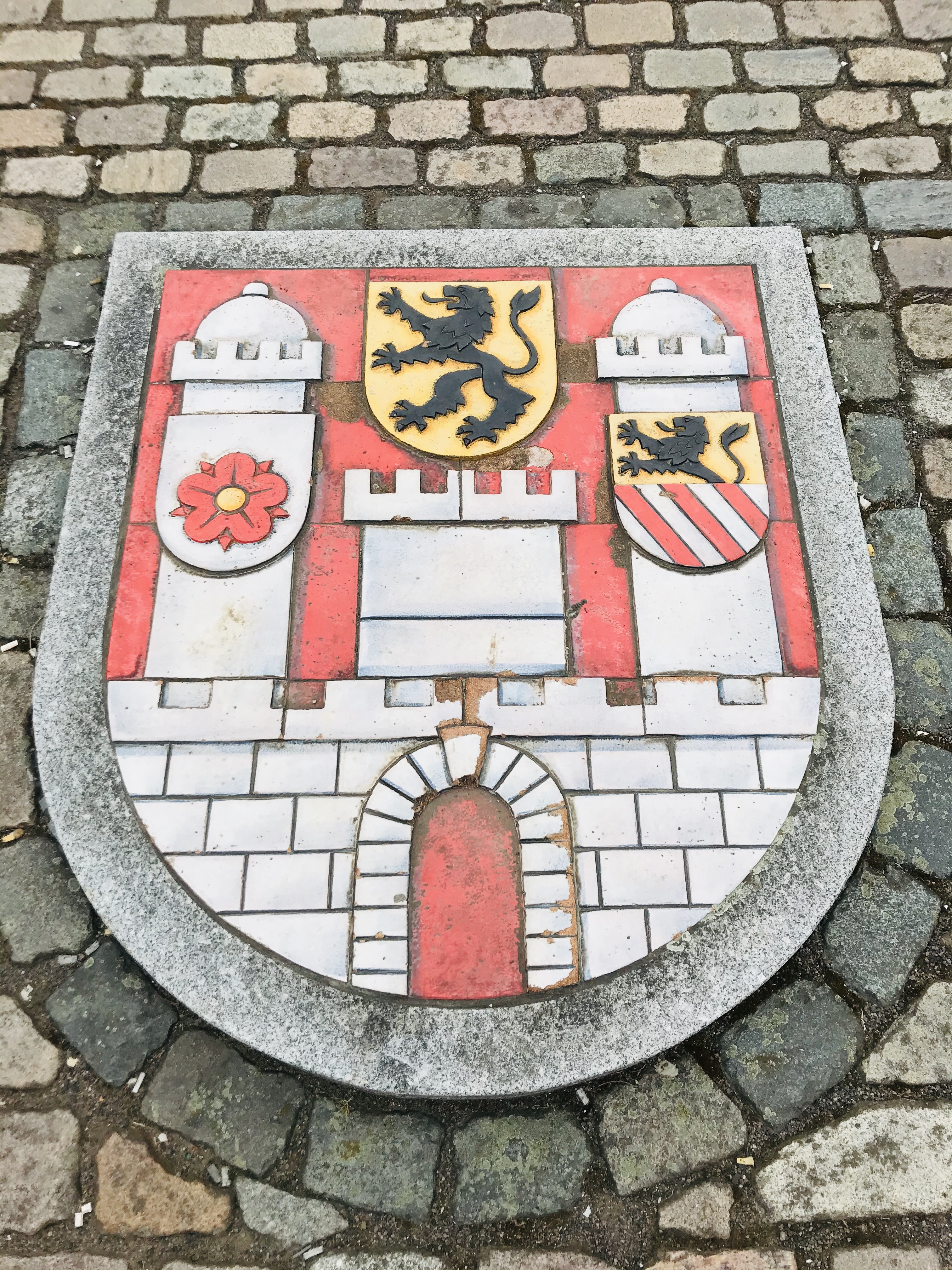
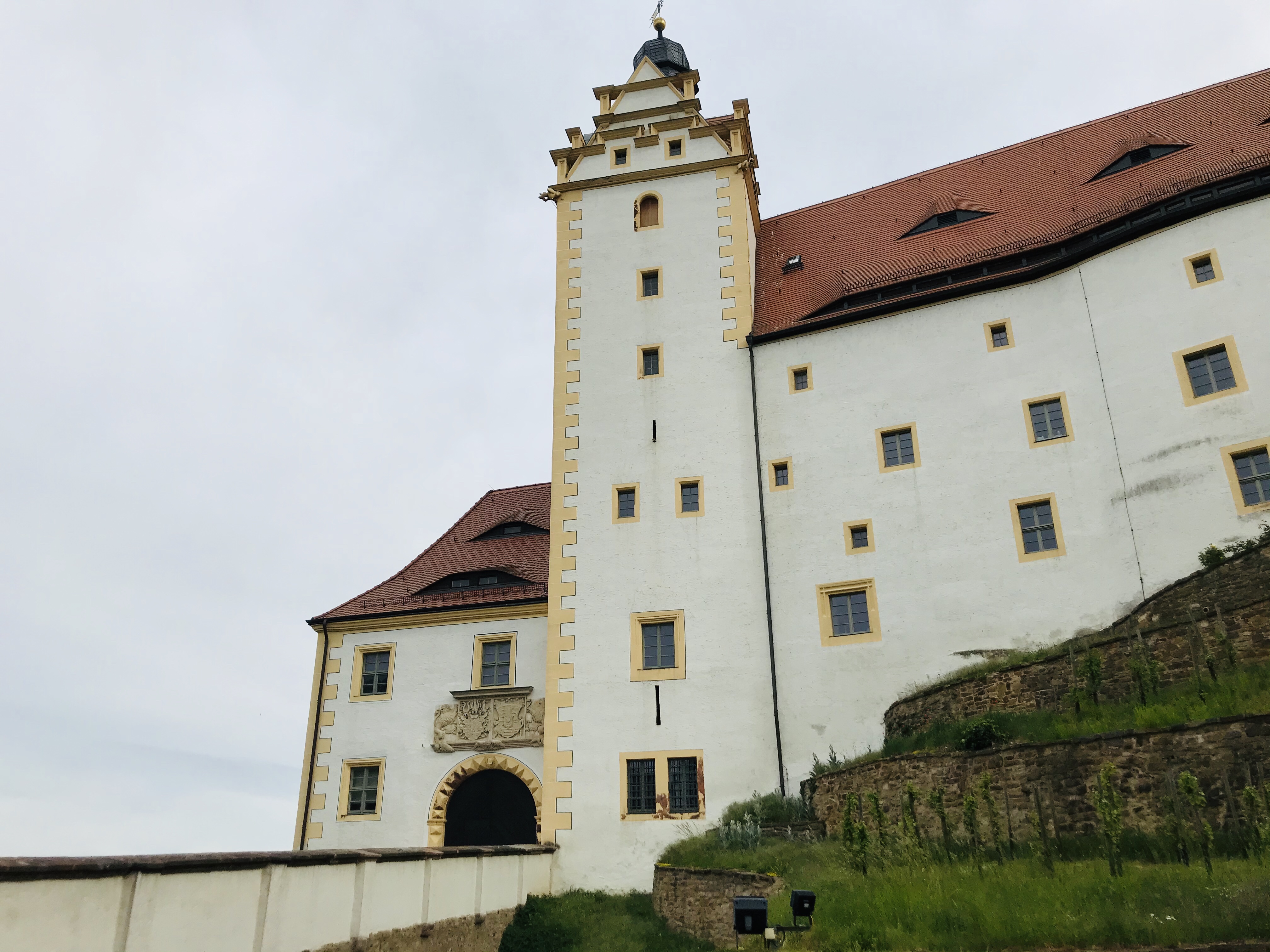
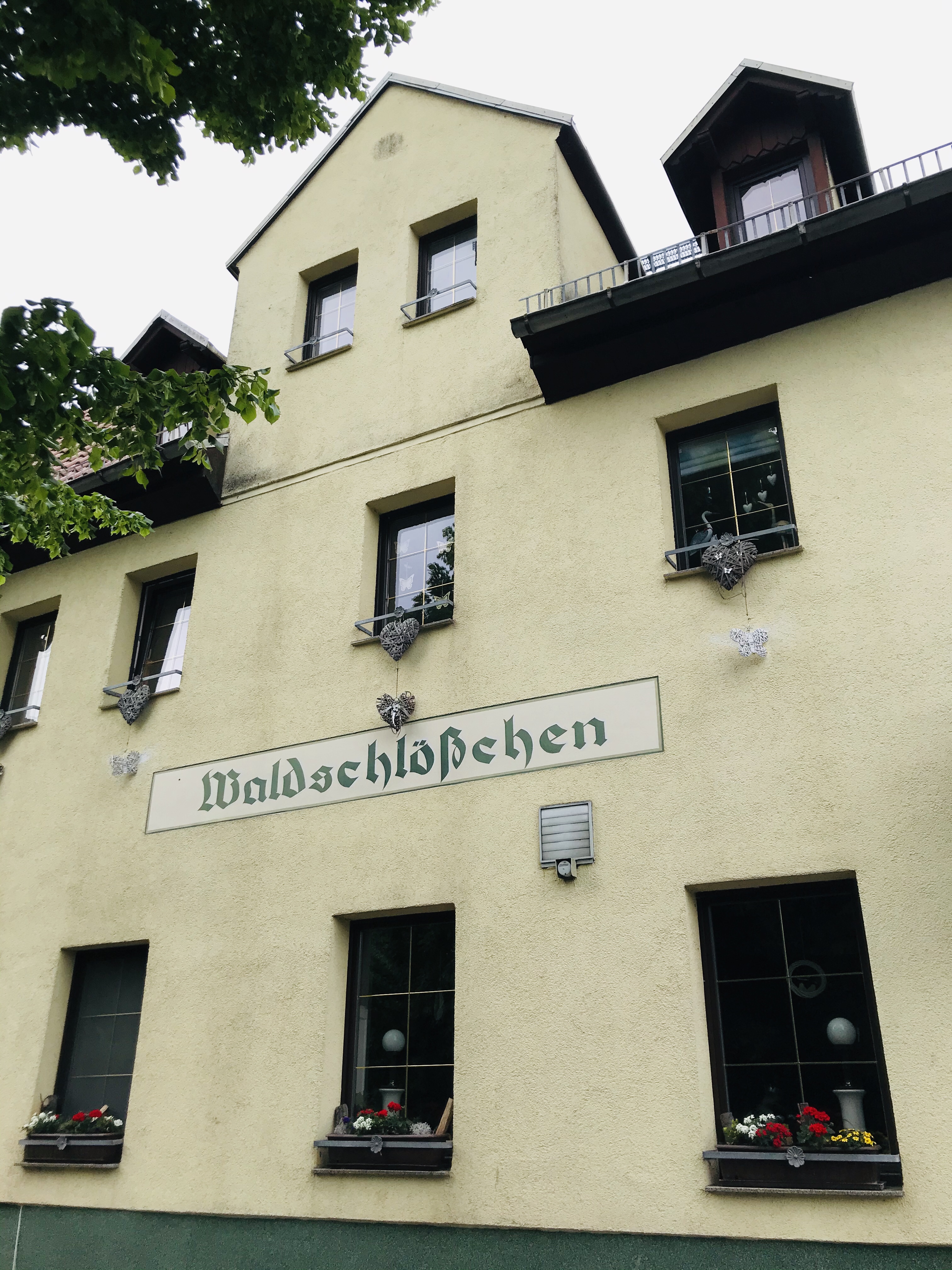
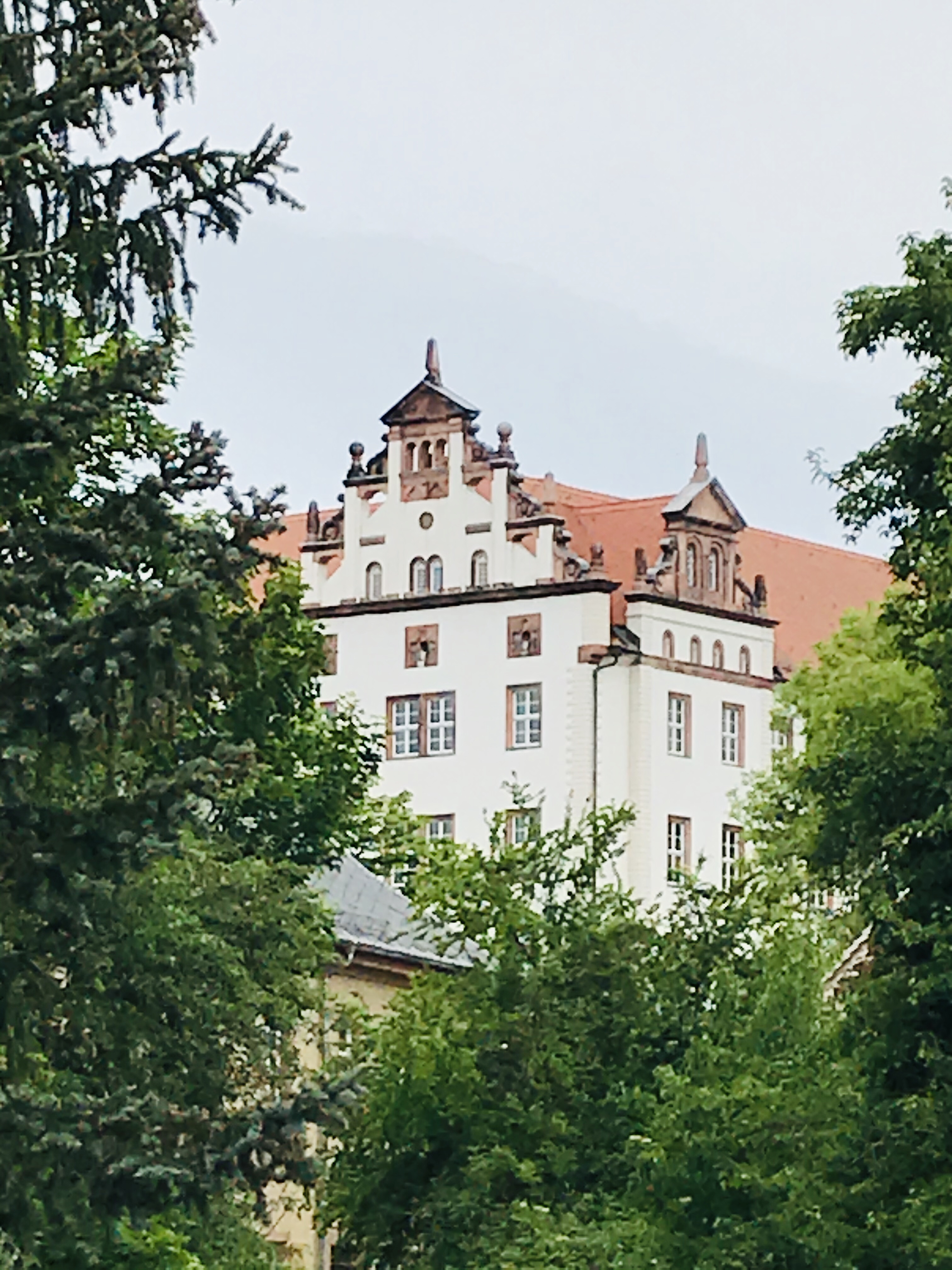
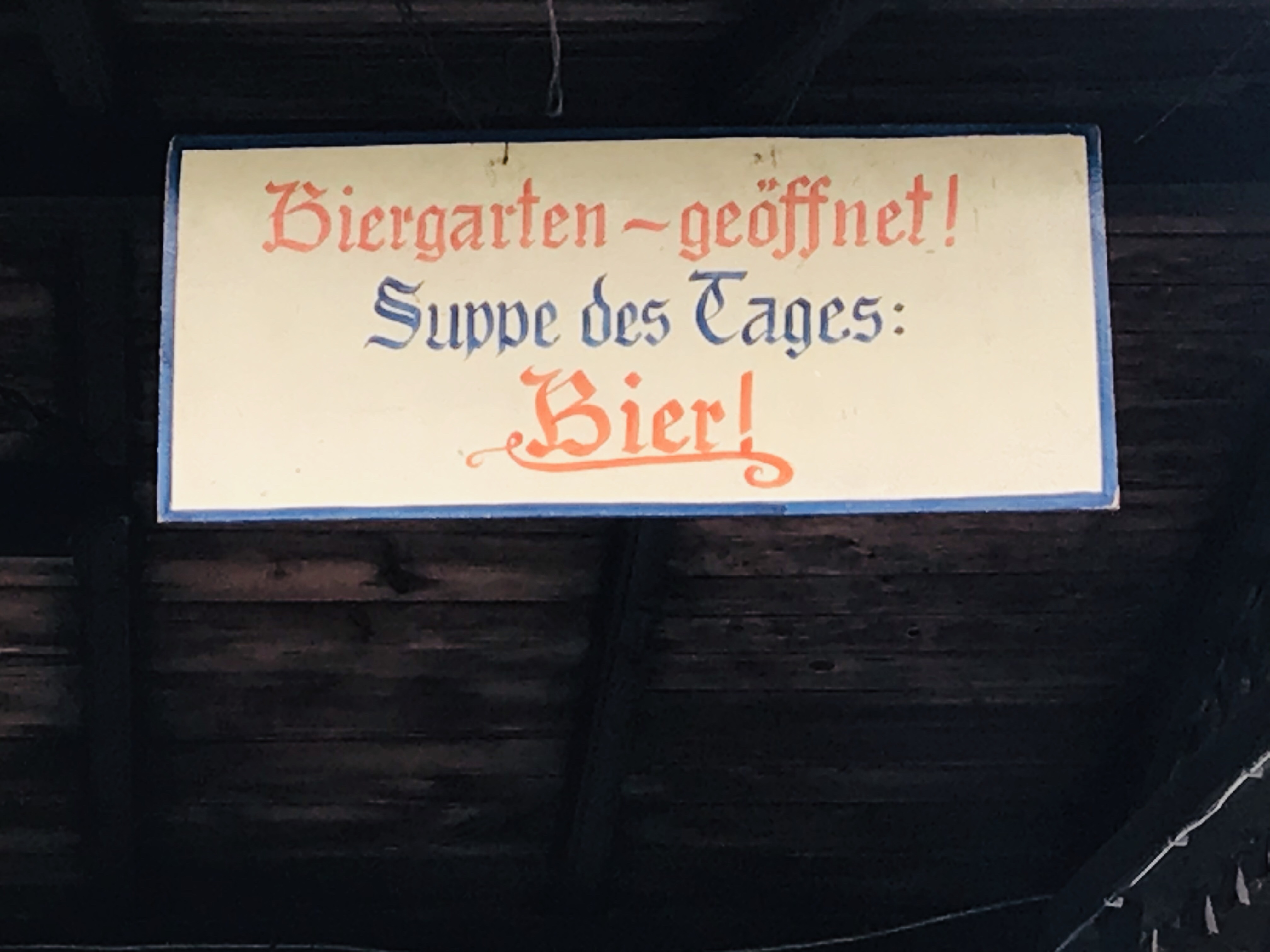
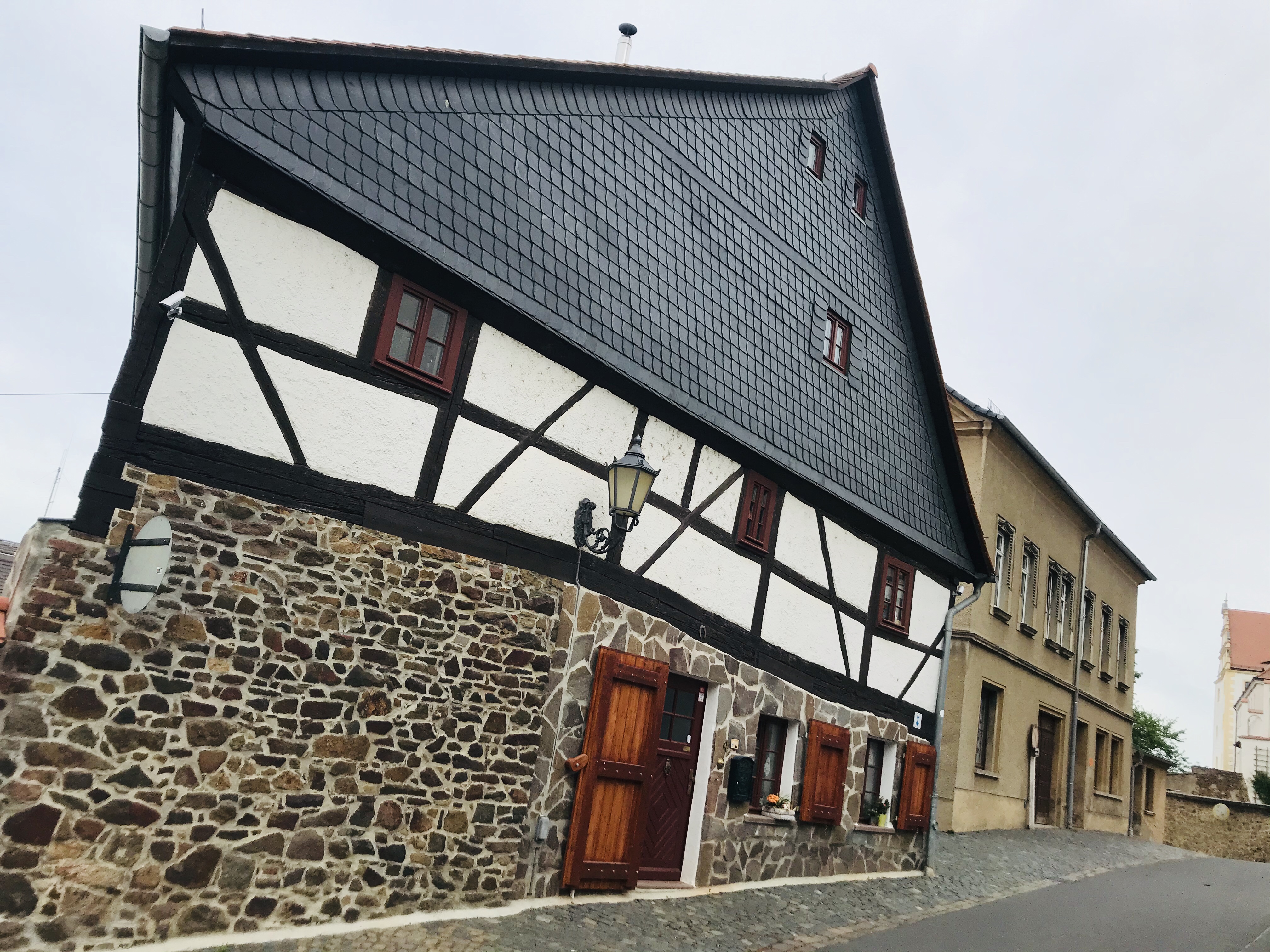
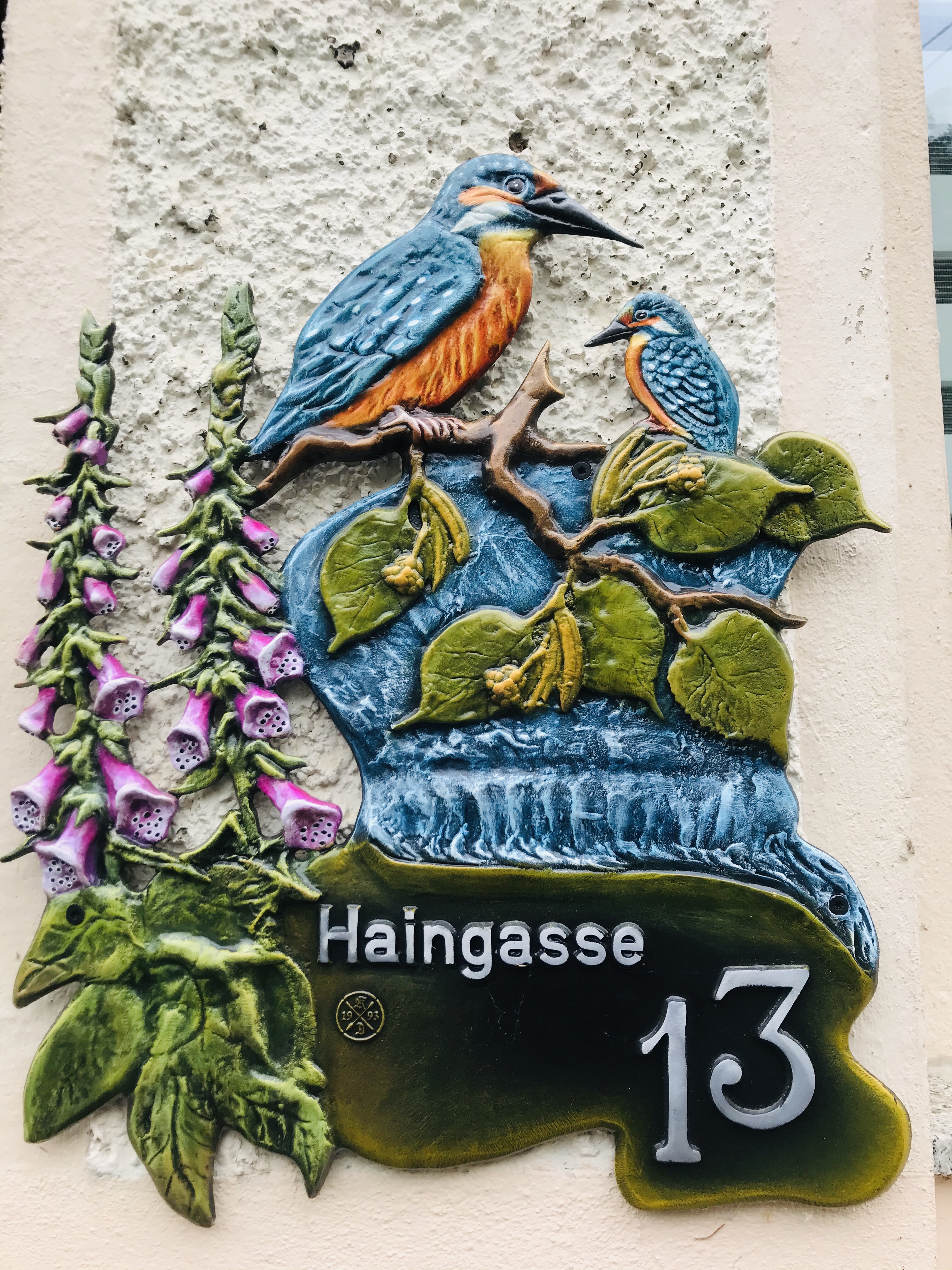
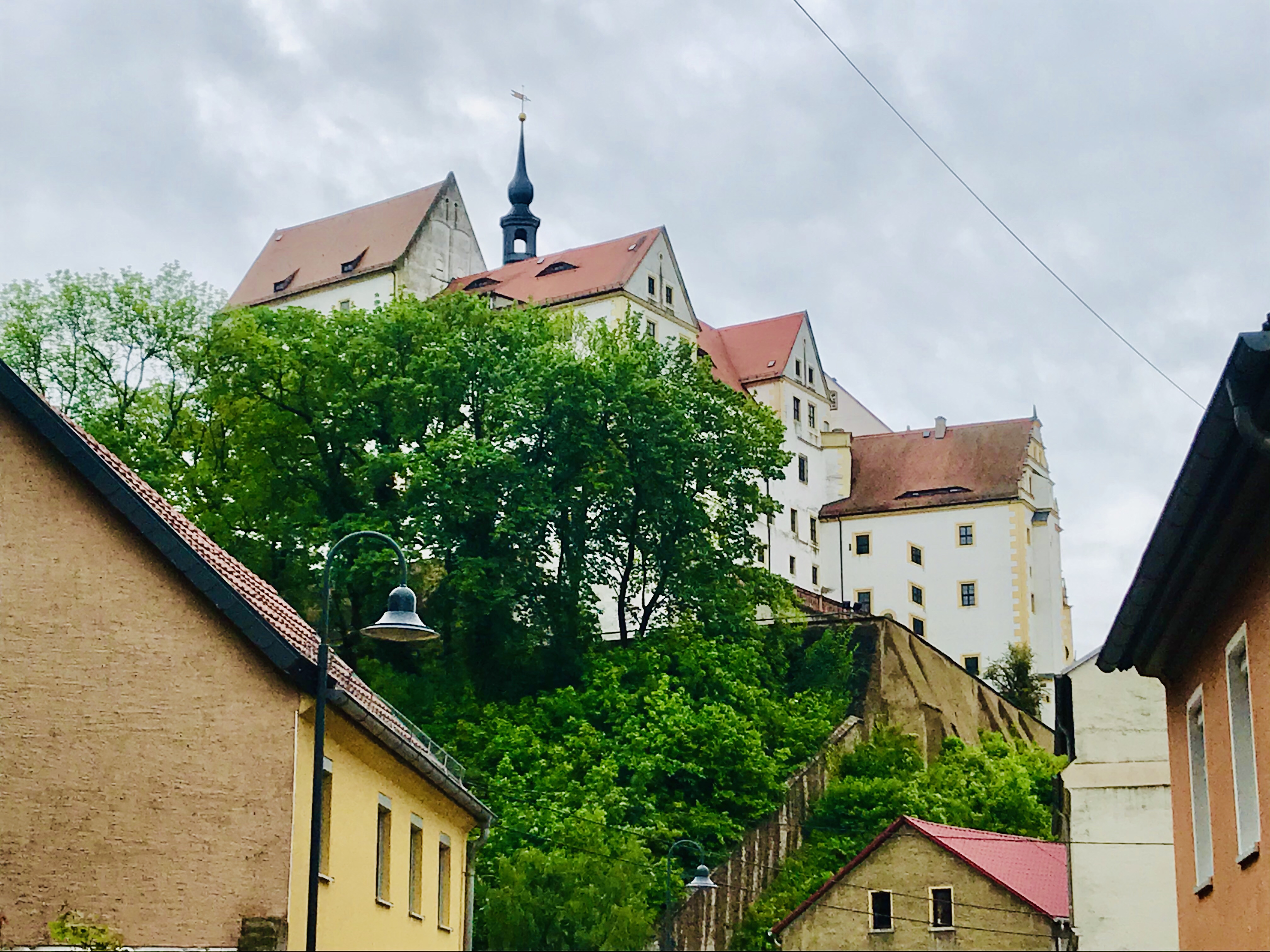
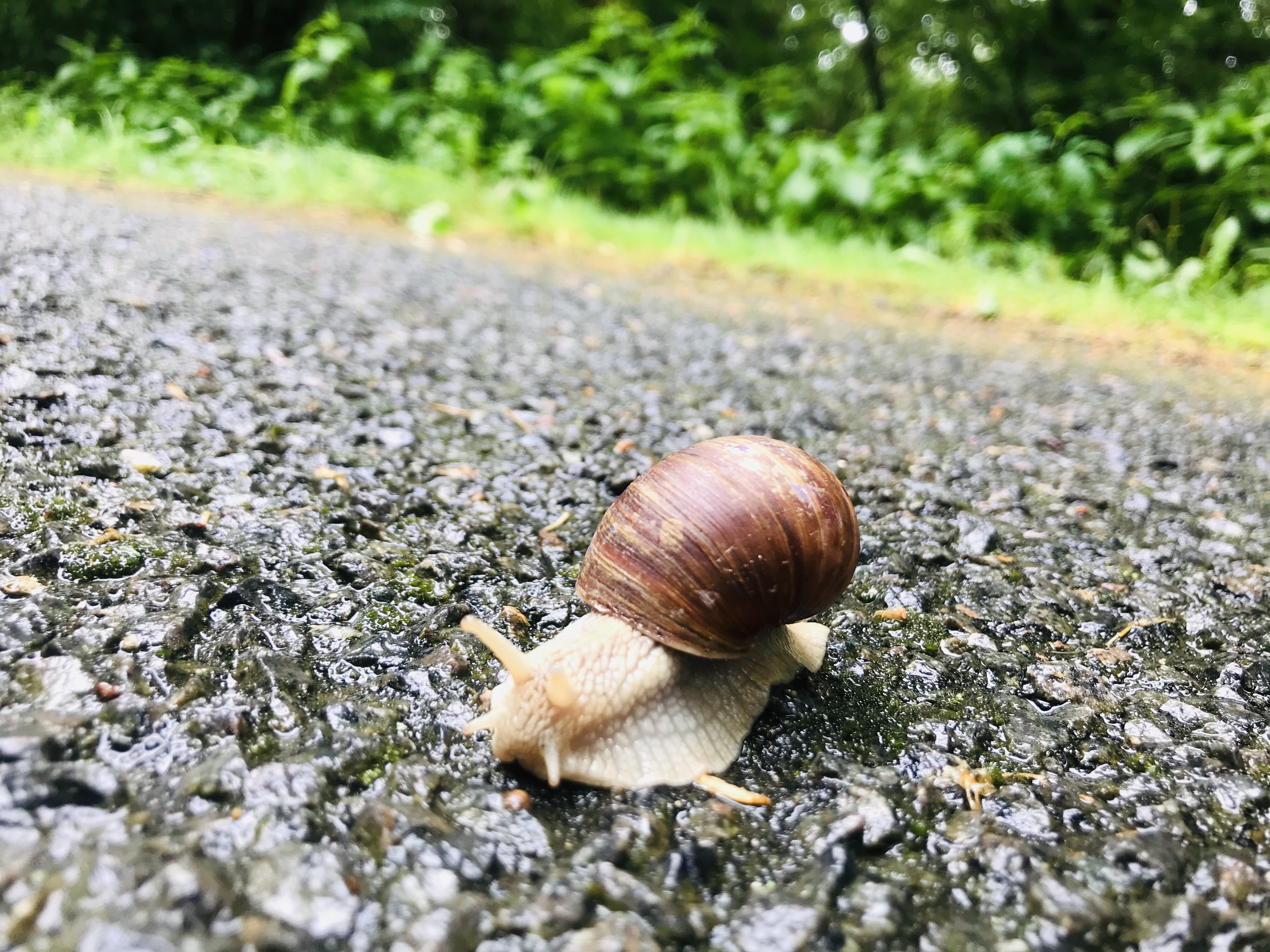
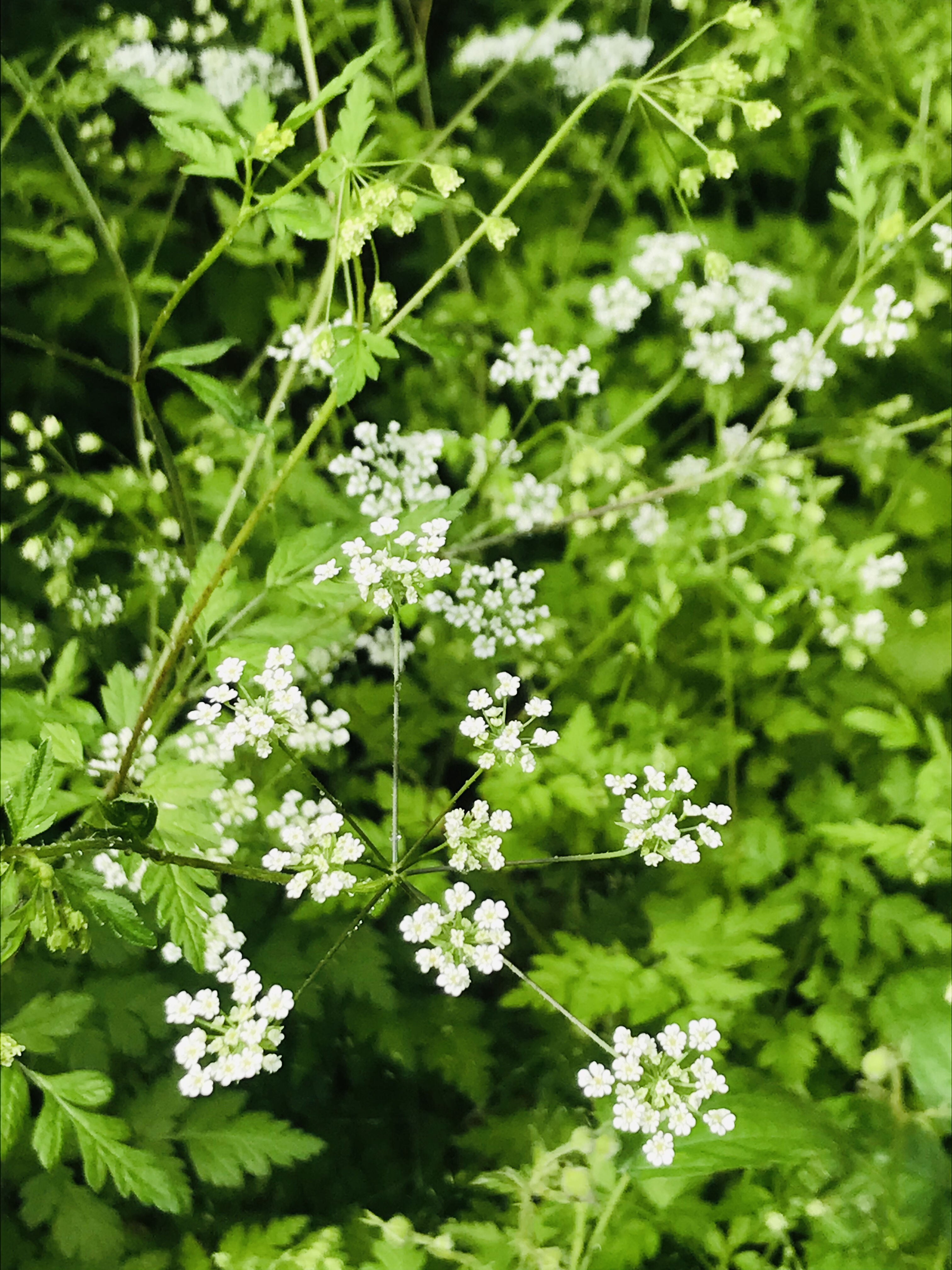
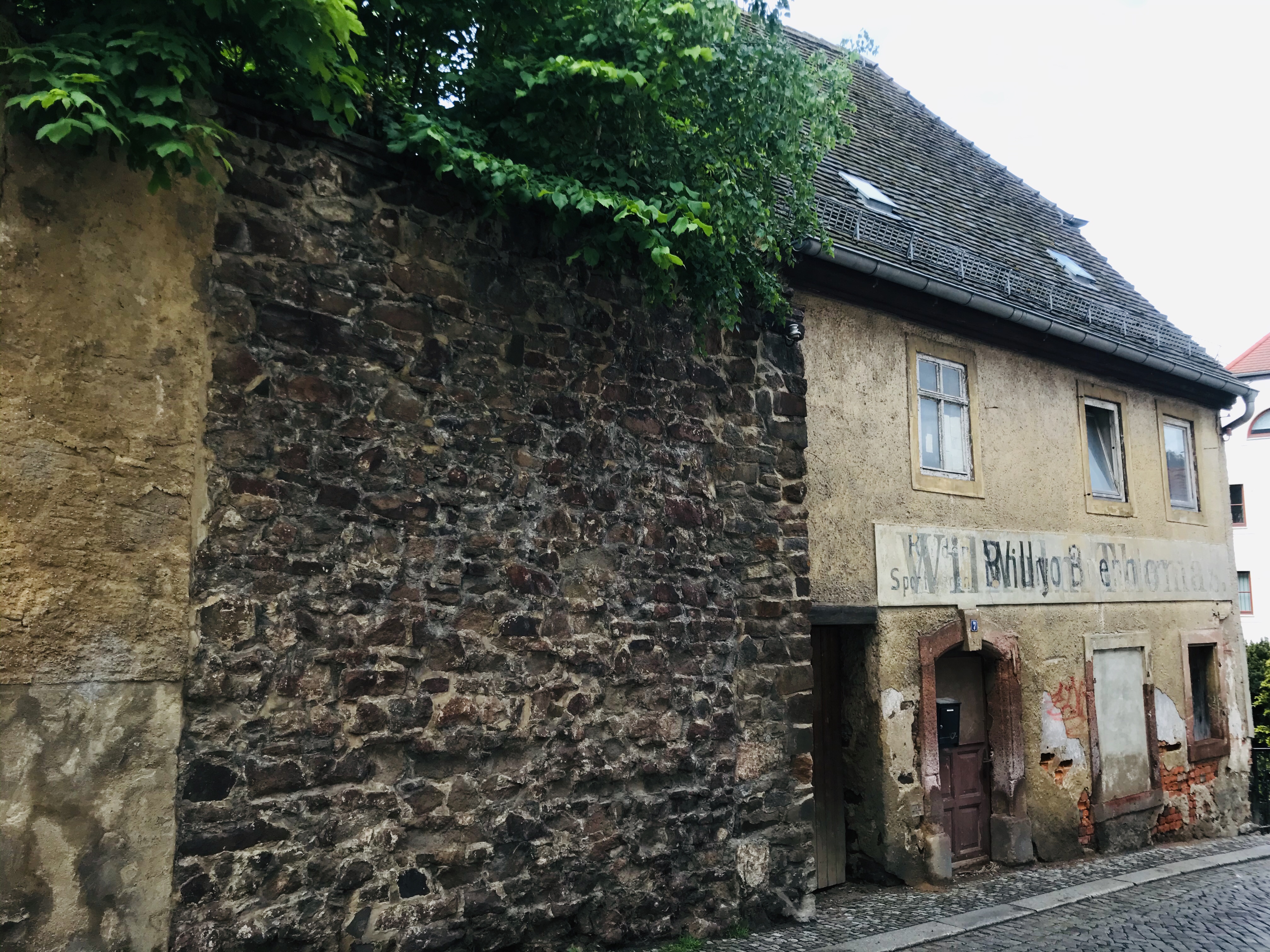
{Photos from my morning walks in Colditz}
On our way home to Berlin, we stopped by Torgau to visit our fourth and final castle of our road trip. We first had lunch in the town square at the only restaurant open on a Sunday morning, a steak house. The boys enjoyed juicy burgers while I had fish.
While walking around the market square, the boys were drawn to the fountain with many statues along its perimeter.
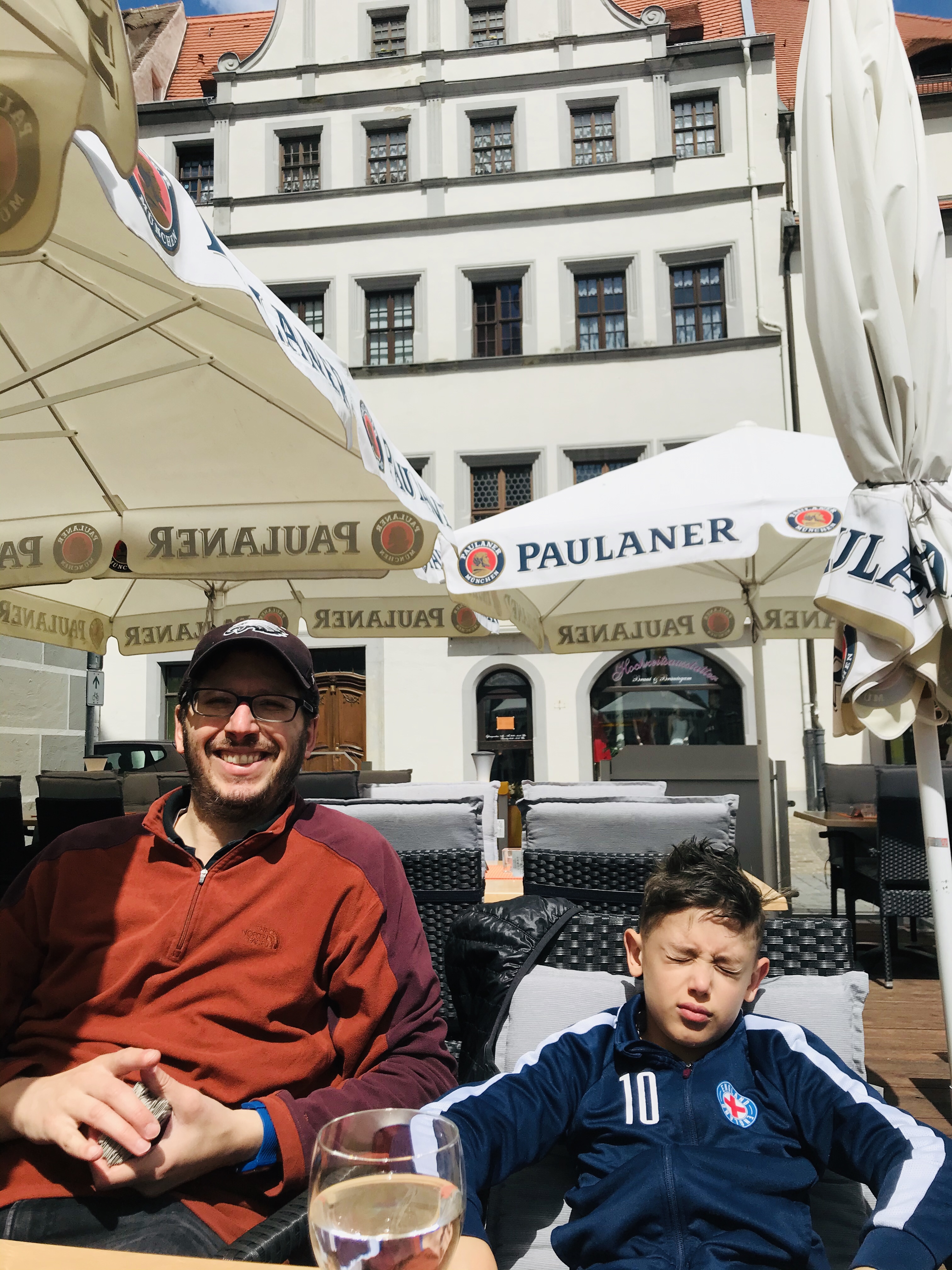
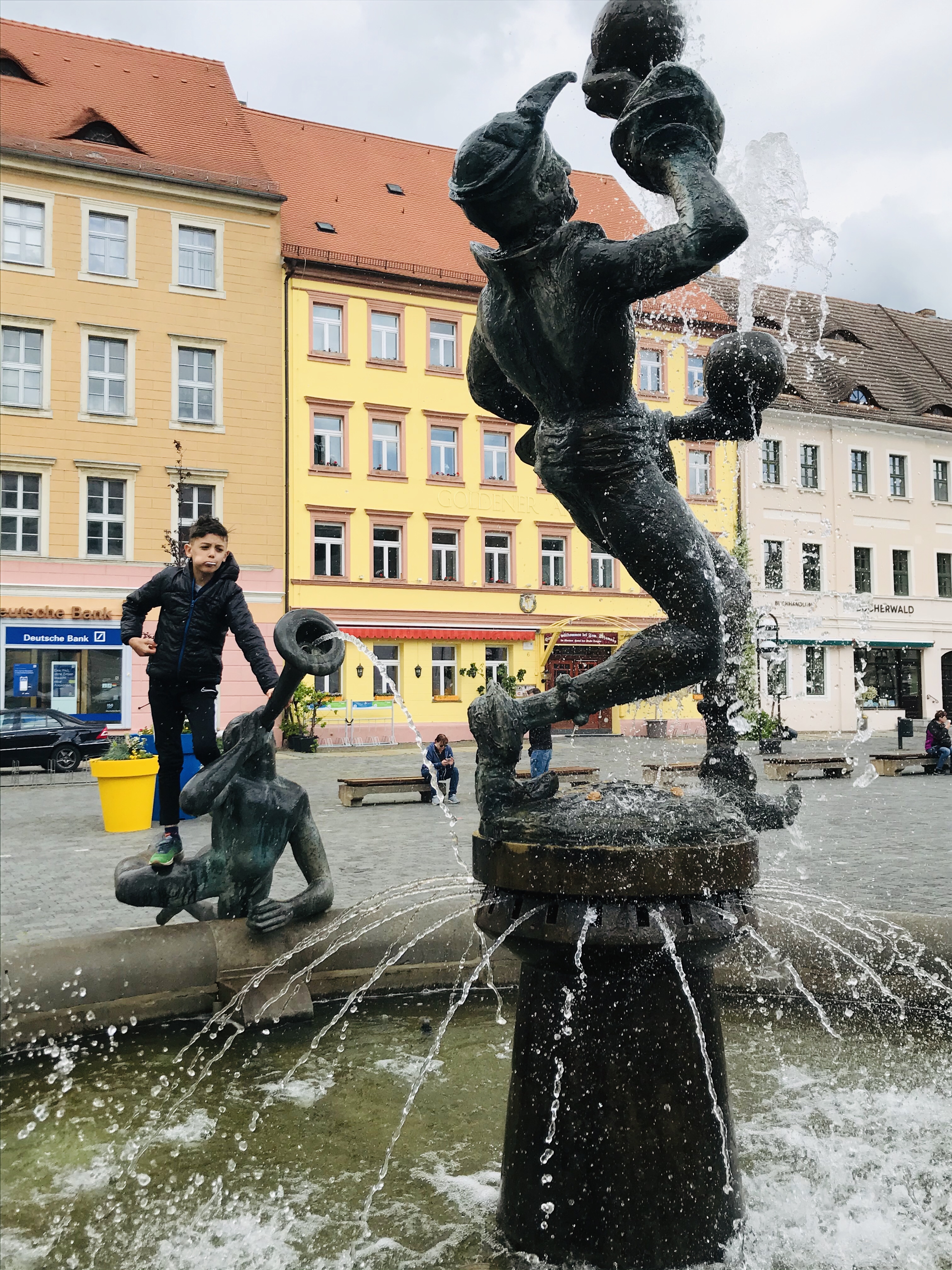
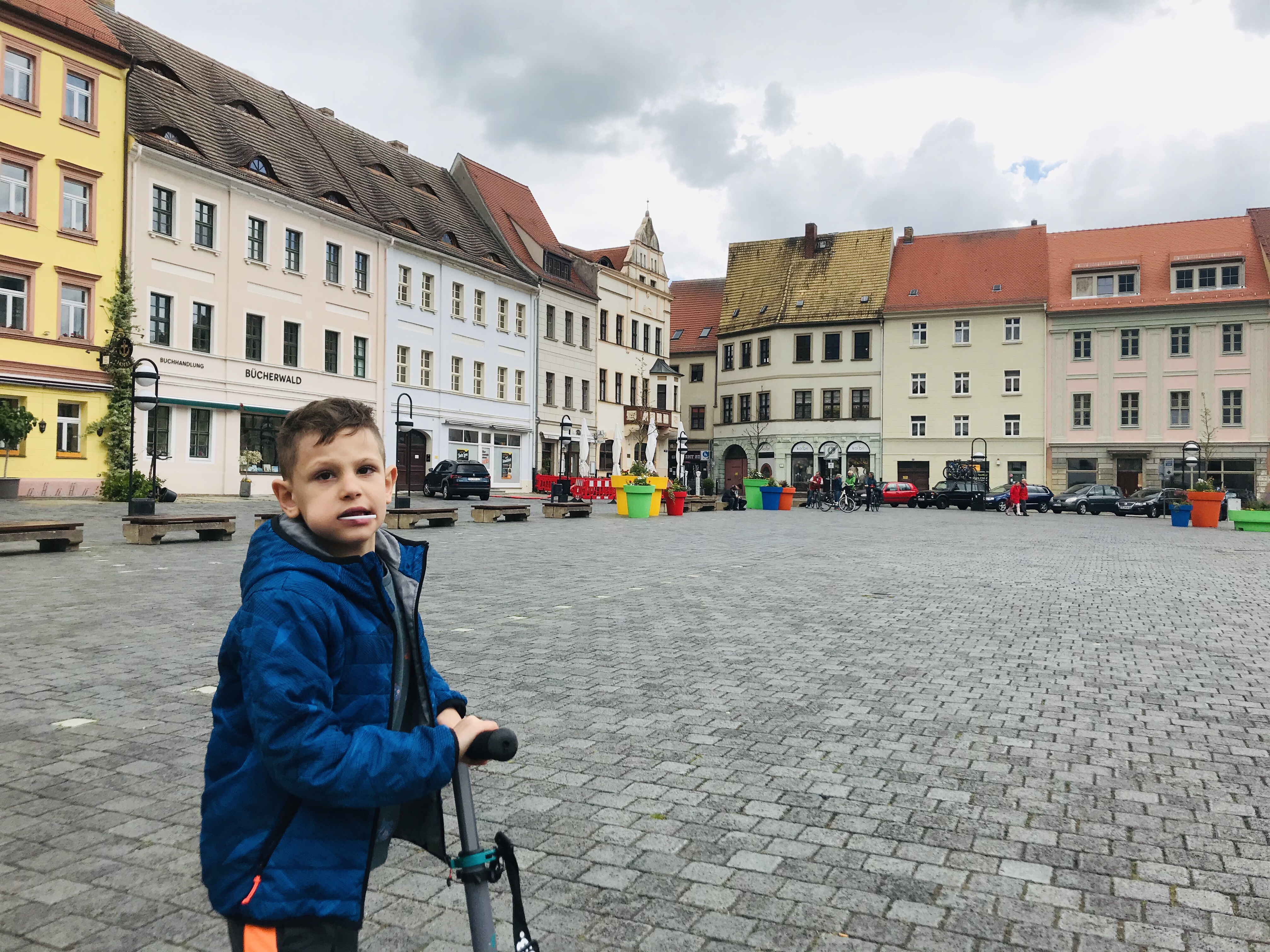
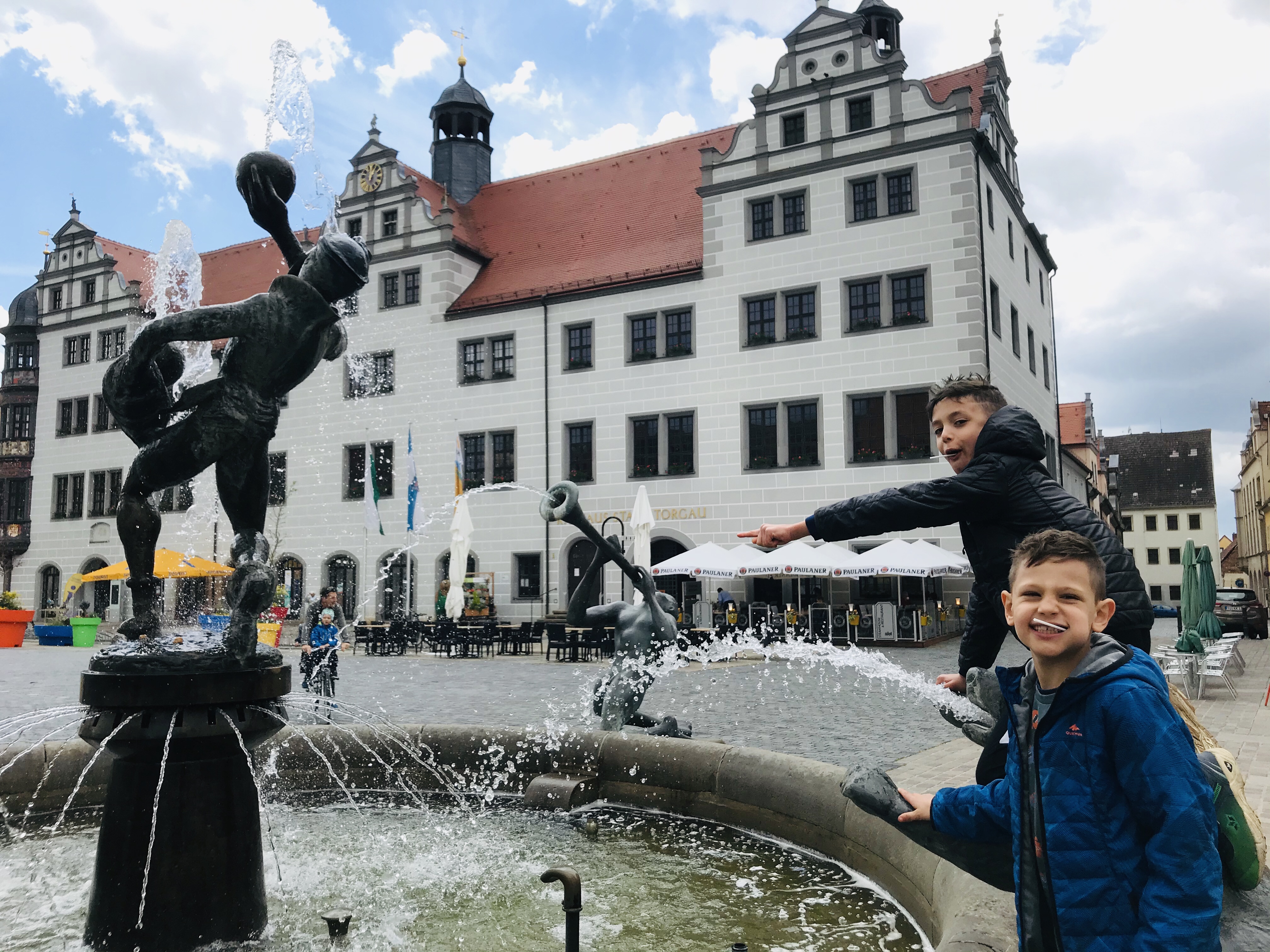
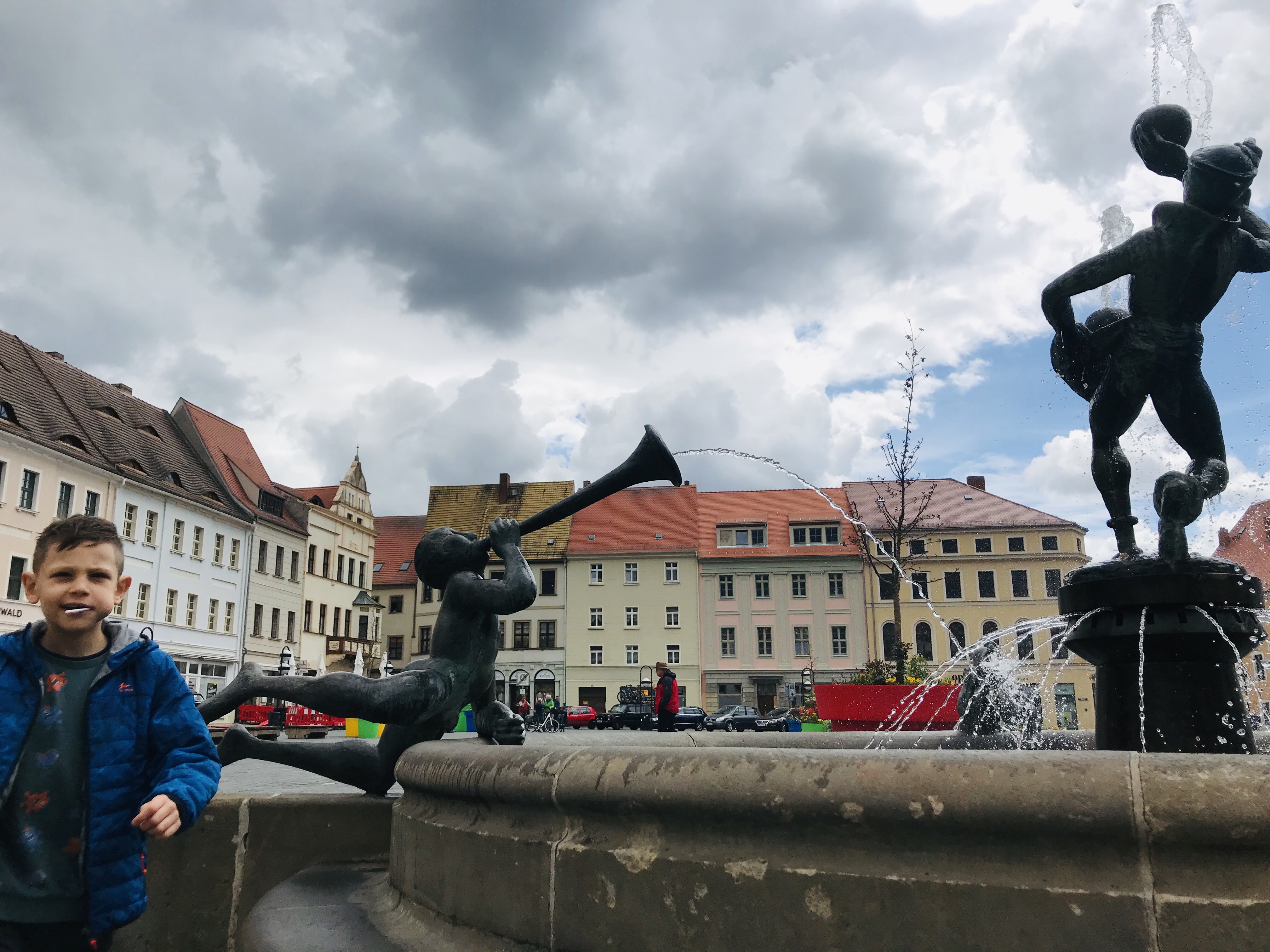
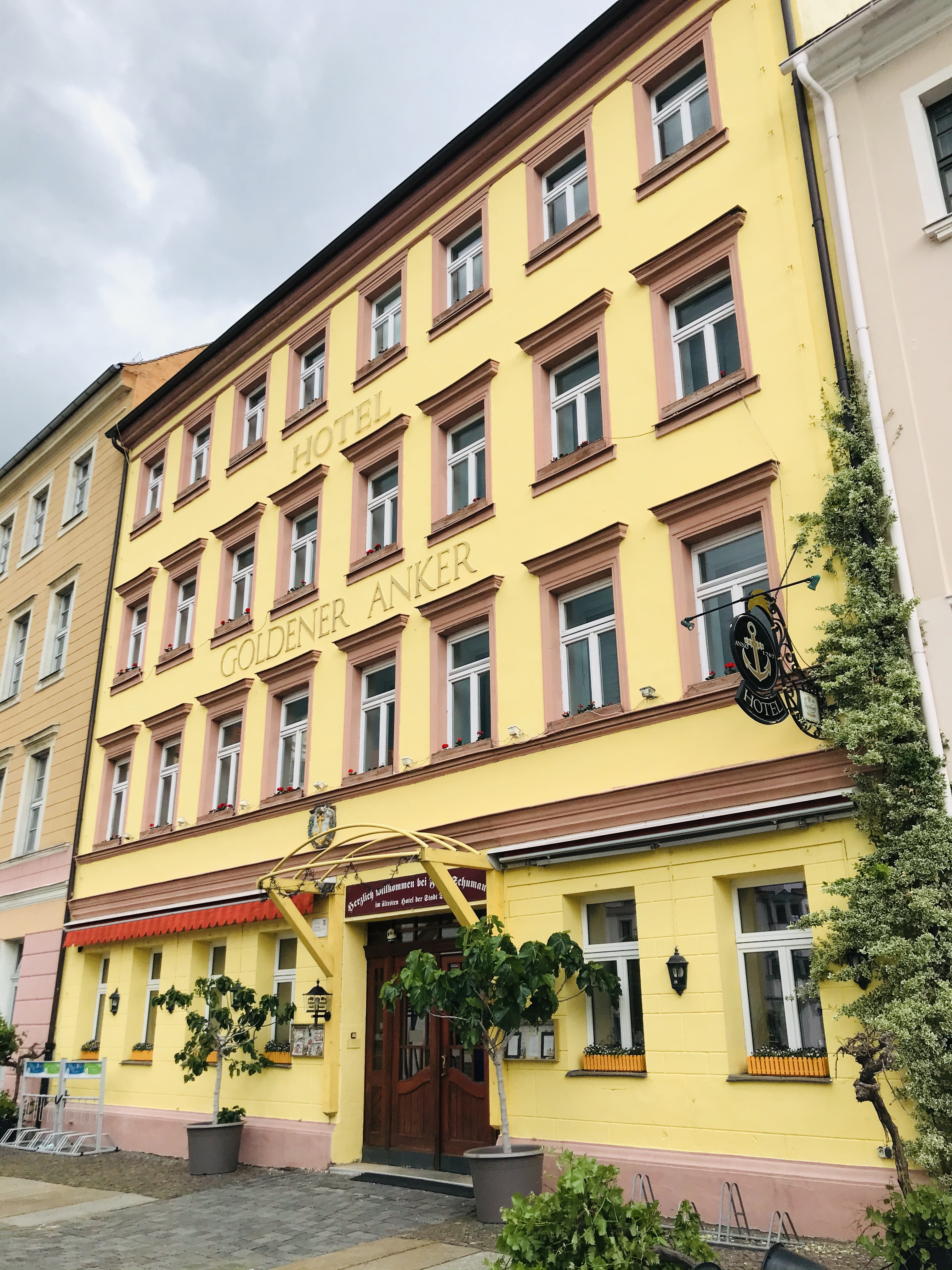
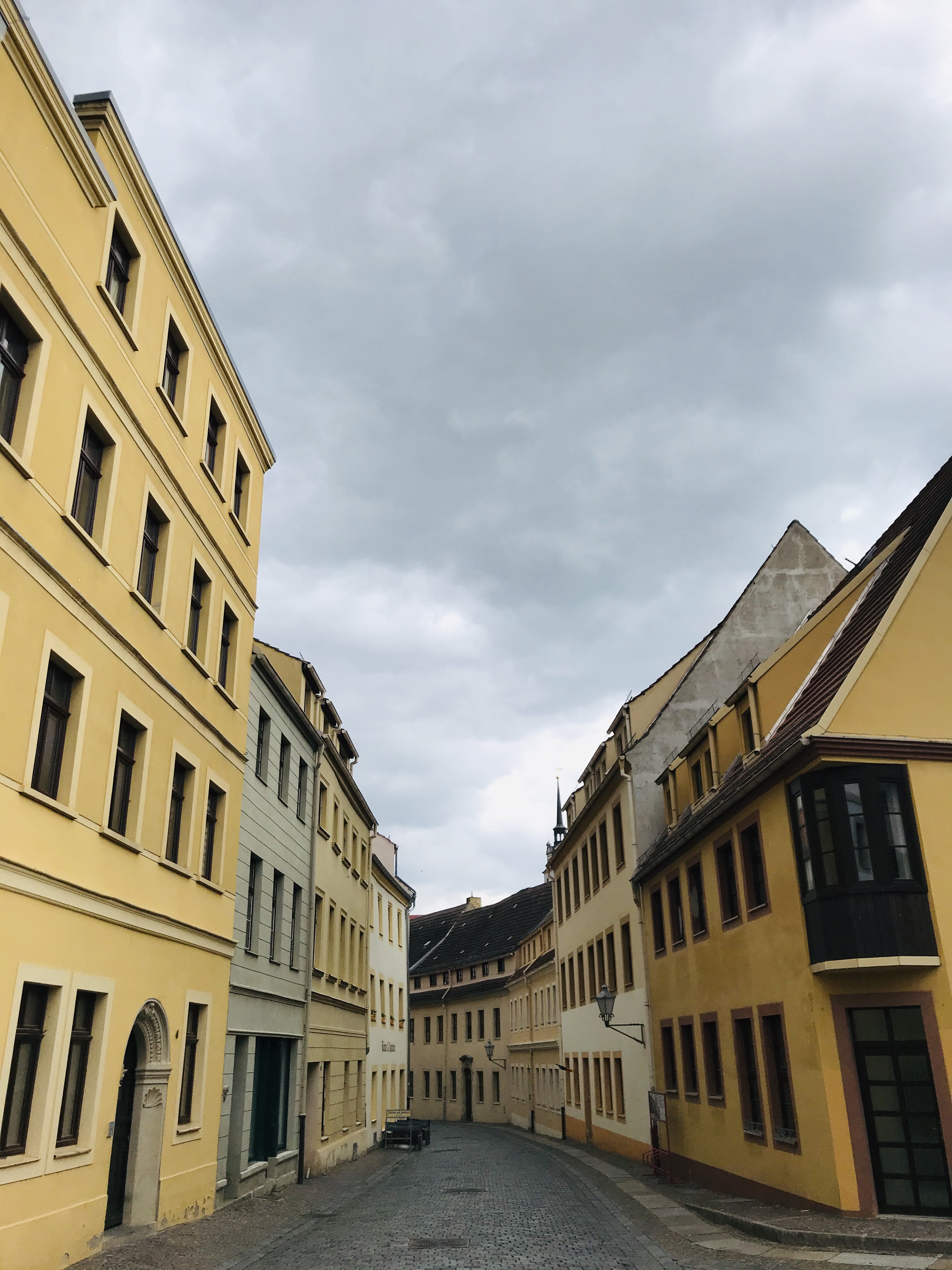
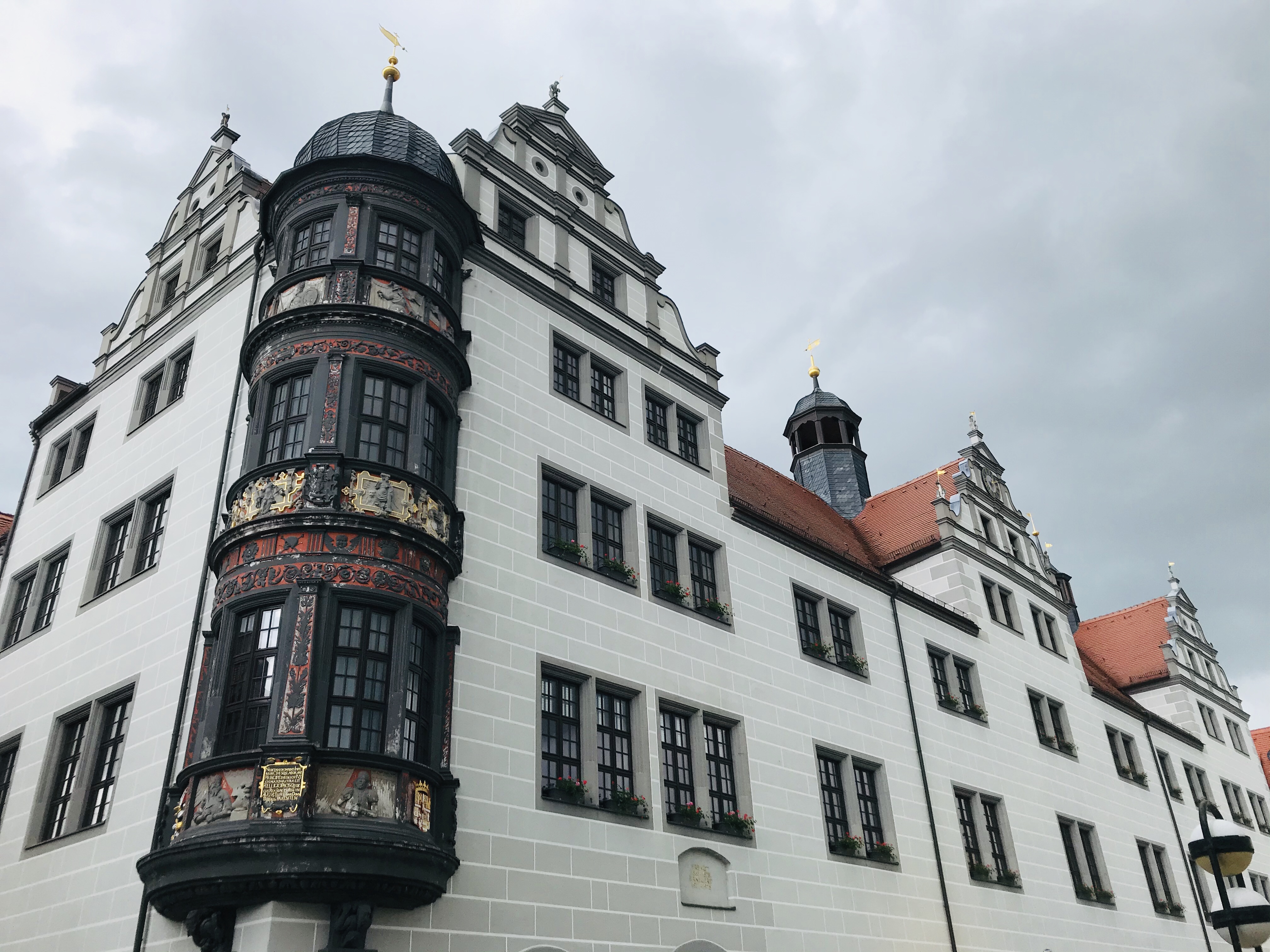
{Beautiful market square in Torgau}
We then made our way to the castle through the rain.
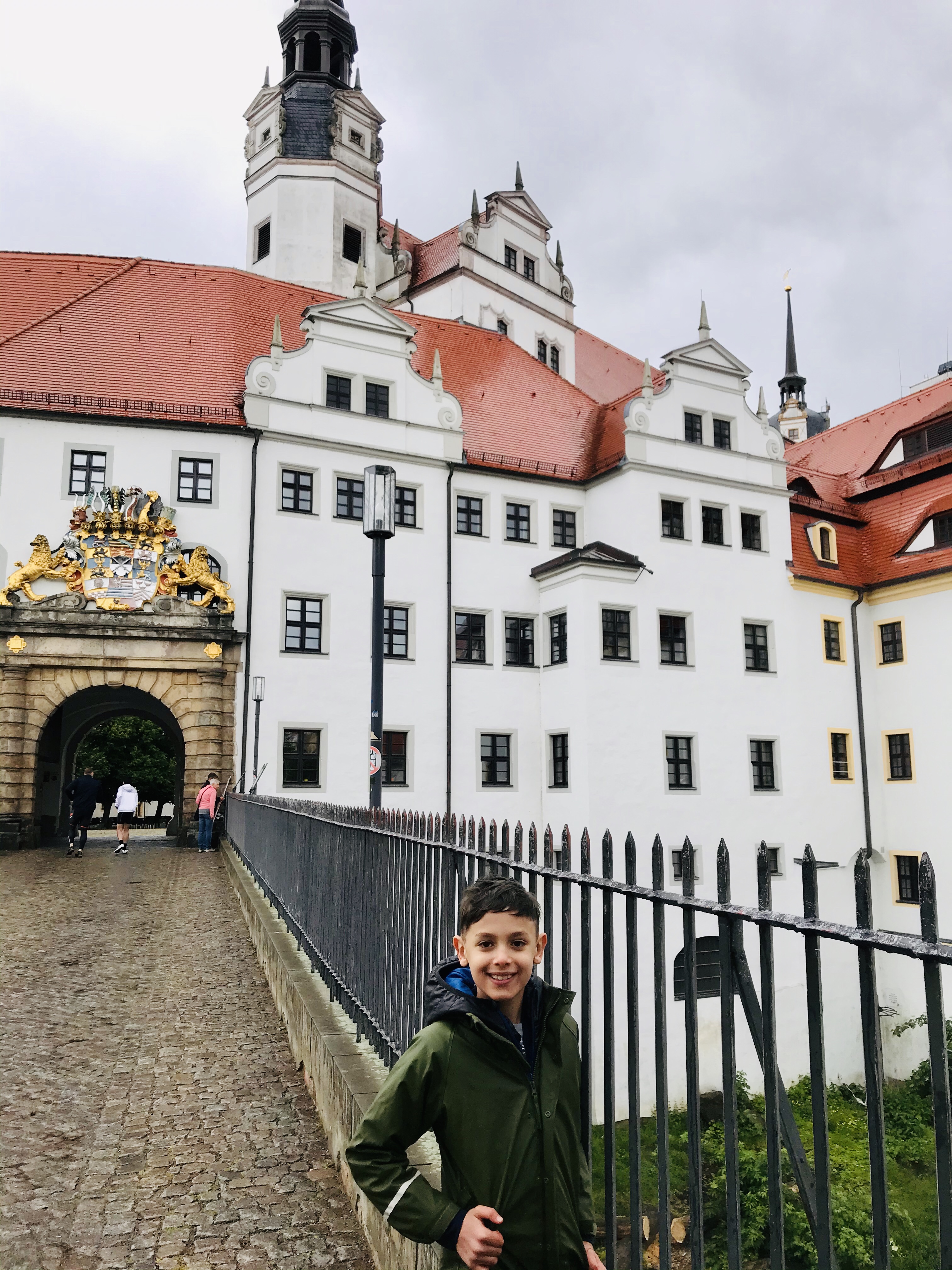
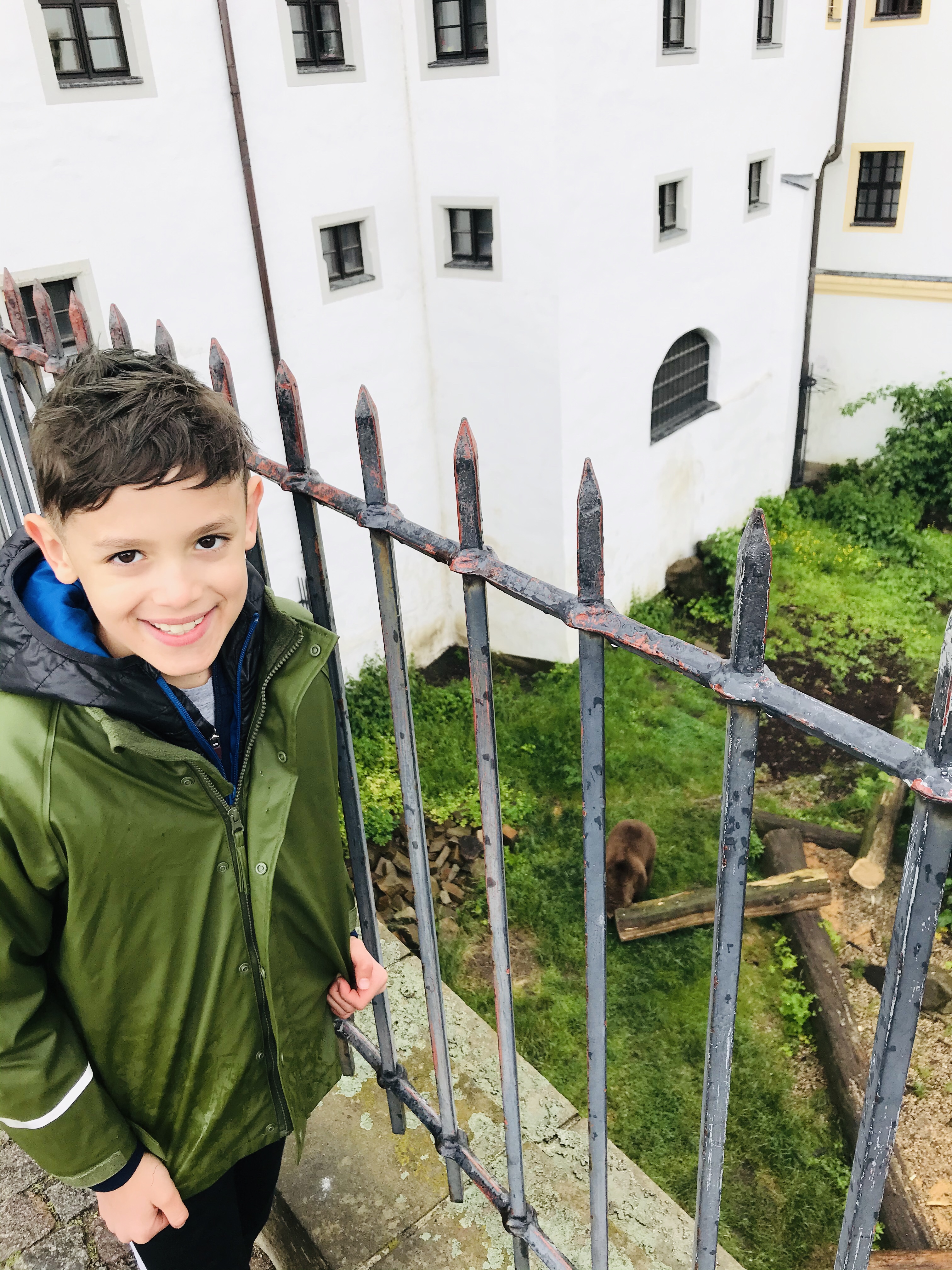
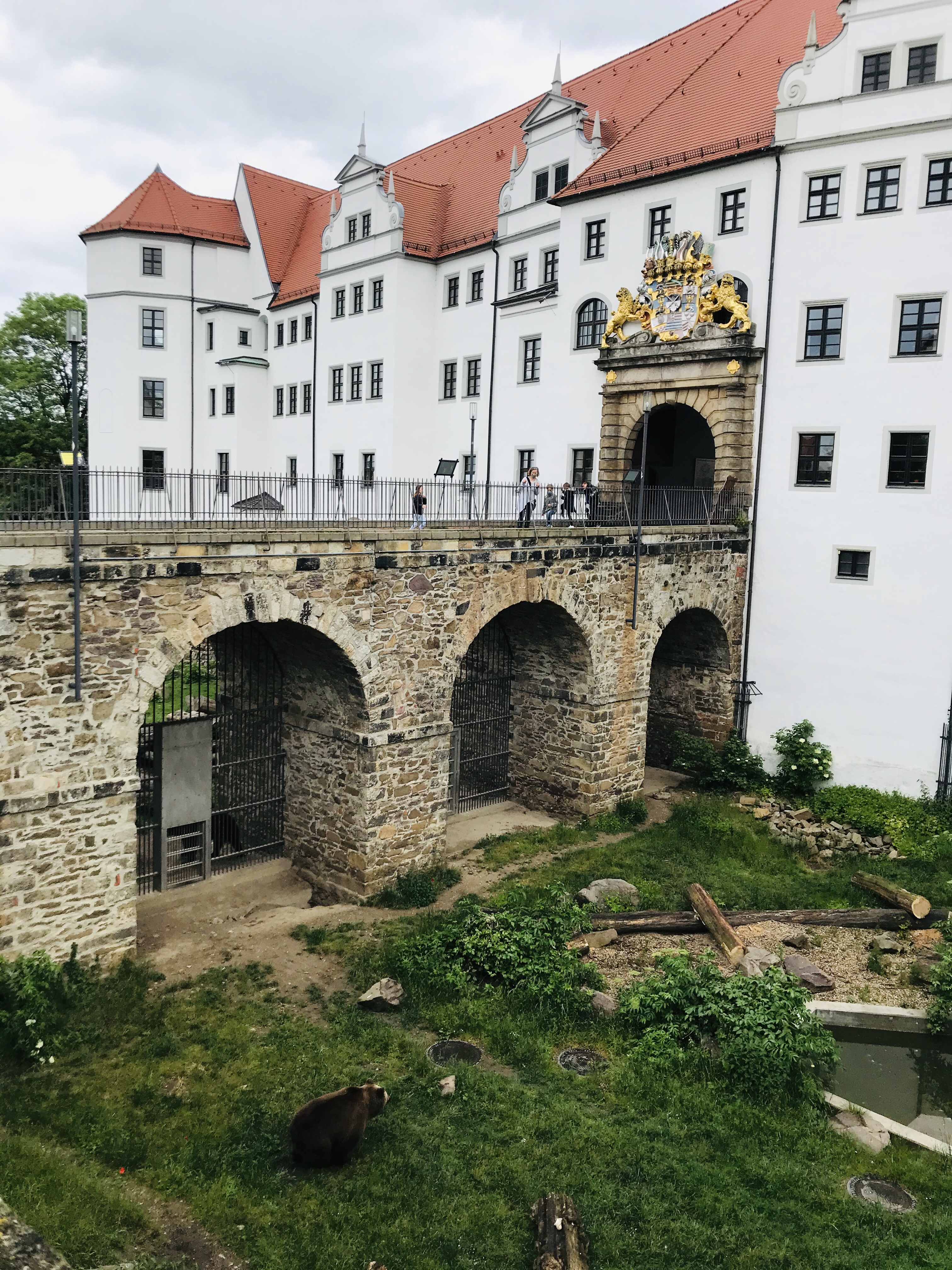
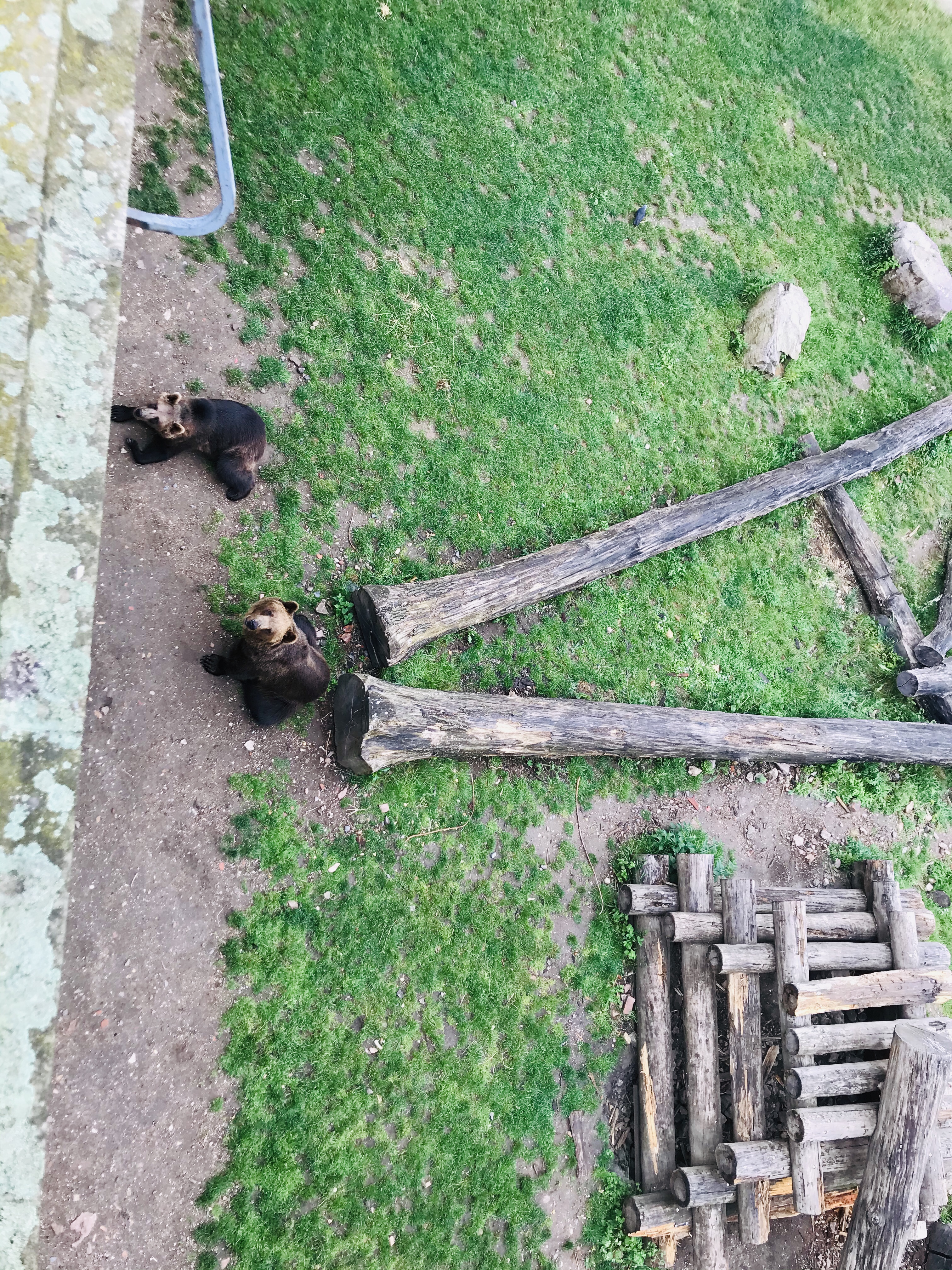
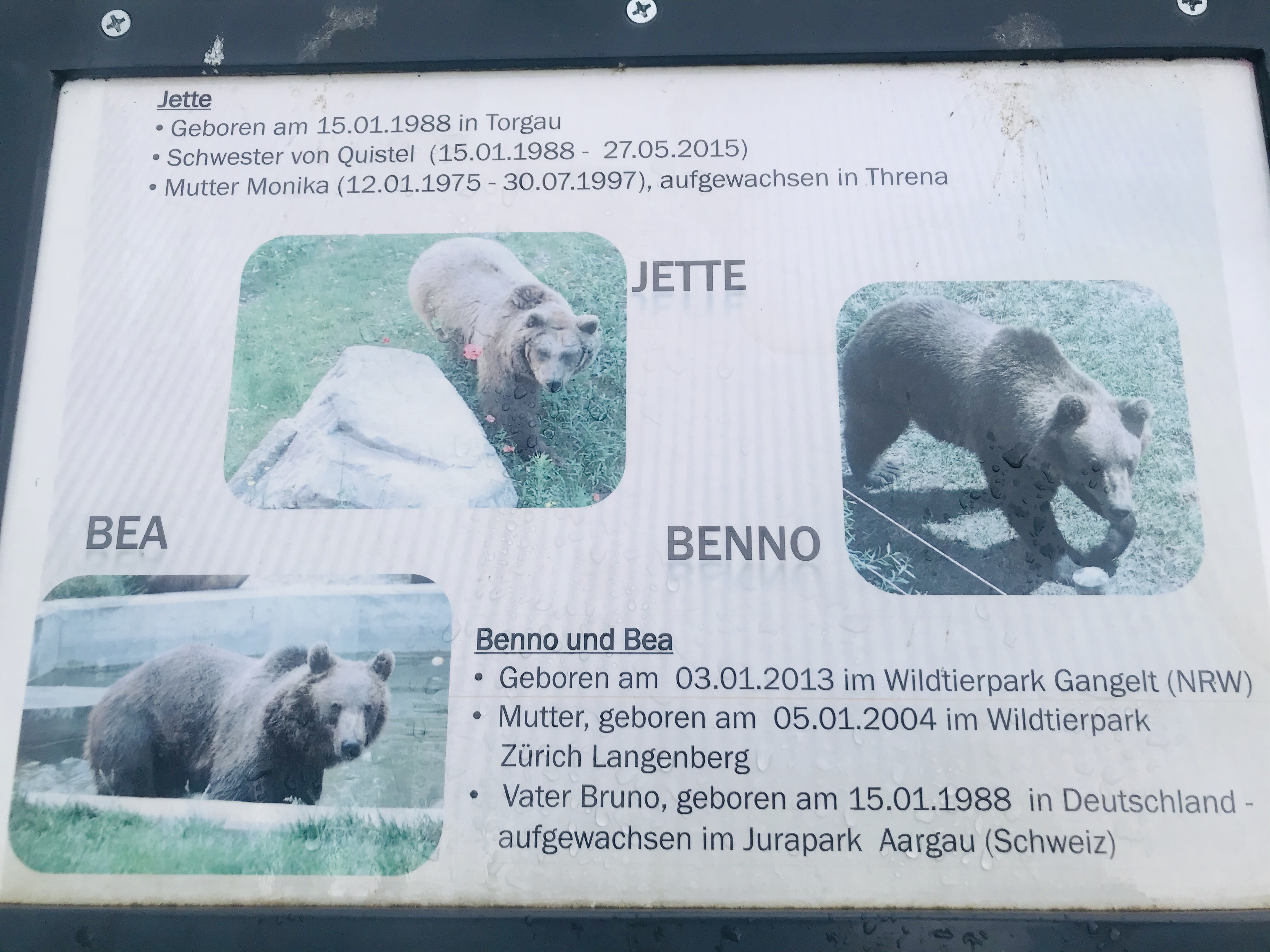
{Bears at the Gates }
The boys were delighted to see three bears in the moat of the castle. Keeping bears in the moat is an old tradition. A bear was caught for this purpose as early as 1425. The feudal custom was interrupted after the Battle of Torgau in 1760 and resumed in the 1950s.
Castle Hartenfels was constructed during the fifteenth and sixteenth centuries as a residence for the prince-electorates of Saxony. Situated on the Elbe River, the royal castle is the most visible building in Torgau. In the 1500s, the town of Torgau was the political center of the Reformation, and the castle a historic participant in Europe’s religious schism. It was here that the first Protestant church in Europe was built. Martin Luther personally consecrated the castle church in 1544. It remains the largest fully preserved early Renaissance palace in Germany.
The Grosse Wendelstein, also known as “the Impossible Staircase,” is a grand, enclosed spiral of stone steps, constructed without a central supporting column, in the castle’s main courtyard.
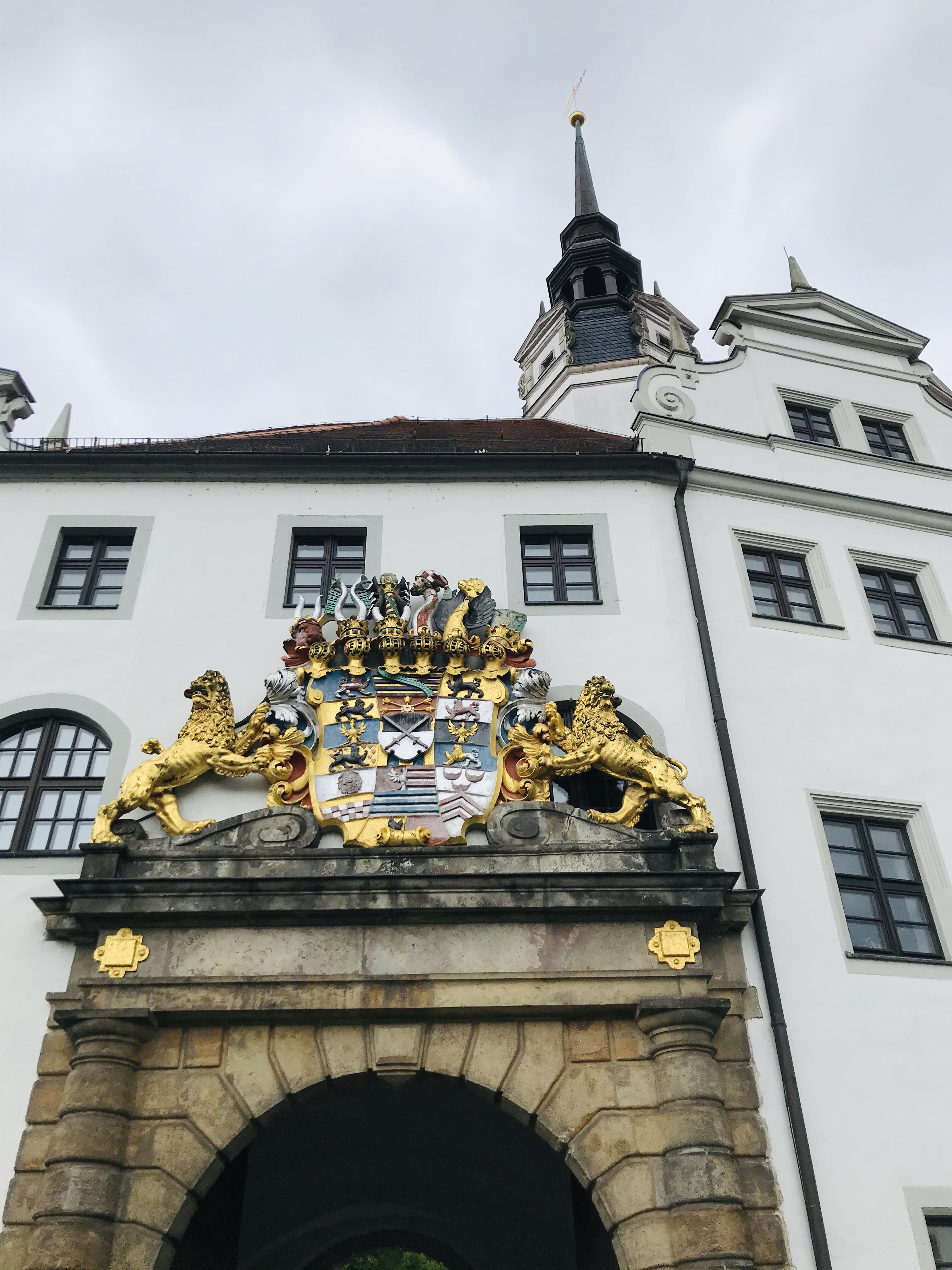
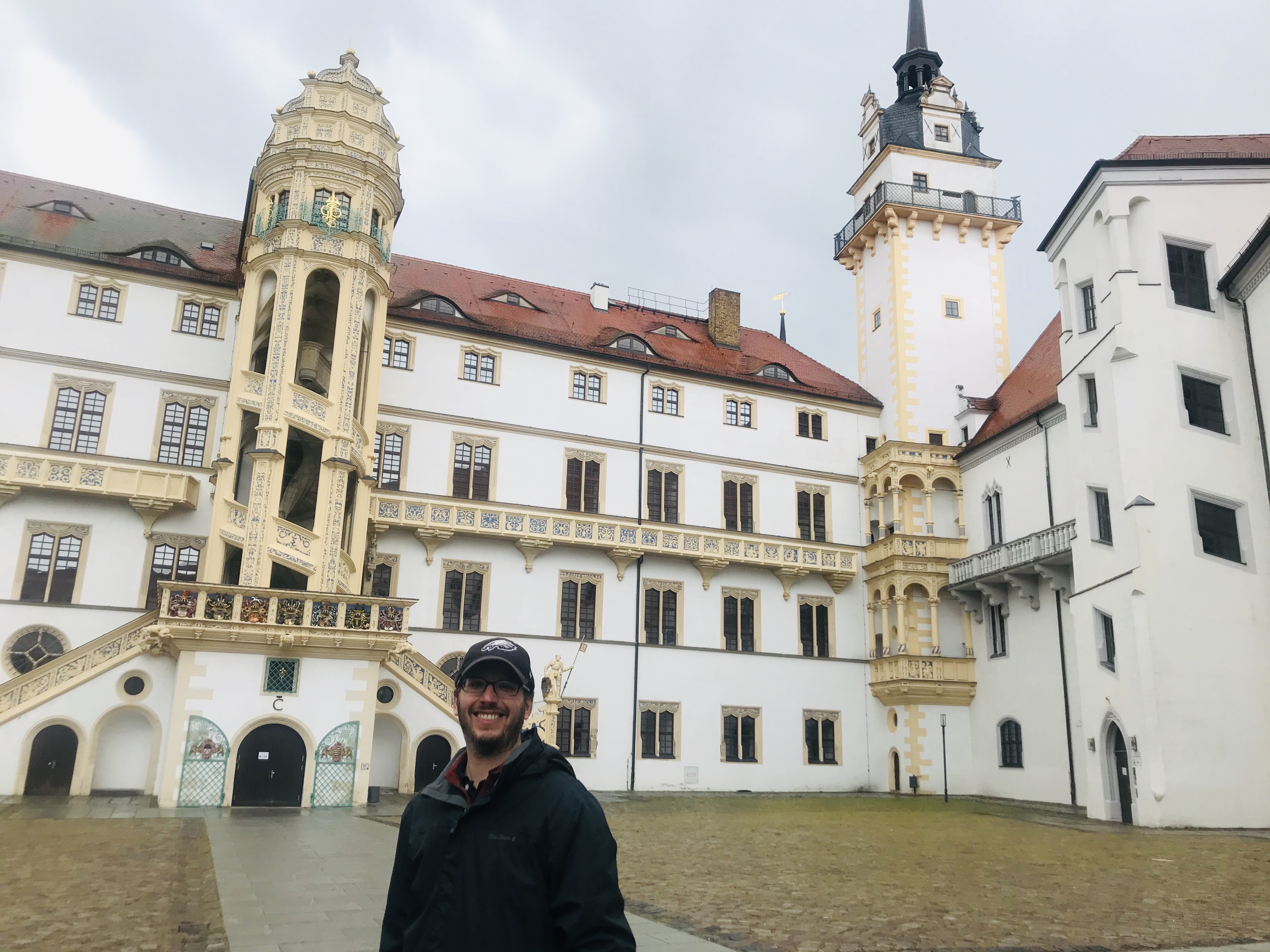
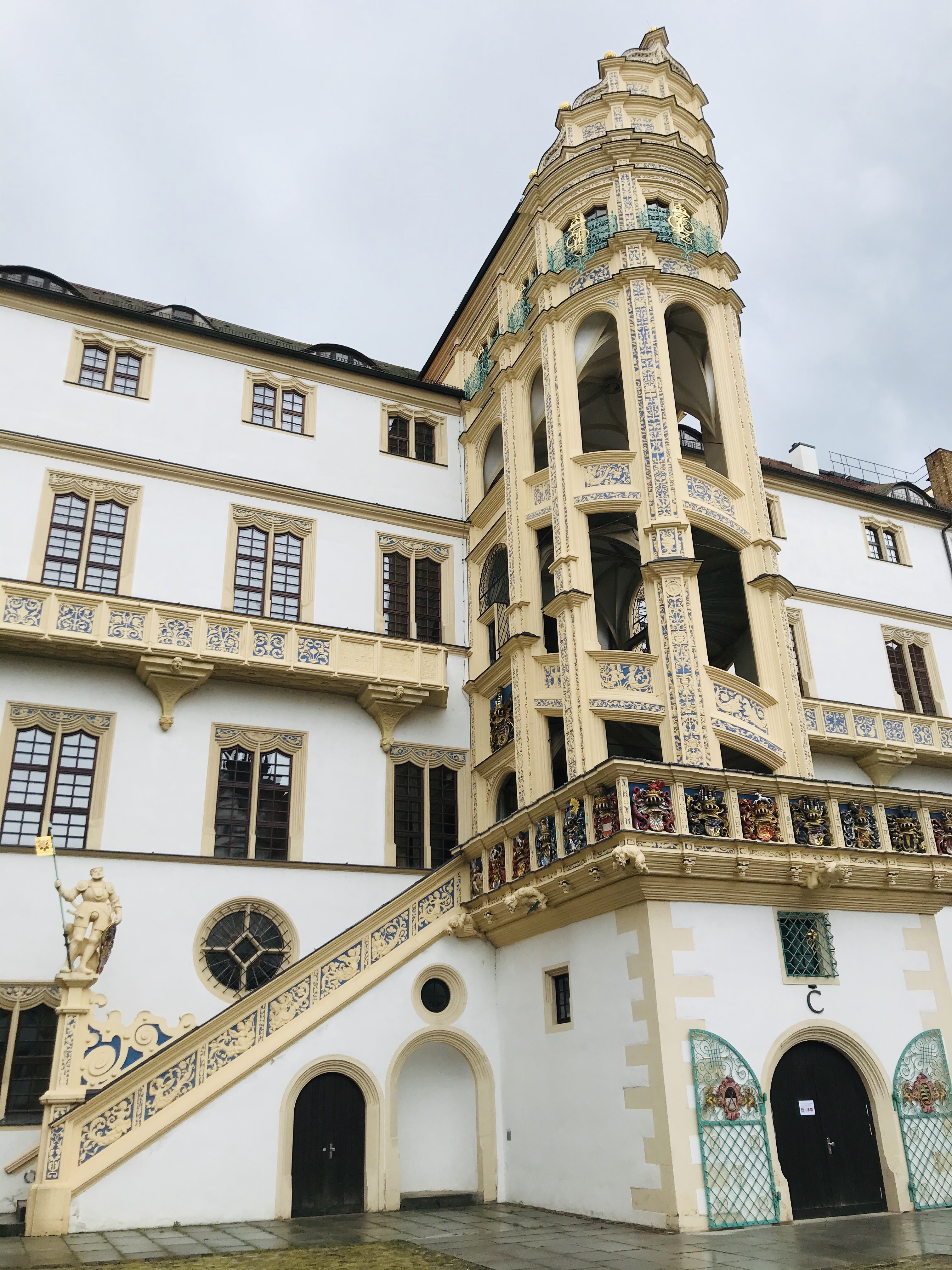
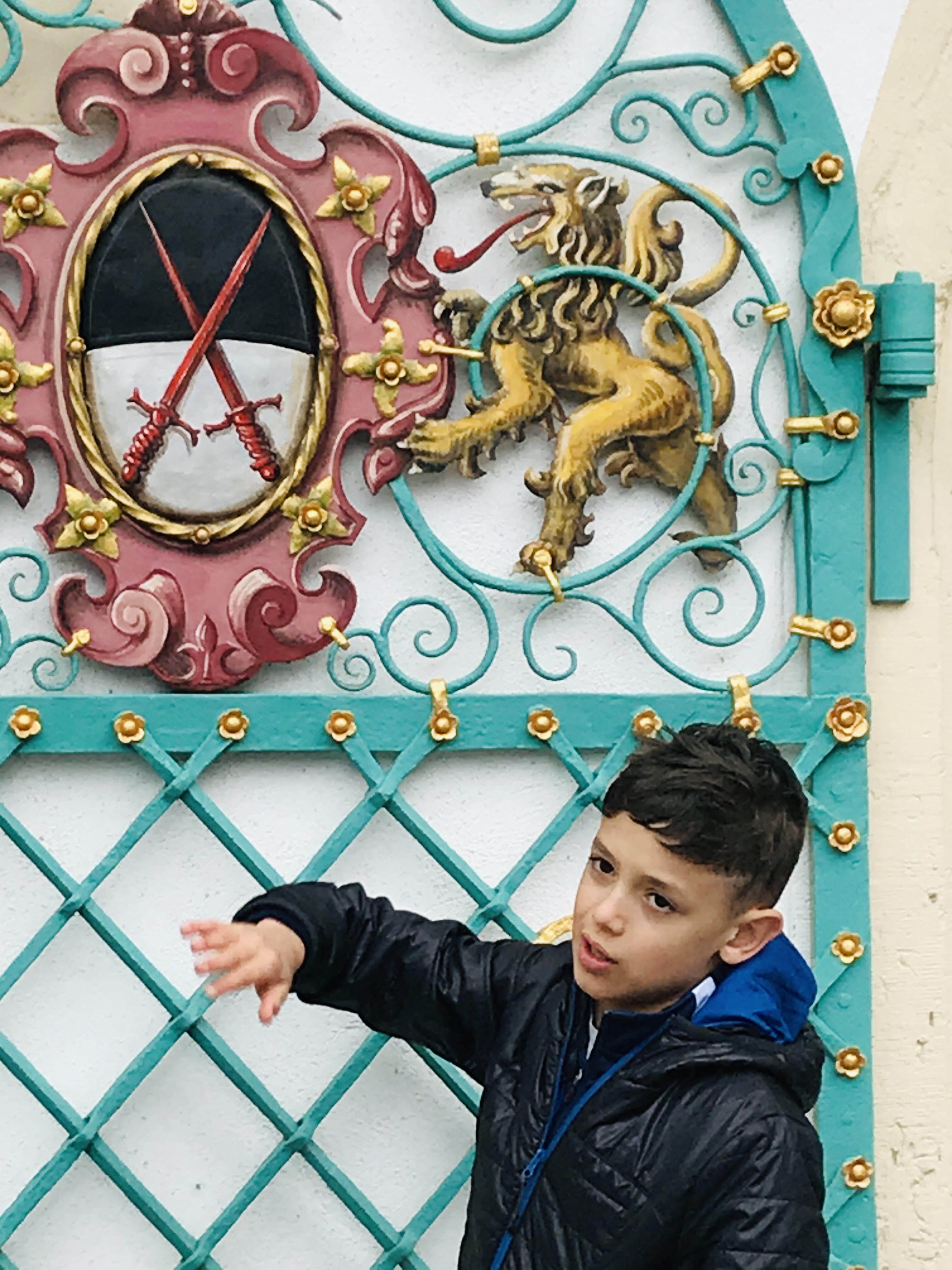
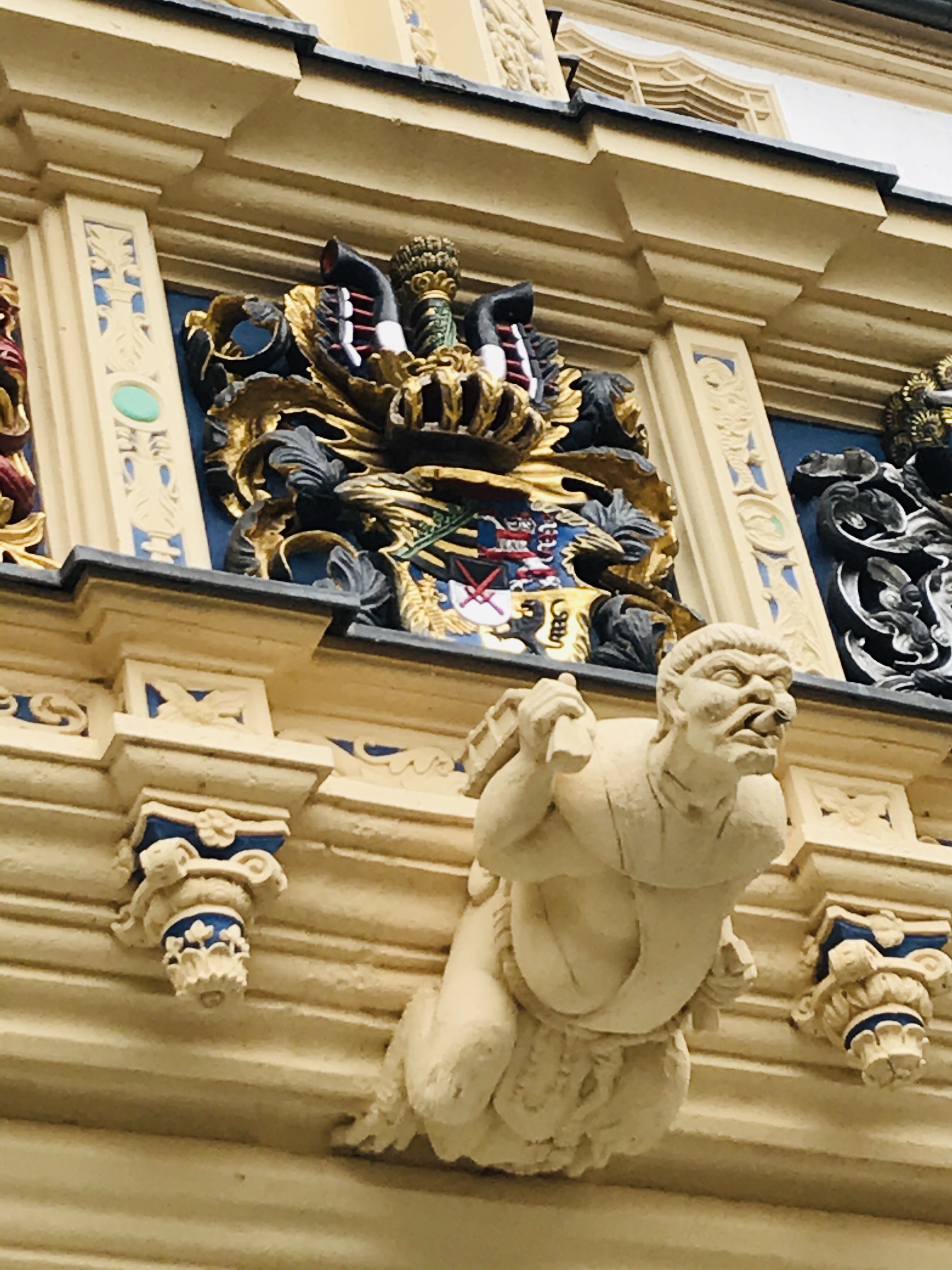
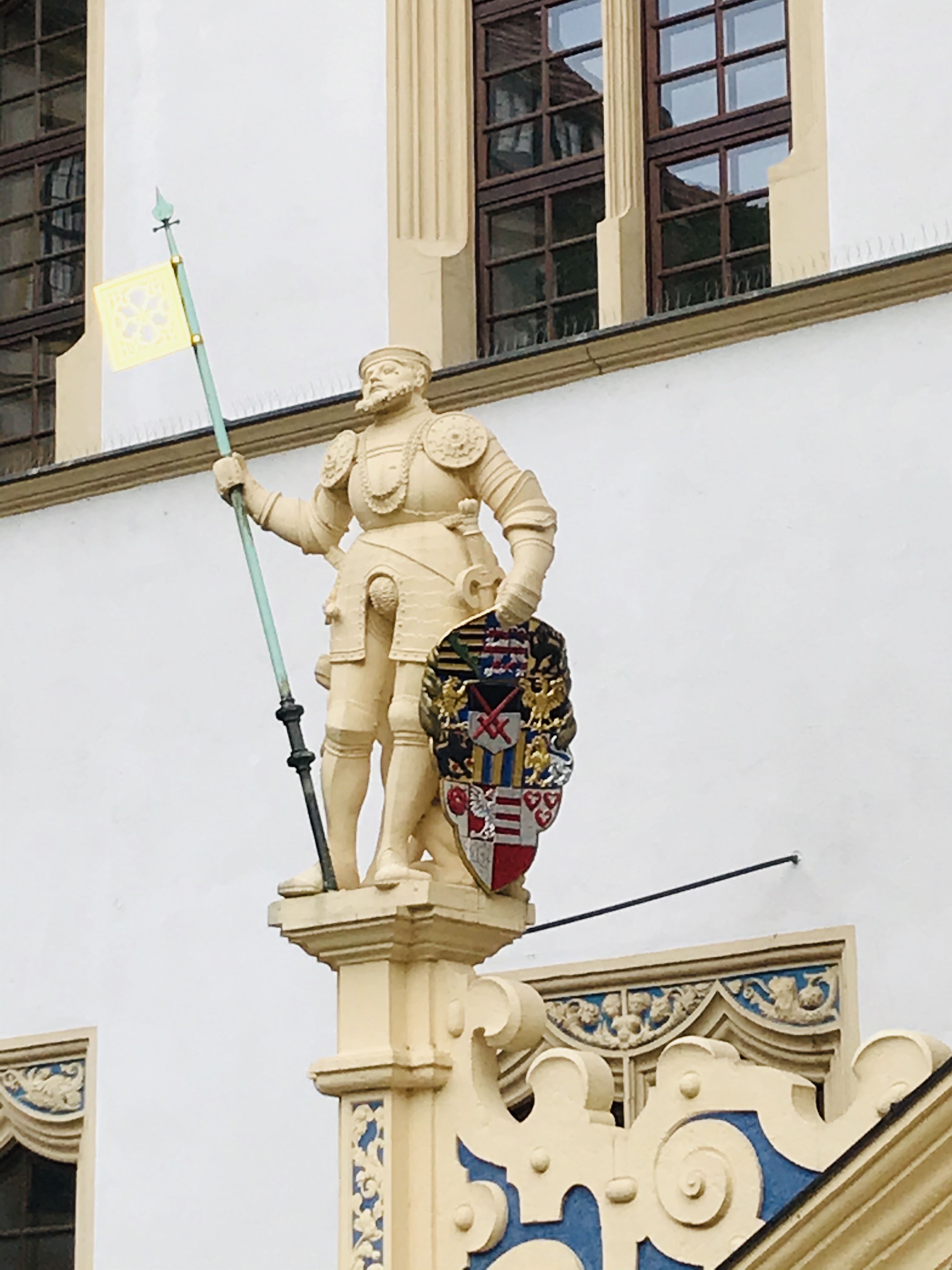
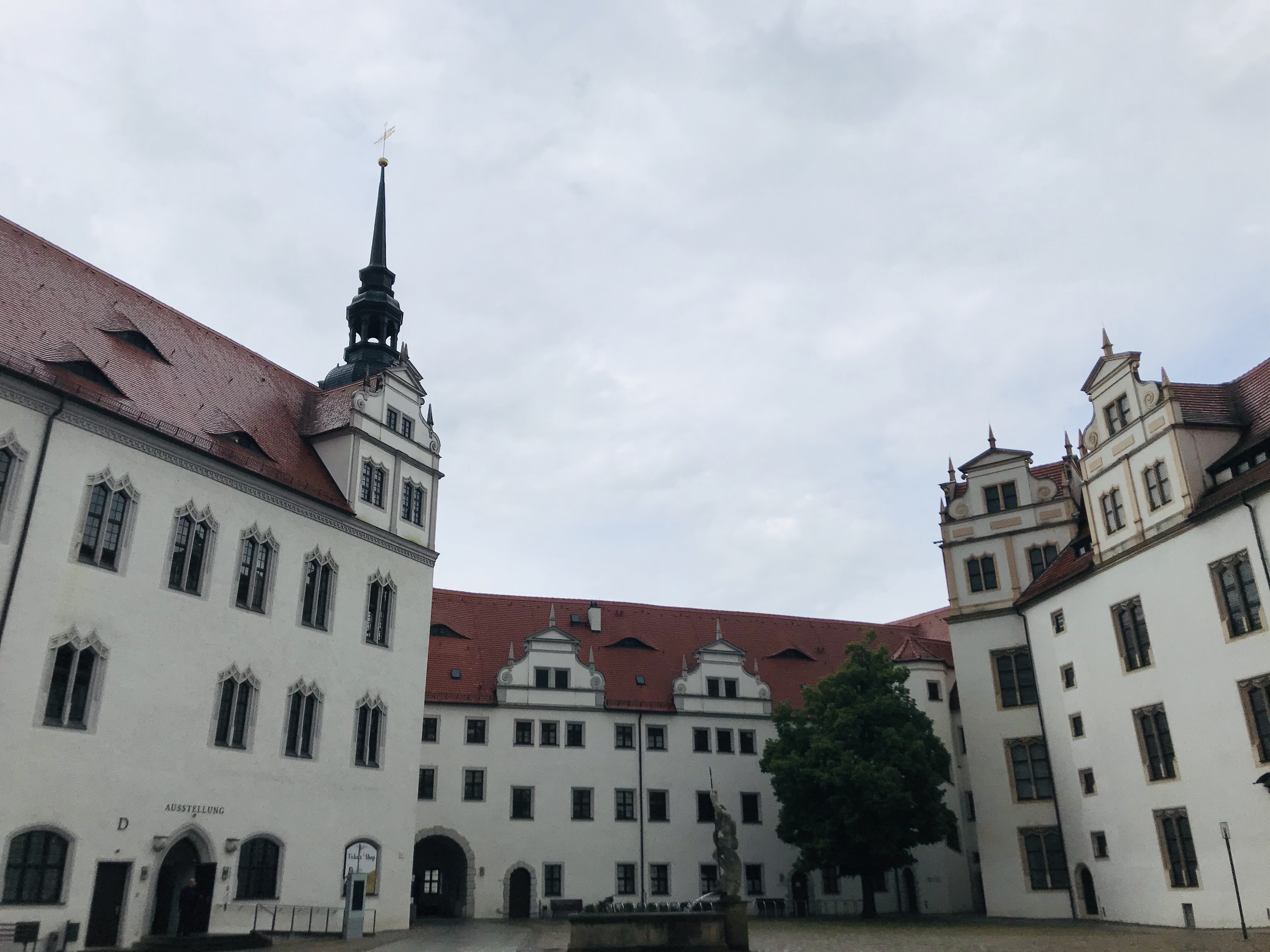
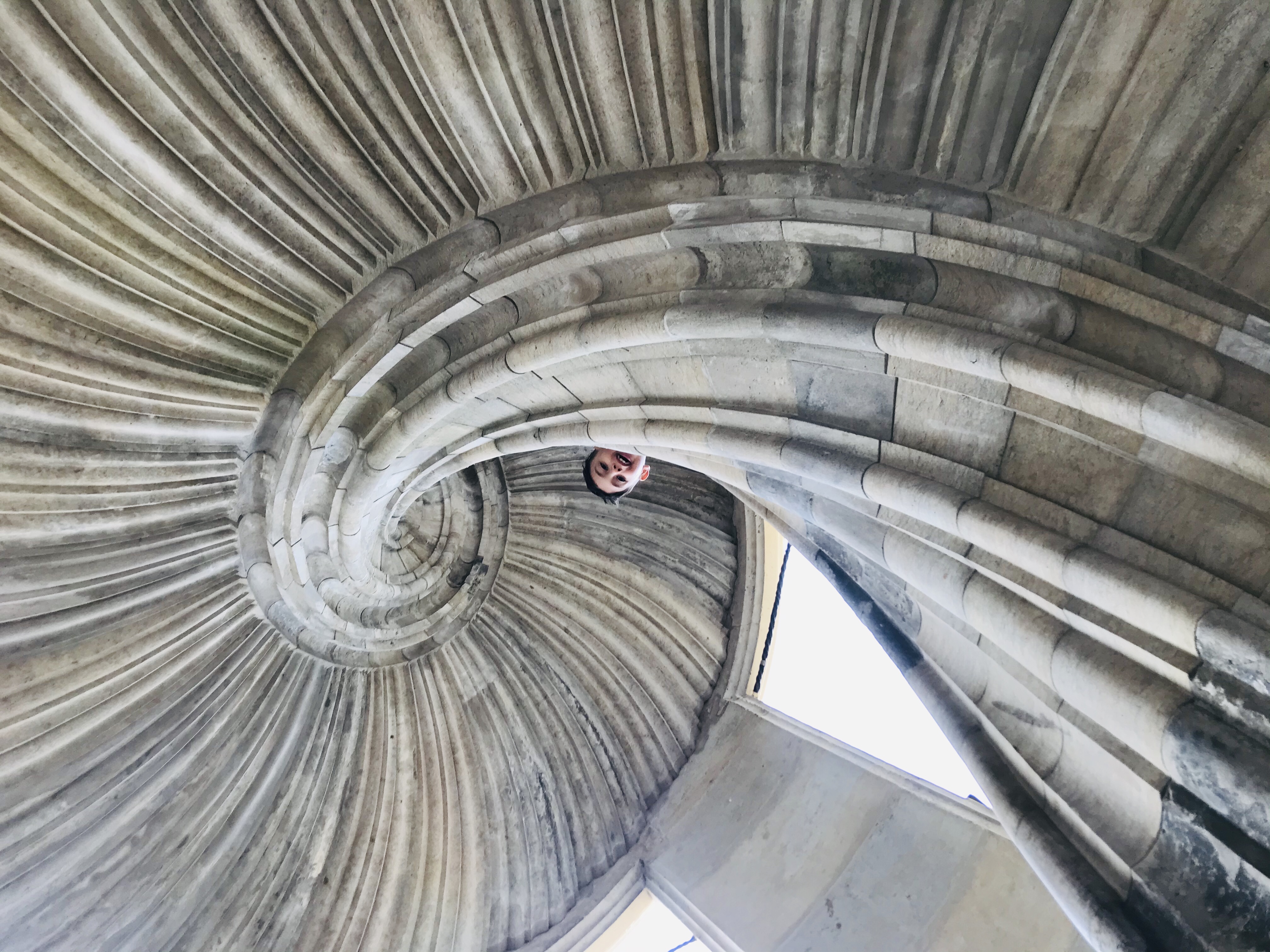
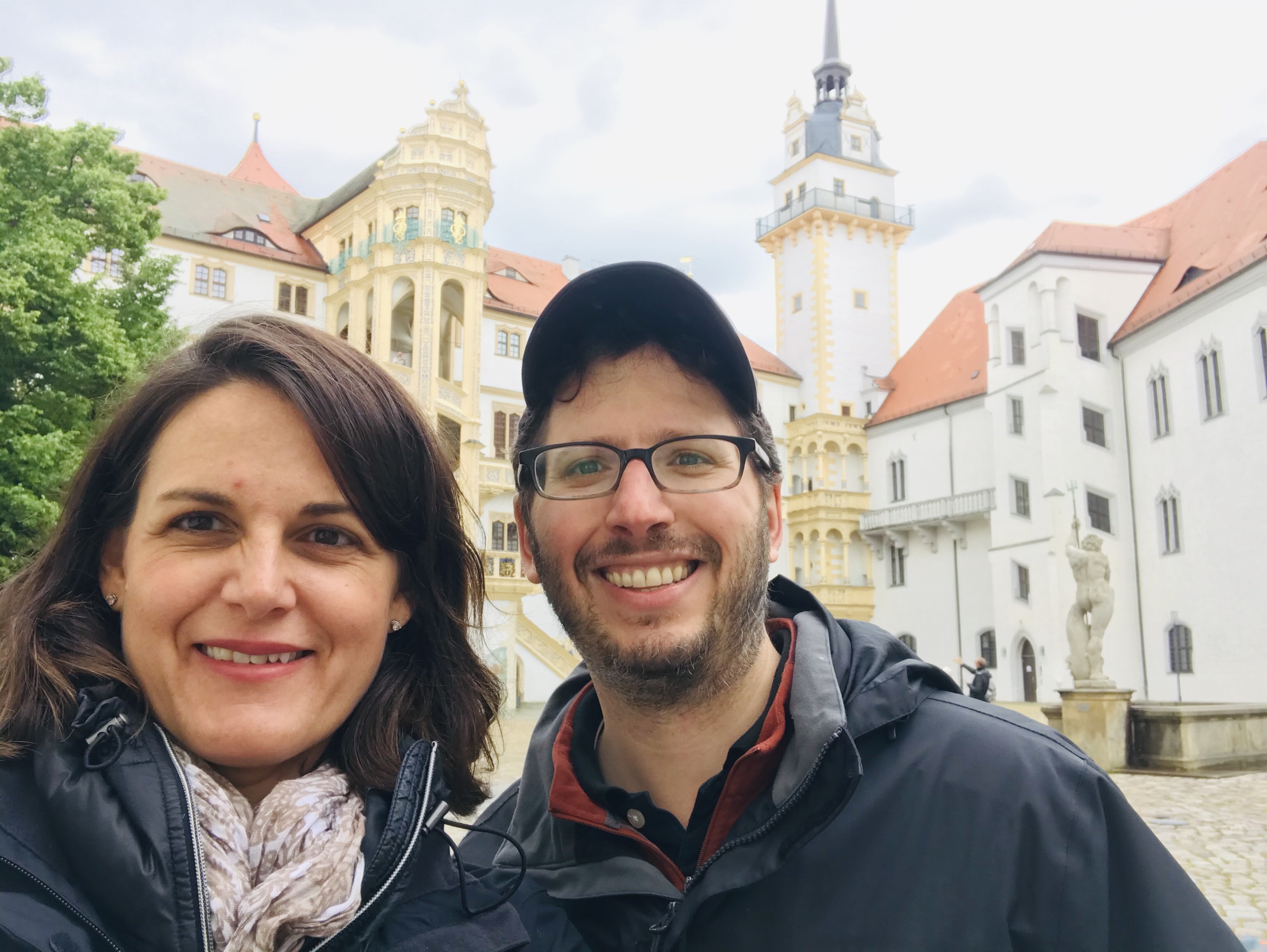
{Schloss Hartenfels in Torgau}
On the way out of town, we crossed a bridge and spotted an American flag next to a Russian and a German flag. Despite the heavy downpour, I parked the car and Dave and I made a mad dash for the monument.
Little did we realize, we had stumbled across the point on the Elbe where the Americans, coming from the West, and the Russians, coming from the East, had first met during WWII, on April 25, 1945, thus effectively cutting Nazi Germany in two. I remember reading about this moment in the book The Candy Bombers by Andrei Cherny (https://wordpress.com/block-editor/post/shannonlubell.com/466) and I was struck by its historical significance.
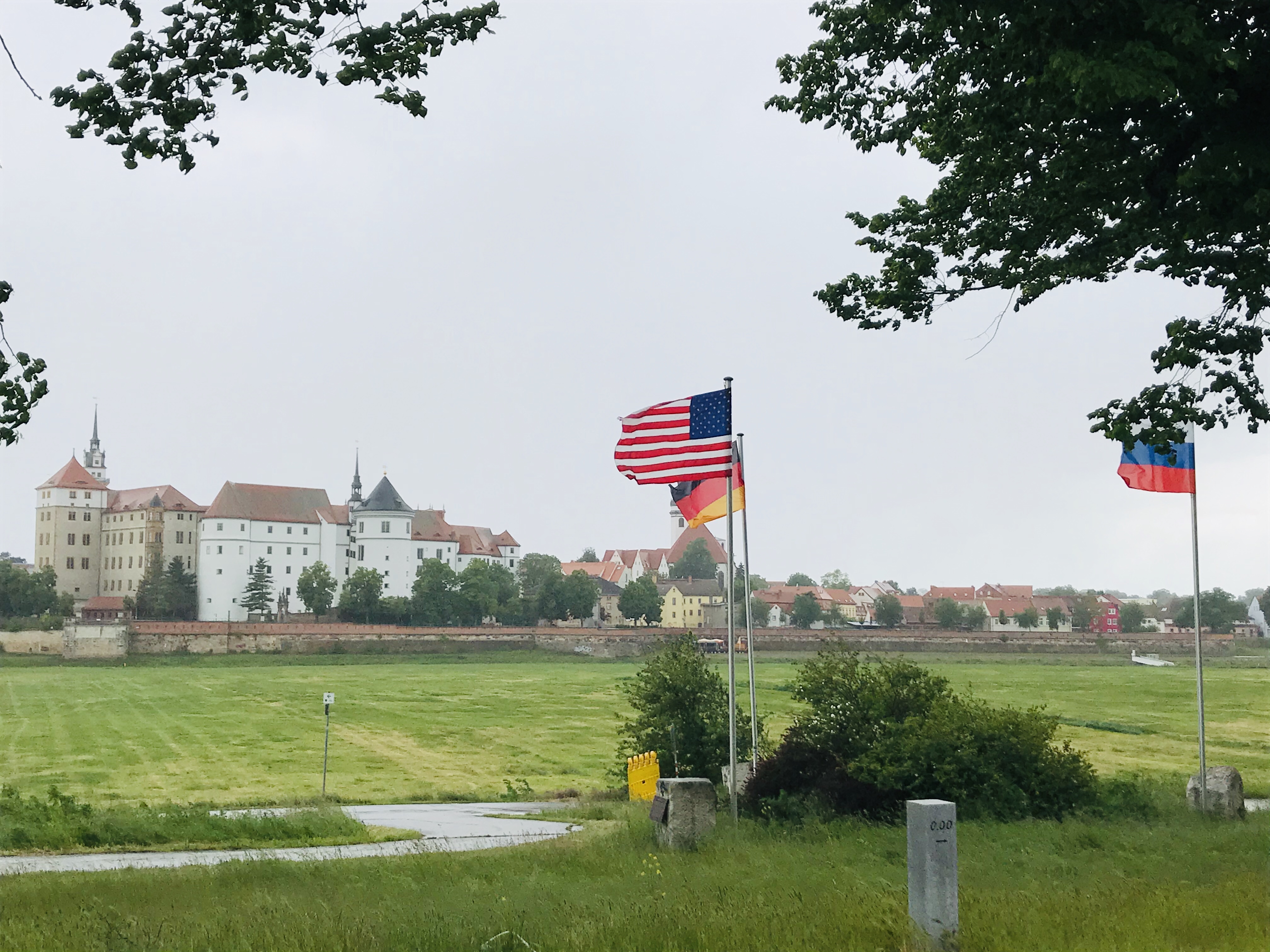
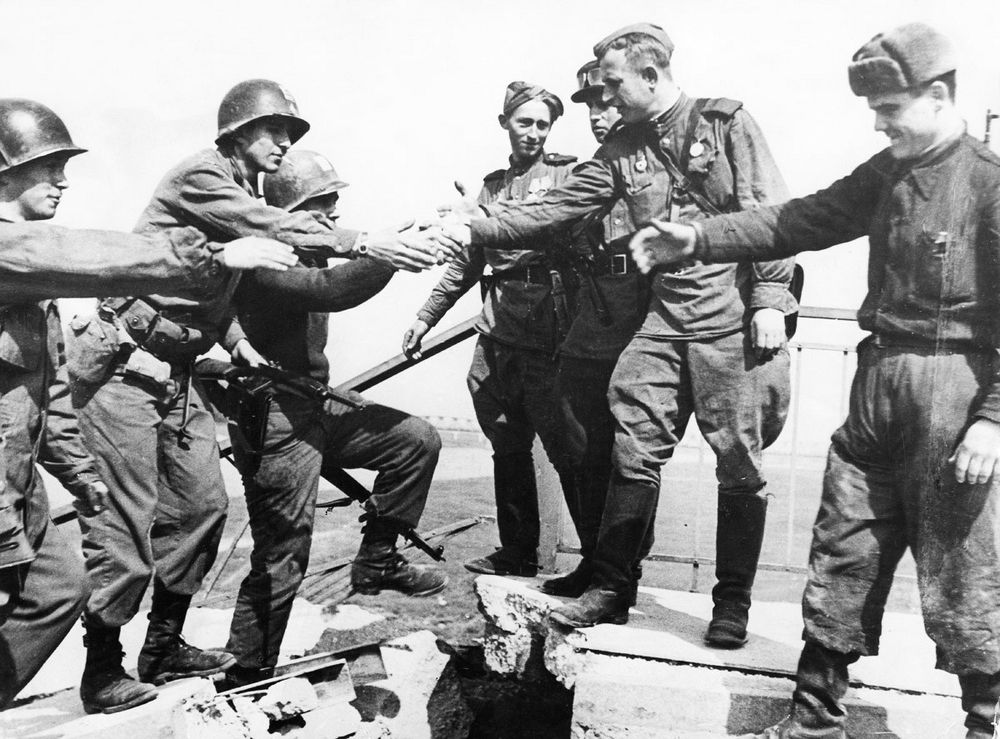
{Where the American and Russians troops first met during WWII}
While driving back to Berlin, I hadn’t realized how much we needed this trip. The Coronavirus lockdown has been difficult for many reasons. But it has also allowed our family to pause, to turn off our alarm clocks and to spend more quality time together.
Being on this road trip made me realize how much of a release it provided during this difficult time. While more and more countries around Europe are opening their borders to others in Europe, we have decided to stay in Germany this summer and to discover more of its history and charms. We look forward to our adventures and know things will be less busy as many tourists, including Americans, will not be here this year.


Looks like a great trip! xxo
Sign up to receive a new comic every Tuesday
207-653-5407 Lisa@LisaSinicki.com http://www.LisaSinicki.com
On Thu, Jun 11, 2020 at 10:33 AM Berlin Lubells: Stories of Life in Berlin from an American Expat Mom’s First Experience Living Abroad wrote:
> Shannon Hapgood Lubell posted: ” With Saxony opening up to visitors, we > decided to escape the city and go on a four day road trip during the > Ascension (Himmelfahrt in German – rhymes with fart) Weekend in April. We > first drove two hours to Leipzig for a quick stopover for lunch (whic” >
LikeLike
Wish you were here to enjoy it, too!
LikeLike
Love your commentary, history, insights and photos. Love to the family! Jan & Bob
LikeLike
Thanks, J&B!
LikeLike