
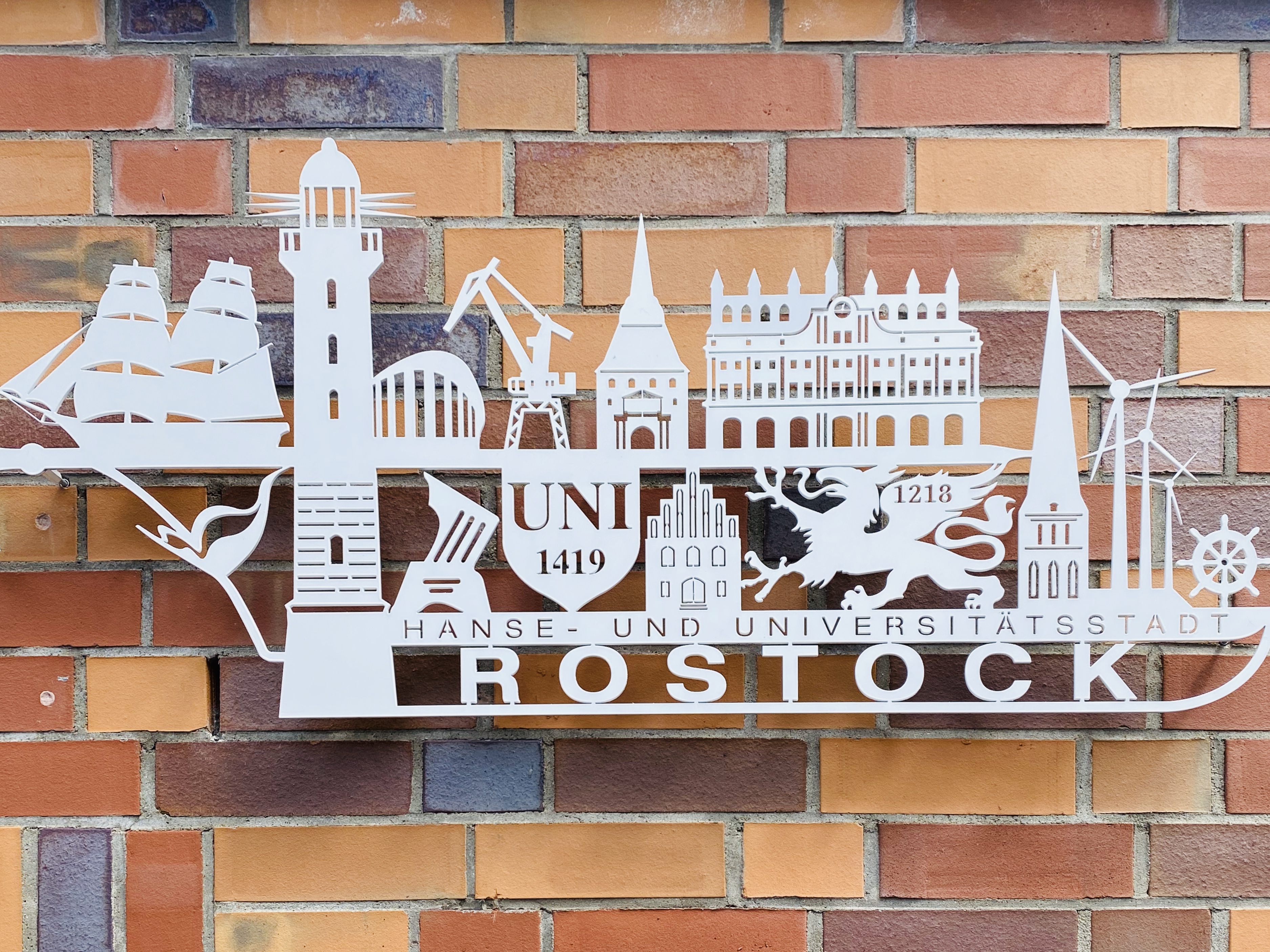
Our summer road trip included a day spent both in Rostock and the beach of neighboring Warnemünde Strand.

This ended up being my favorite Hanseatic City/Beach Adventure of the entire summer.
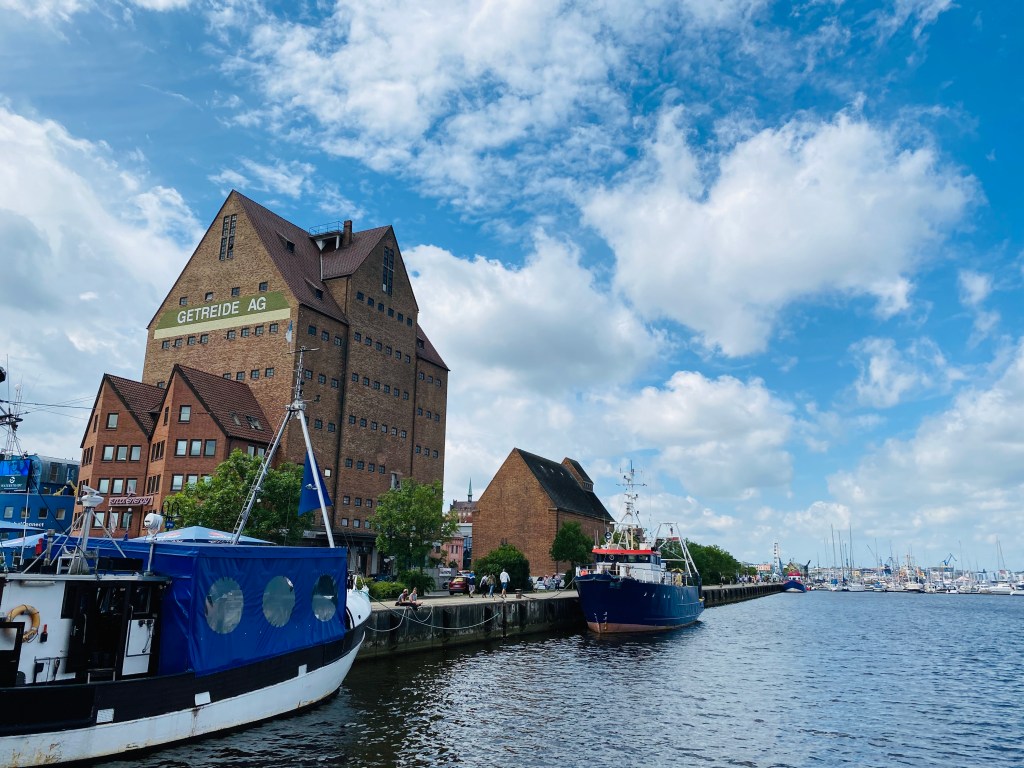
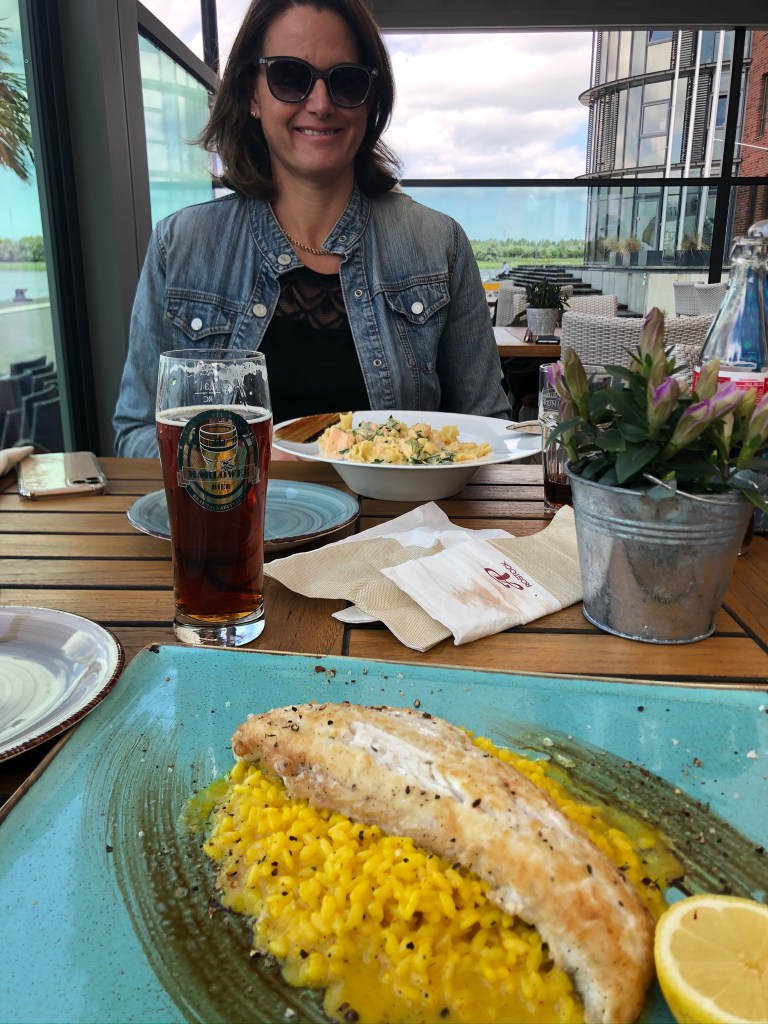
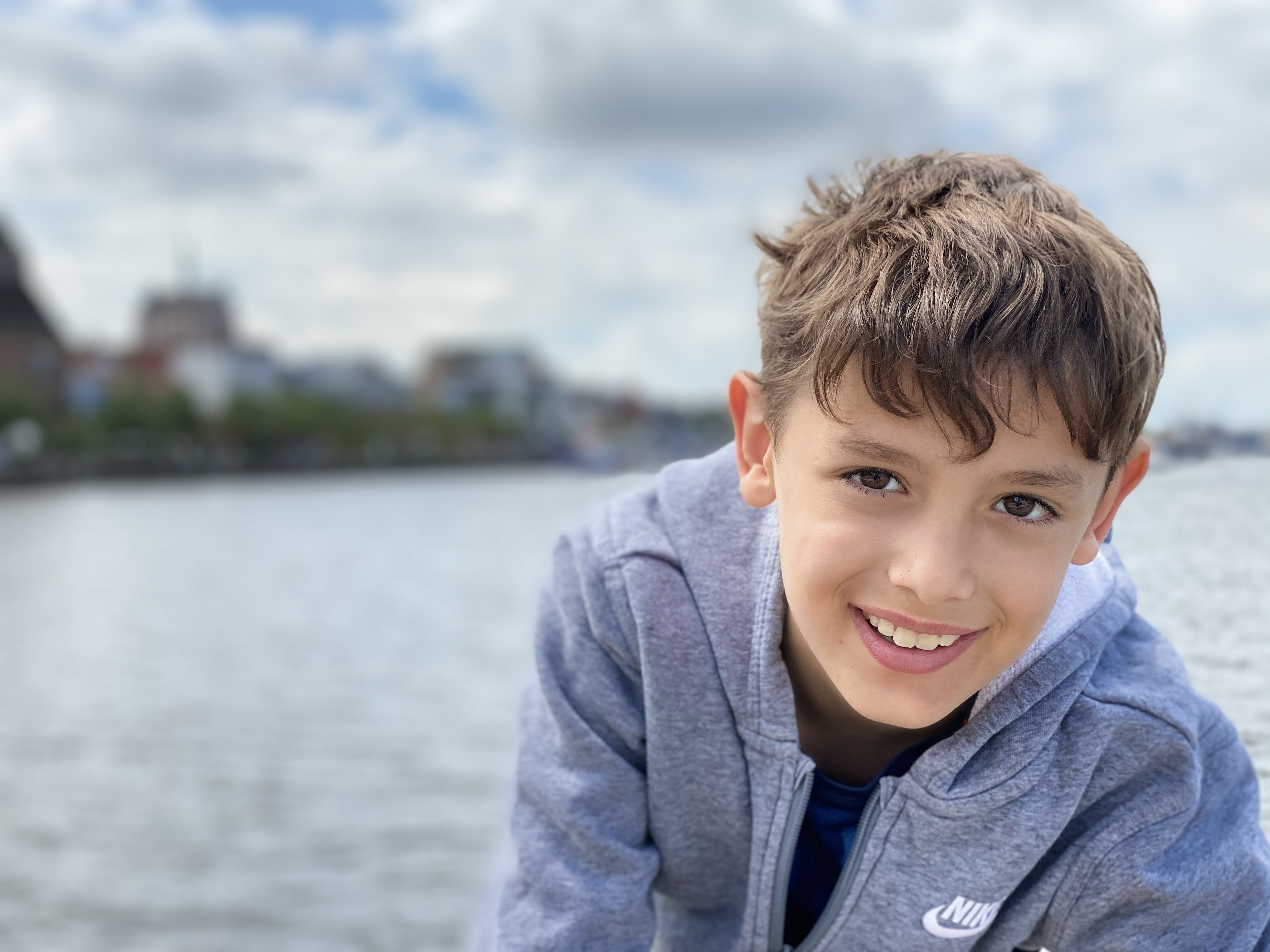
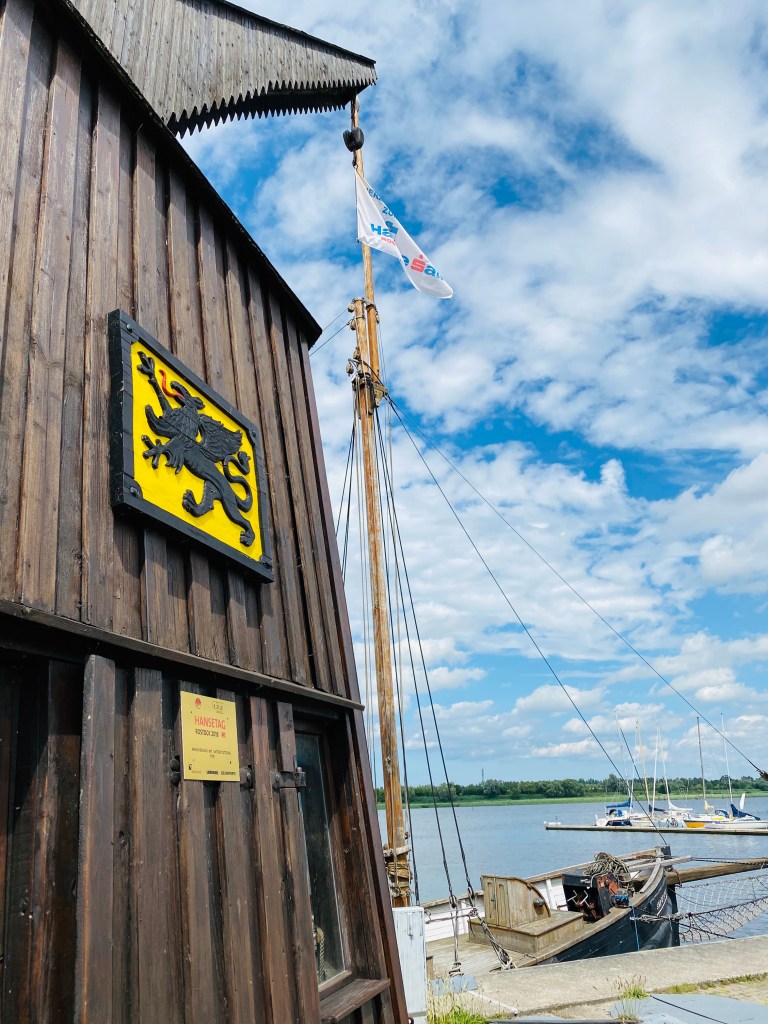
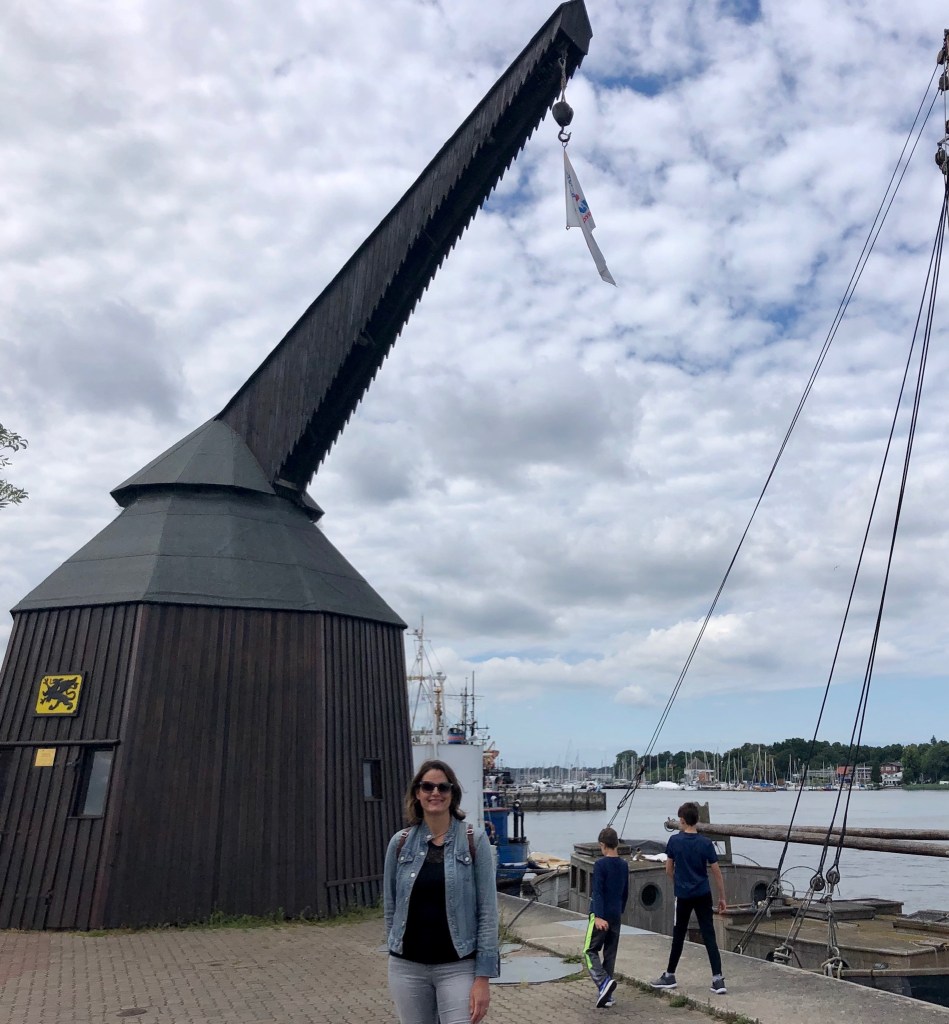
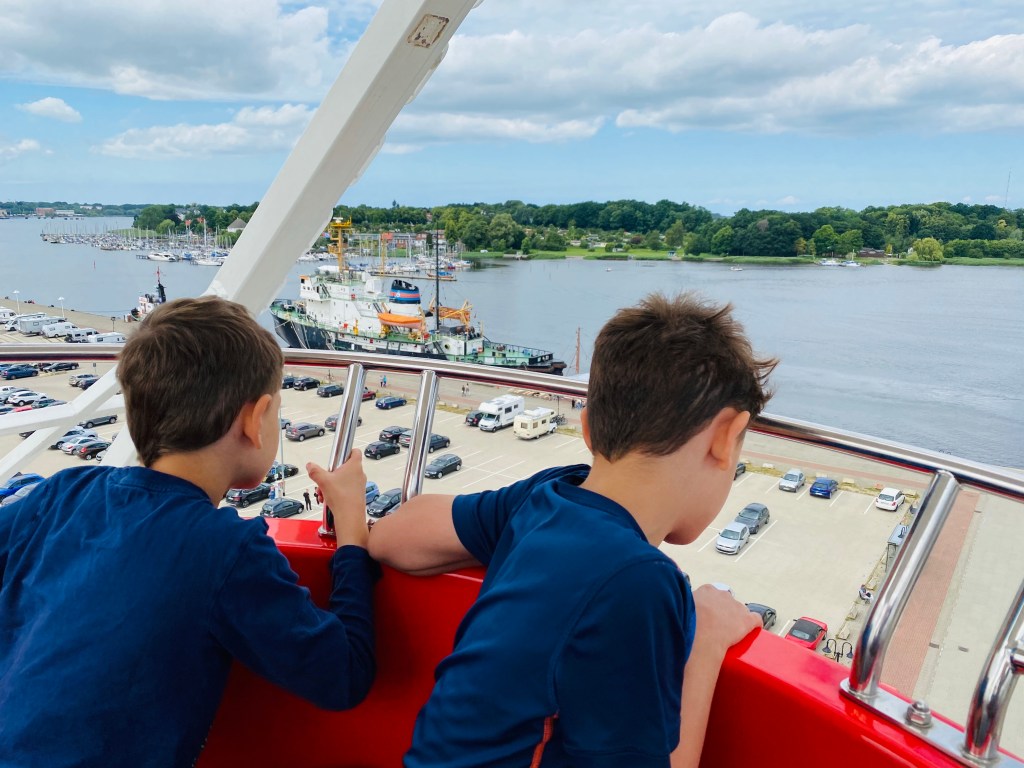
We started our day with lunch at the city port along the Unterwarnow. The boys had a blast running along the pier watching the boats go by.
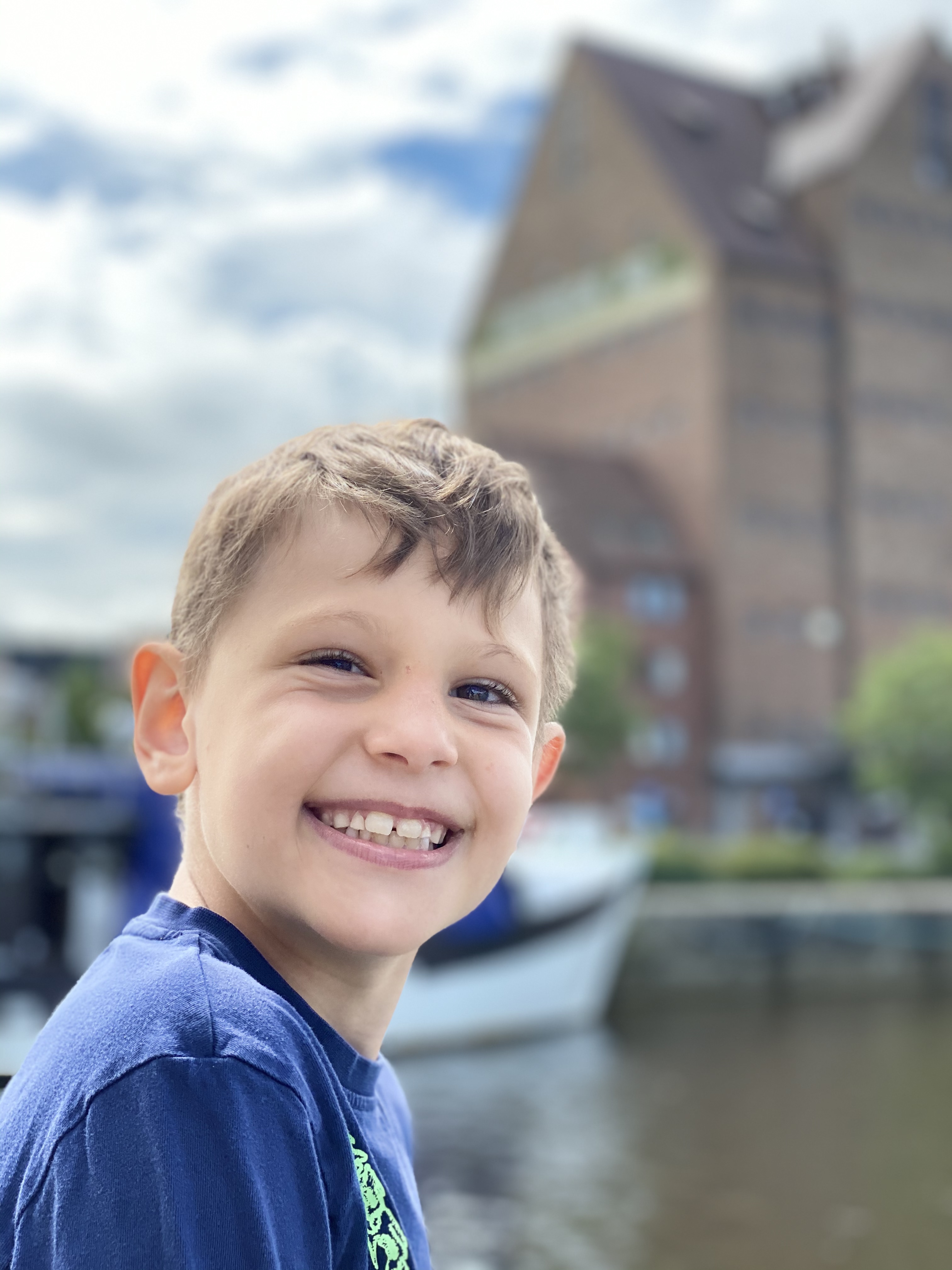
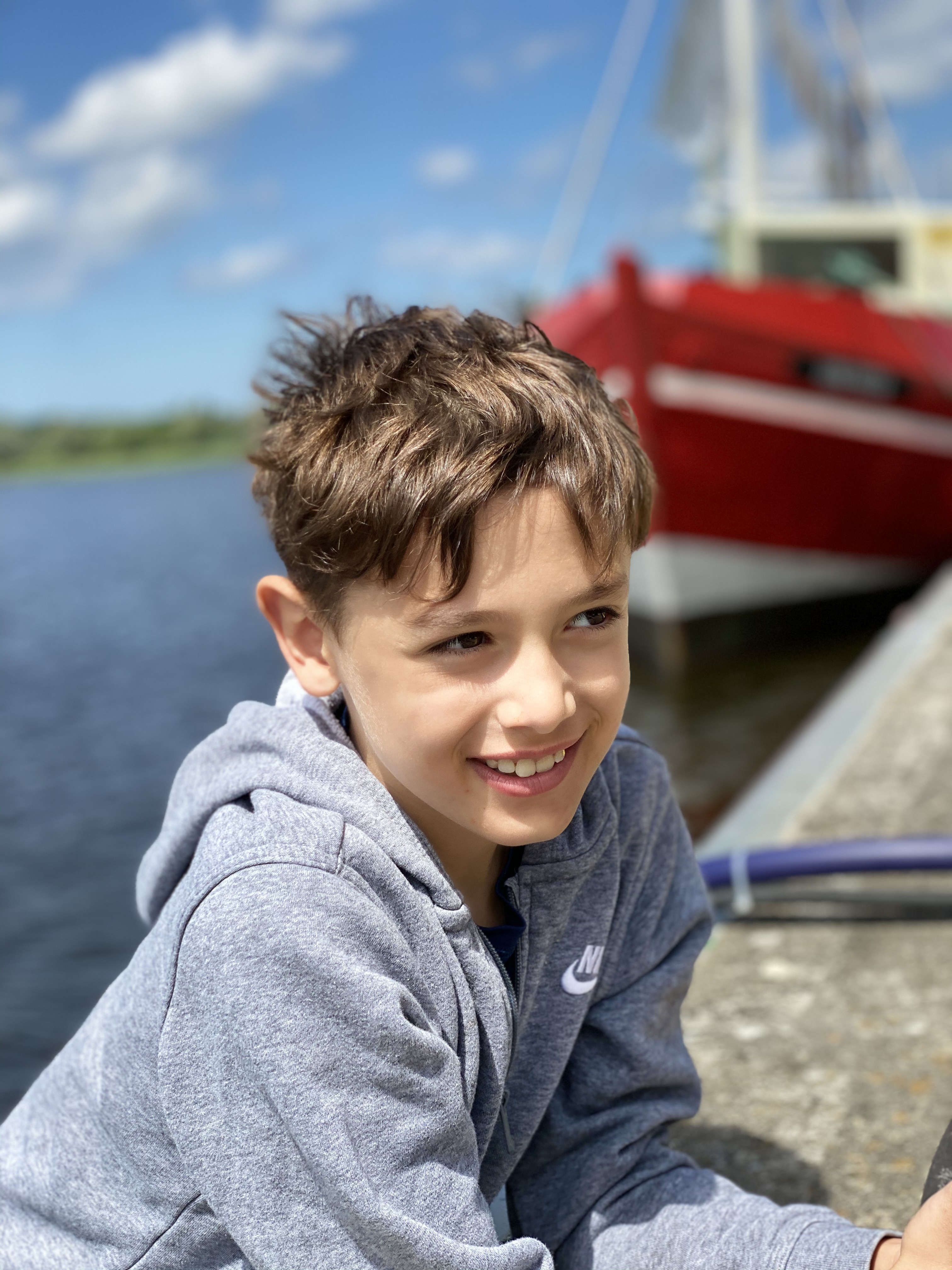

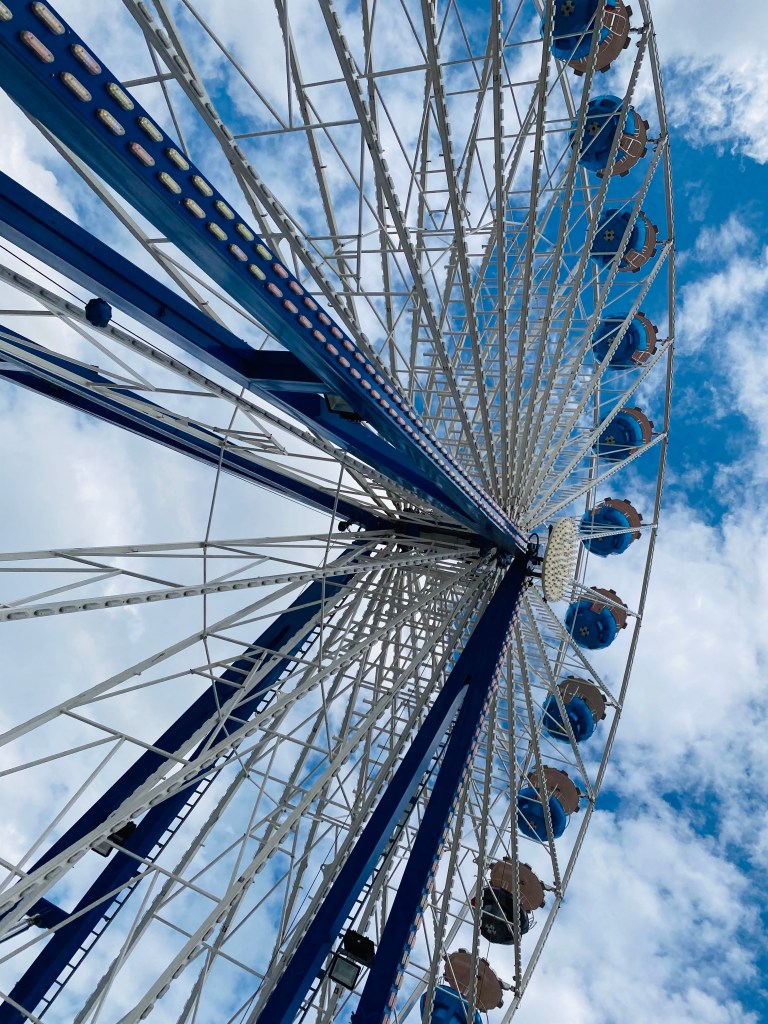
In the distance, we spotted a ferris wheel that we passed through a craft market to reach.
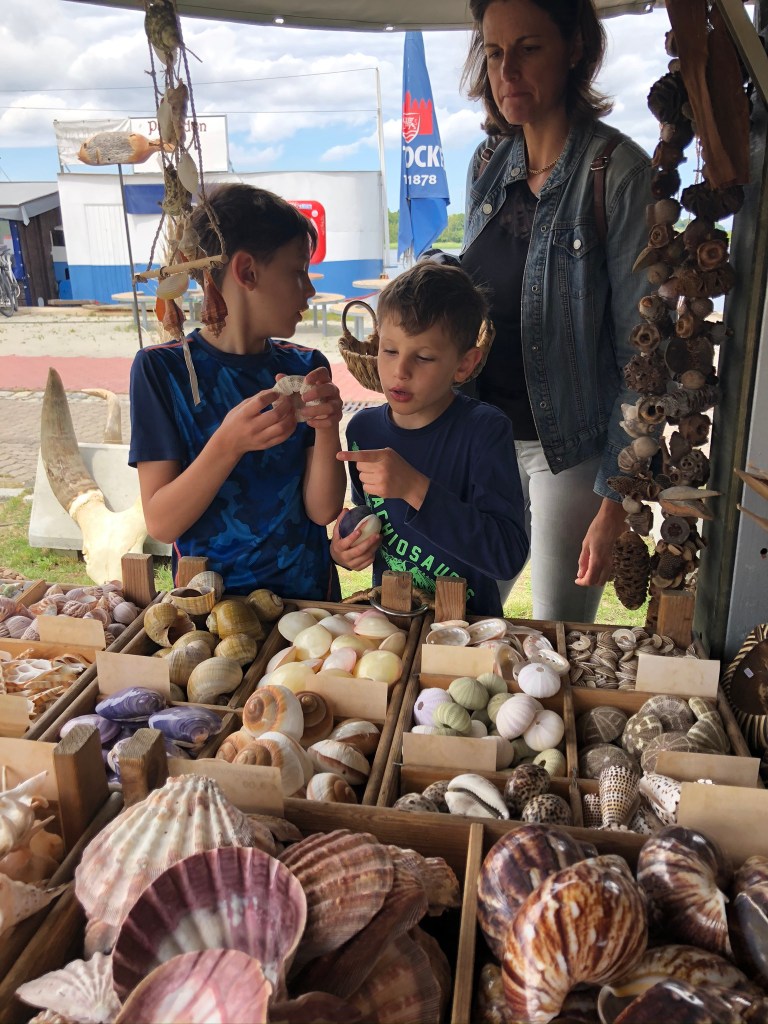
I bought a few shells for the boys and I as we wandered through the whimsical stalls.
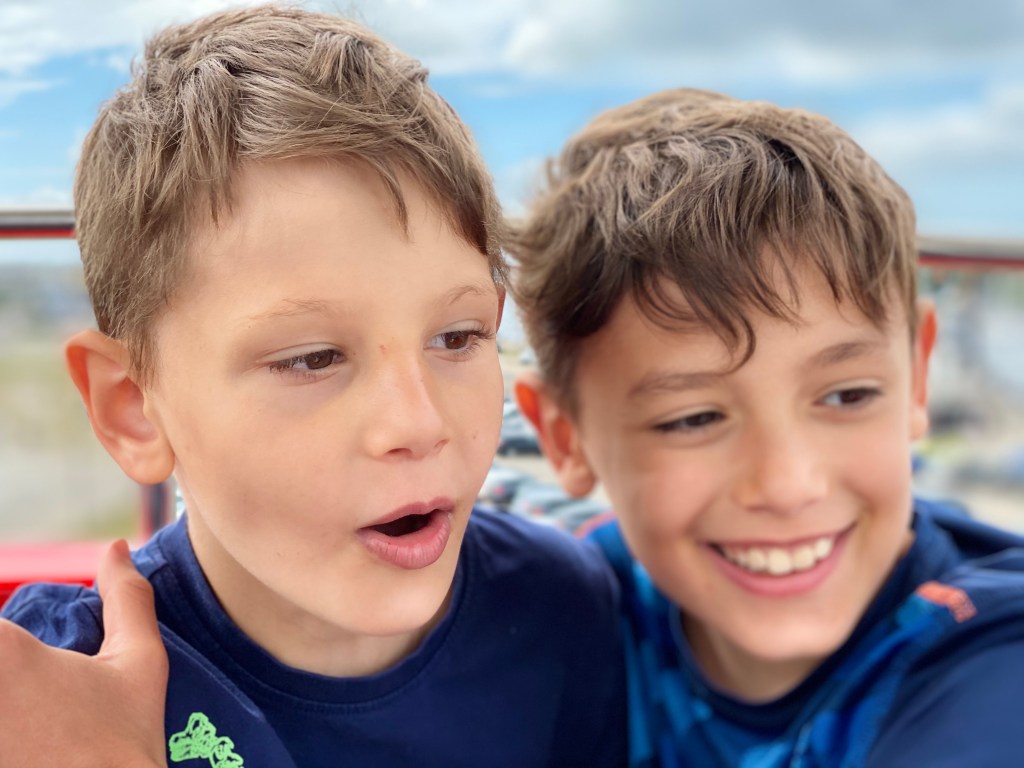
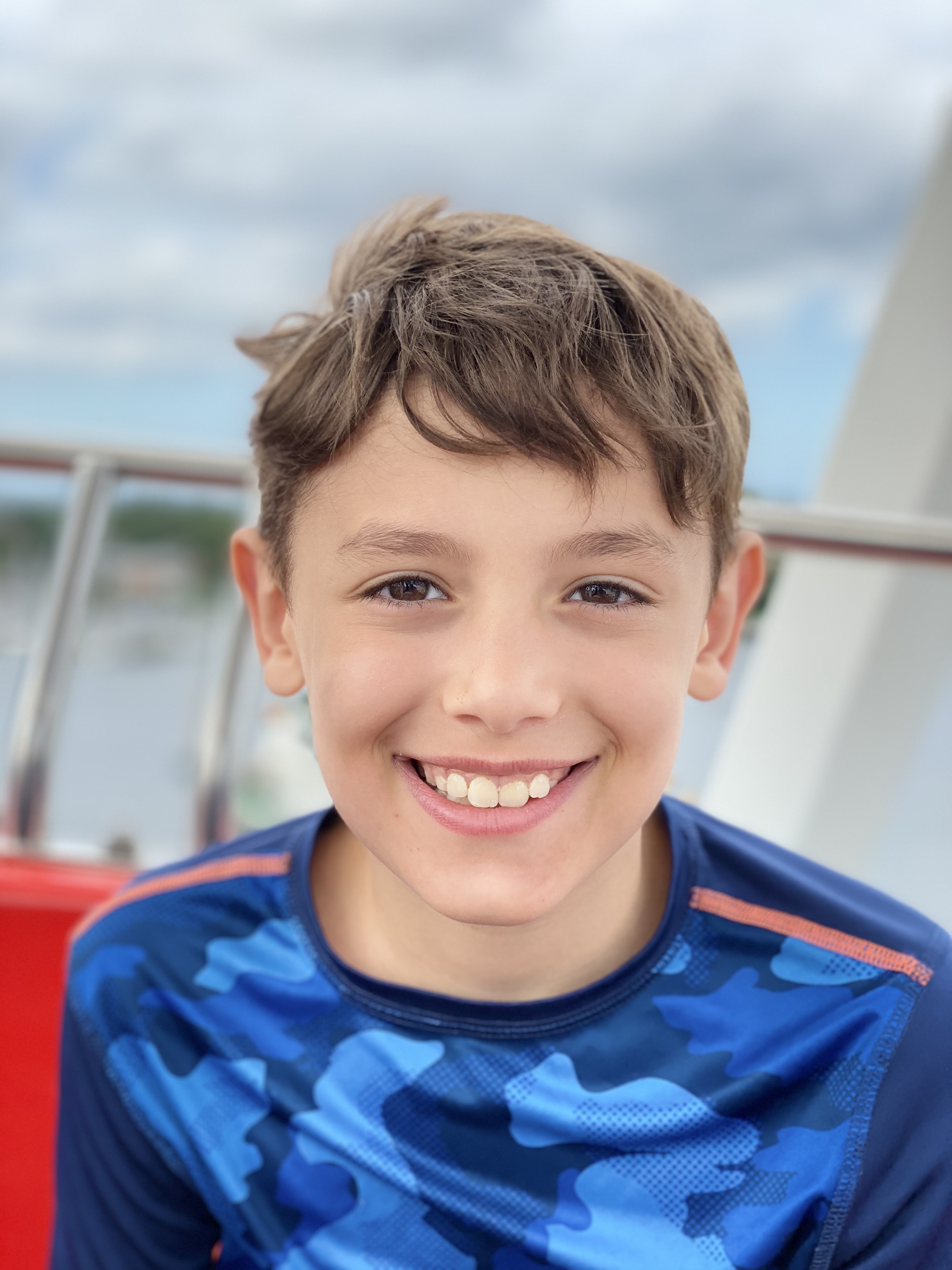
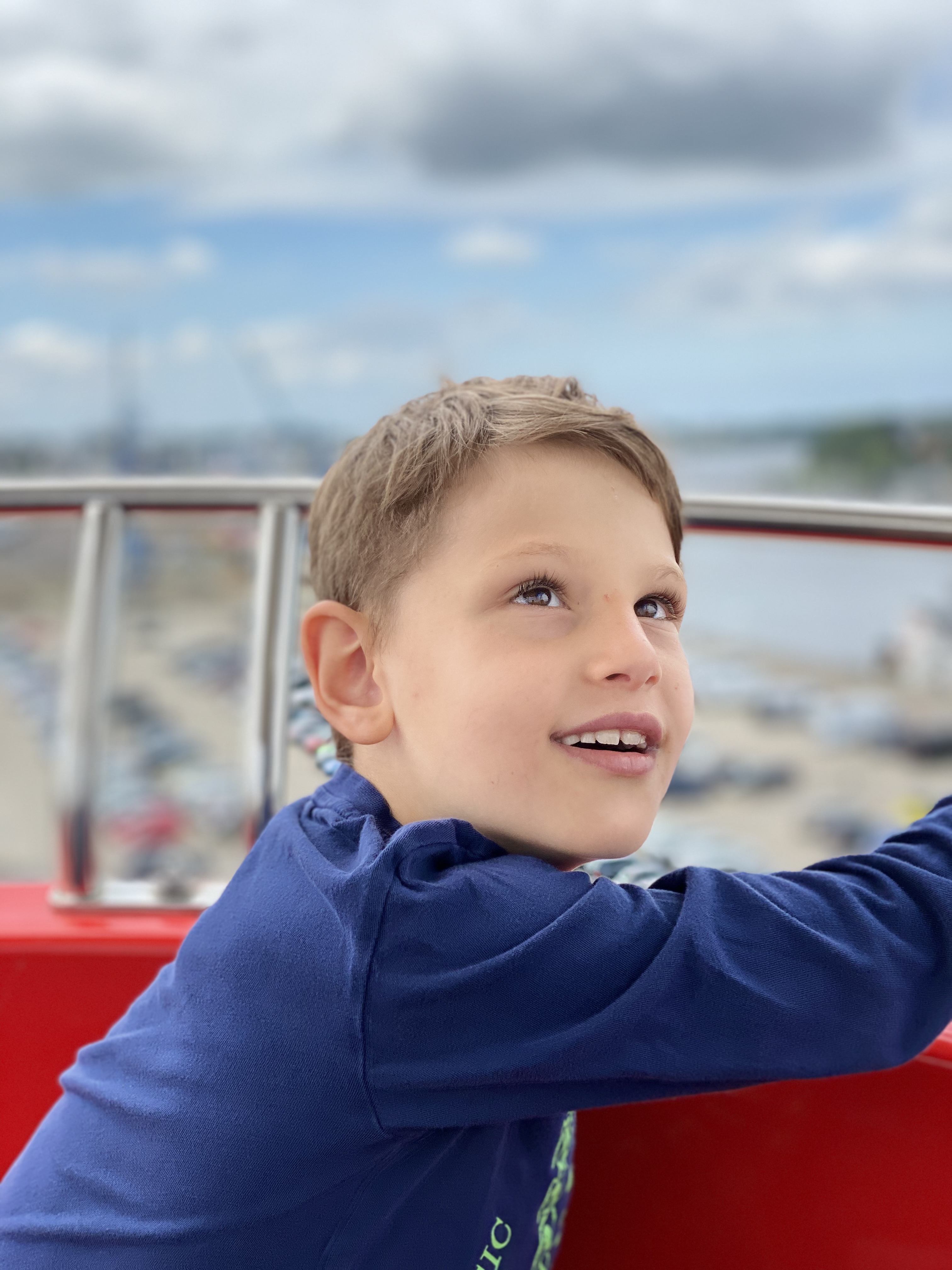
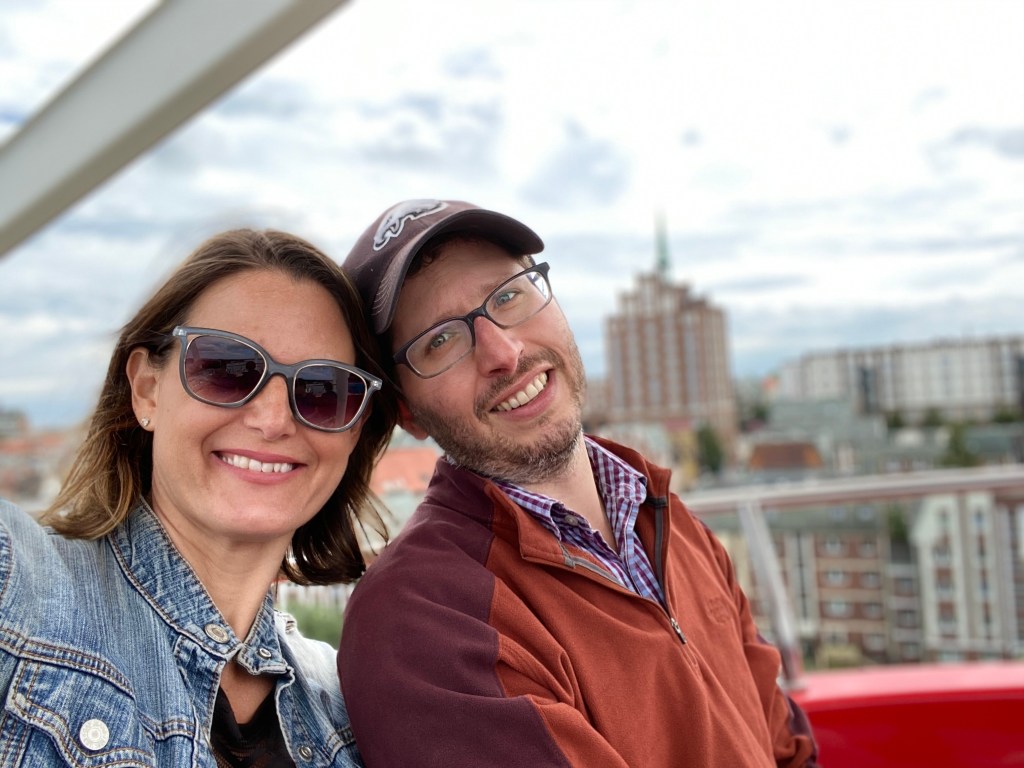
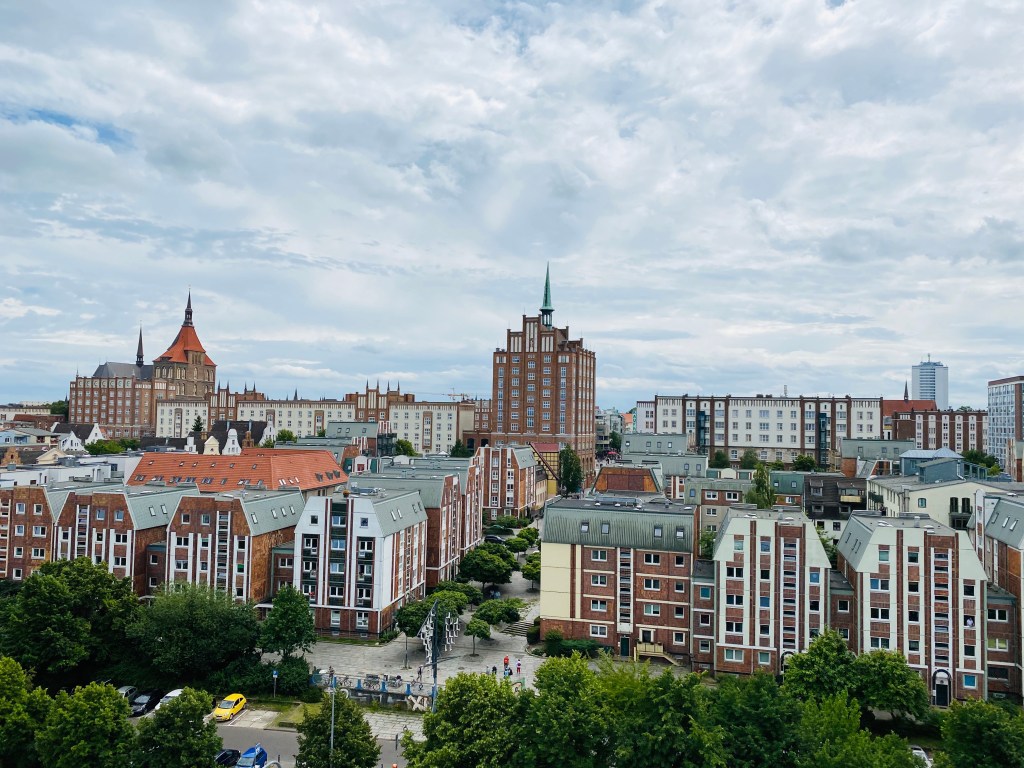
The Ferris wheel afforded us a lovely view of the Altstadt, or old town. And gave us an exciting moment together as a family.
The name “Roztoc” first appears in 1161 AD in a chronicle by the Danish historian Saxo Grammaticus. At that time the Slavic stronghold was attacked by the king of the Danes.
In 1200 German merchants and craftsmen founded the settlement of Rostock here. Eighteen years later, it received its charter from Prince Borwin I.

In 1323 Rostock acquired the little fishing hamlet of Warnemünde, thus securing free access by water to the Baltic Sea. Soon Rostock, Lübeck and Wismar founded the Hanseatic League.
Rostock became one of the largest and most powerful cities on the Baltic – due not least of all to establishment here of Baltic regions first university in 1419.
The city’s dynamic growth was halted for a lengthy period by collapse of the Hanseatic League, effects of the Thirty Years’ War and the devastating conflagration of 1677.
Only in the late 19th century did Rostock experience a renaissance of shipping under sail, becoming an important harbor for the export of grain.
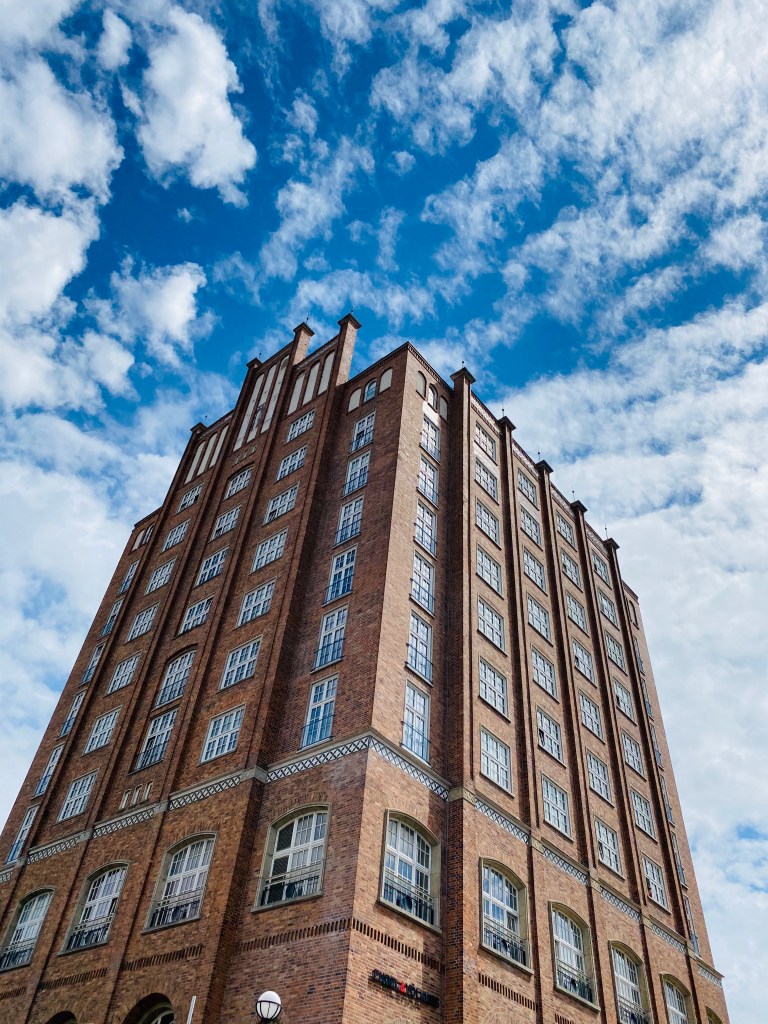
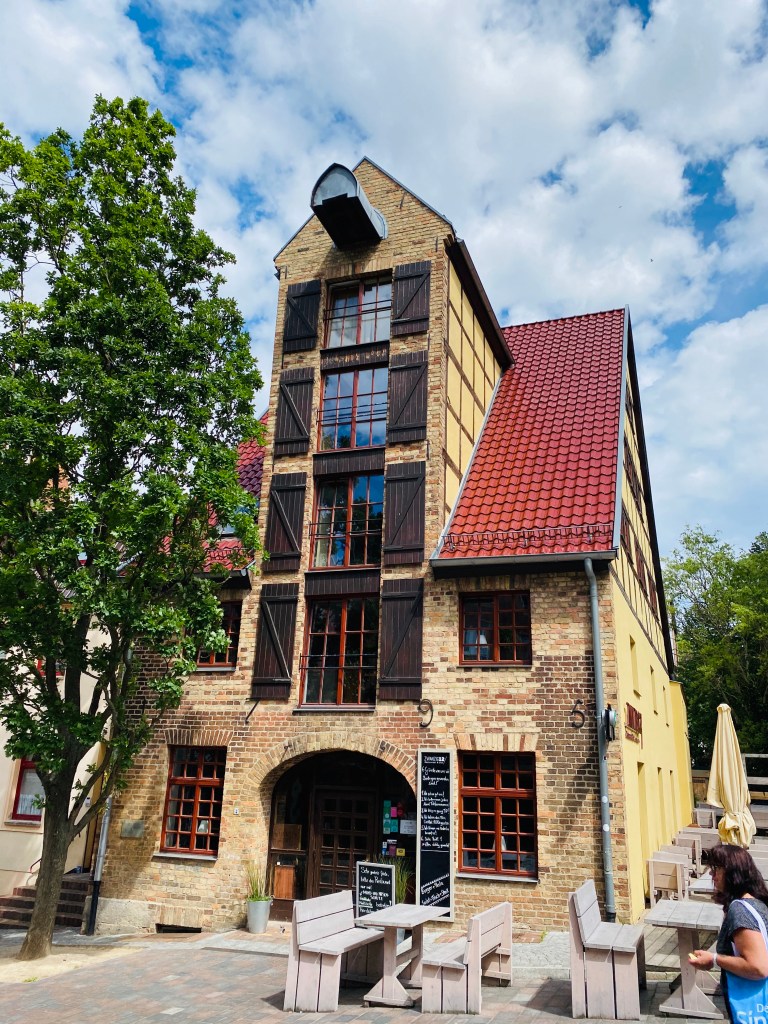
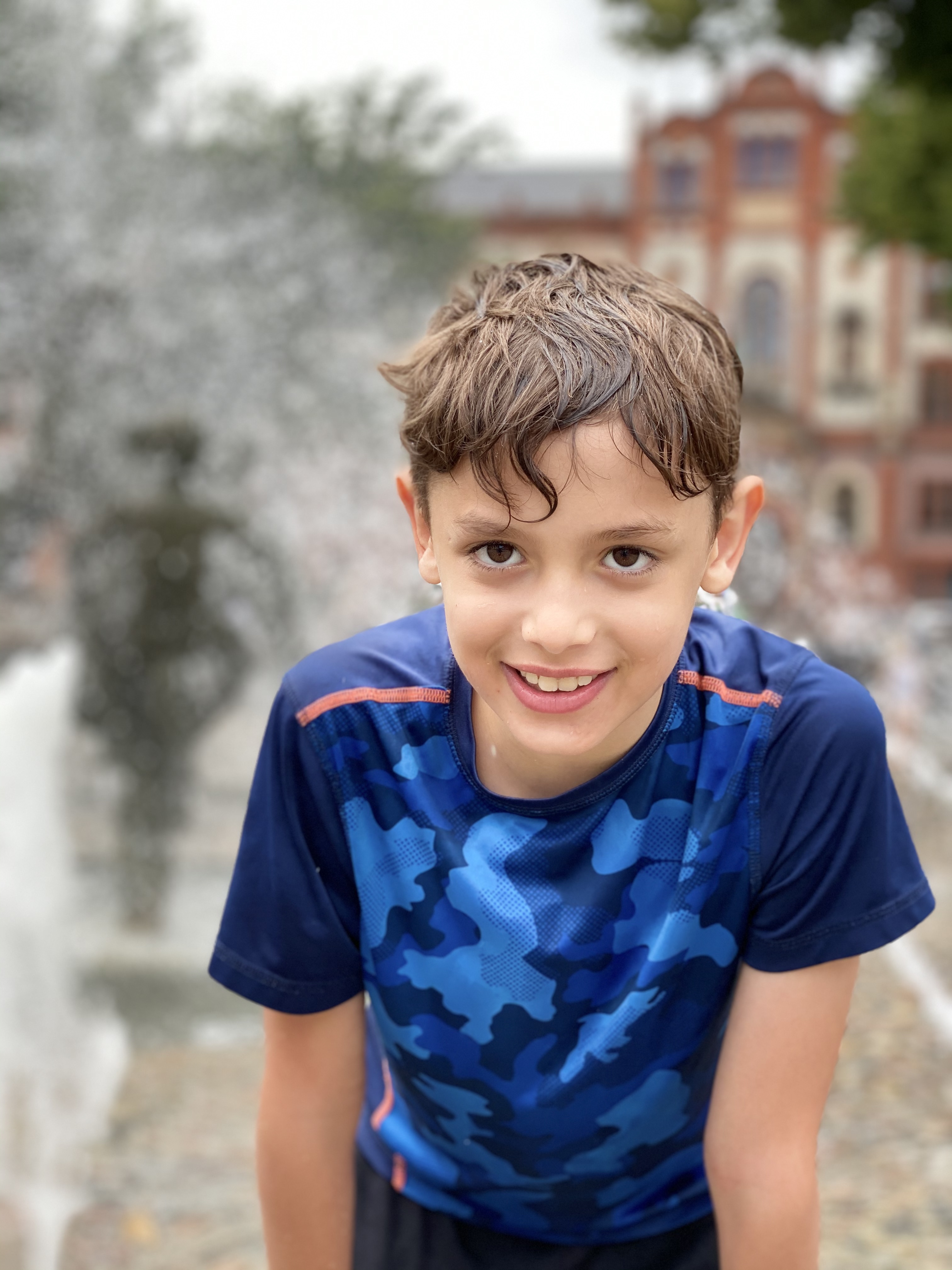
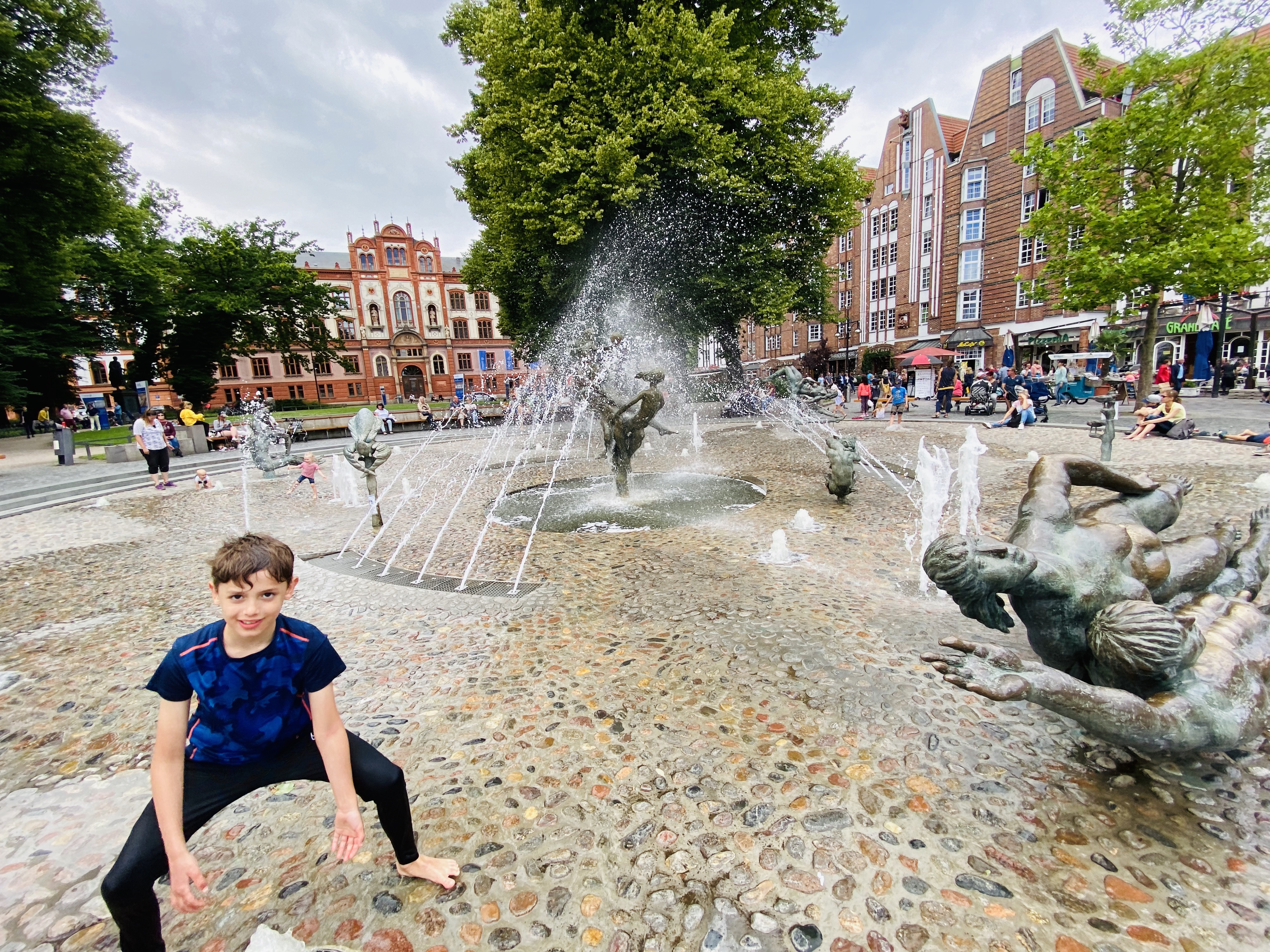
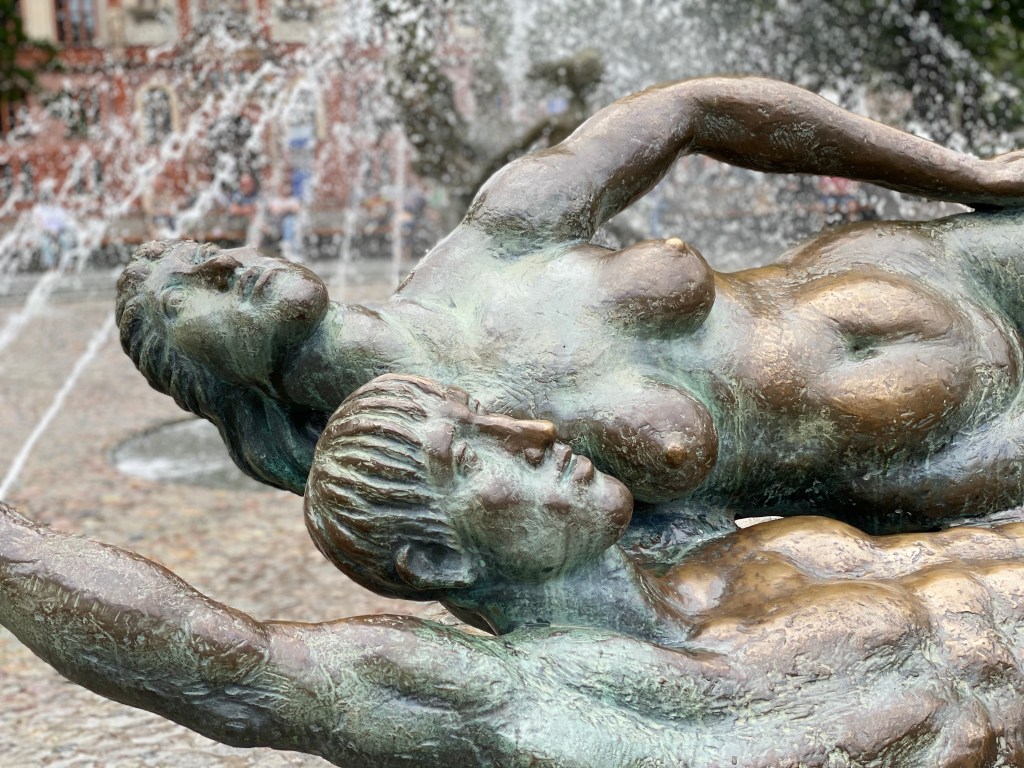
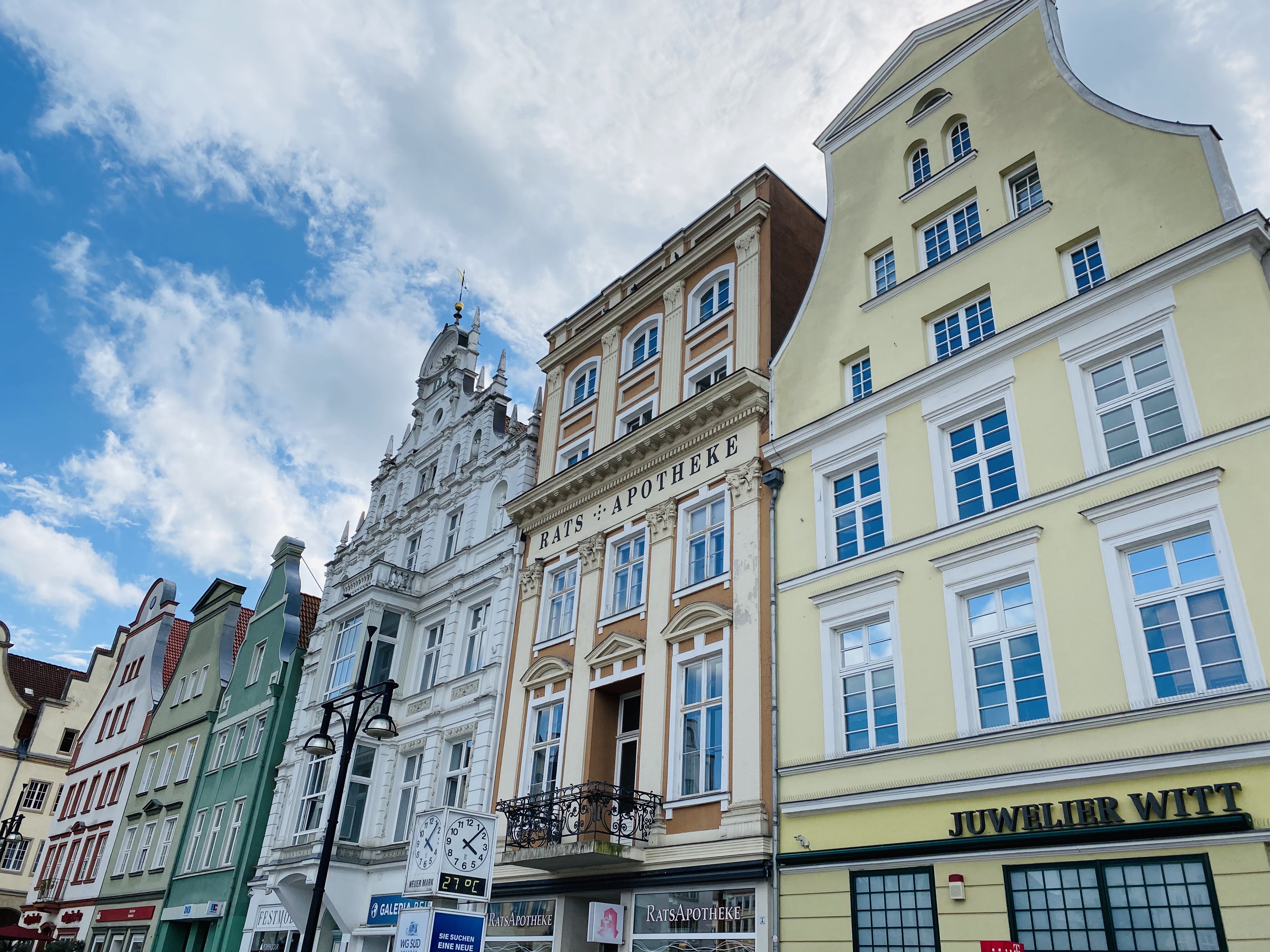
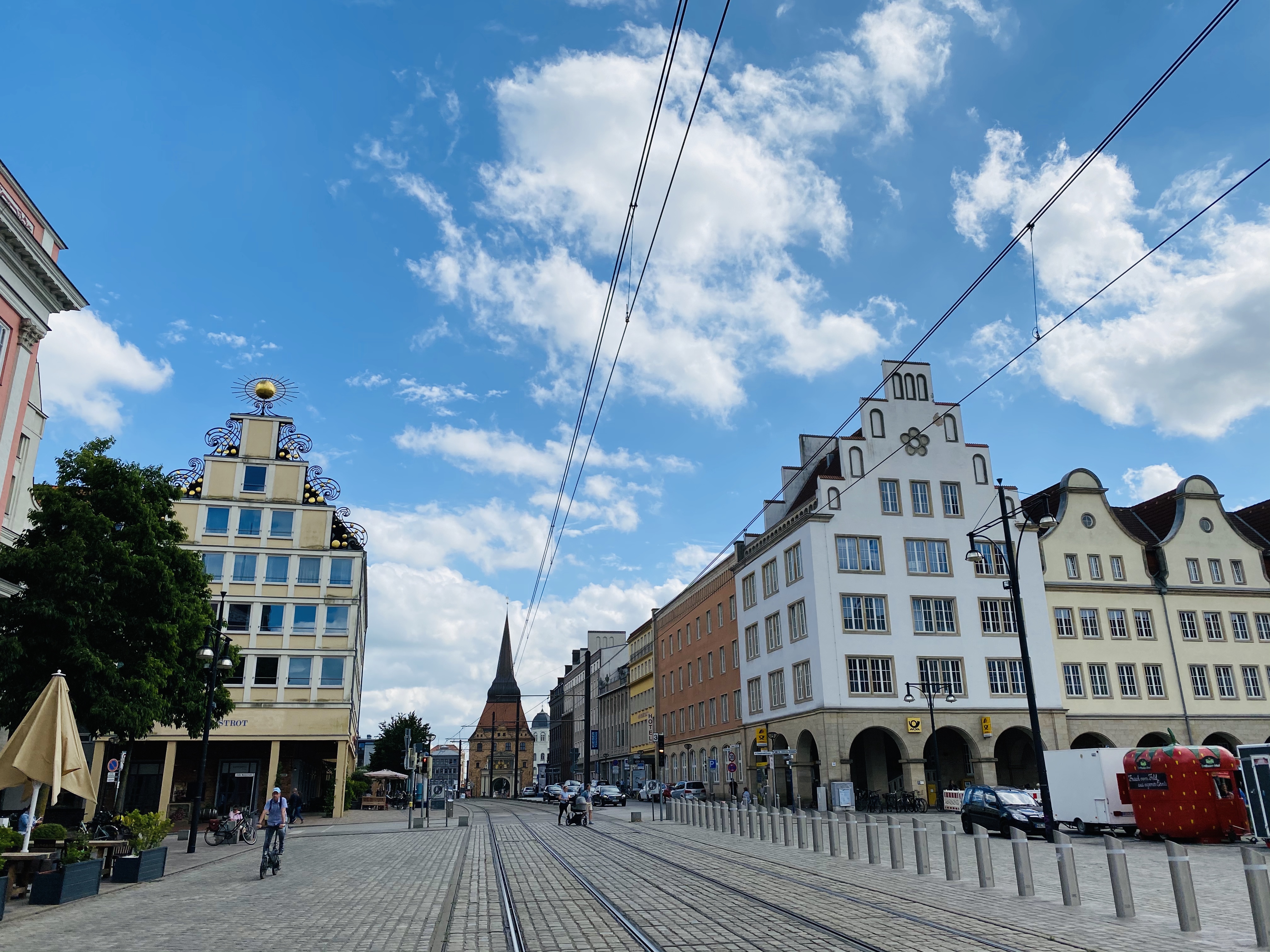
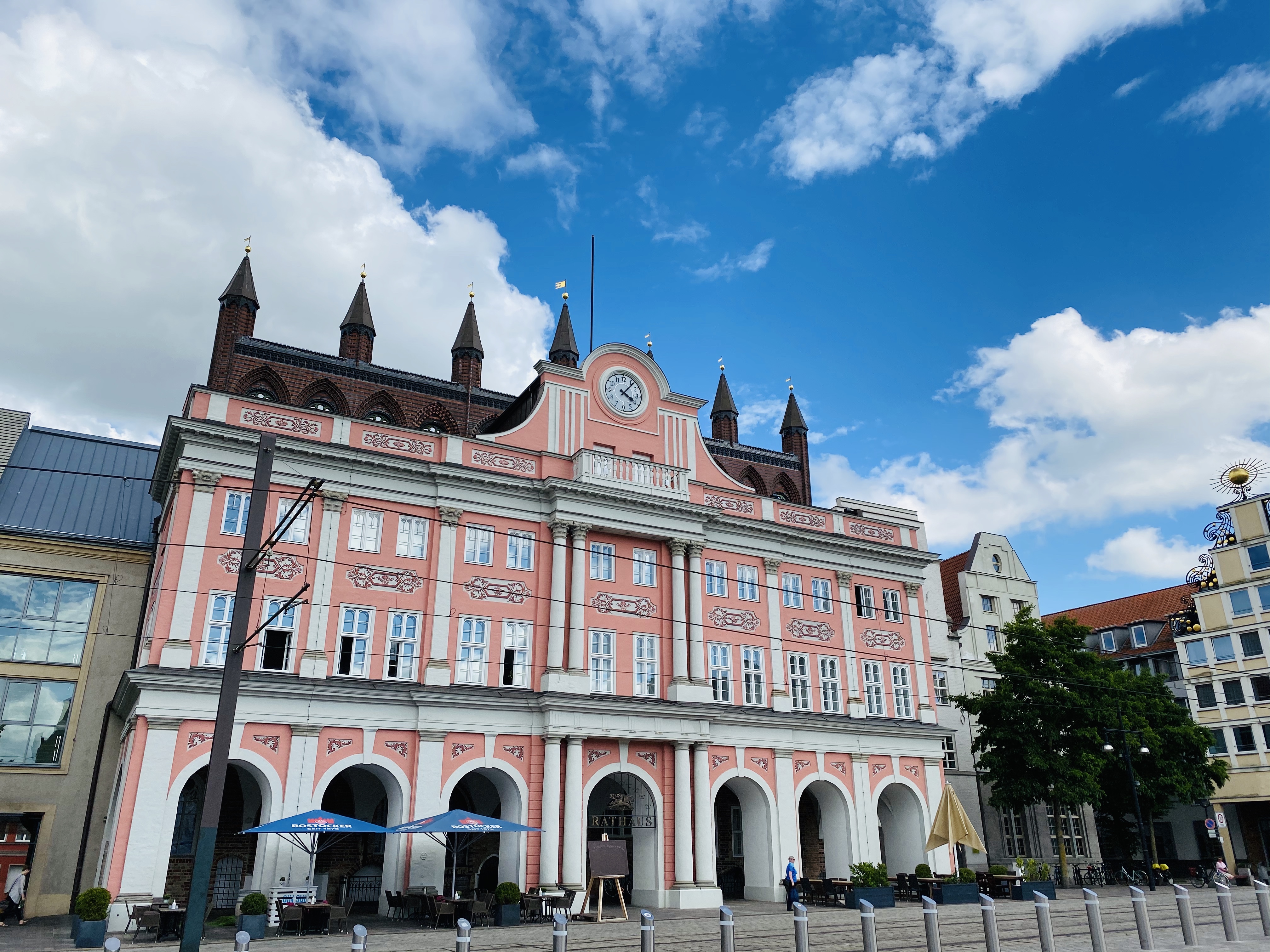
After the Ferris wheel ride, we headed south to the historic Kröpeliner Straße where the boys spotted a fantastic fountain while Dave and I headed straight to an espresso cart.
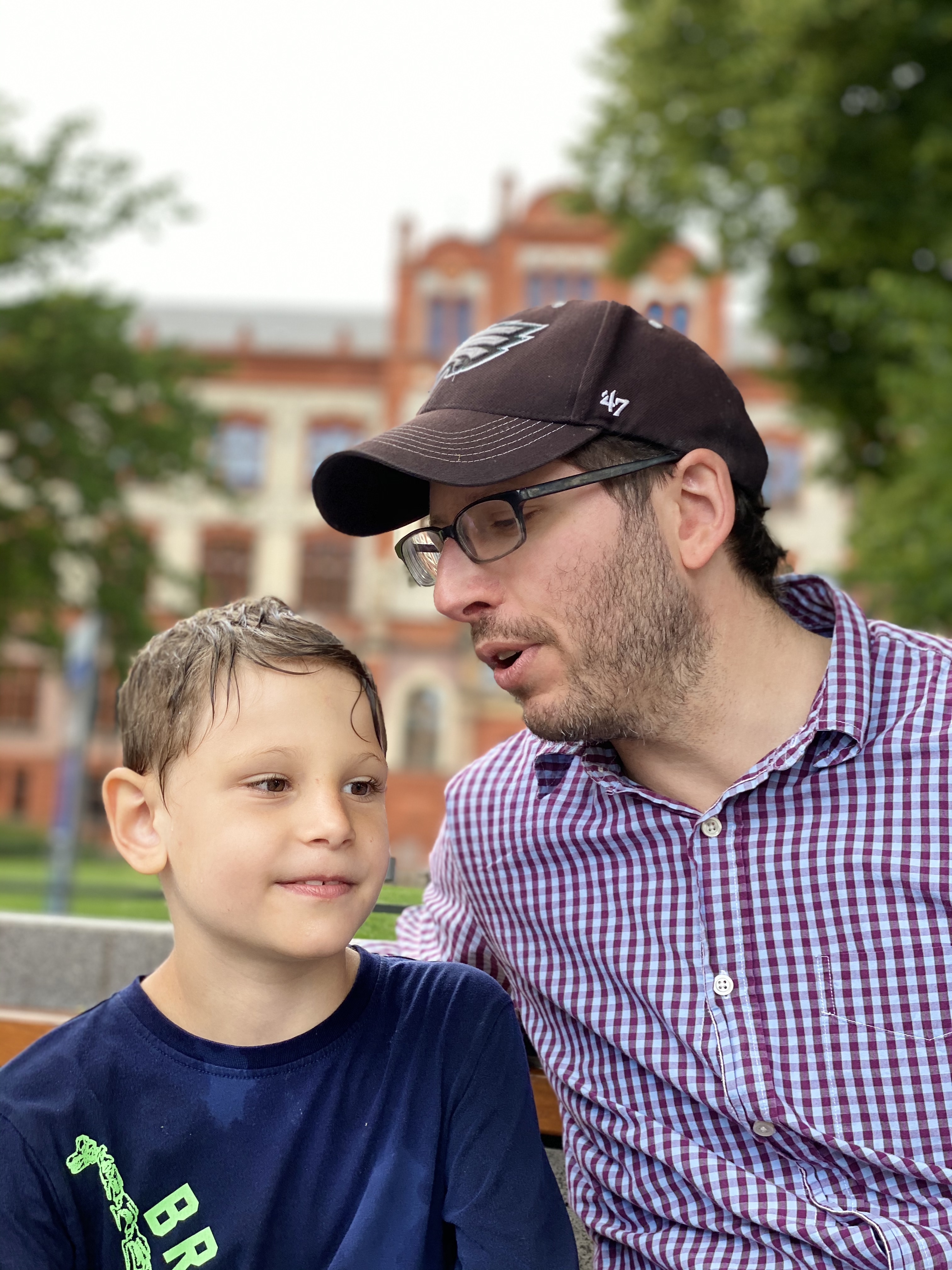

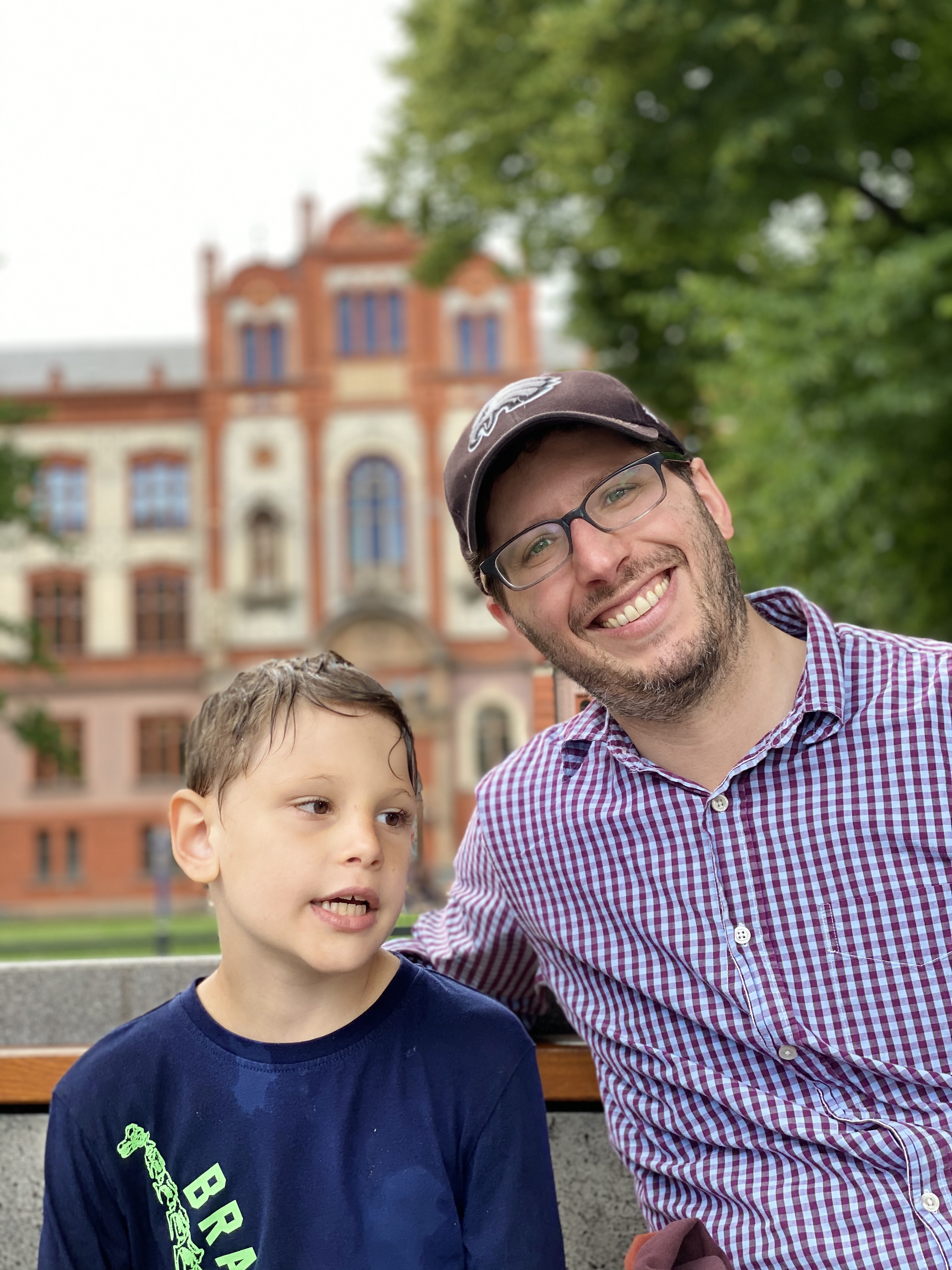
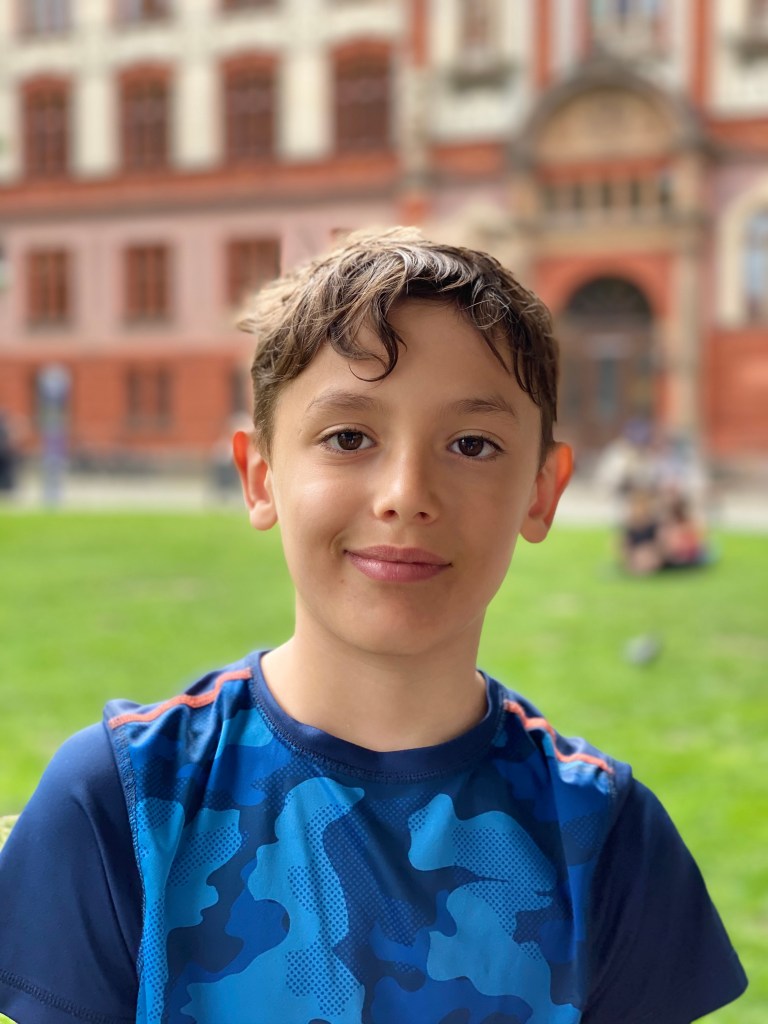
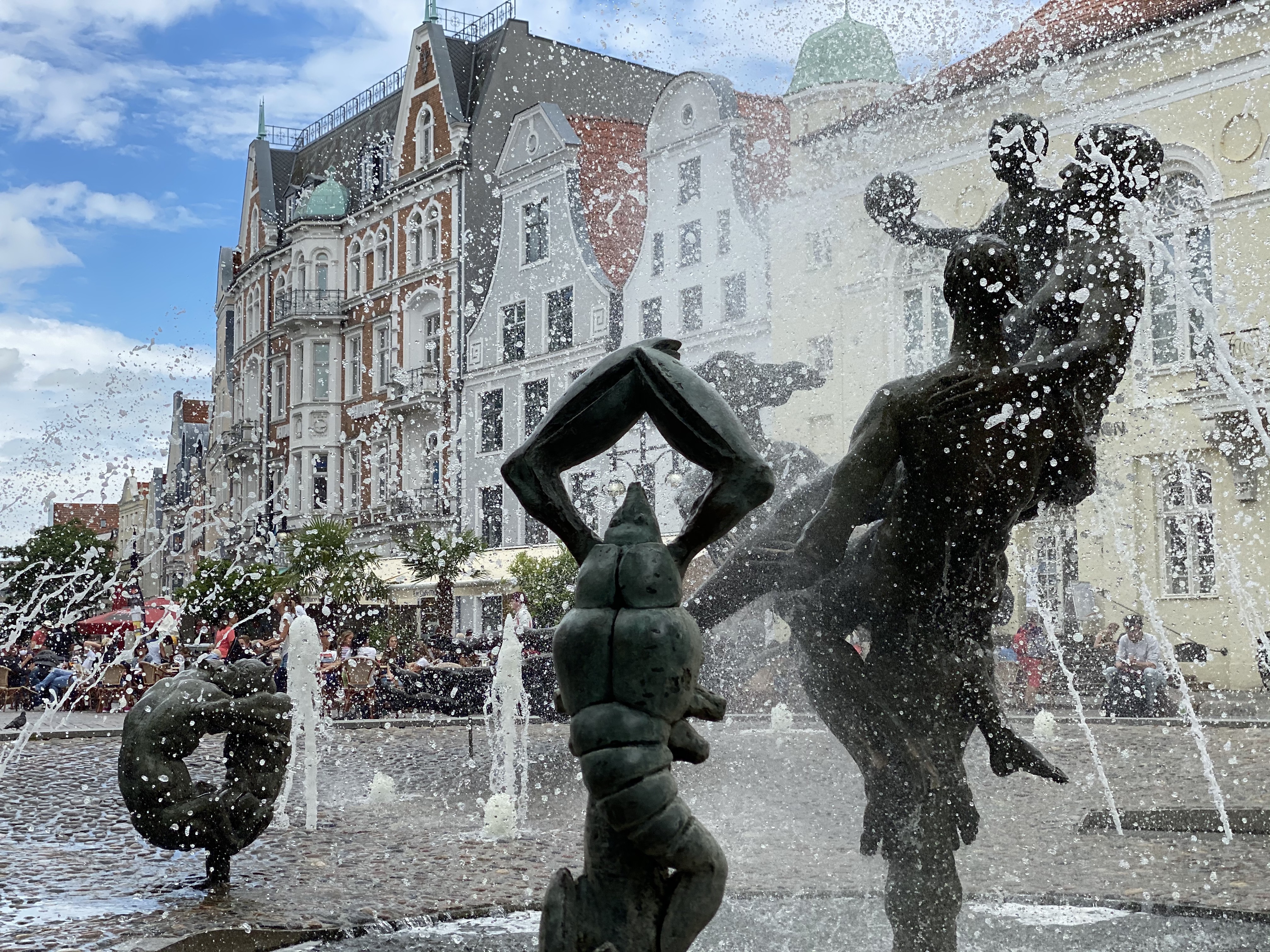
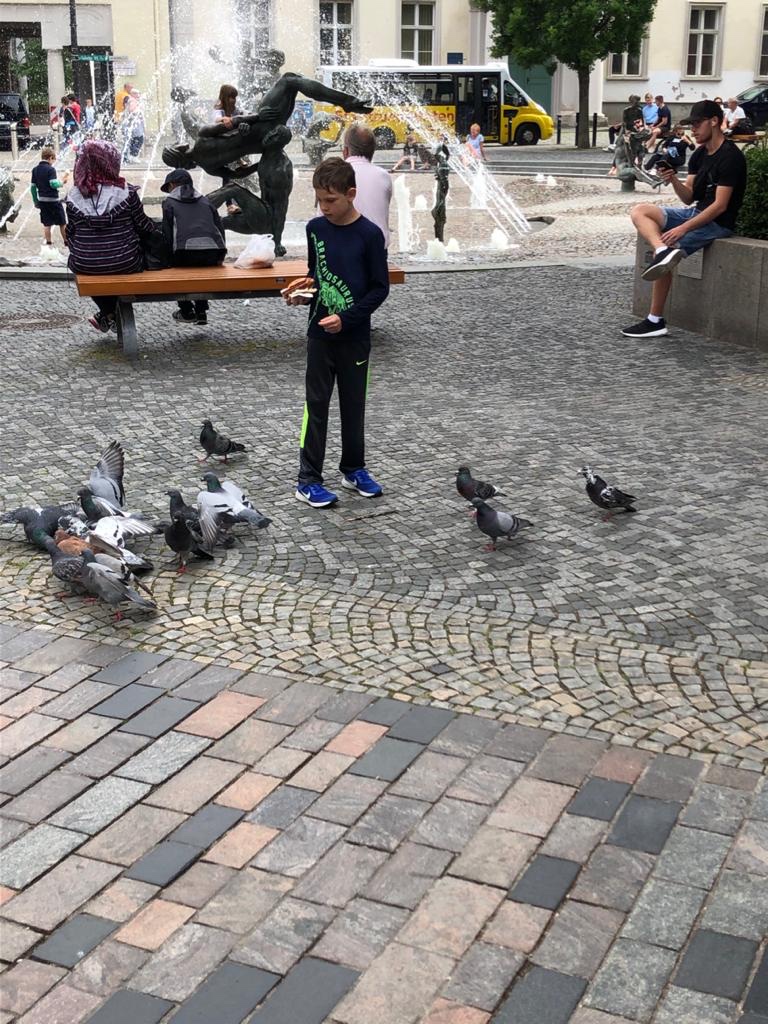
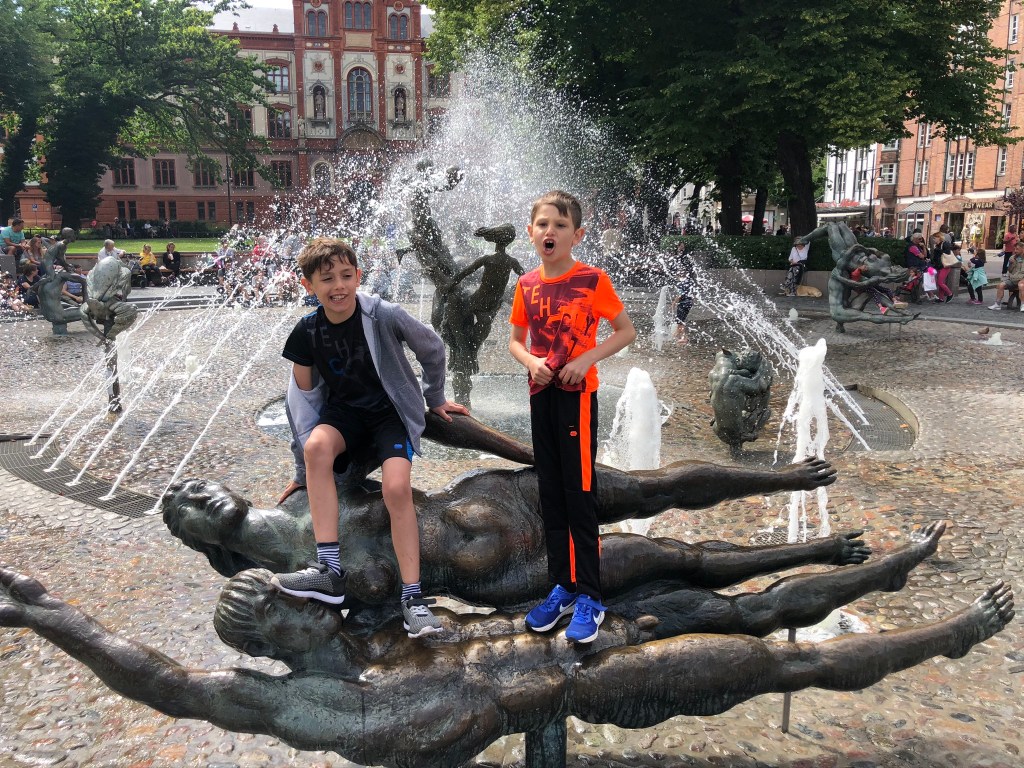
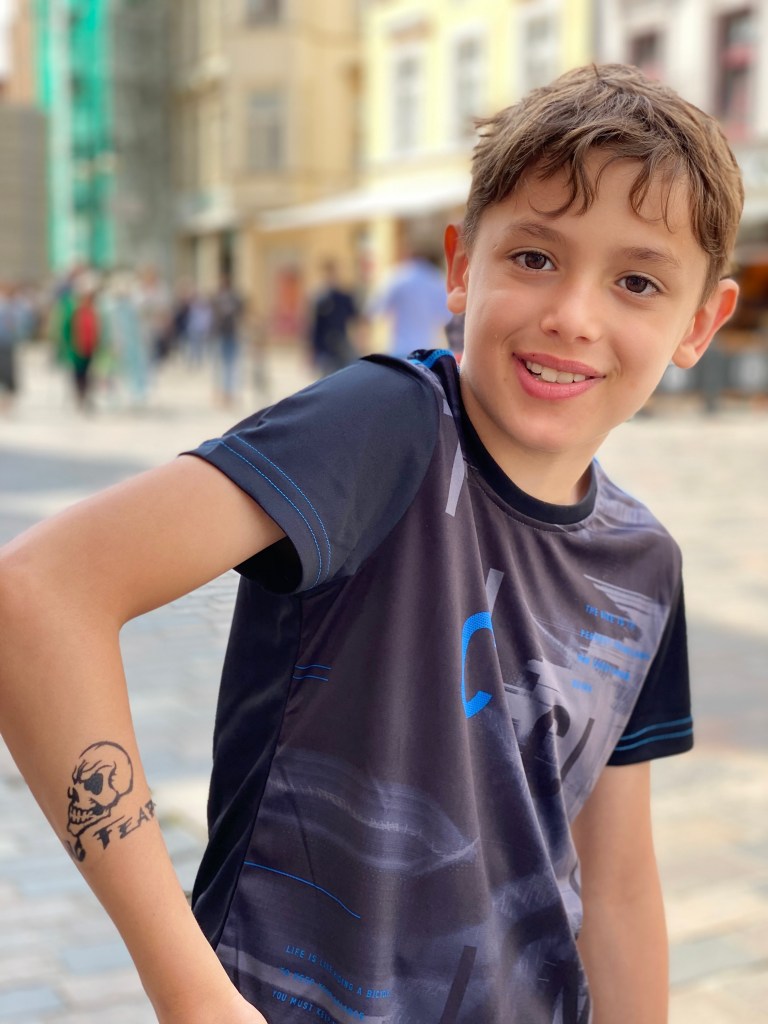
The boys got so soaking wet that I popped into a Galleria Kaufhaus department store to buy them new socks, pants and shirts. They both sheepishly changed behind a staute in the adjoining park.
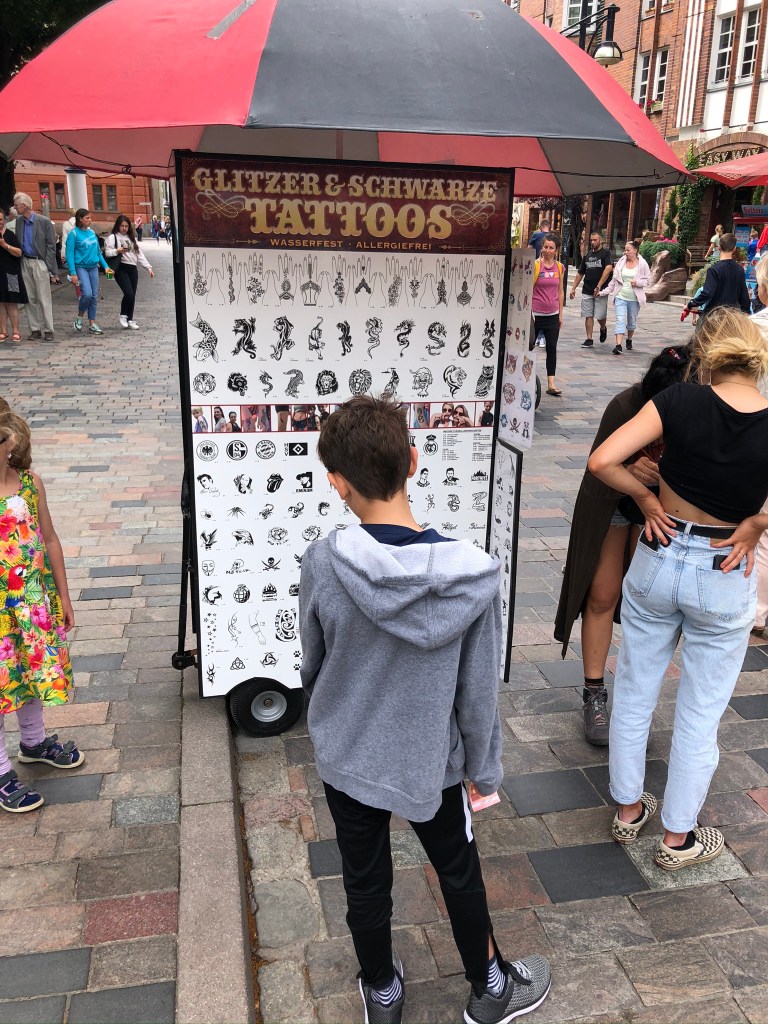
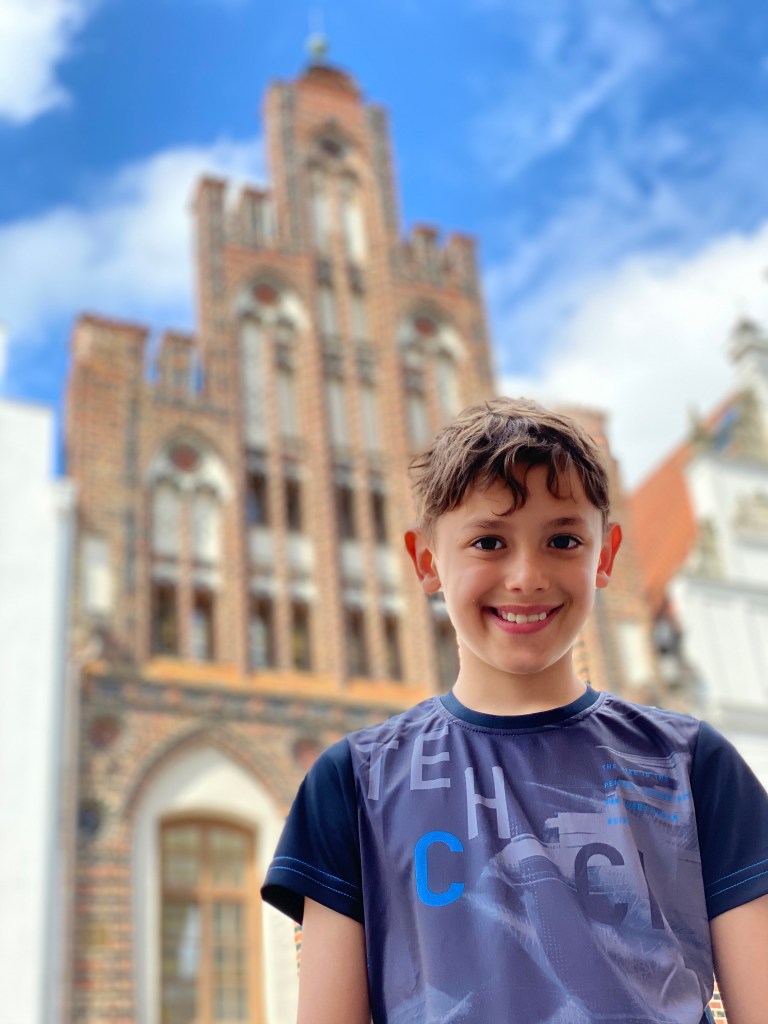
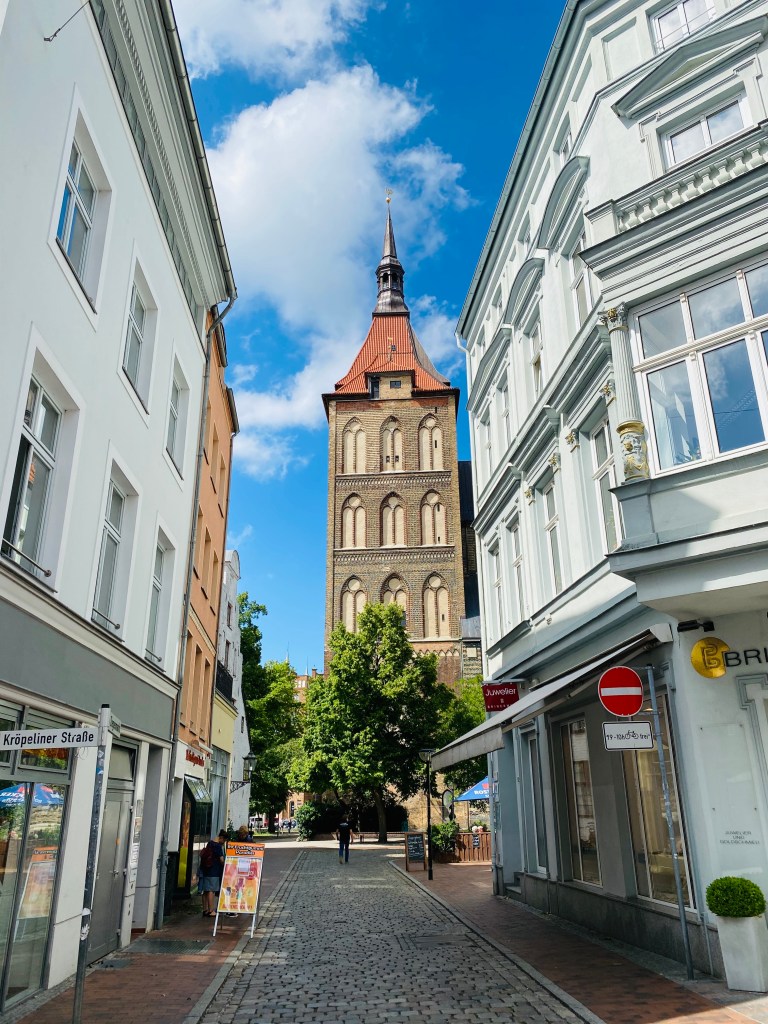

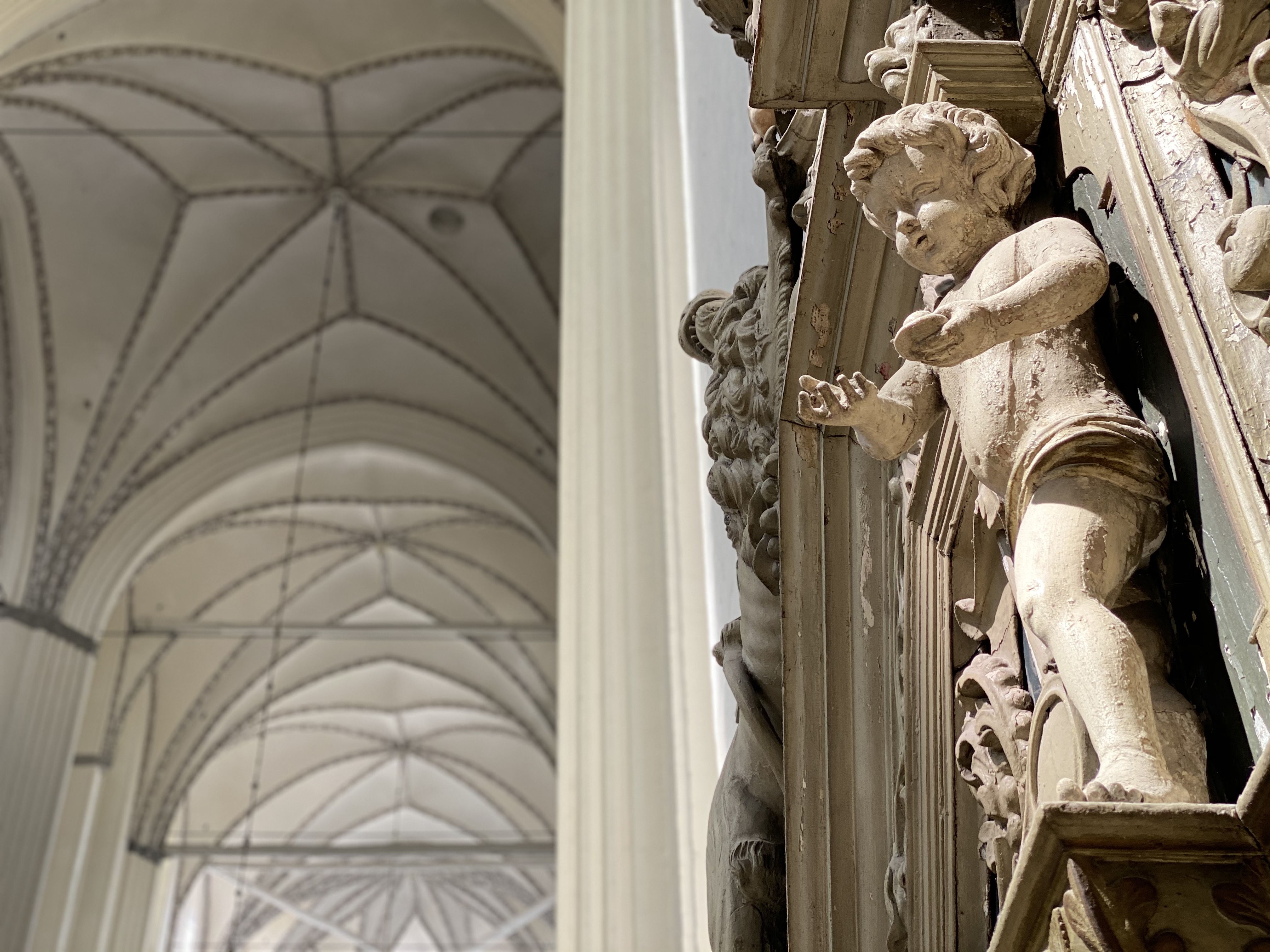
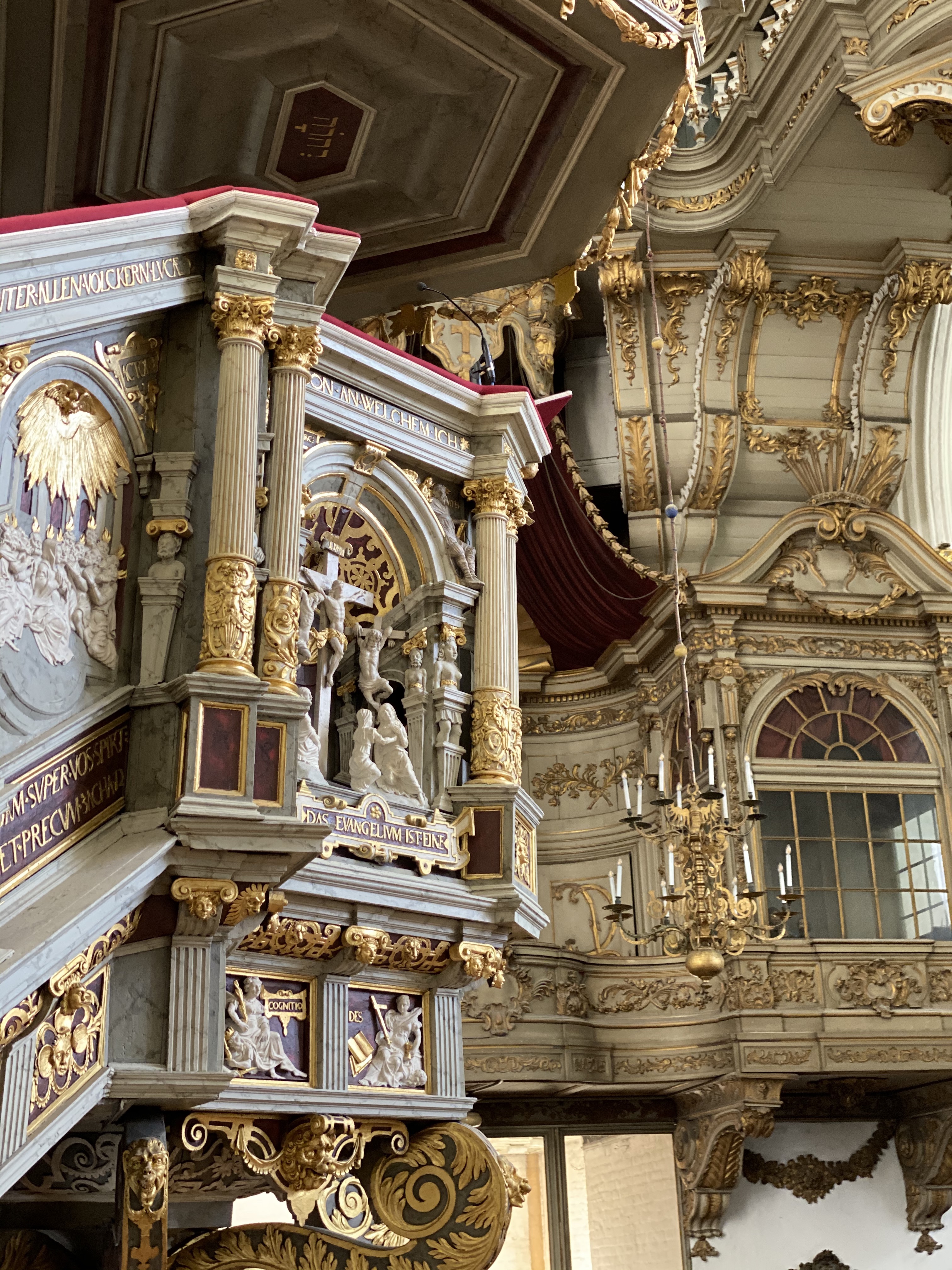
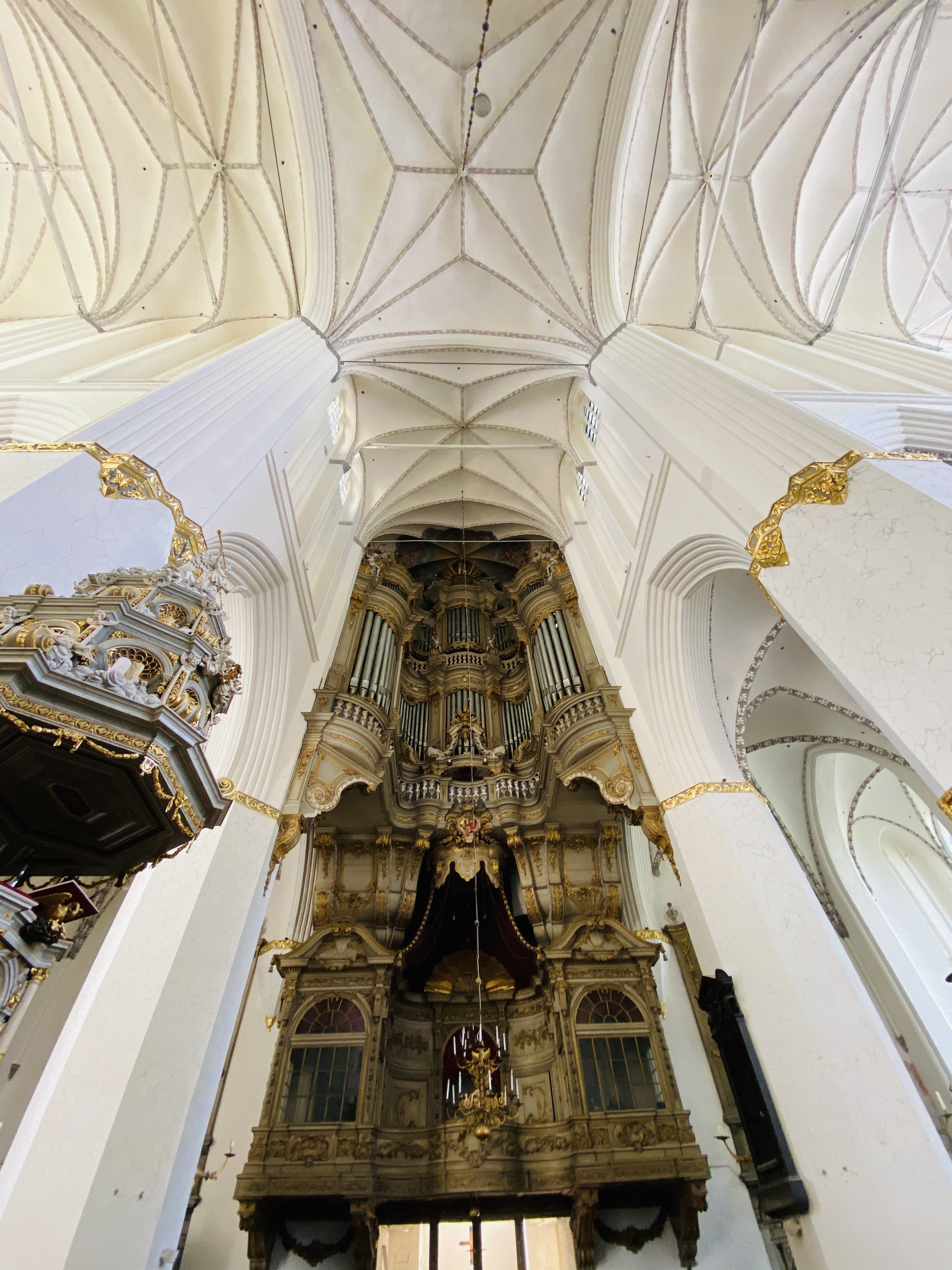
St. Mary’s is Rostock’s largest church and one of the largest brickstone gothic buildings in the whole Baltic region.

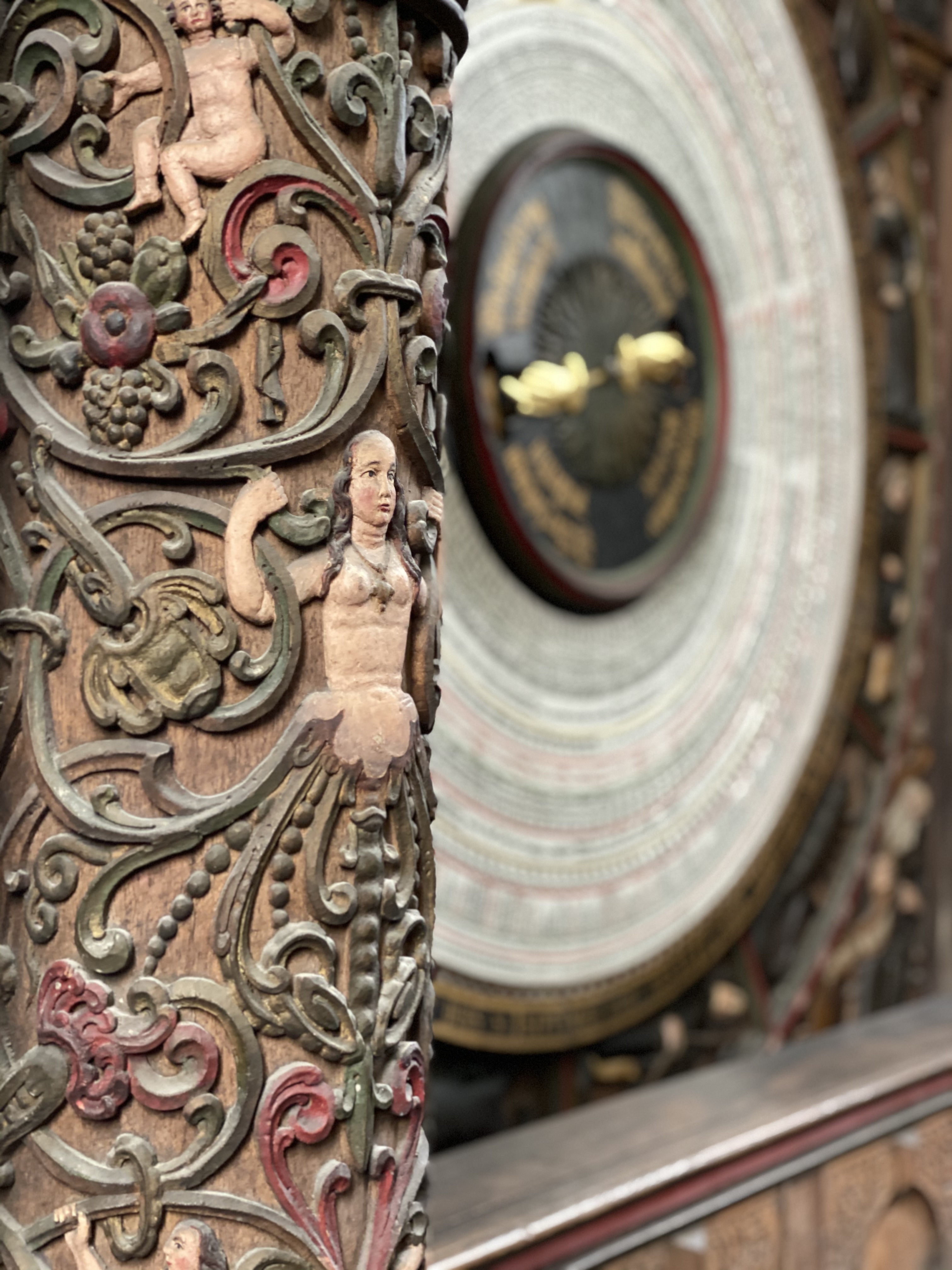
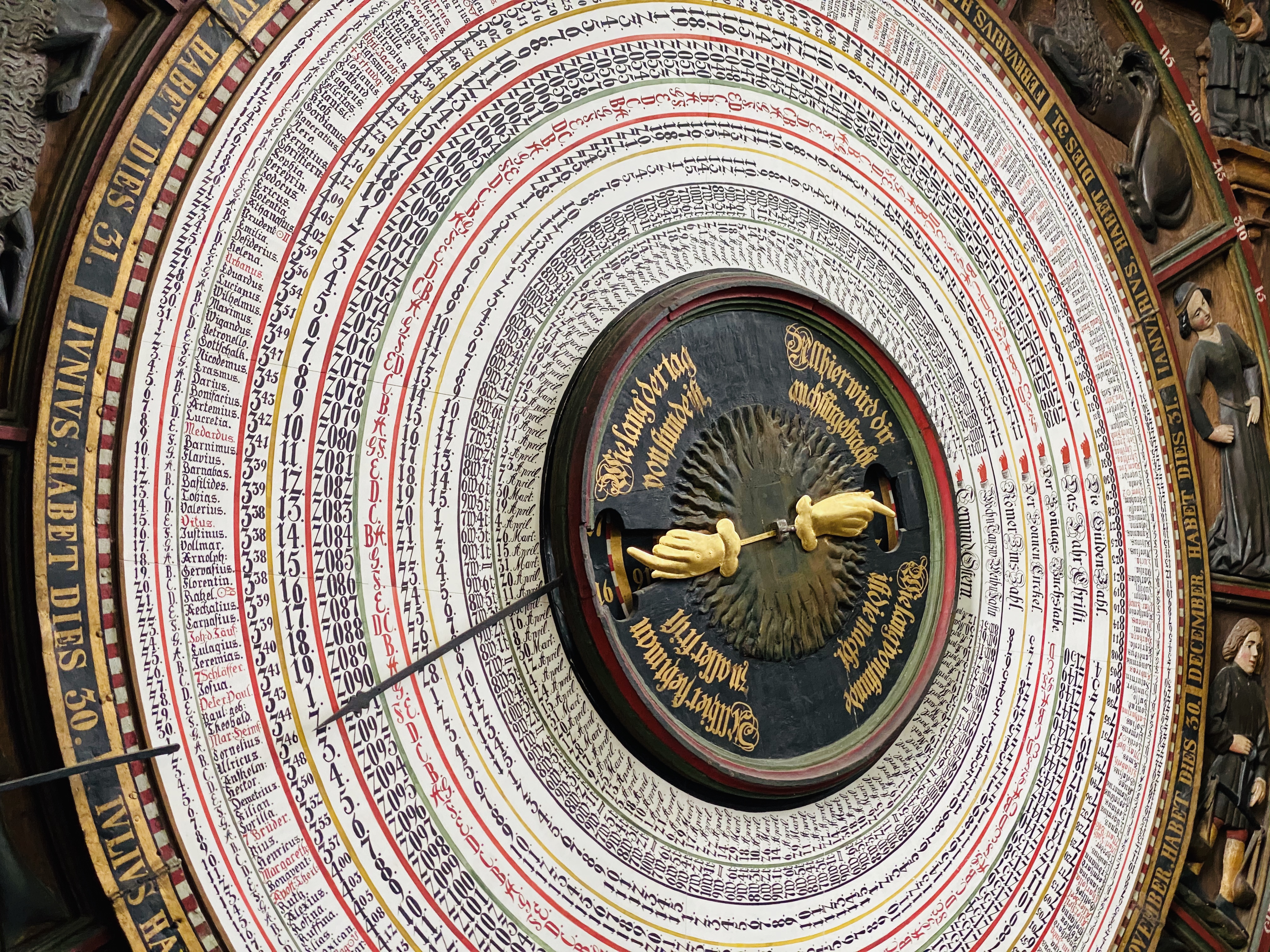


The astronomical clock was built in 1472. It consists of three partitions:
- Top: Apostle-go-round giving an hourly performance of the apostles crossing before Jesus for a blessing before entry into eternal bliss, and the last, Judas, is shut out.
- Middle: Clock with daily time, zodiac, moon phases, and month;
- Bottom: Calendar, which is valid until 2150 (beginning 2018 this table replaced the 4th, which lasted from 1885 to 2017).
The medieval clock is the only one of its kind still in working condition with its original clockworks.

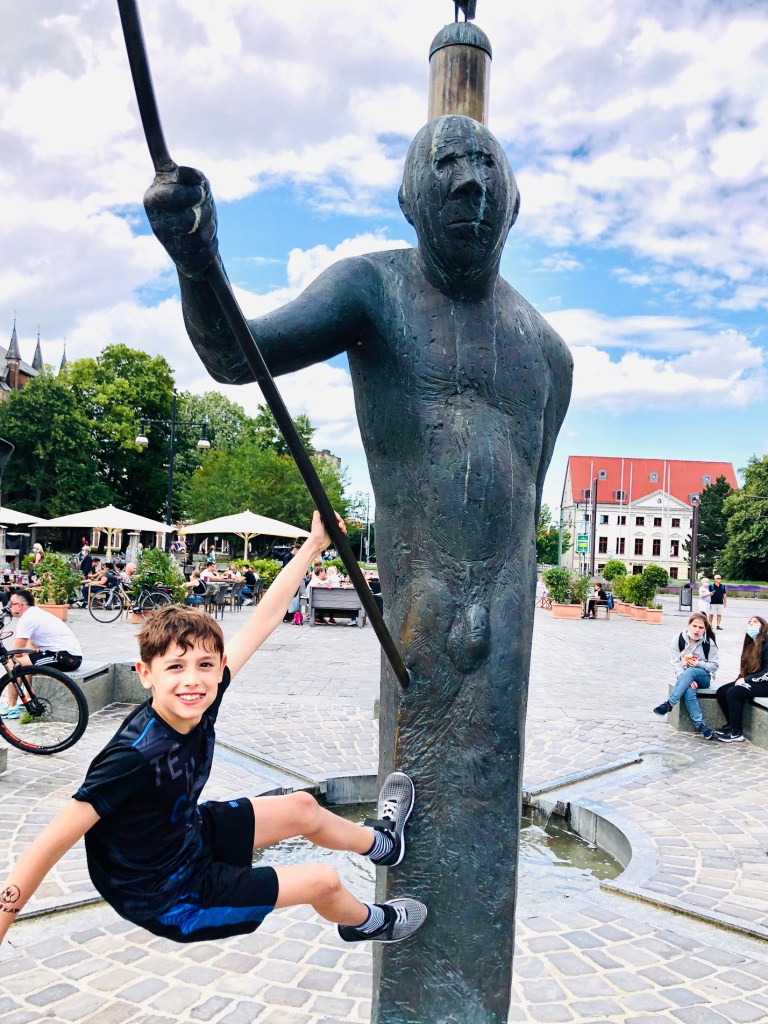
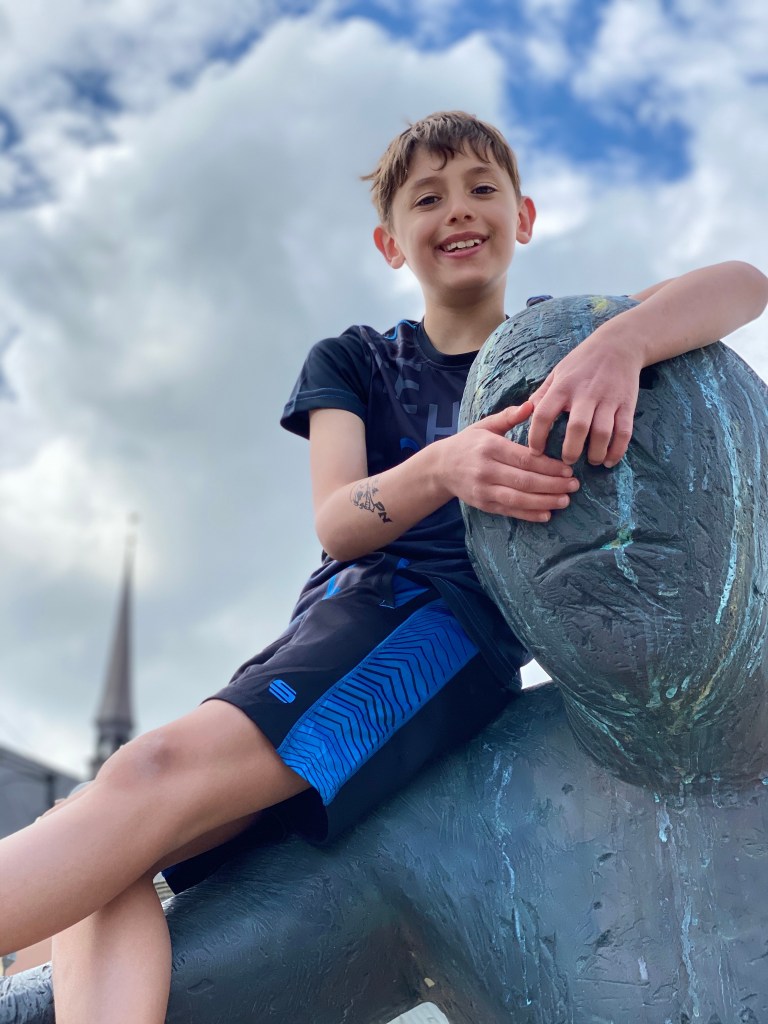
With the boys getting bored, we decided to head back to the car. I really wanted to see the nearby beach, but we weren’t getting much agreement from the back seat.
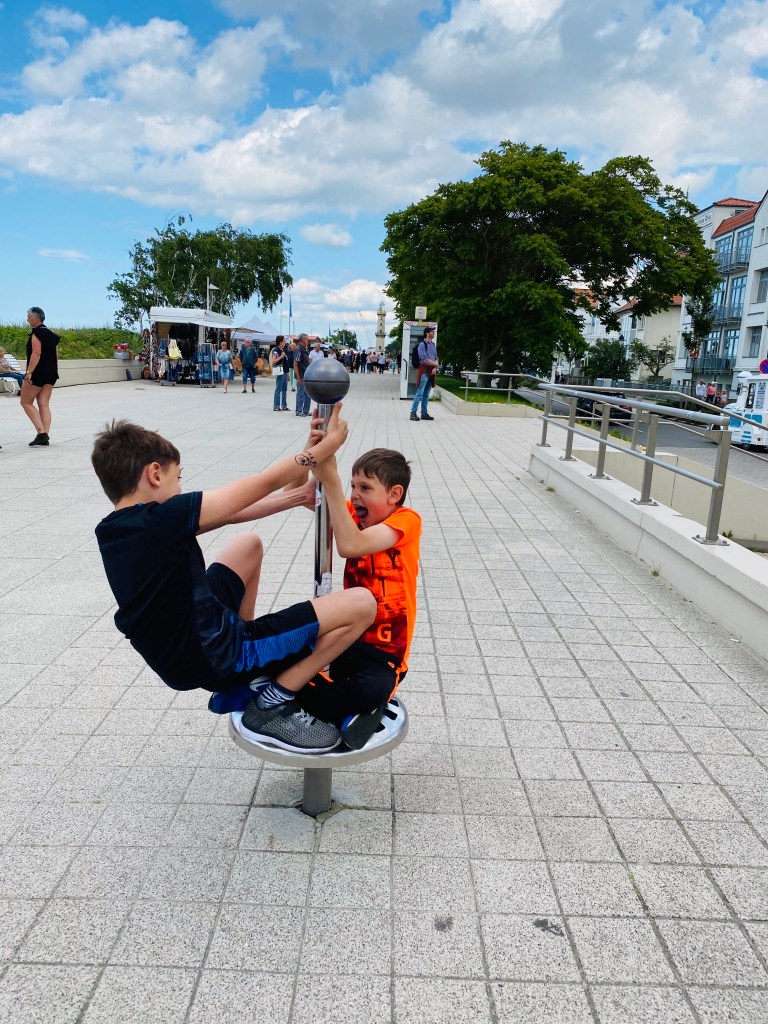
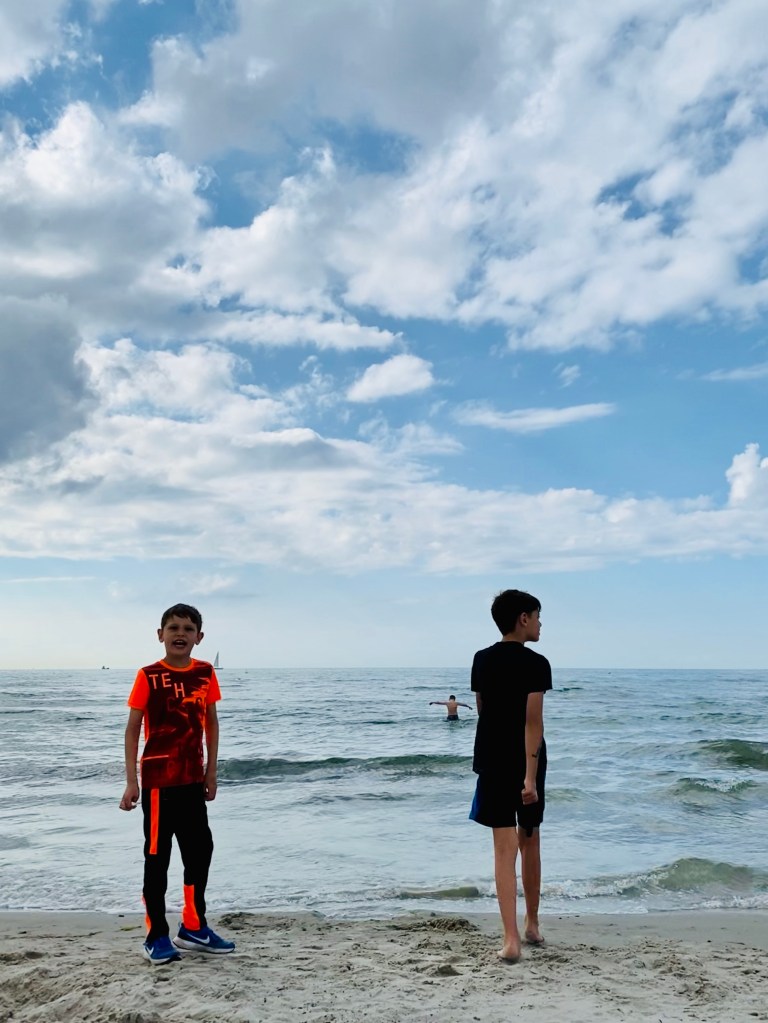
Somehow, we convinced the boys to see the beach. Perhaps there was a candy bribe involved? And a newly purchased loaf of bread for the gulls.
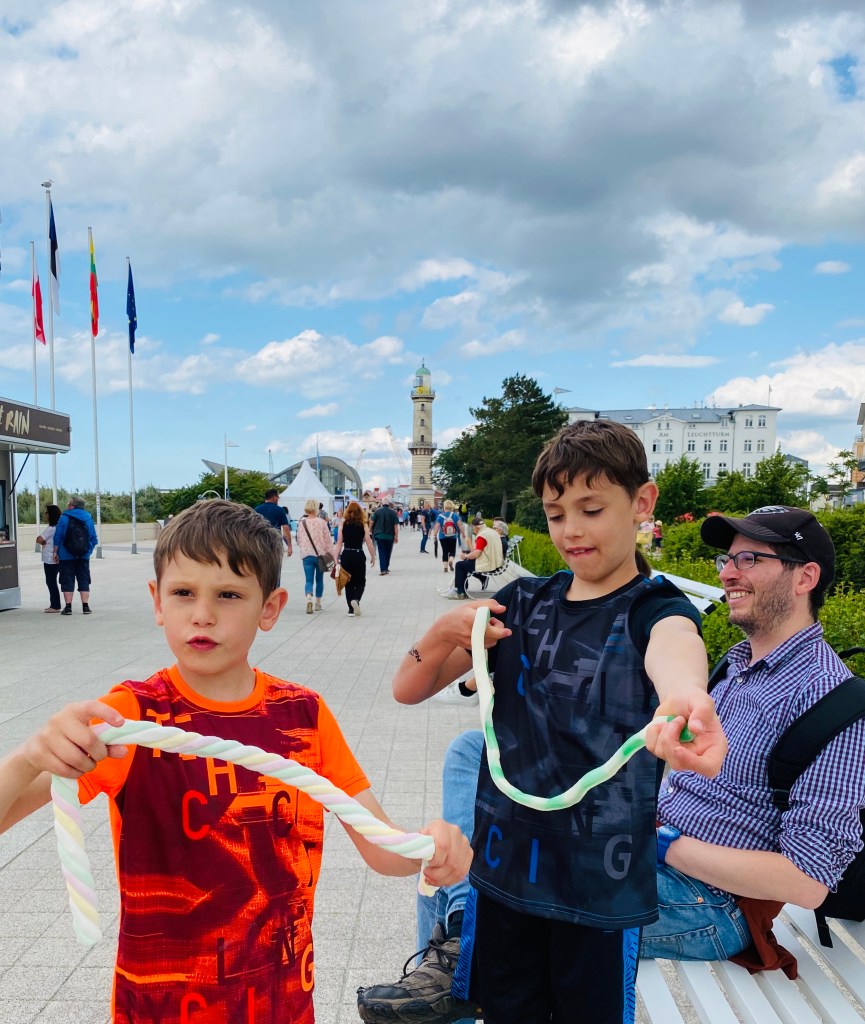
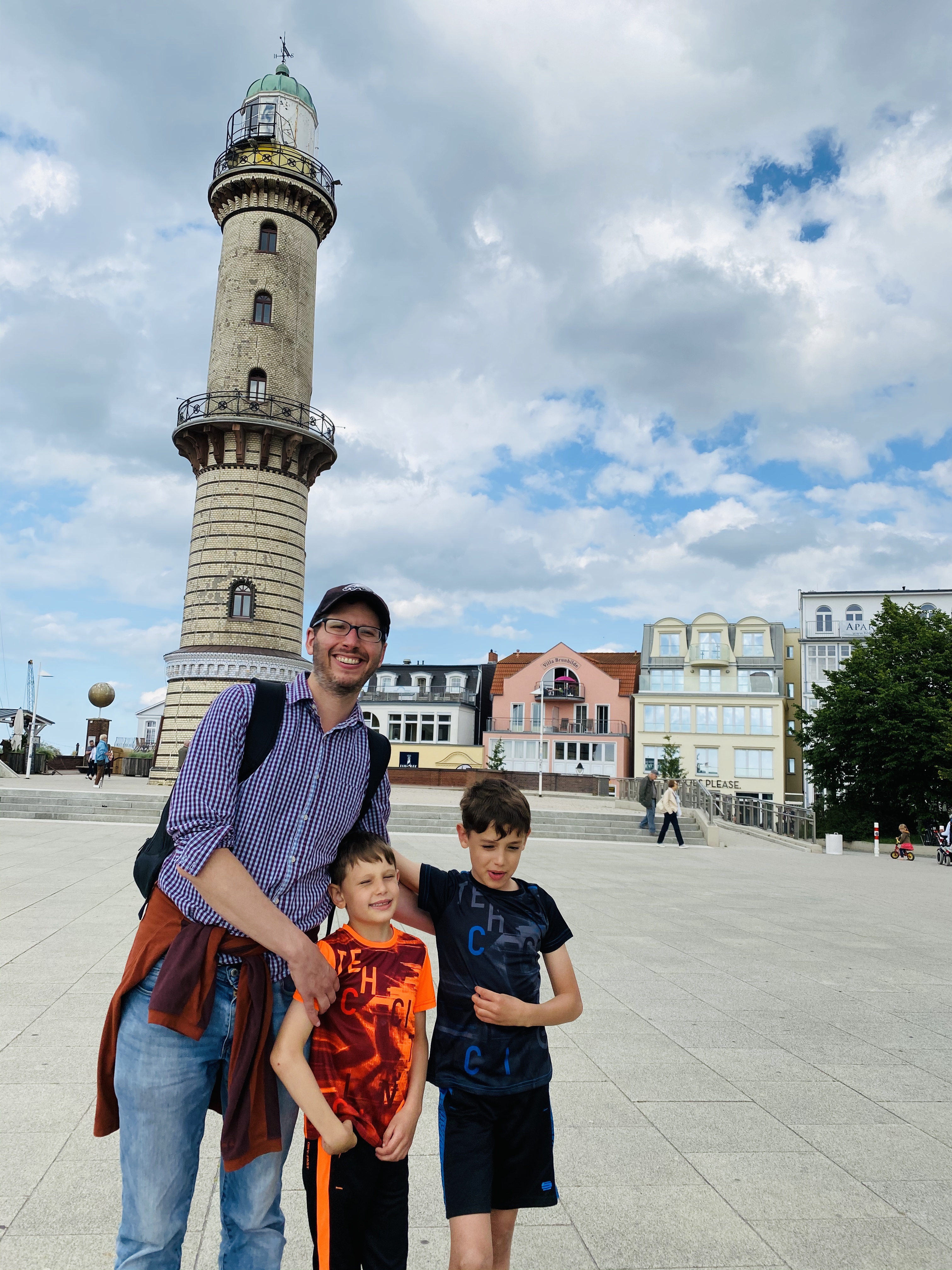

Warnemünde is a German port town on the Baltic Sea, near Rostock. It’s known for its long beachfront and marina, a cruise-ship stop.
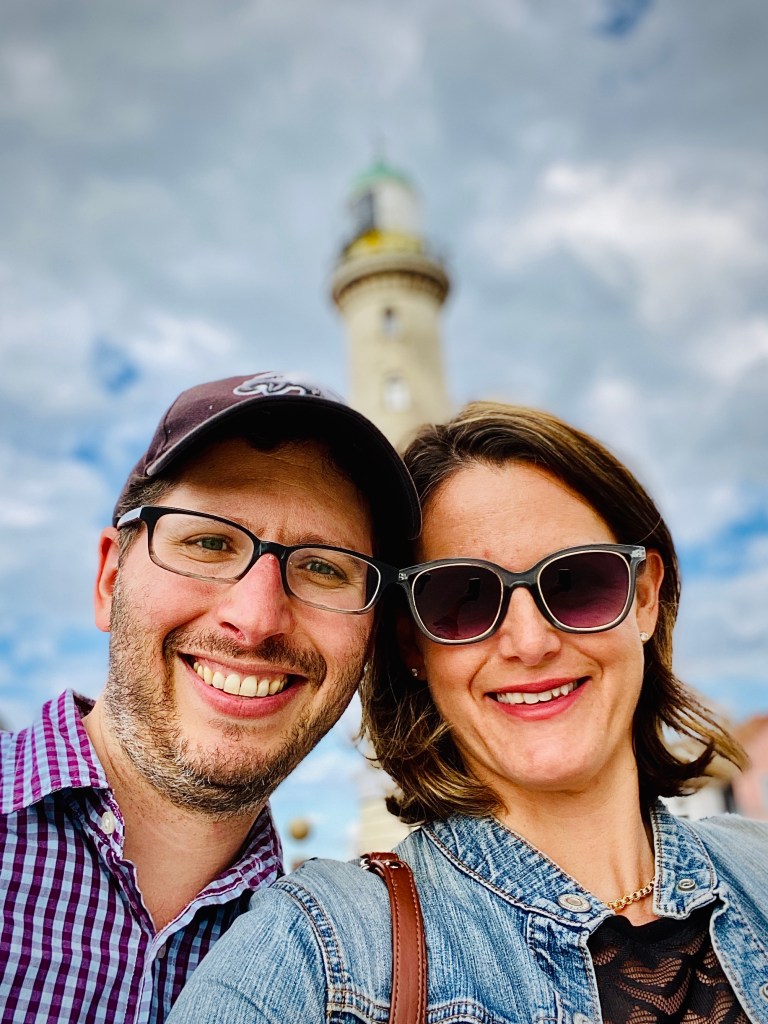
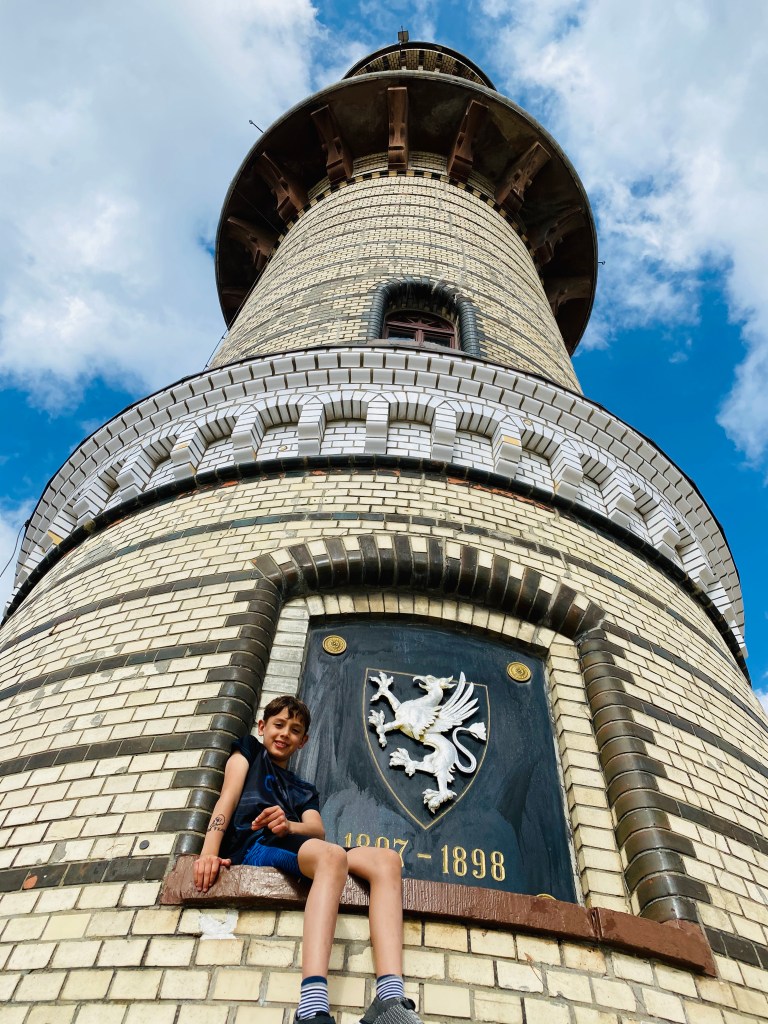
The late-19th-century lighthouse and neighboring Teepott building display distinctive East German architecture.
Nearby, the Alter Strom canal is lined with shops and fishing boats.
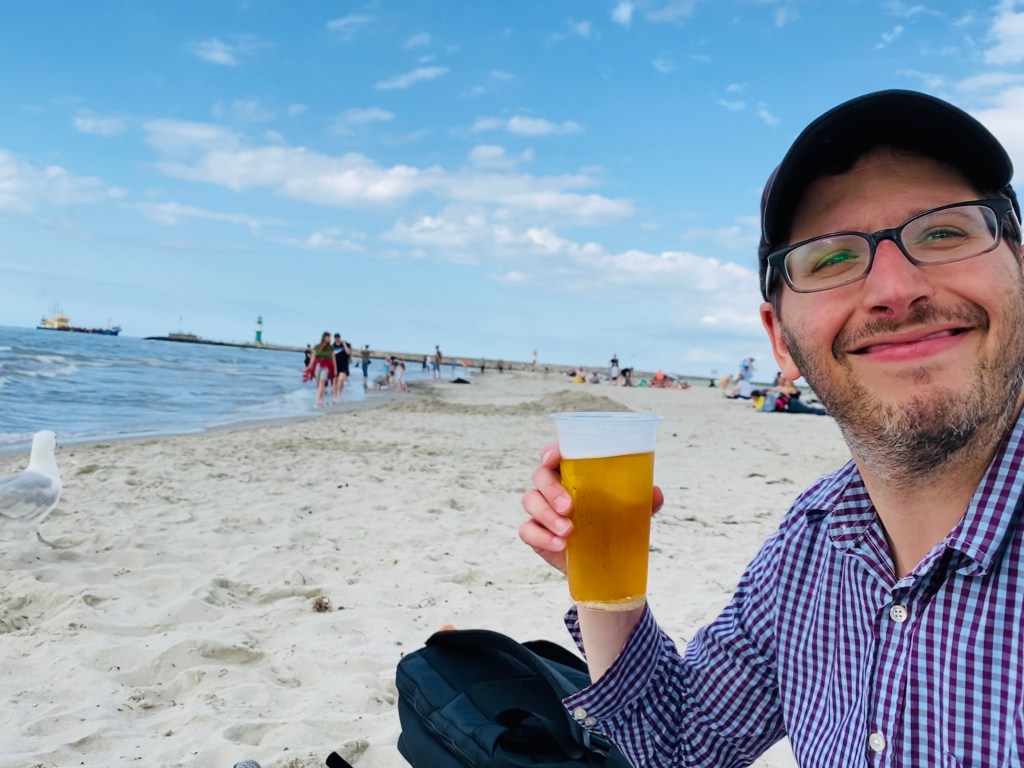
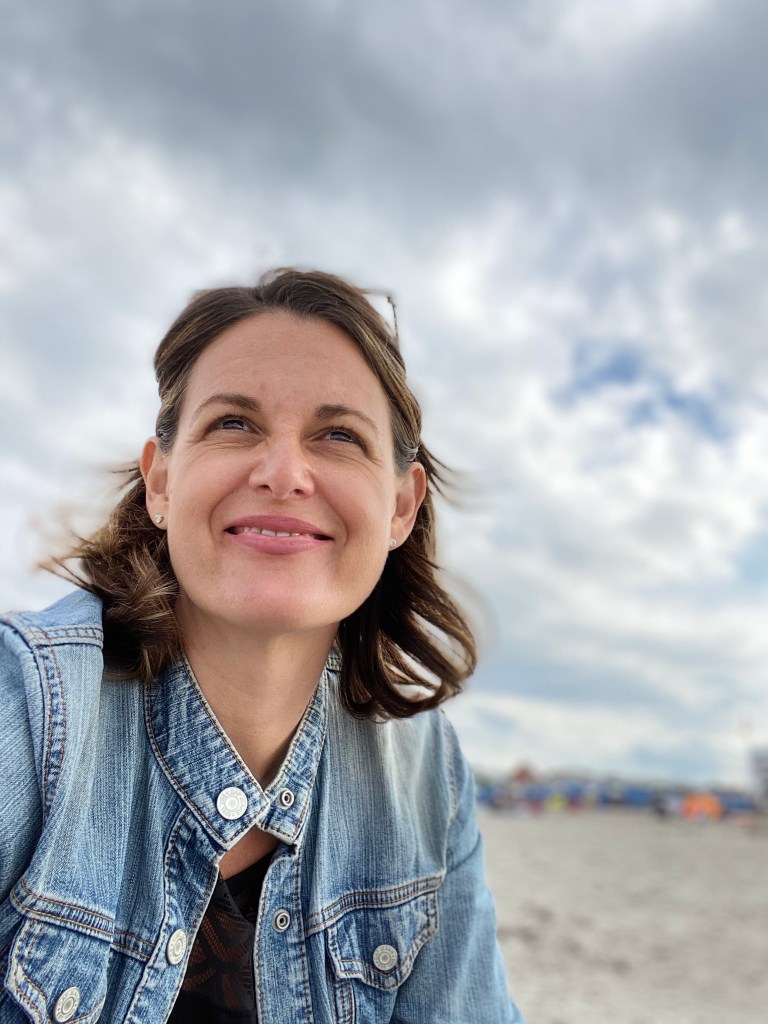
While we weren’t planning on a beach trip that day (and failed to pack our towels and suits as the forecast had called for rain) we all had a wonderful time, even the boys!
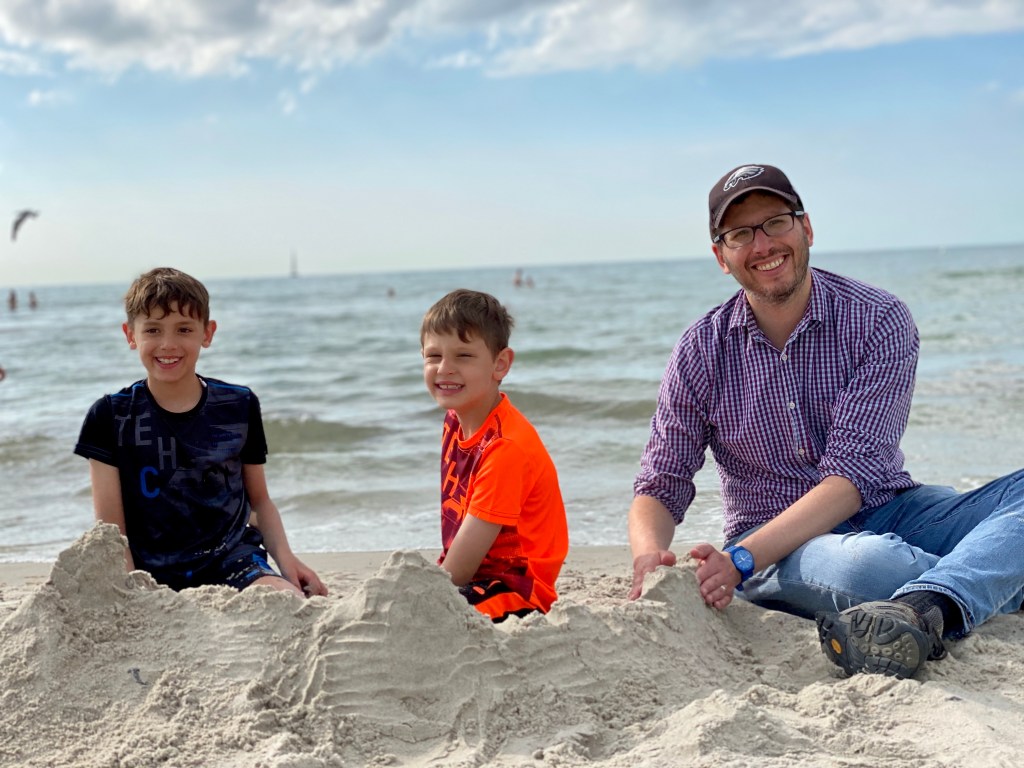
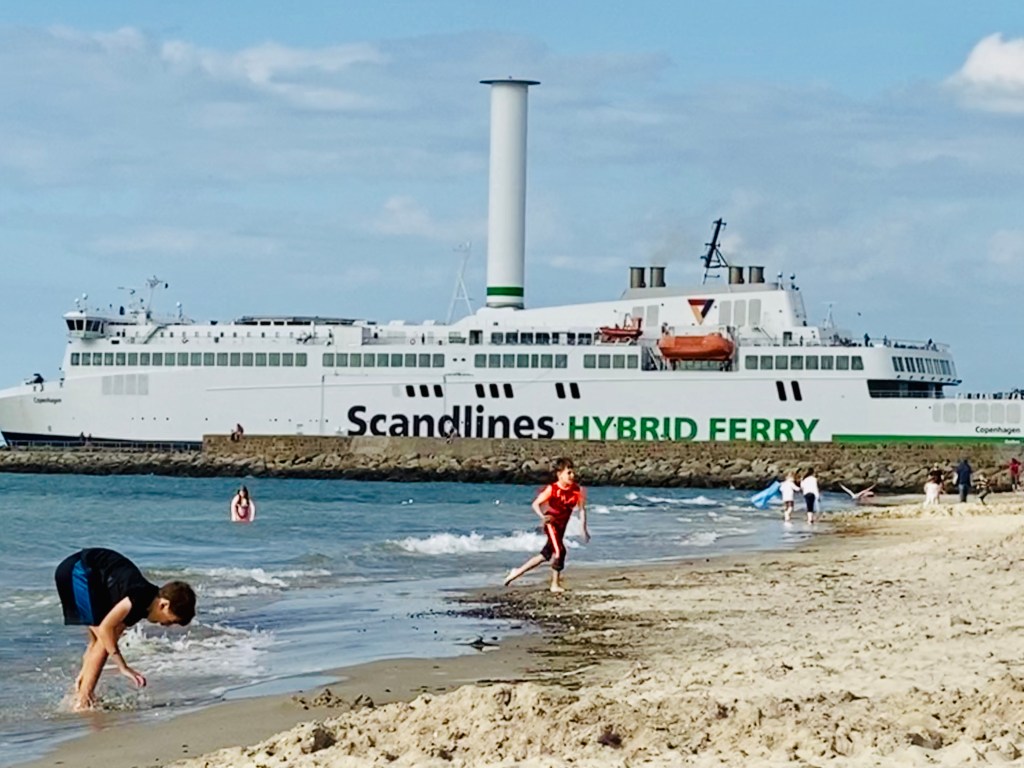
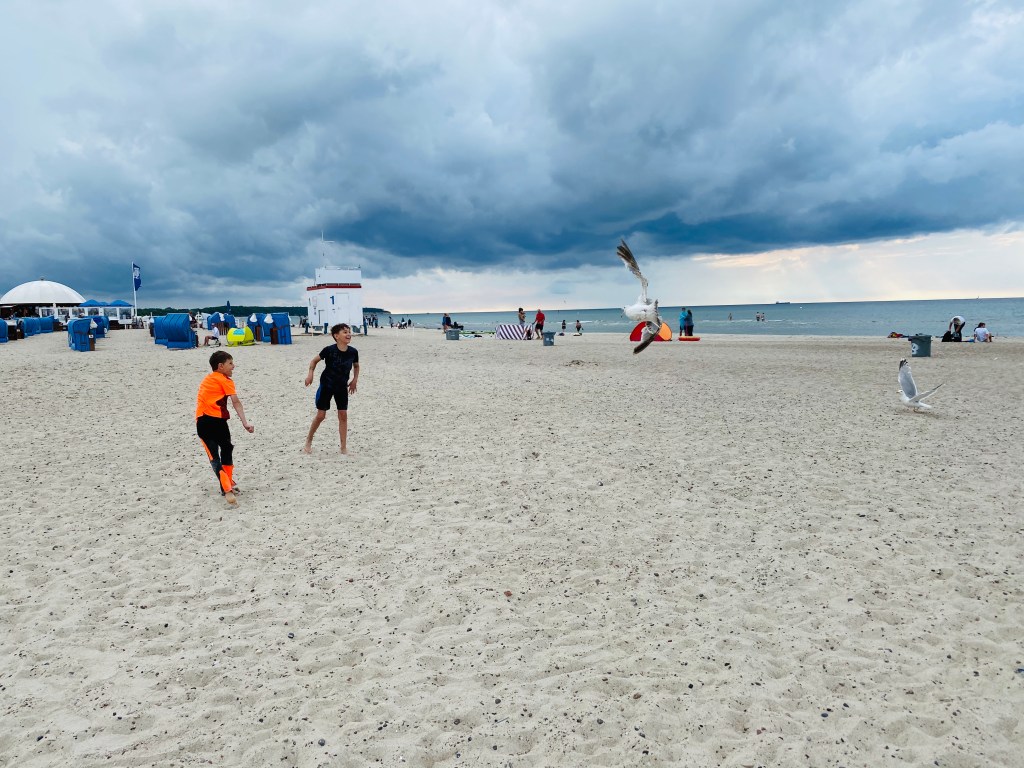
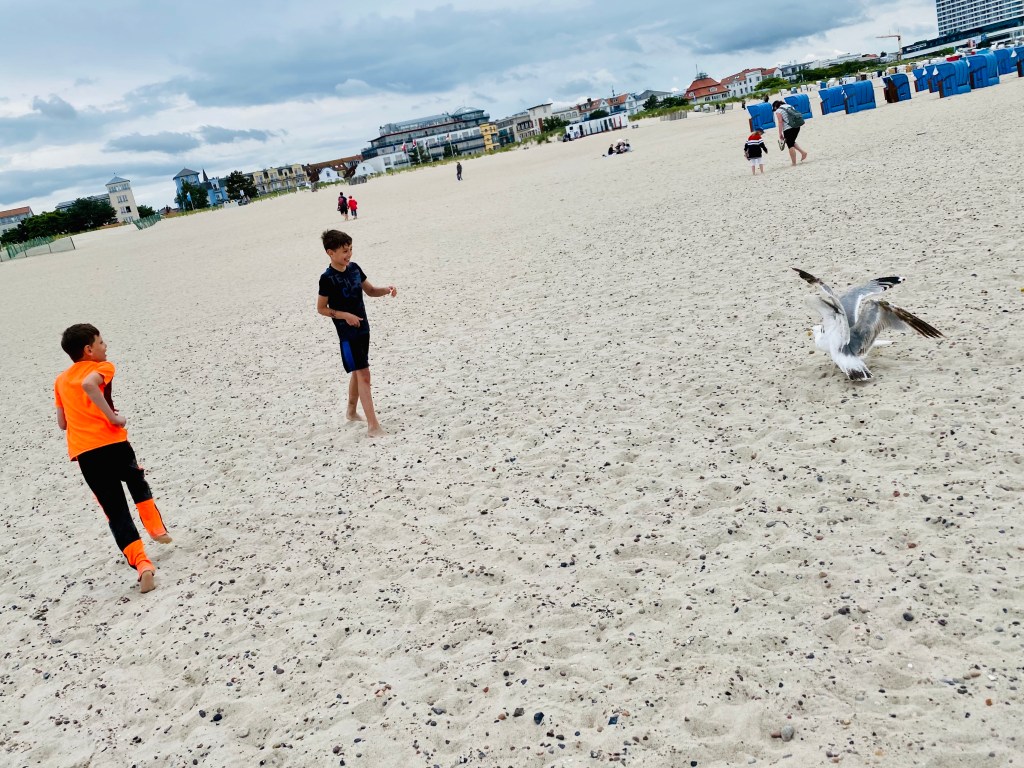
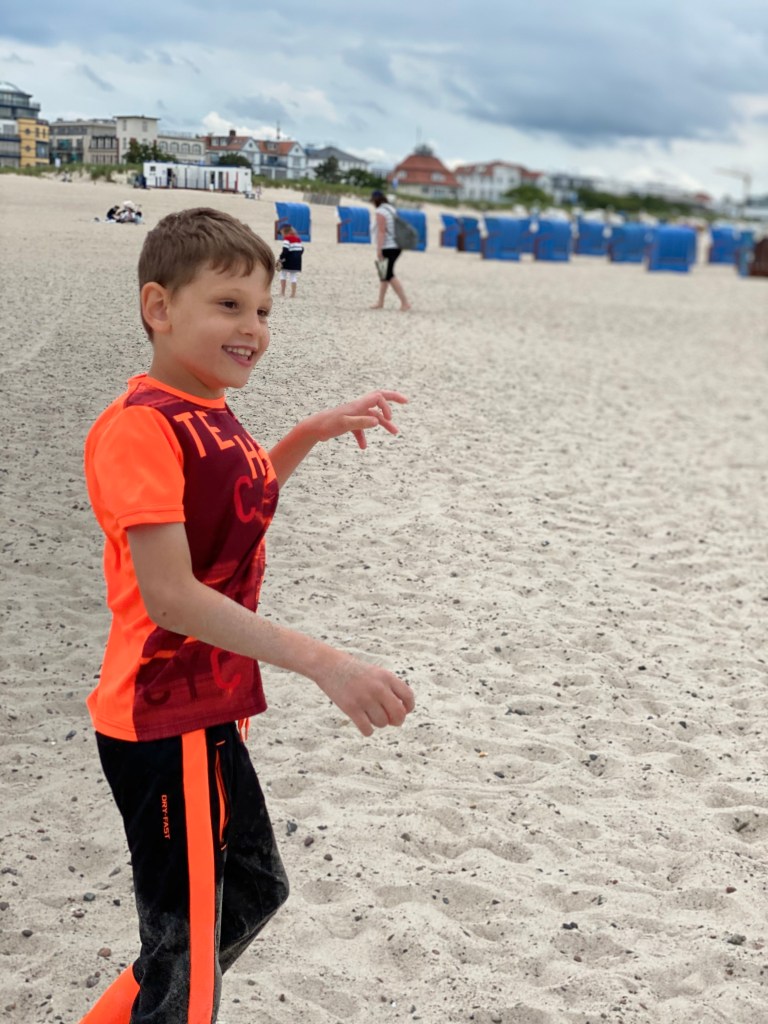
Somehow this unexpected trip to the sea became one of my favorite memories from the summer. Joyful boys playing in nature bring a smile to my face.
 Berlin Lubells: Stories of Life in Berlin from an American Expat Mom's First Experience Living Abroad