After a little break, I am fondly returning to memories of our summer road trip adventures.
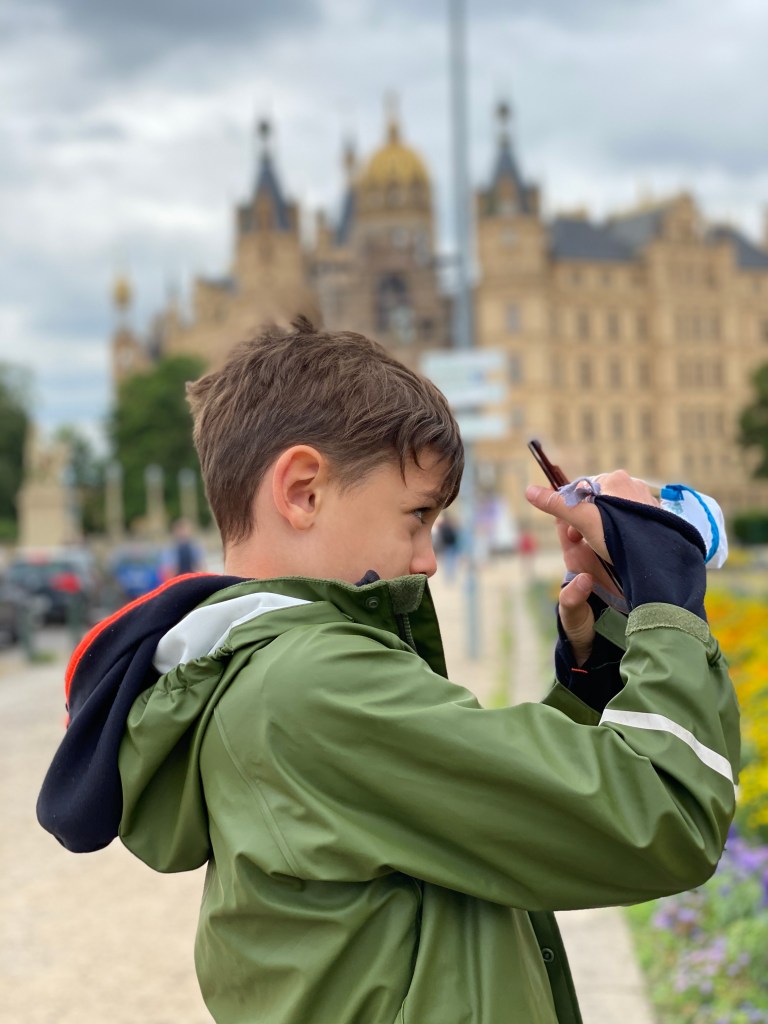
The city of Schwerin was the capital of the Grand Duchy of Mecklenburg Schwerin.
Schwerin is located about 50 miles south of the Baltic Sea in the Mecklenburg Lake District.
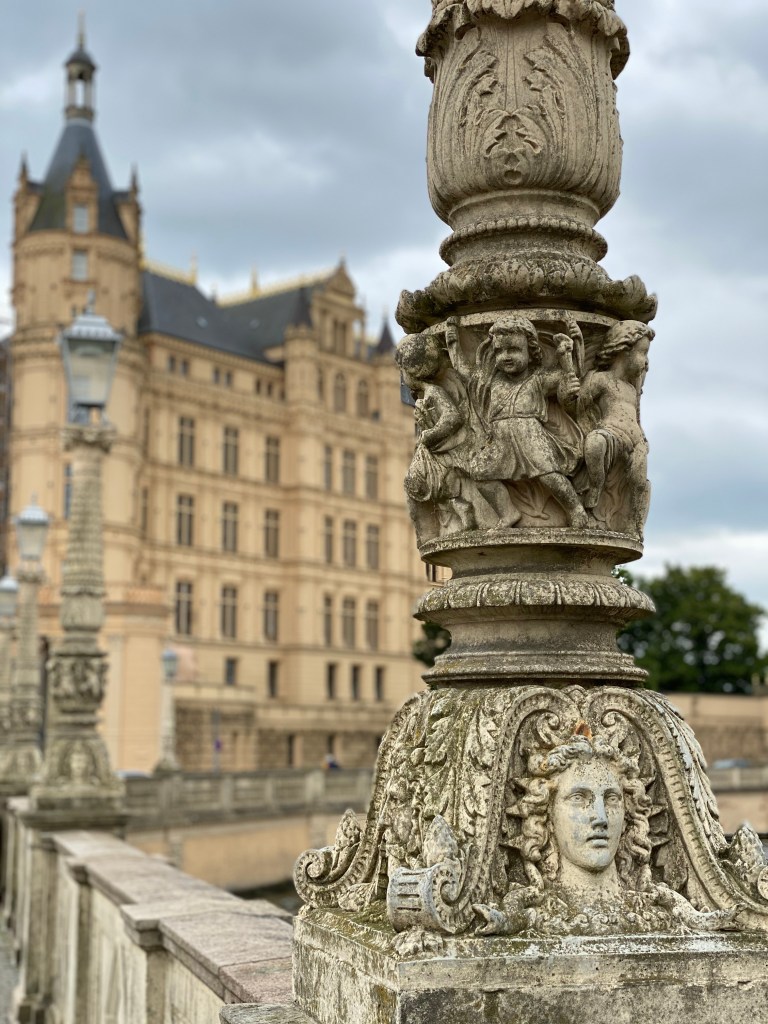
It is surrounded by ten lakes. The largest of these lakes is the Schweriner See (Lake Schwerin).
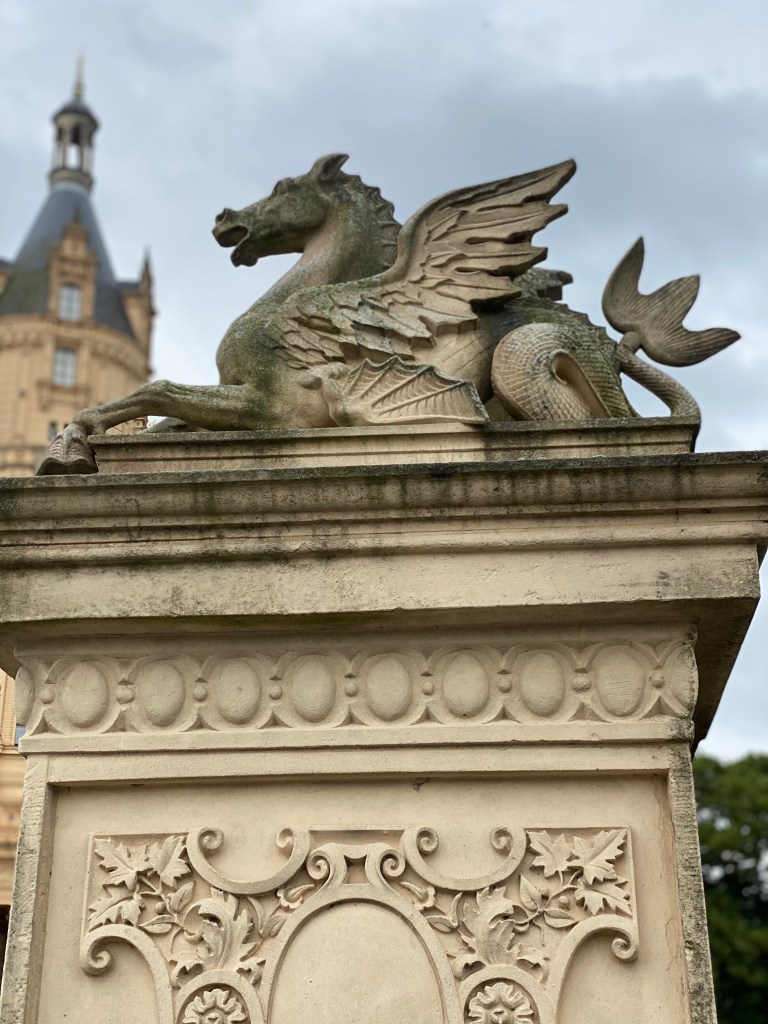
Schwerin’s history started over 800 years ago and this makes it the oldest city in Mecklenburg.
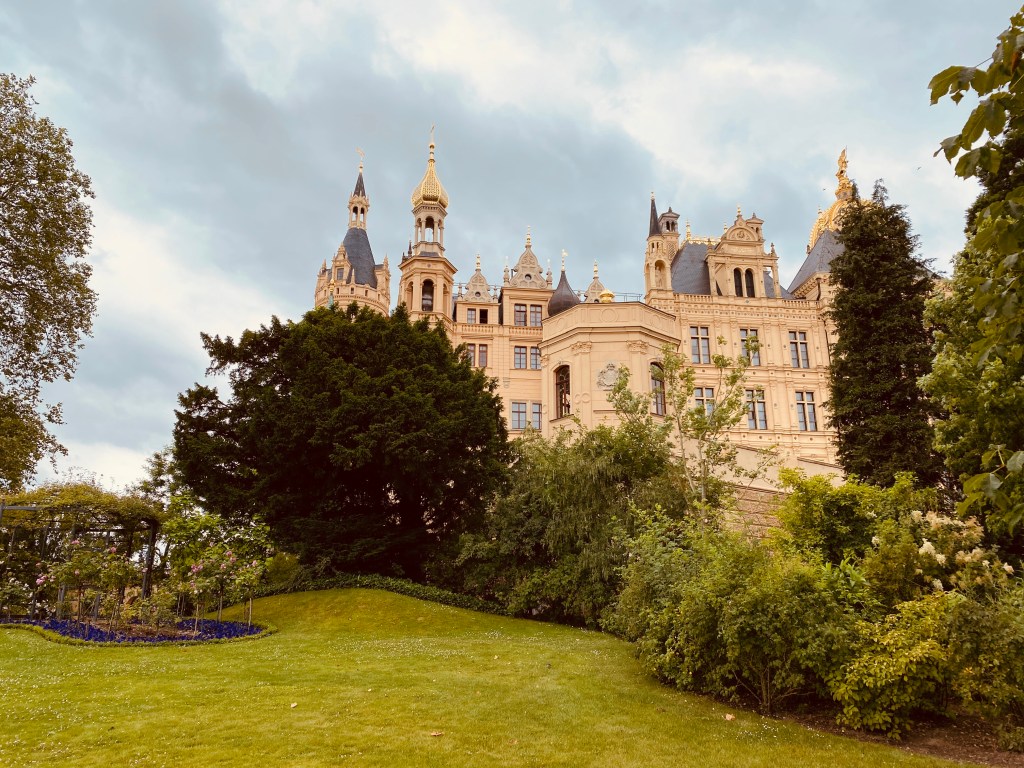
It was founded in the 12th century by Henry the Lion. The Slavic tribe that had occupied the region called it “Zuarin,” meaning “region of many animals”, and this name stayed with it.
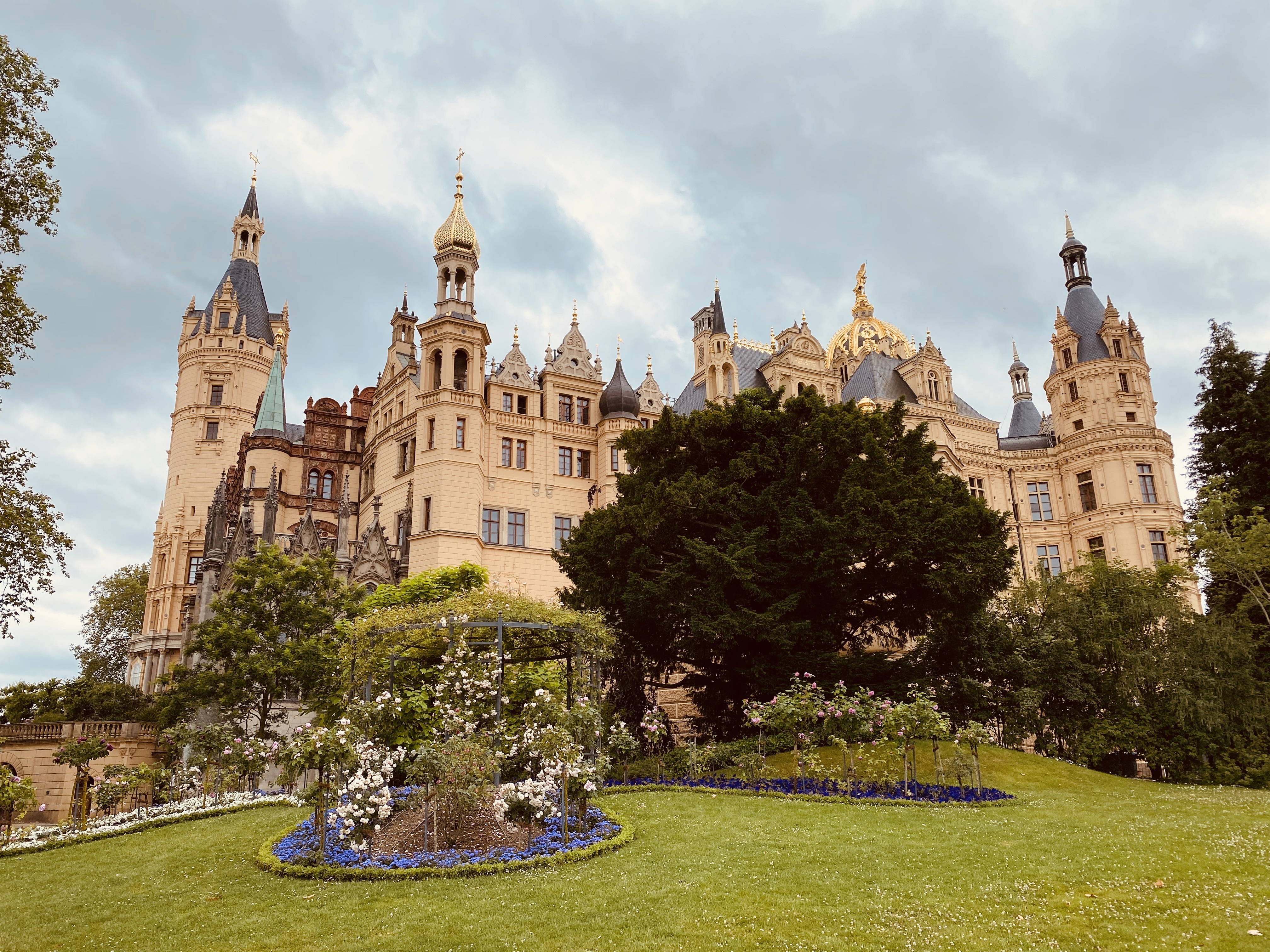

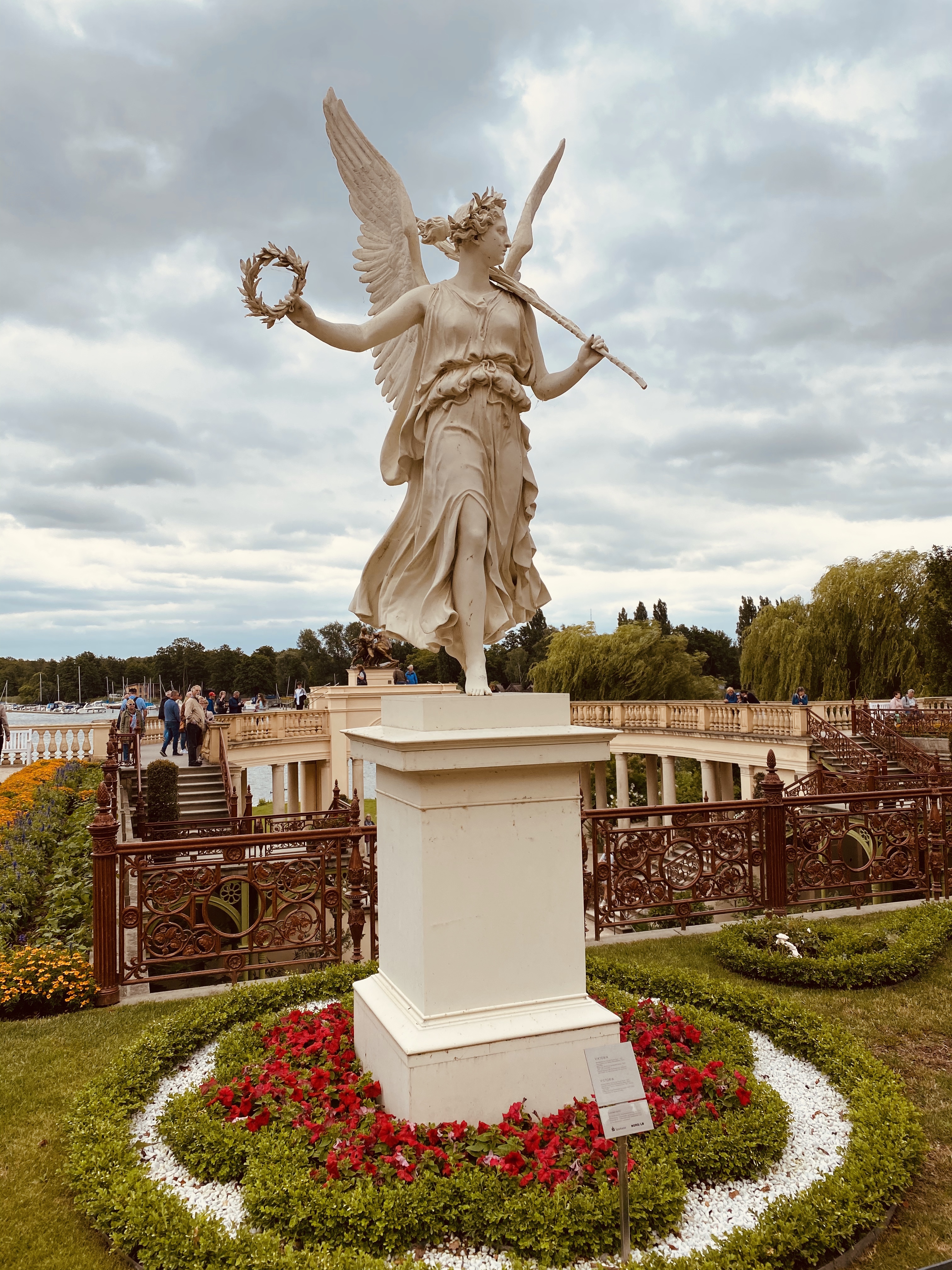

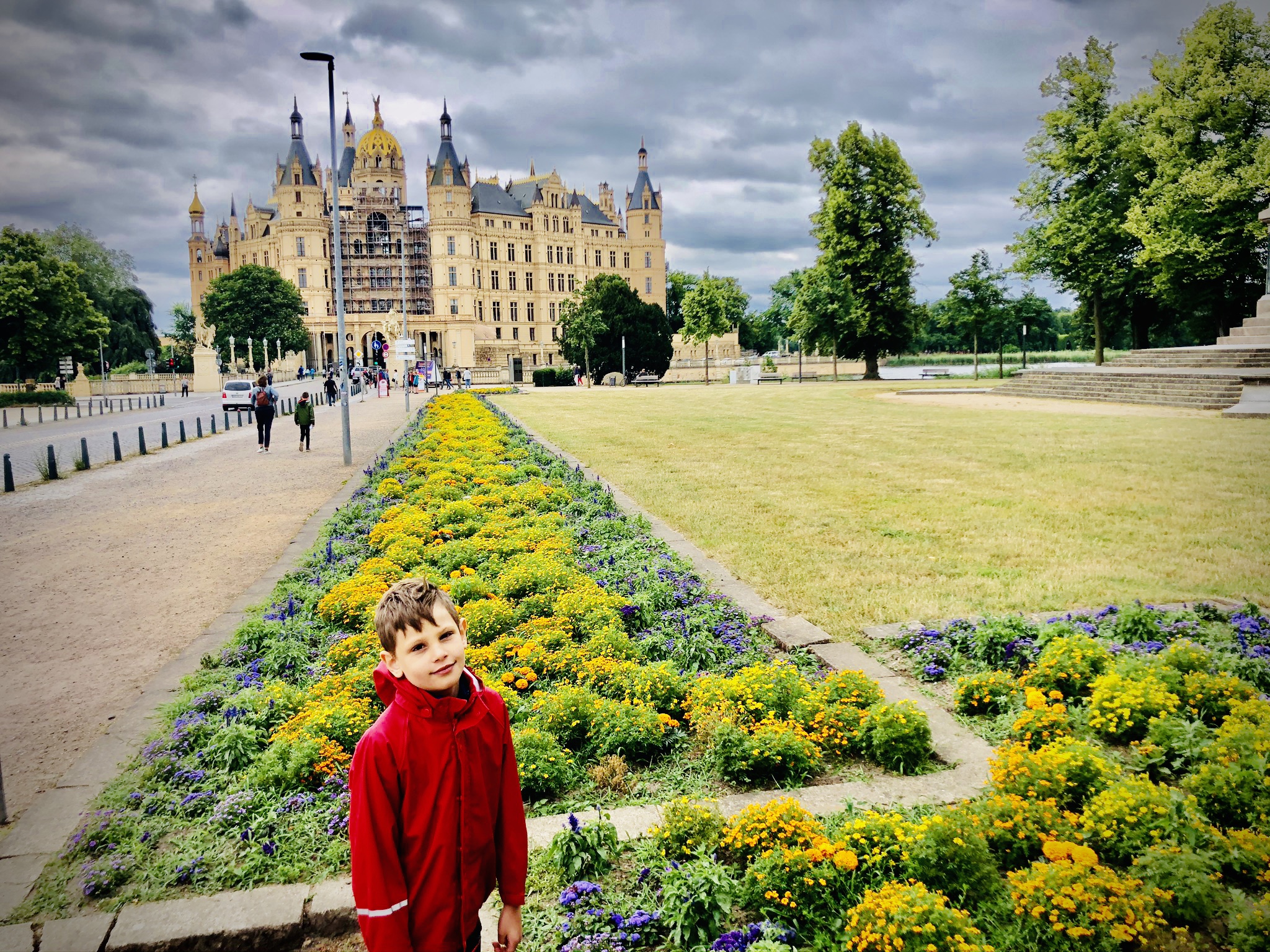
It was the last home of the Mecklenburg royal family, who resided in this massive palace until 1918 when they abdicated.
The palace is on an island located where the Schweriner See and Burgsee meet.
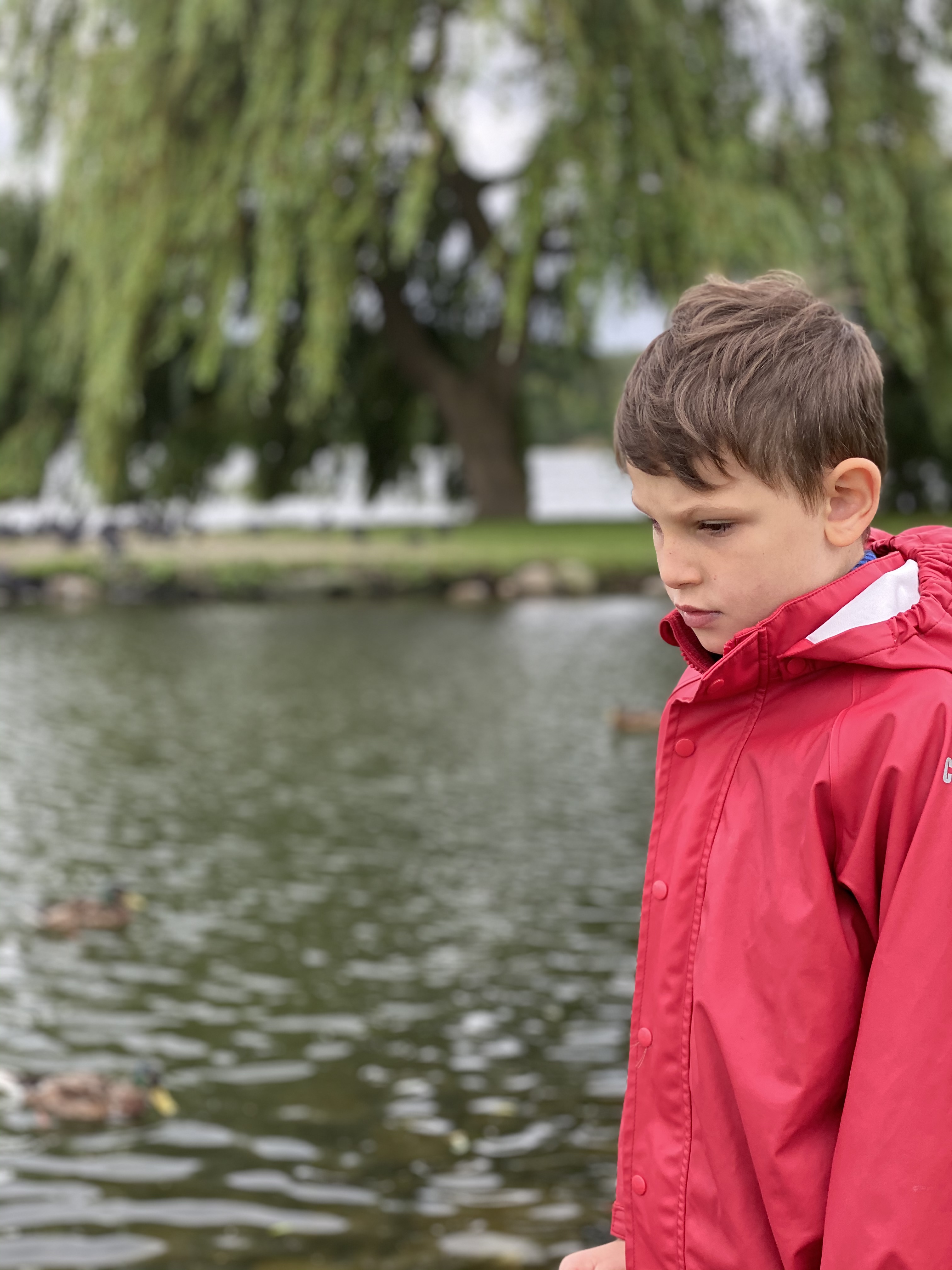
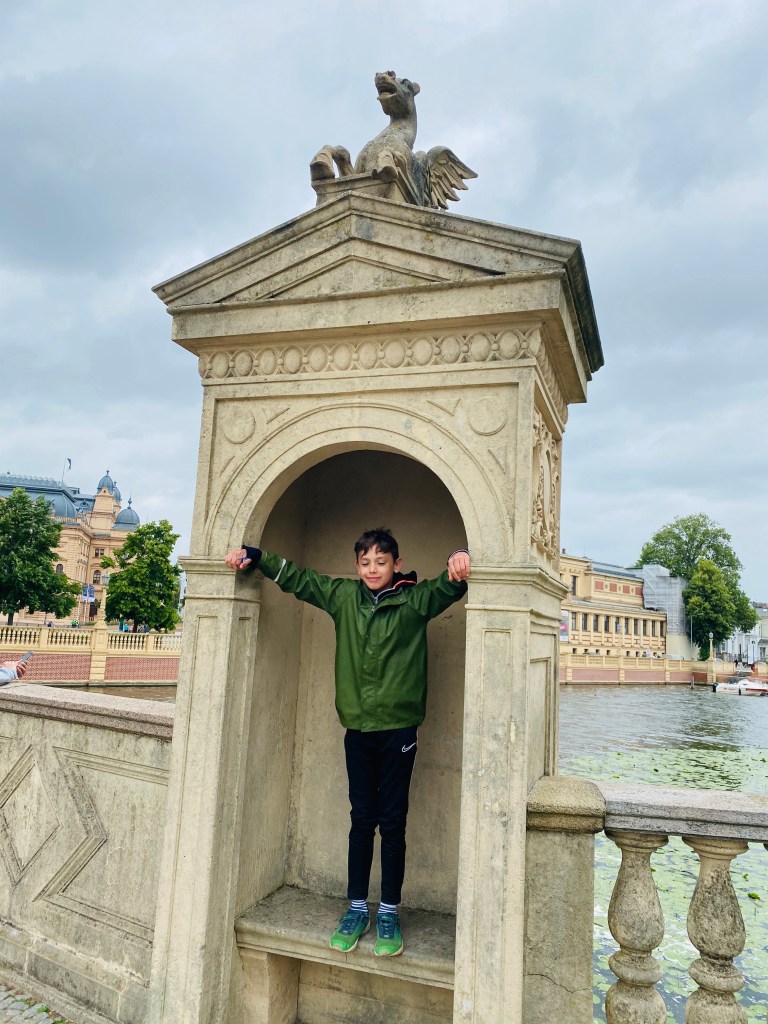
These lakes are full of ducks and swans and the banks of the lakes are lined with weeping willows.
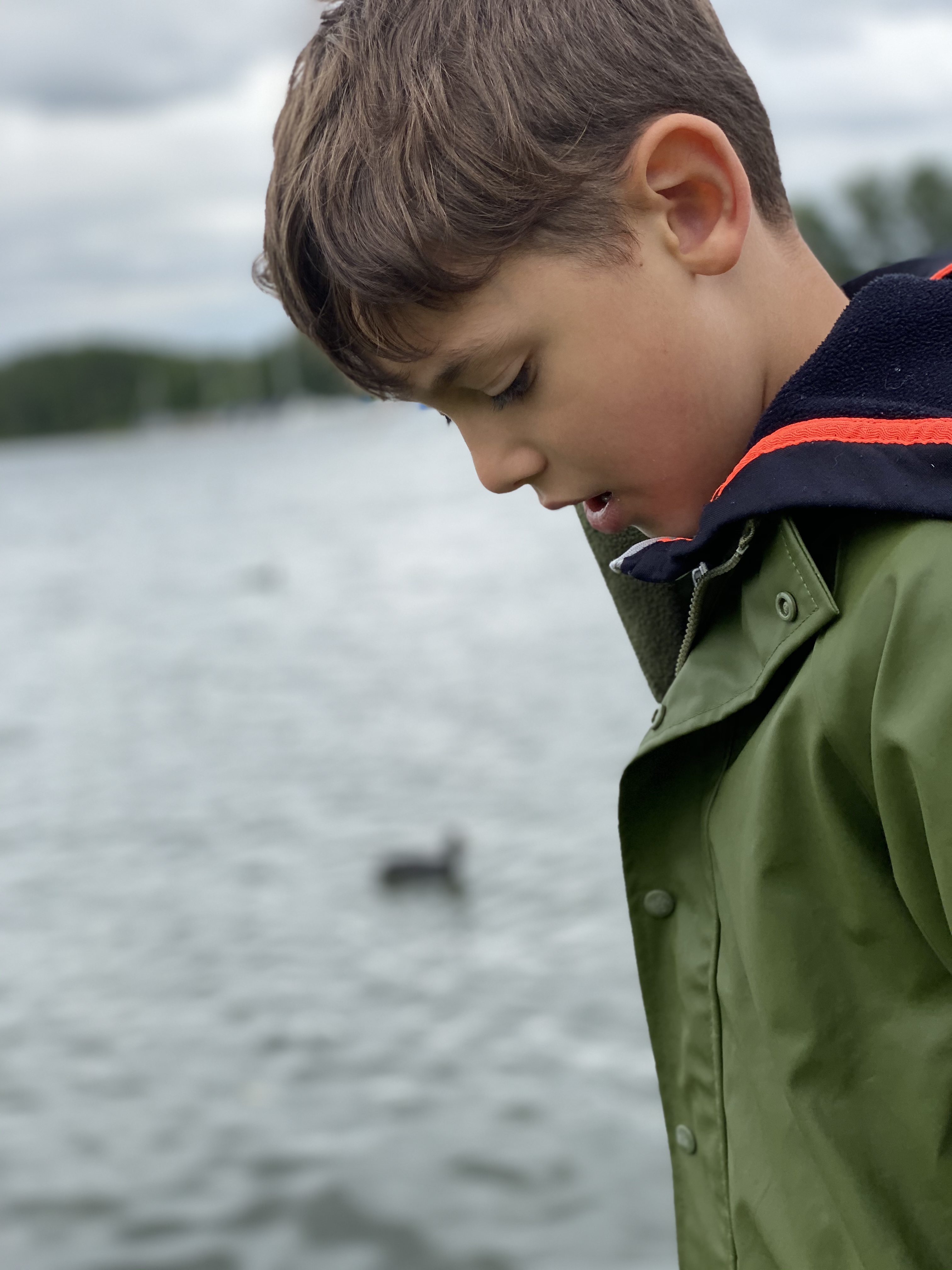

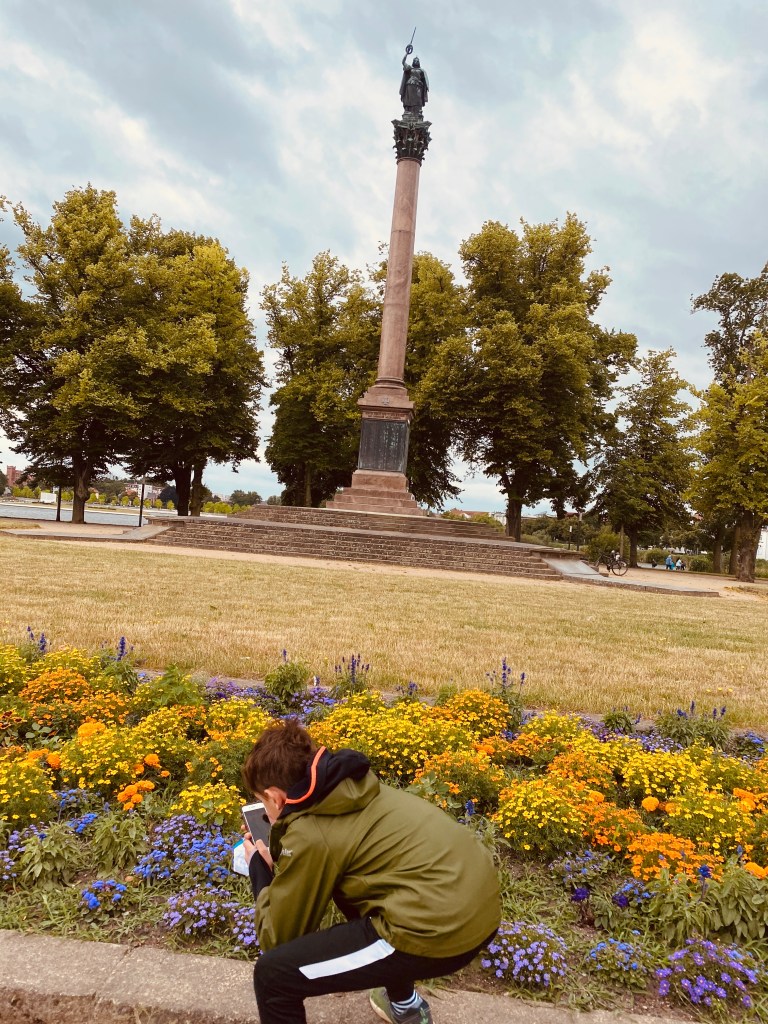
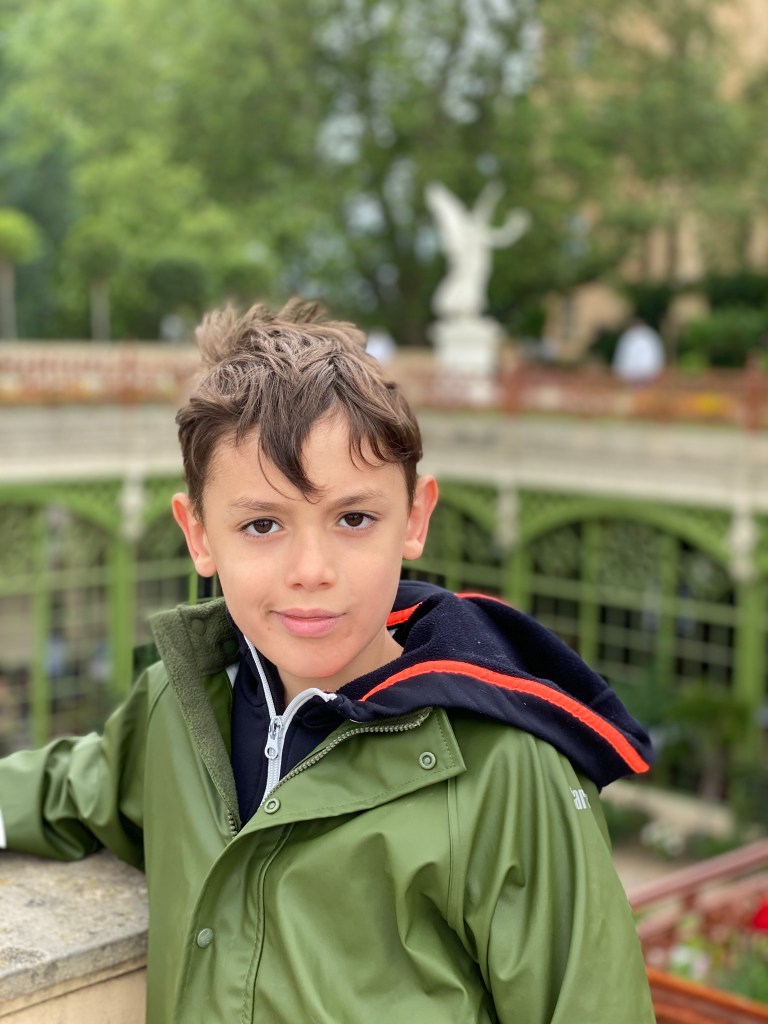
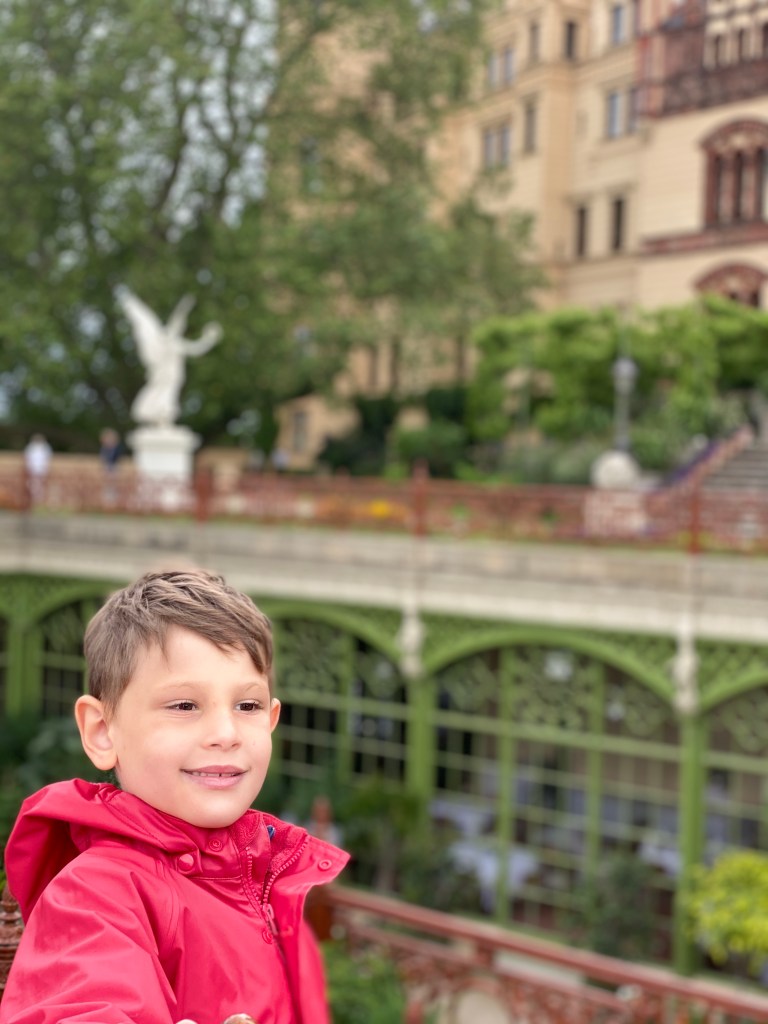
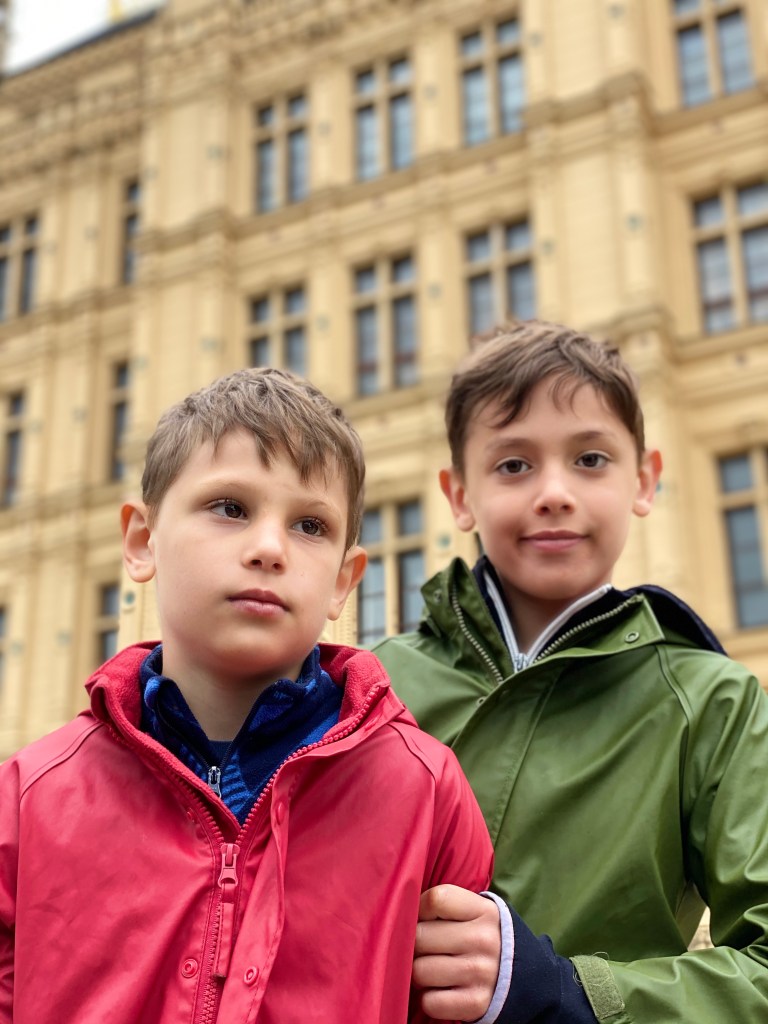
The boys were not as excited to see the castle as Dave and I were. So we stuck to the gardens and decided not to press our luck by touring the inside.
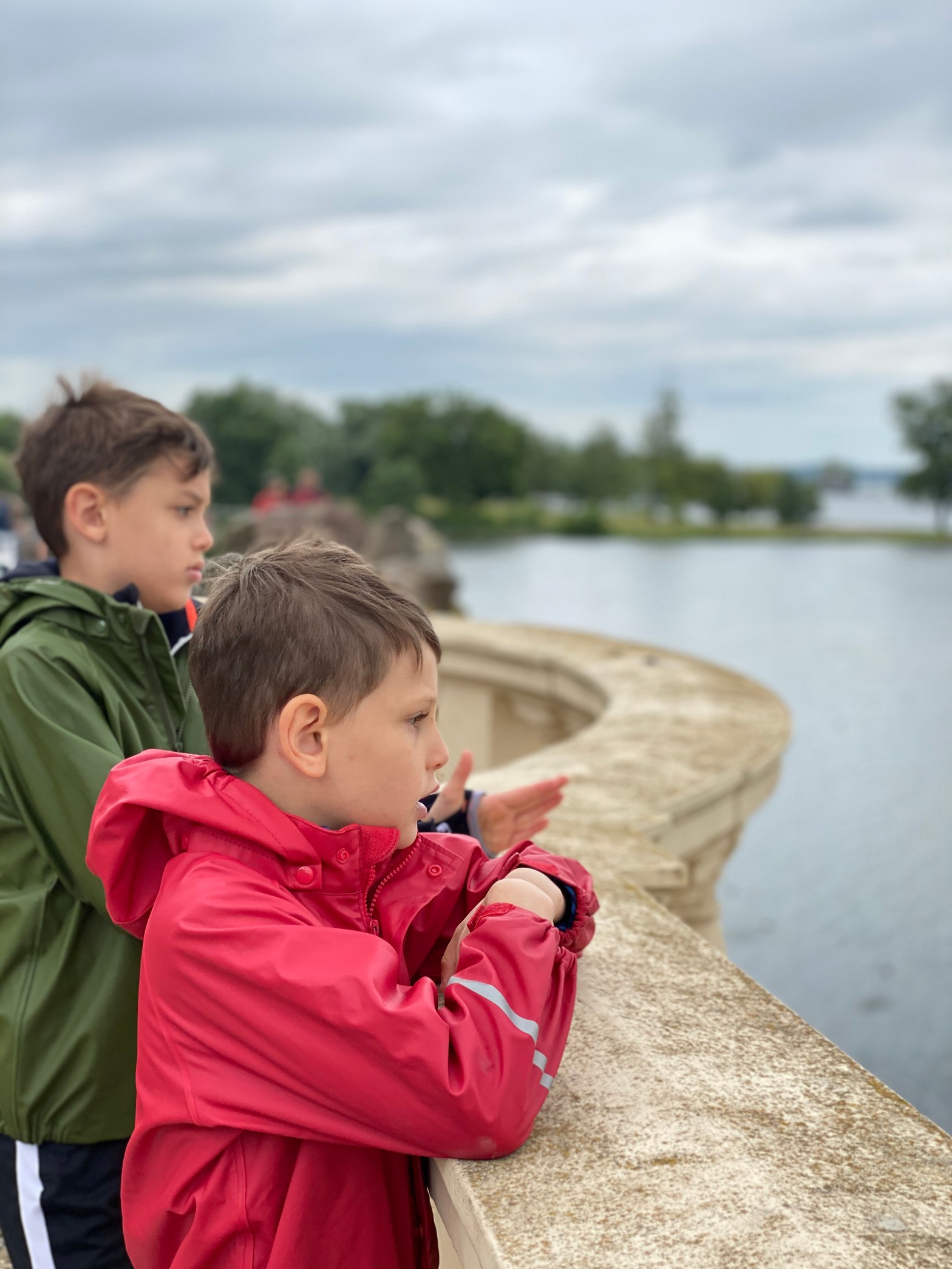
They did like exploring the banks of the lake and watching the ducks and swans.
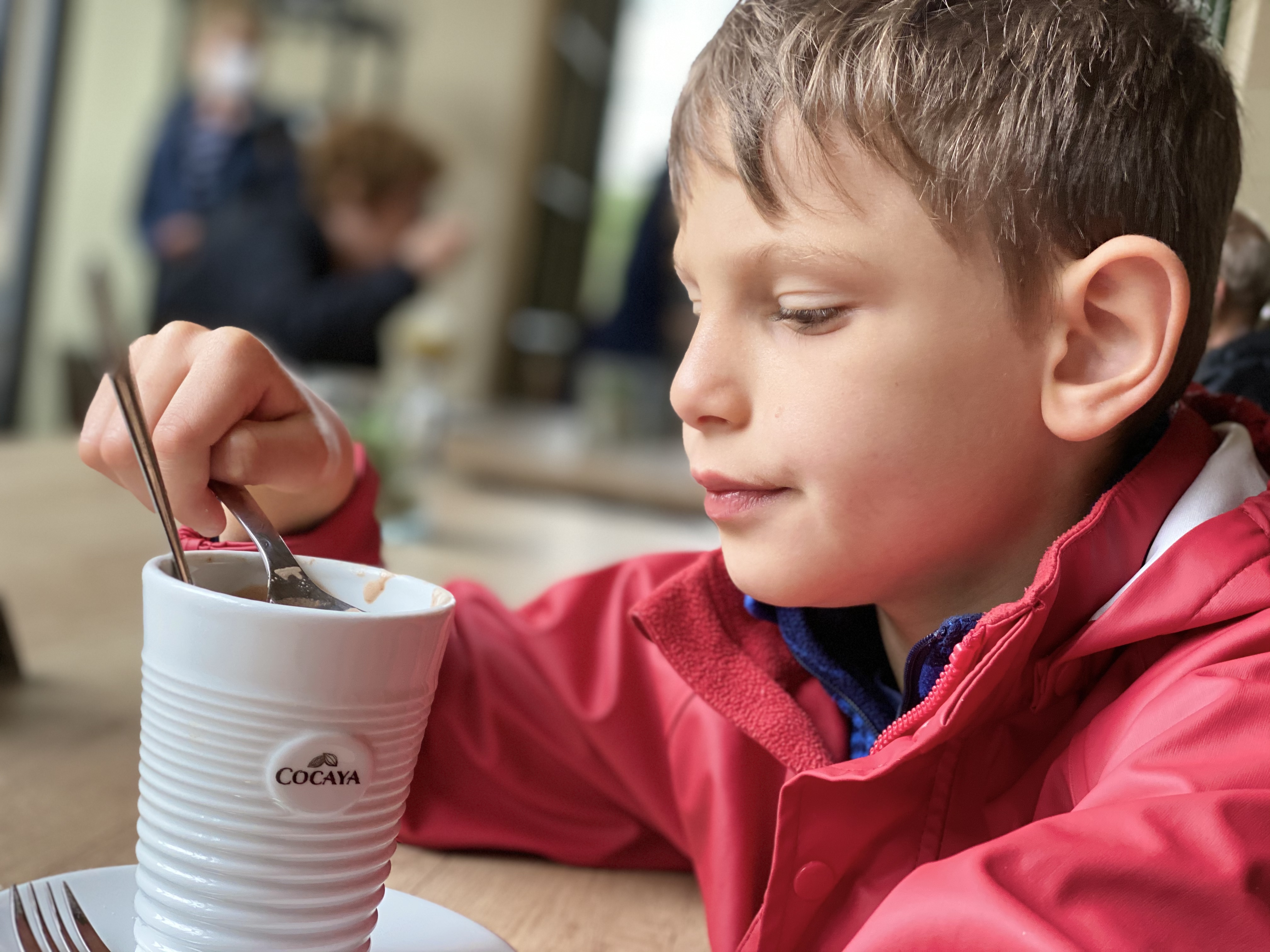

To stave off a meltdown, we took a break in the Café and enjoyed hot drinks with our lunch, which meant heiße Schokolade for the boys.
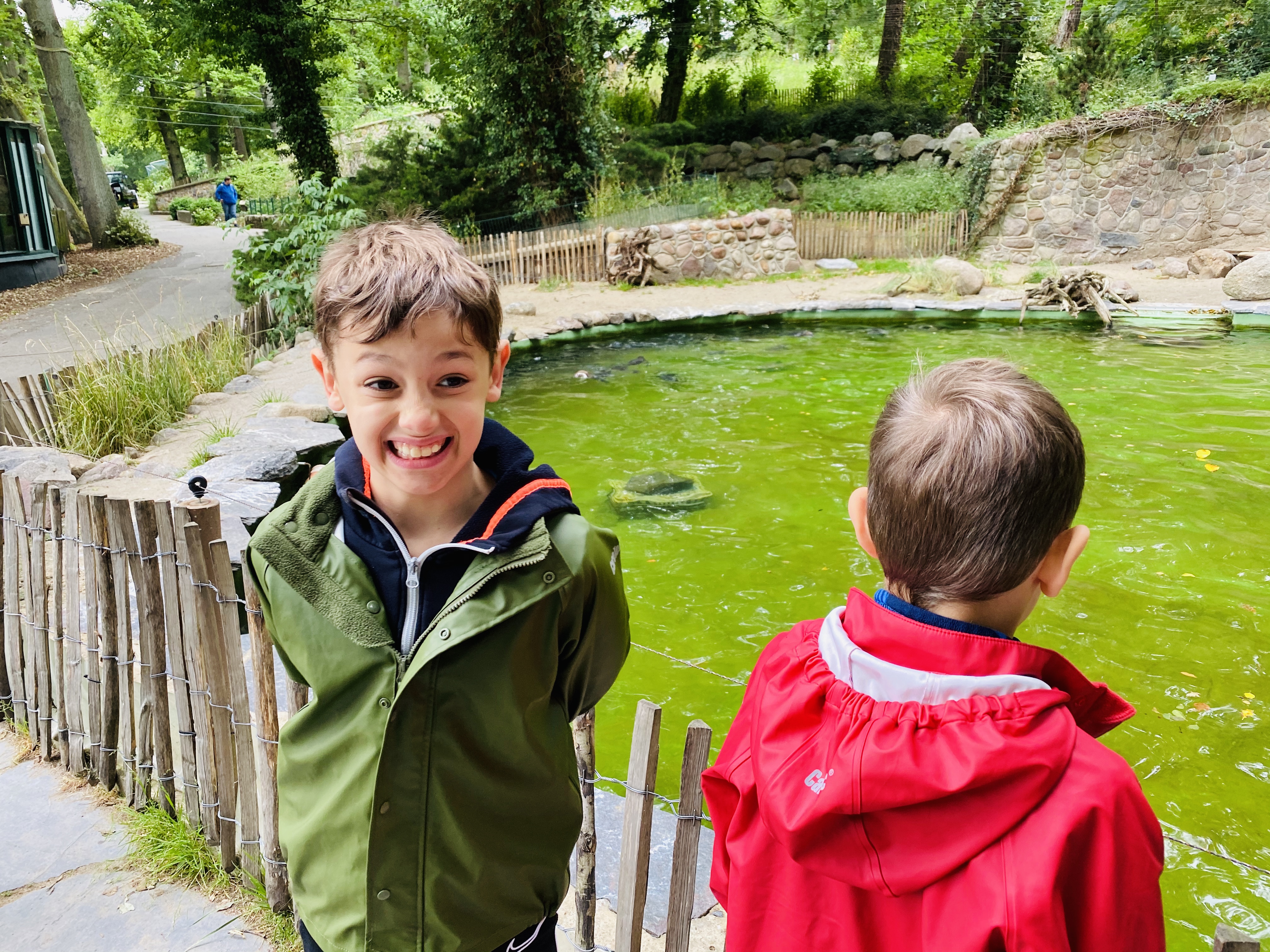
We promised the boys a trip to the Schwerin Zoo after a quick walk through the old town.
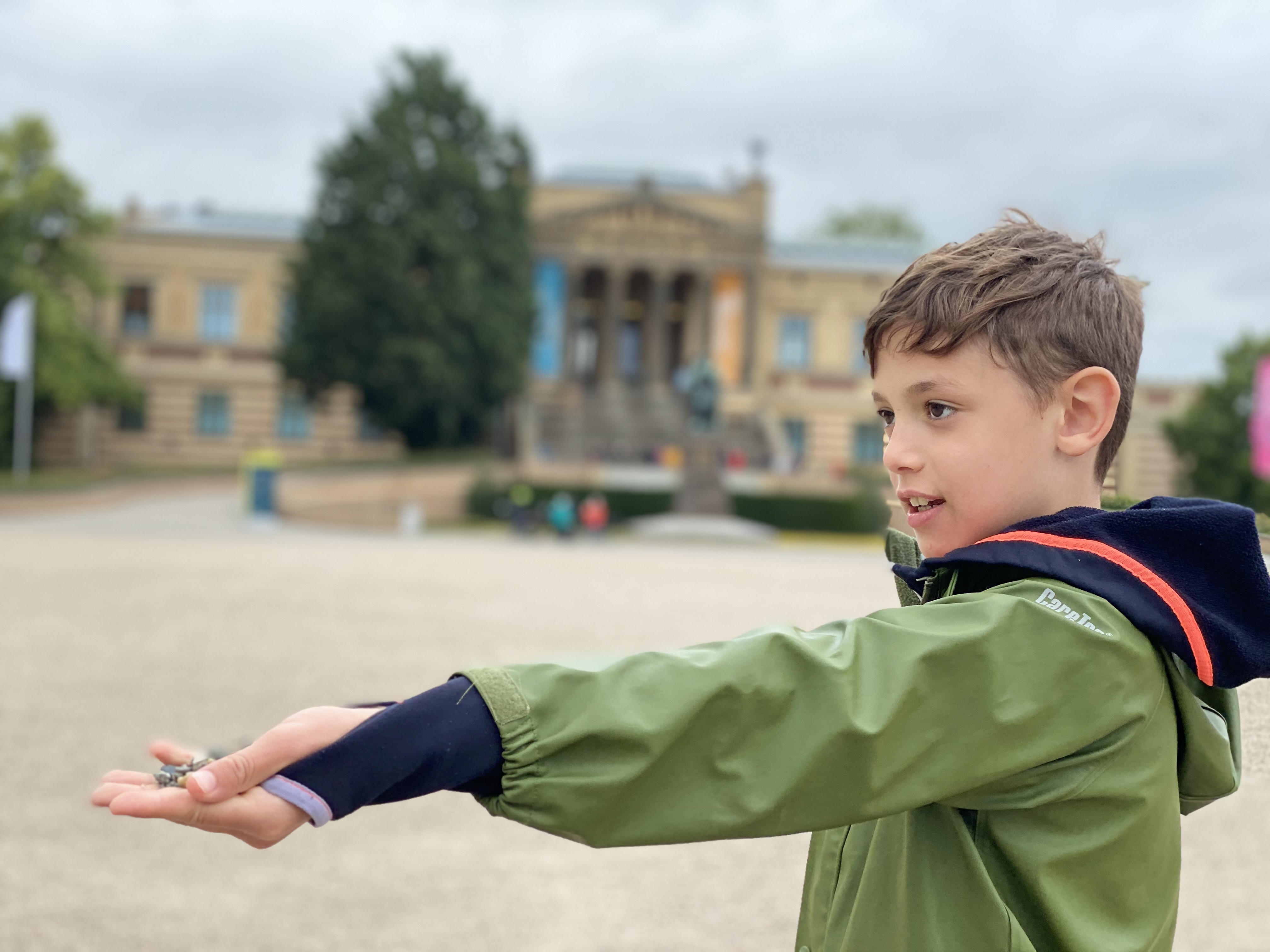
Schwerin’s Altstadt (old town) lies between two other lakes, the Burgsee and the Pfaffenteich.
During the Thirty Years War, the entire Mecklenburg region was devastated. Eventually the Swedes took over Schwerin as they did most of Mecklenburg.

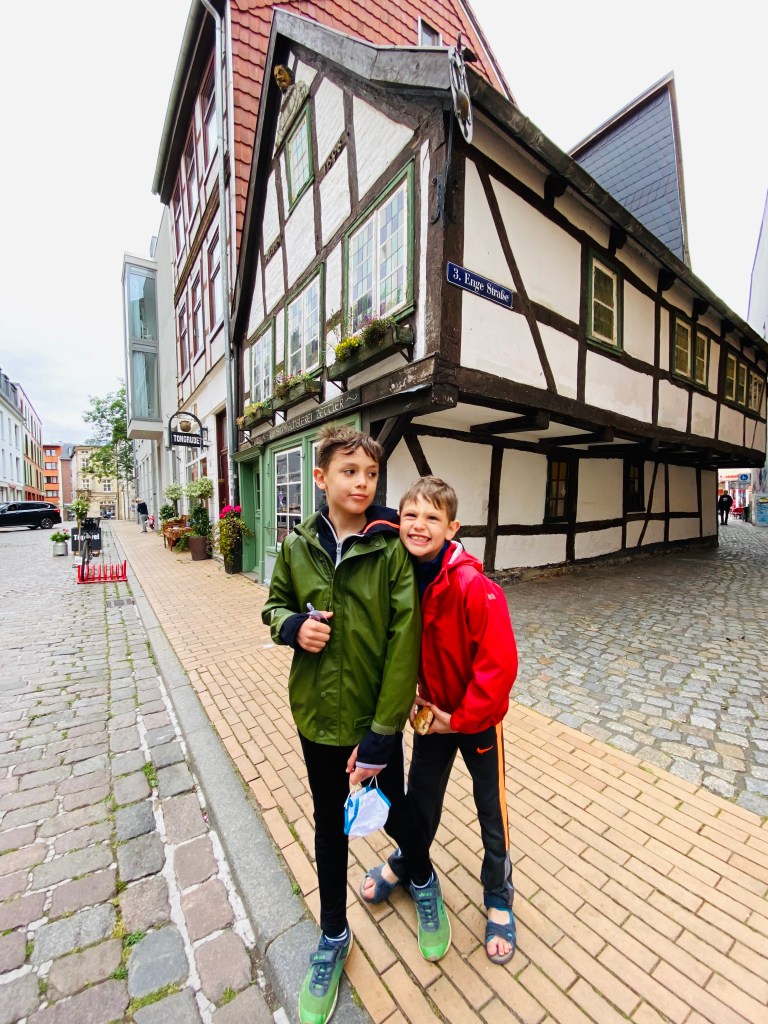
The Altstadt is dotted with pastel Renaissance houses, half-timbered houses and has cobbled streets.
The disaster of losing the war was followed twenty years later by a devastating fire that destroyed almost all the houses in town.
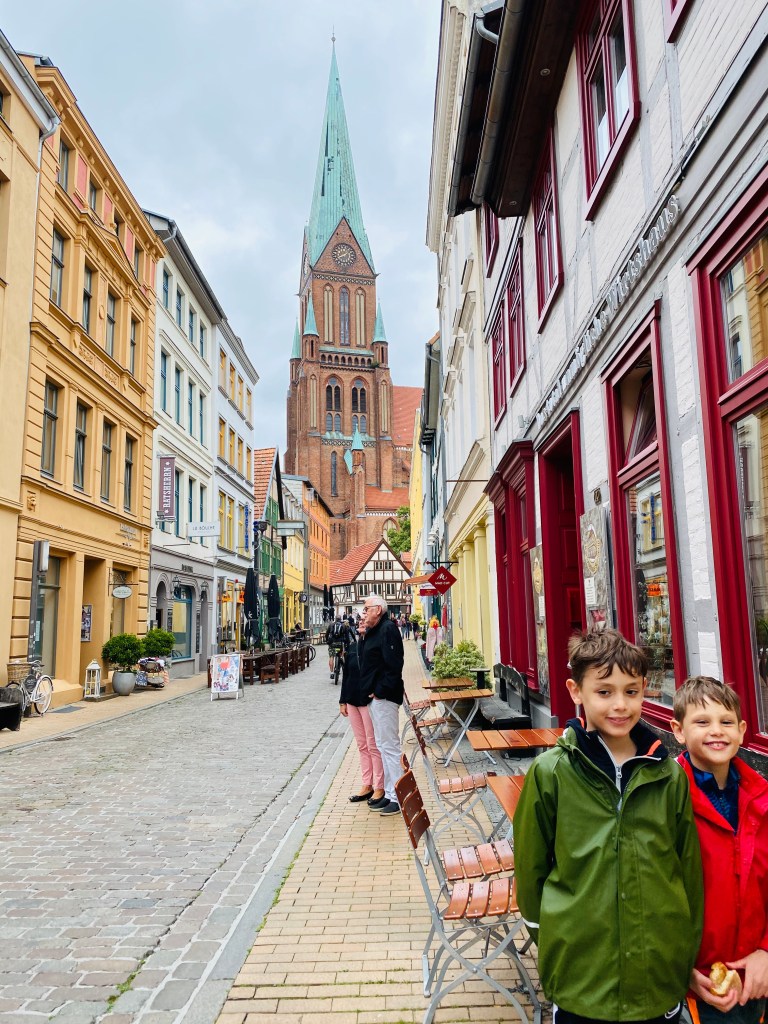
Then in the early 1700’s, Schwerin began a come-back and by the early to mid-1800s, it really blossomed.
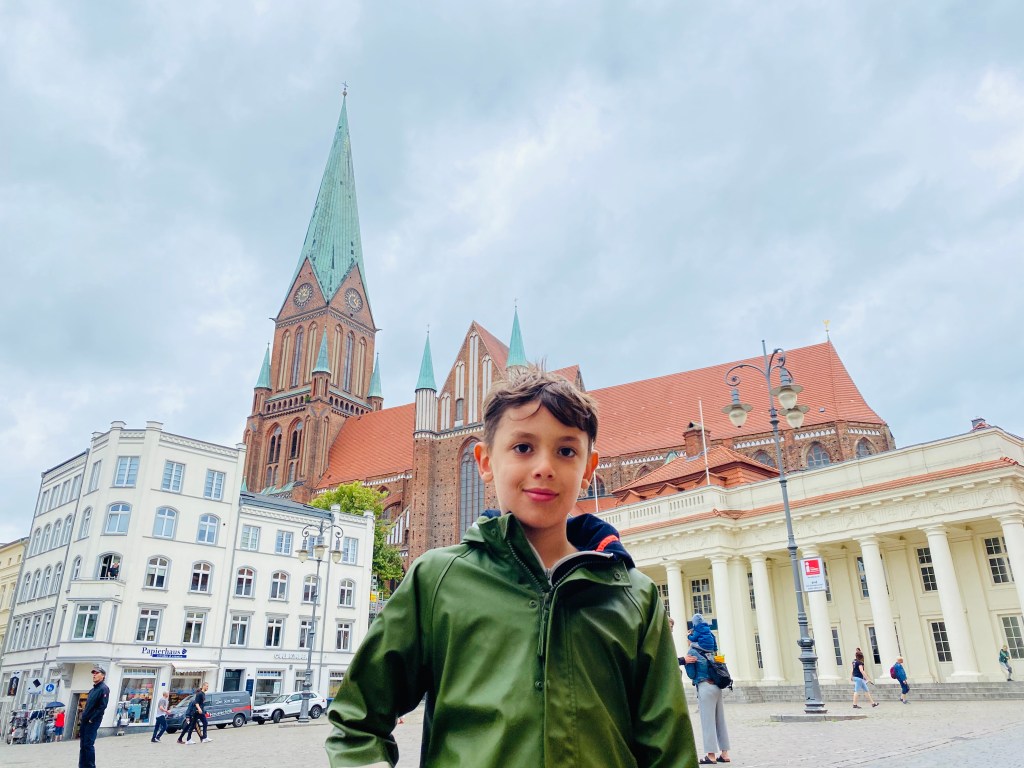
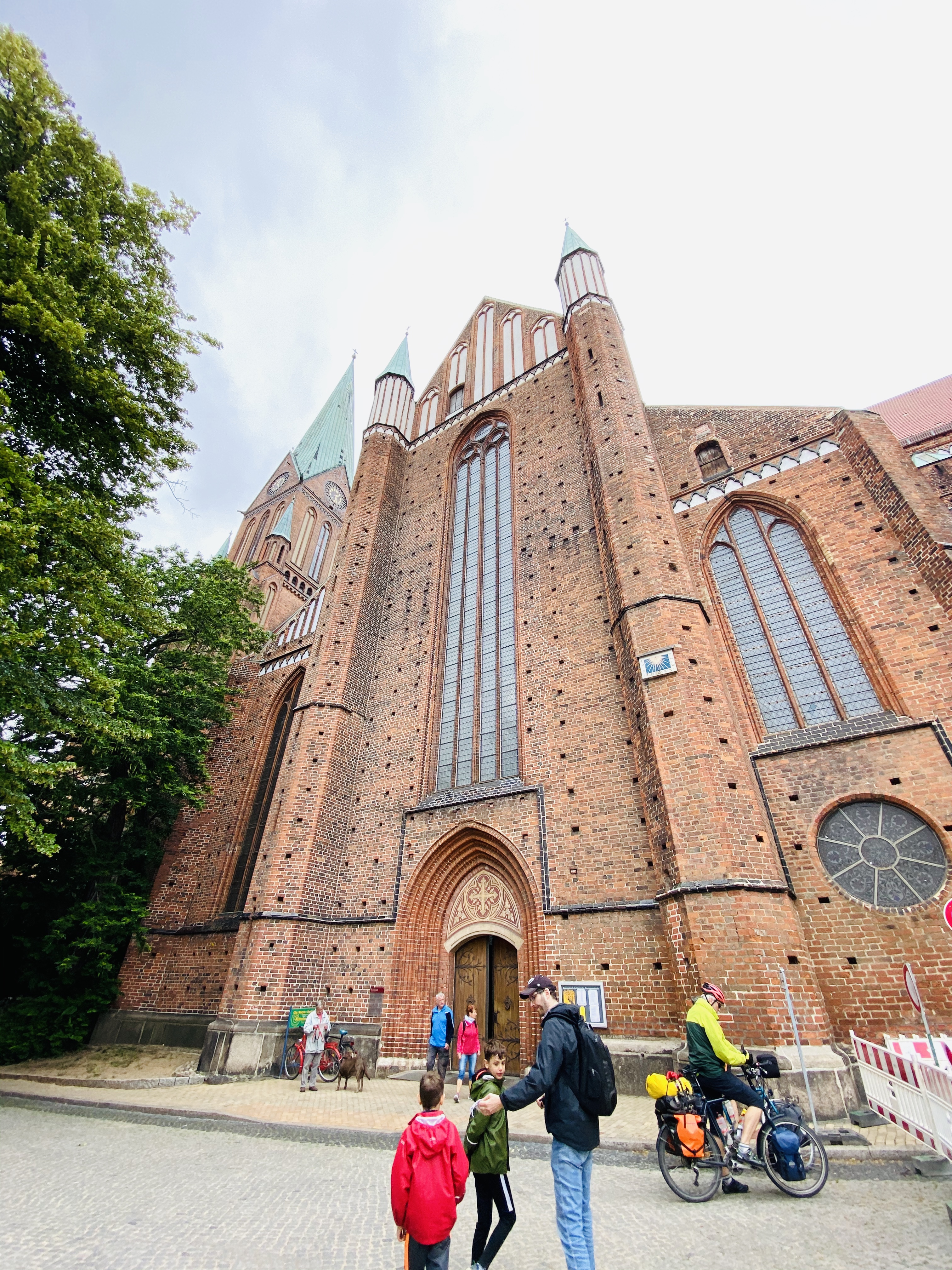
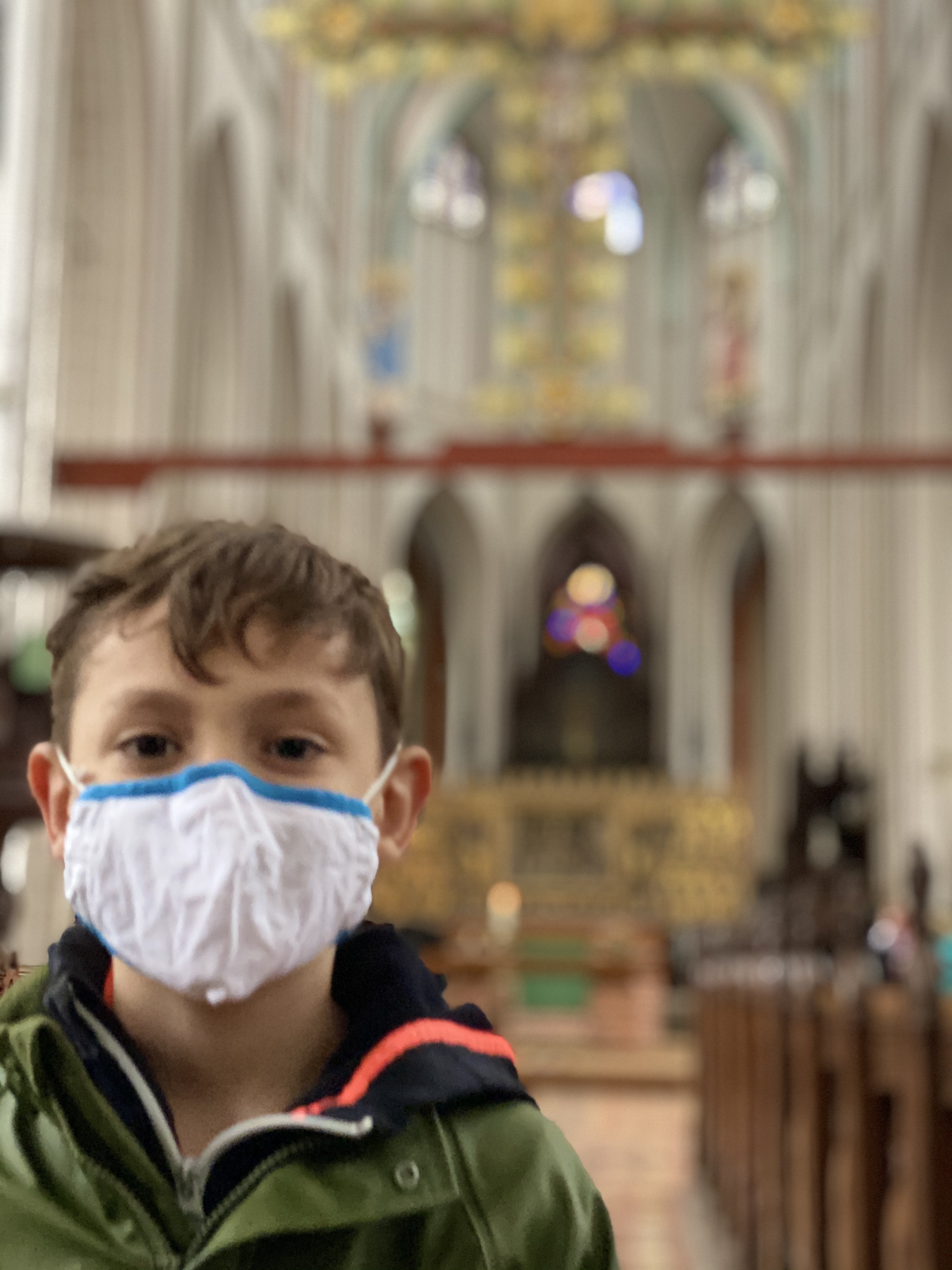
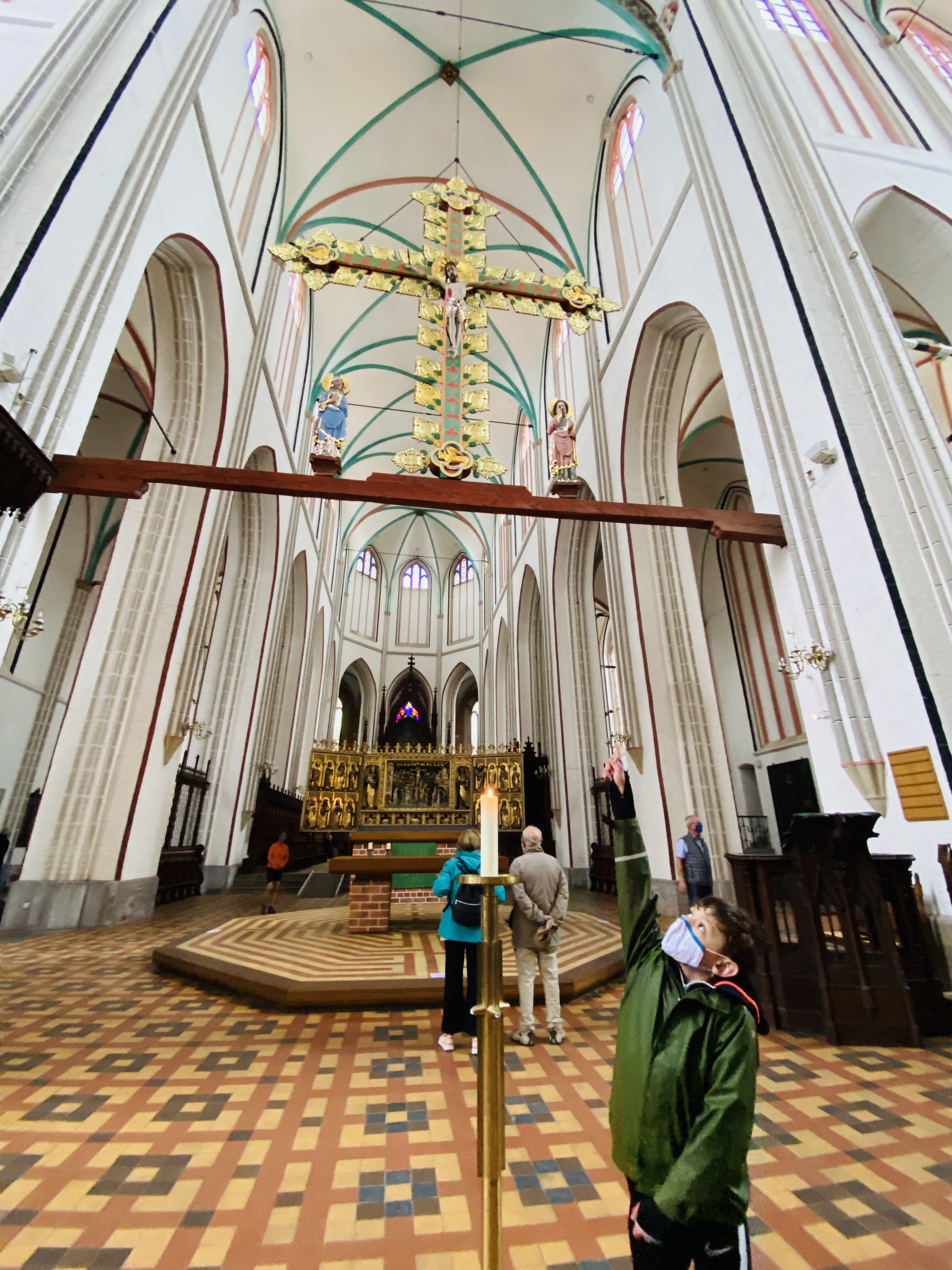
The Schwerin Dom was begun in 1270 and completed in 1426. It is an early example of Brick Gothic architecture.
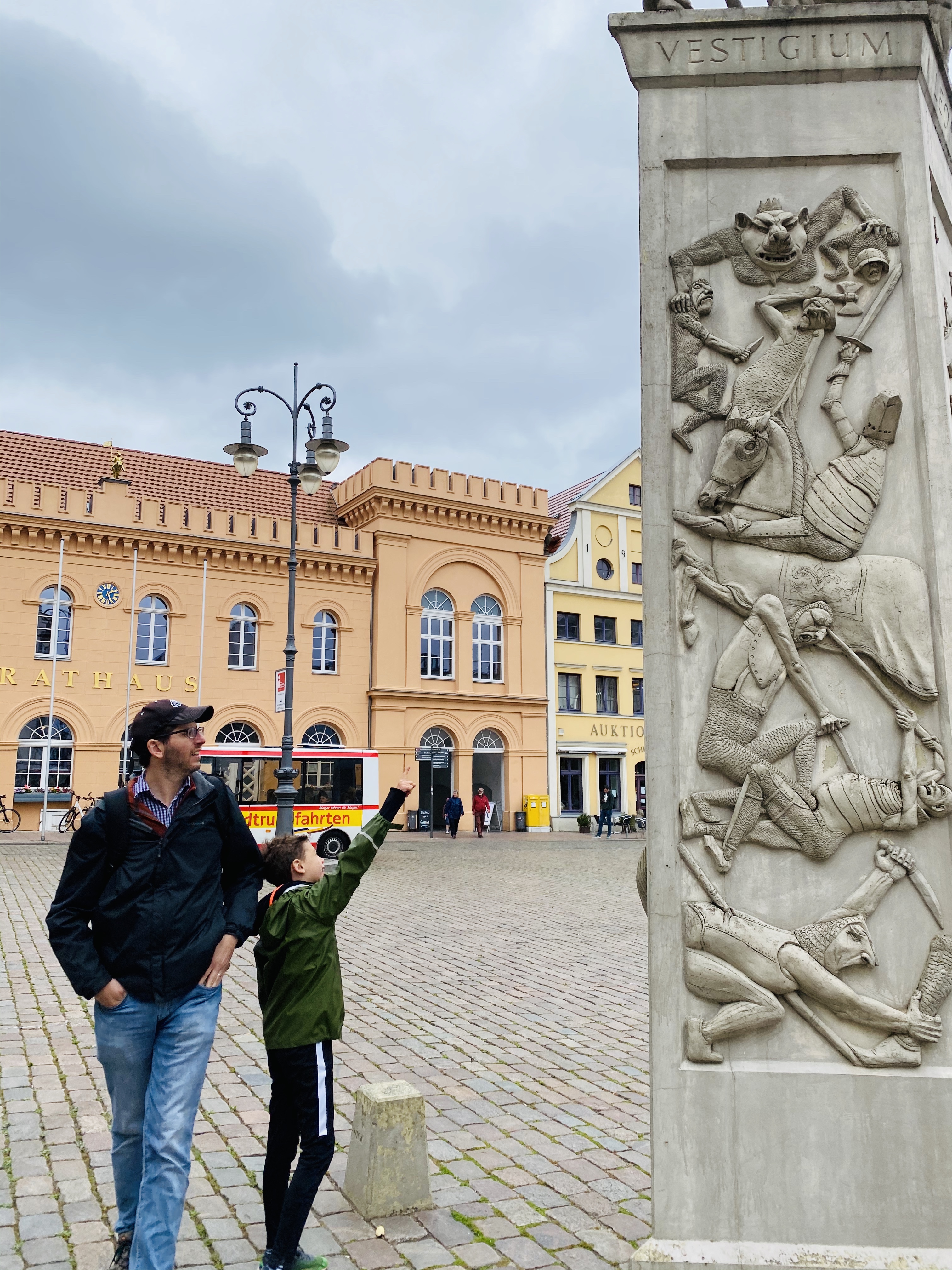
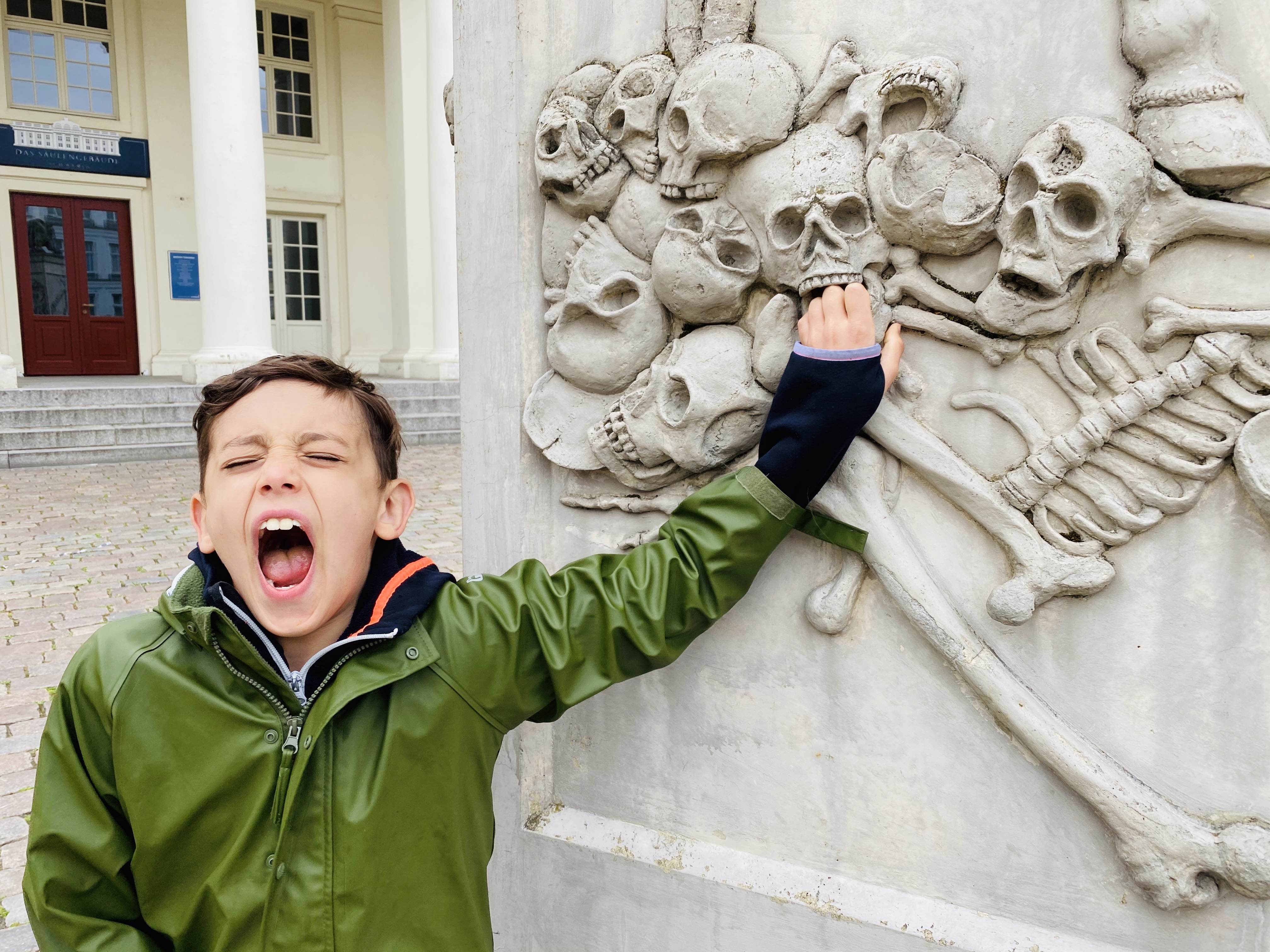

After tolerating our quick tour of the old town and Dom, we headed back to the car to visit the modest, but entertaining zoo.
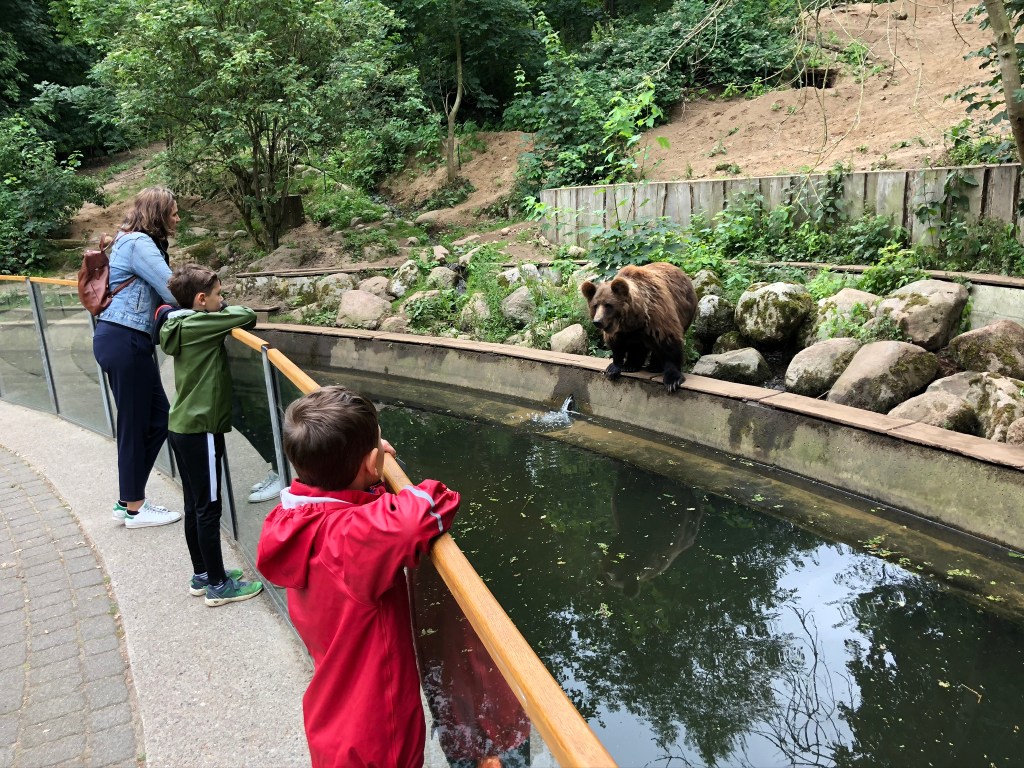

We‘d definitely recommend Schwerin as a nice side trip from the Baltic. And we hope to return someday to see the inside of the Schloss.
 Berlin Lubells: Stories of Life in Berlin from an American Expat Mom's First Experience Living Abroad