
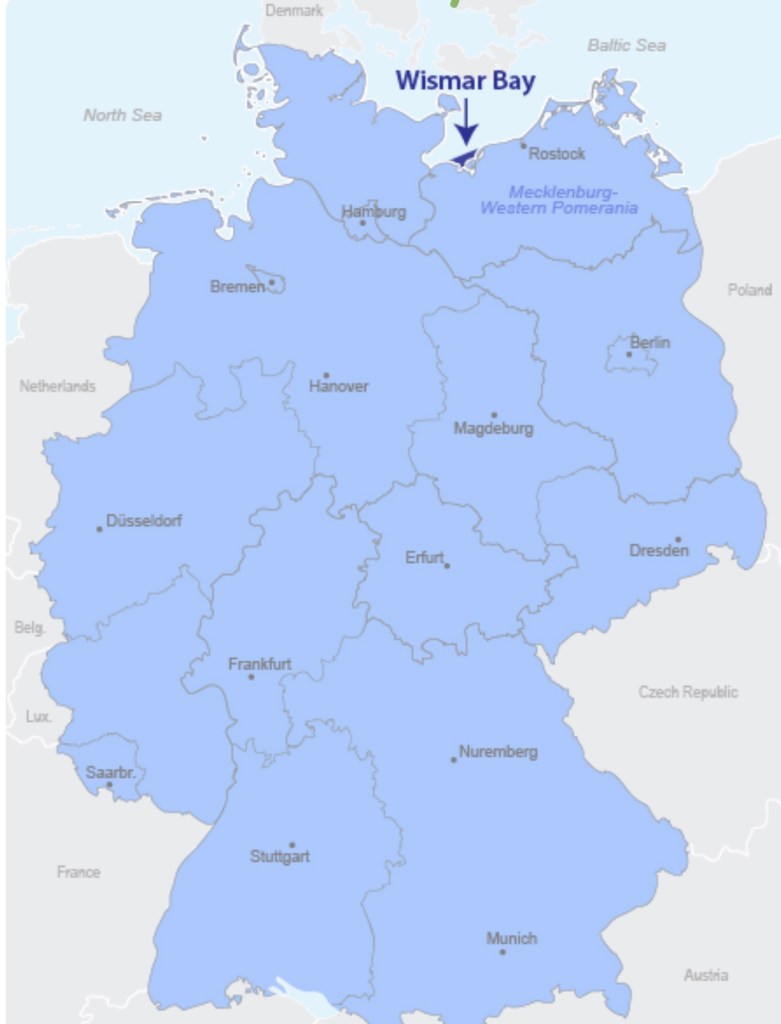
Located in the historical region of Mecklenburg in Northern Germany, Wismar was founded in the 13th century.
Throughout its history, the city has been part of various German states as well as the Swedish Empire.
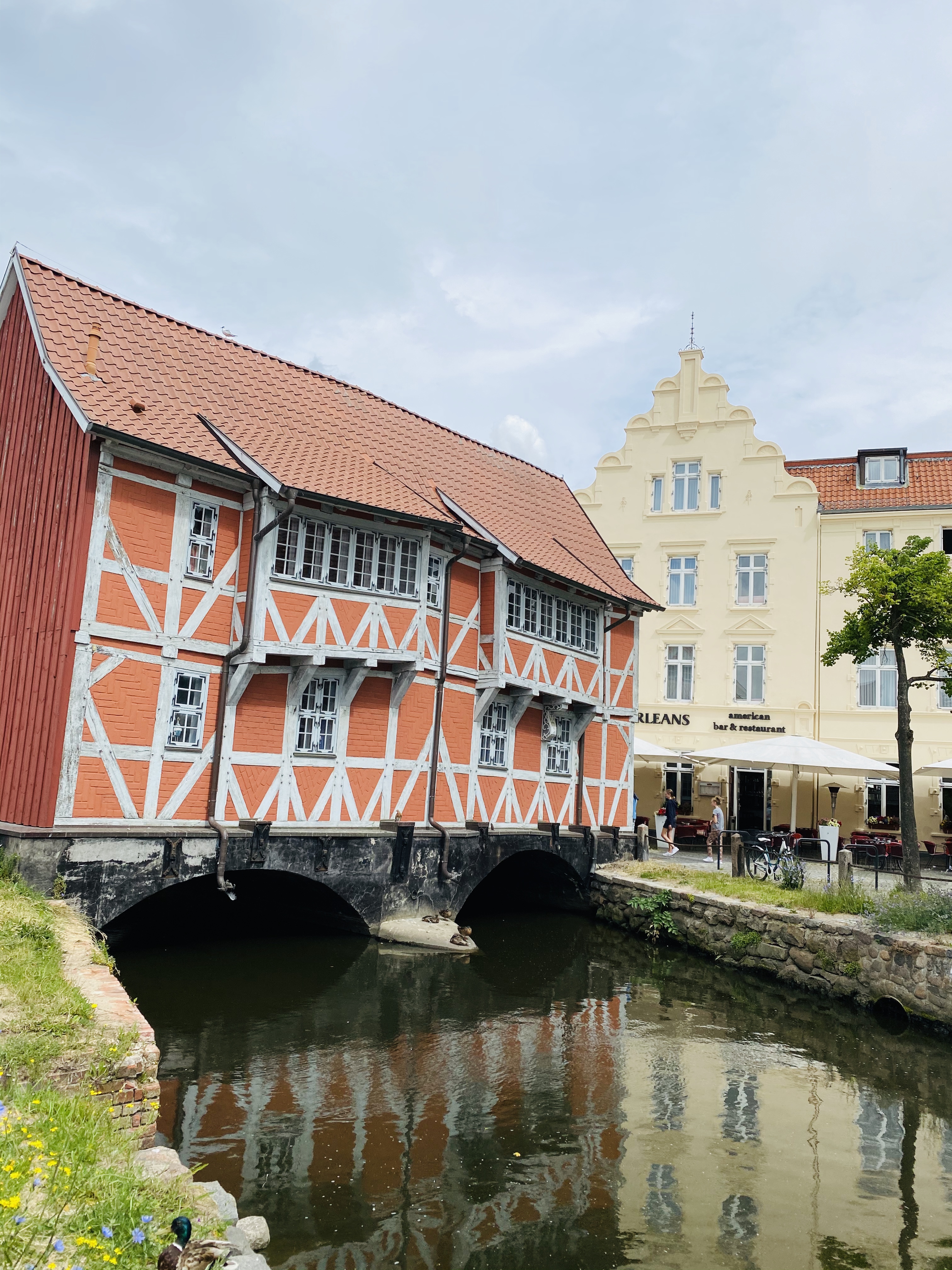
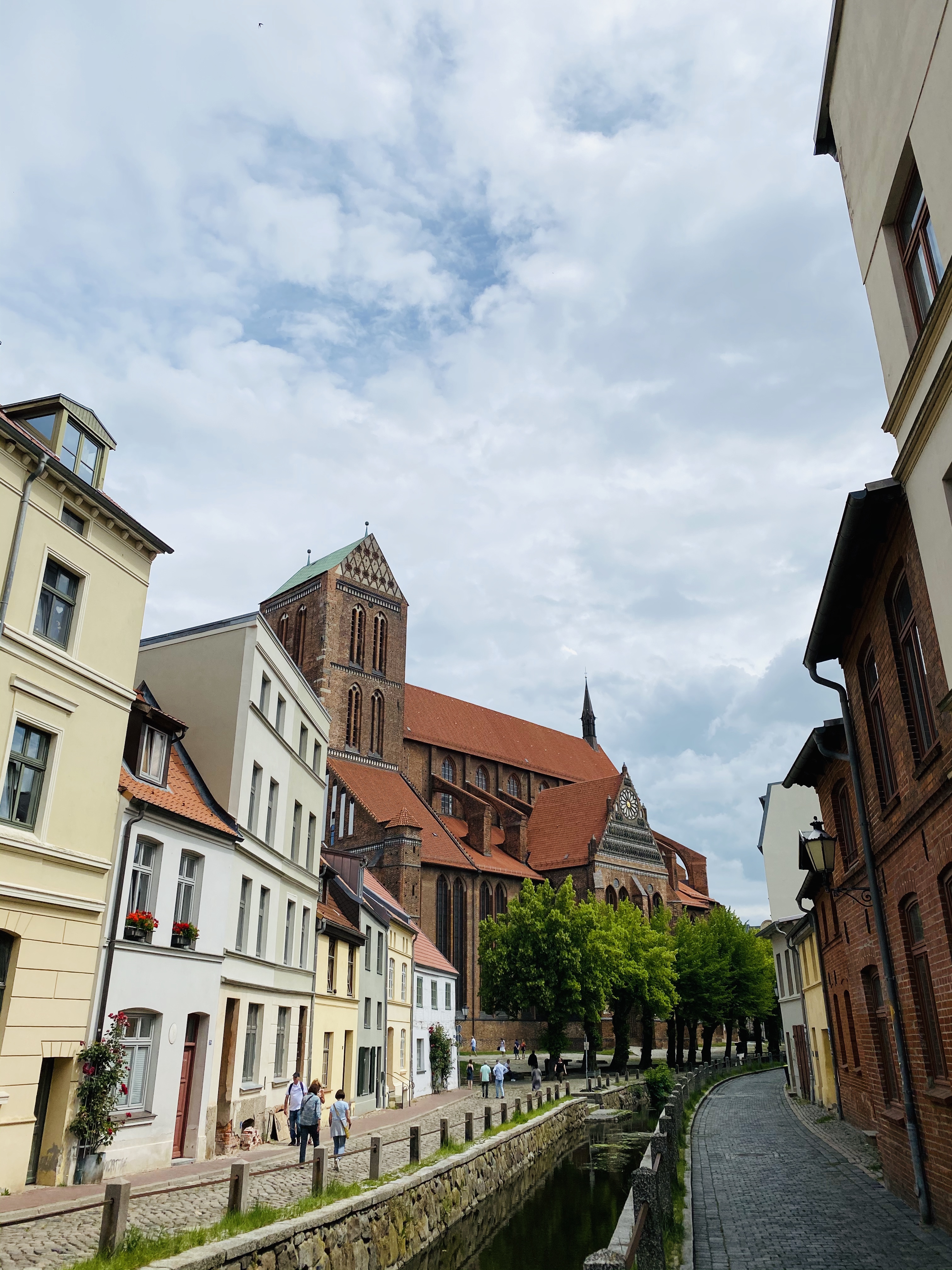
While walking through the old town, the Scandinavian architectural influence was apparent.
It became part of the German Empire in 1871, though Sweden officially renounced its claims to the city only much later, in 1903.
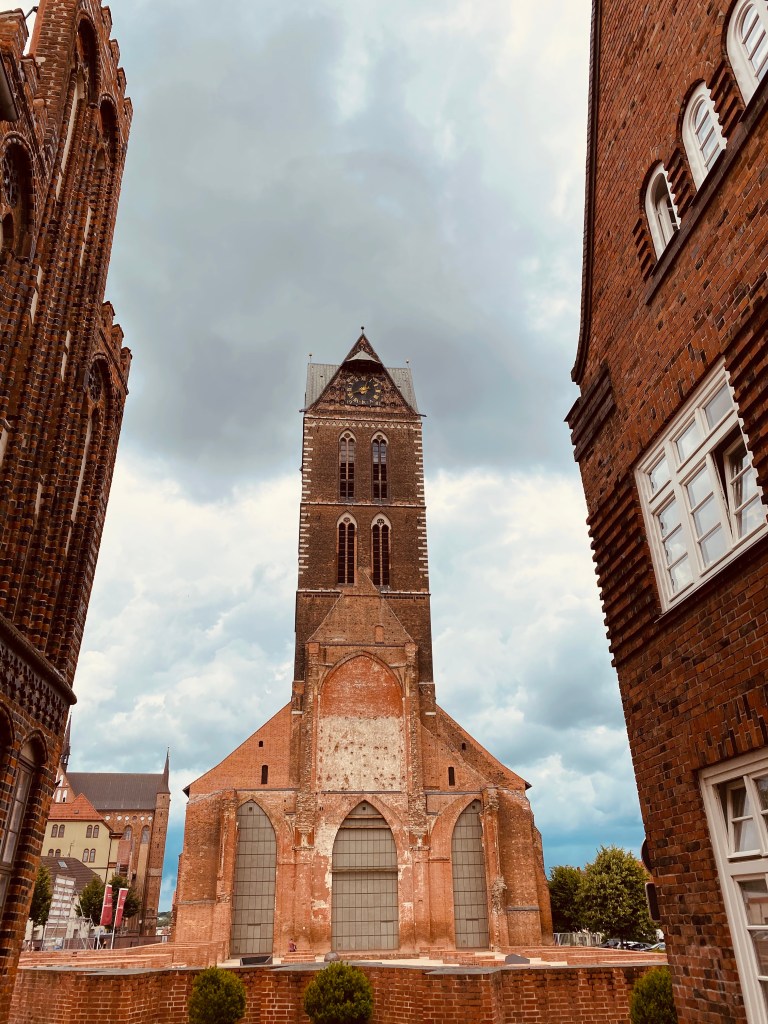
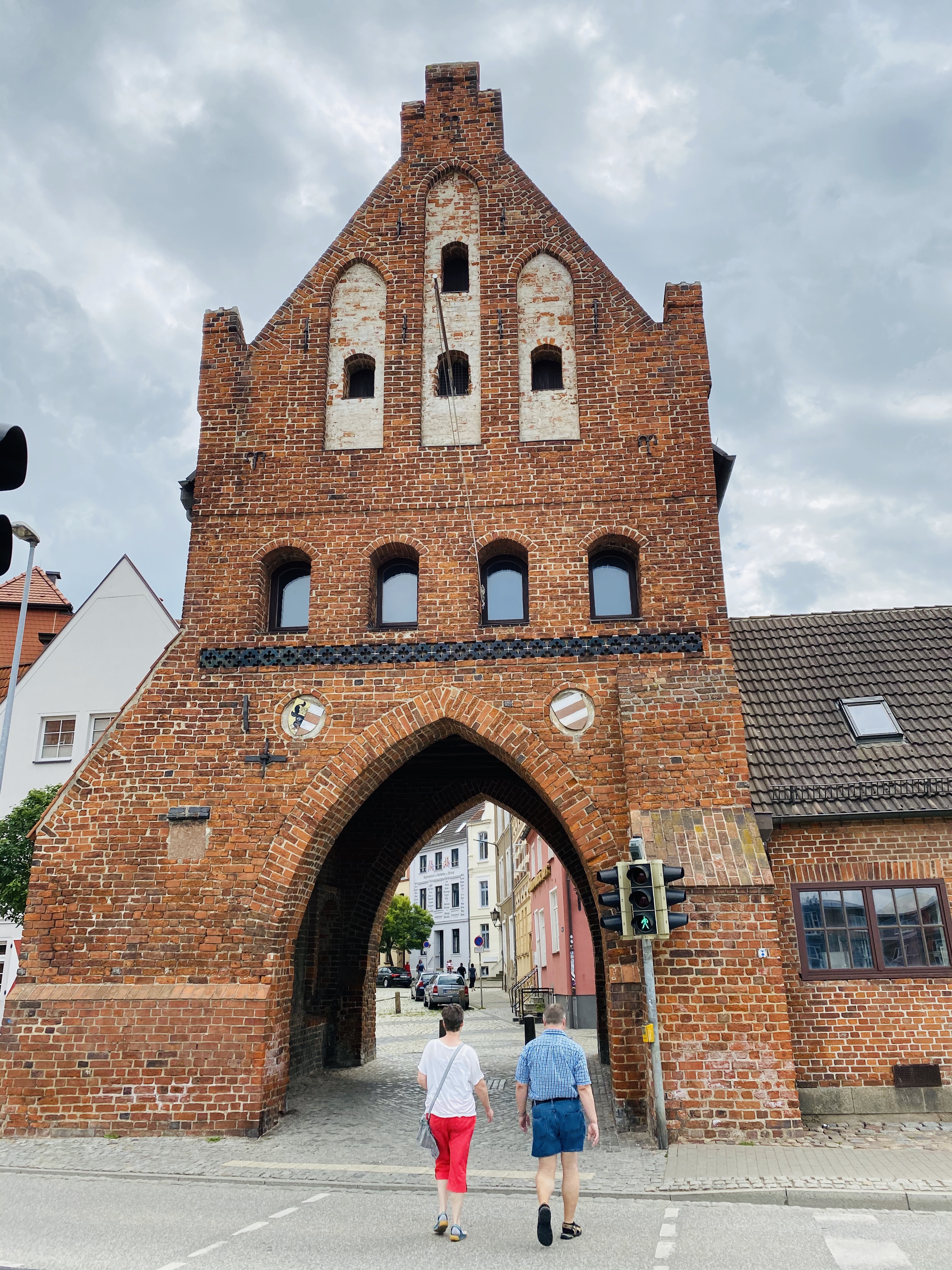
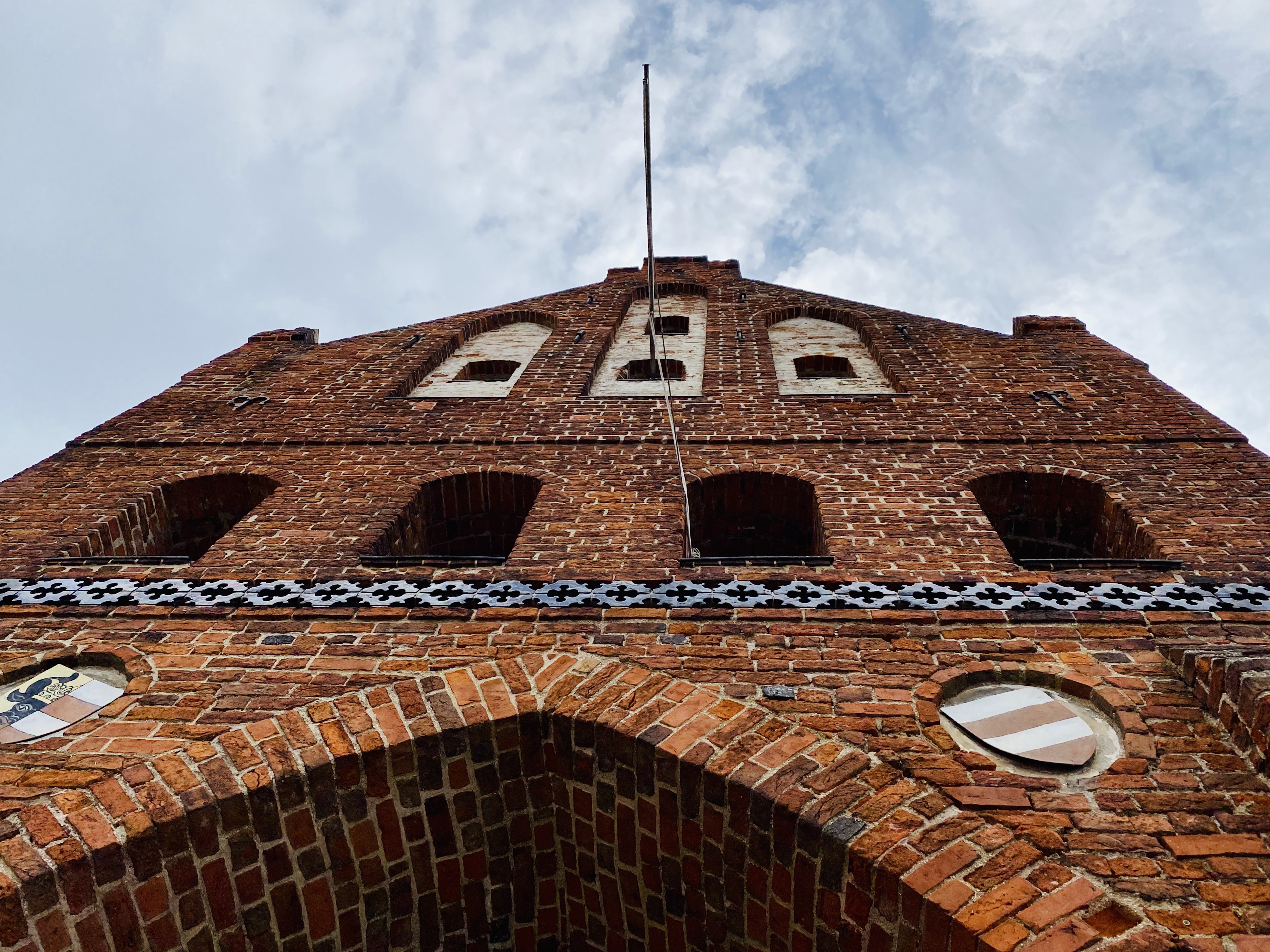
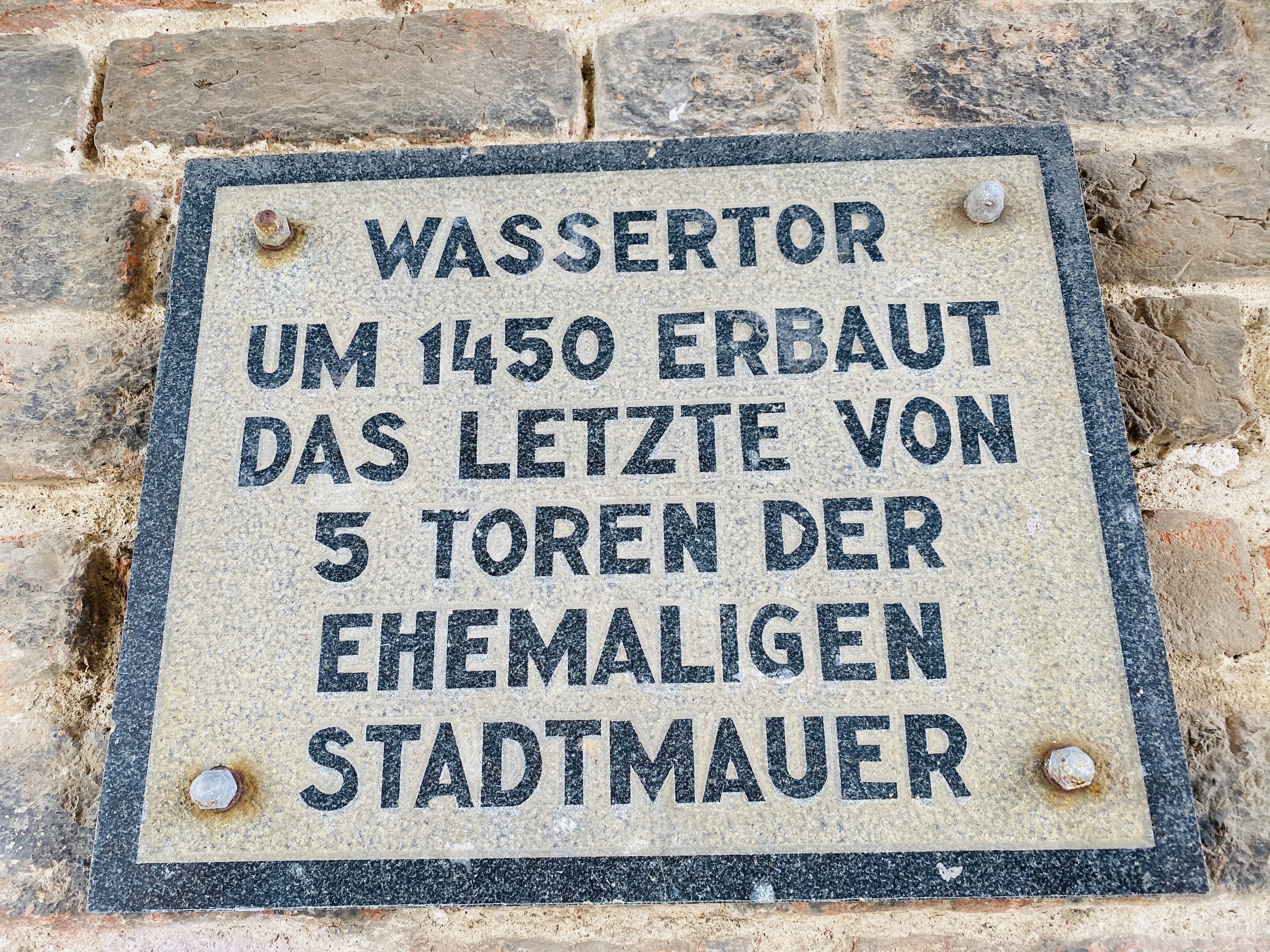
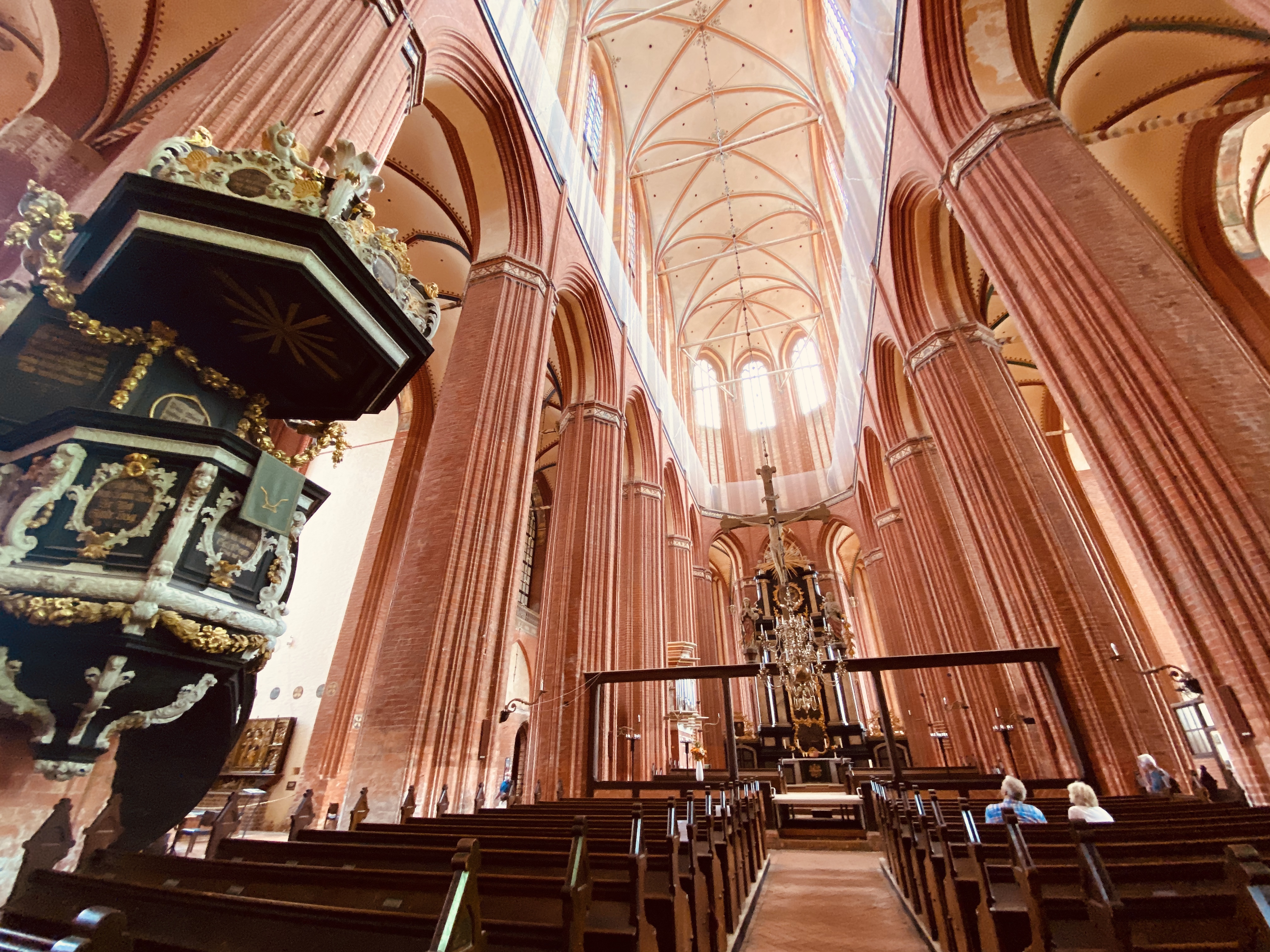
A unique representative of the Hanseatic League city type, with its Brick Gothic constructions and many gable houses, Wismar has been included in the UNESCO list of World Heritage Sites since 2002, together with the historical old town of Stralsund (which we also visited over the summer).
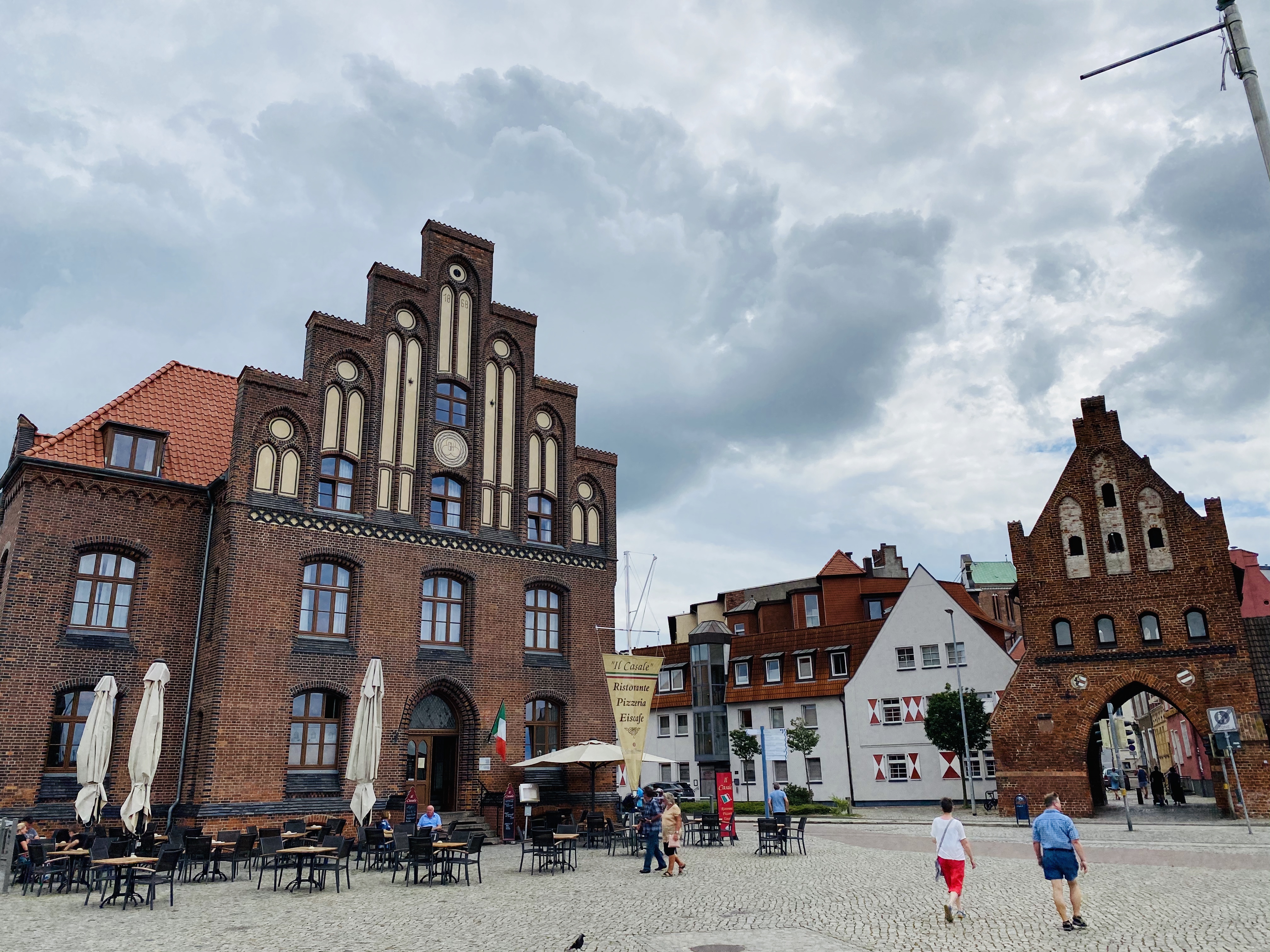
We spent a week this summer at a vacation home fifteen minutes from Wismar and five minutes from the Baltic sea.
Realizing we‘d be spending our entire summer in Germany, we scoured the Baltic coast for vacation homes in the countryside.

By the time we booked, there weren’t many left as many Germans stayed in country this year.

But we were able to find a rental in Beckerwitz that had eight consecutive nights available right after school ended in late June.
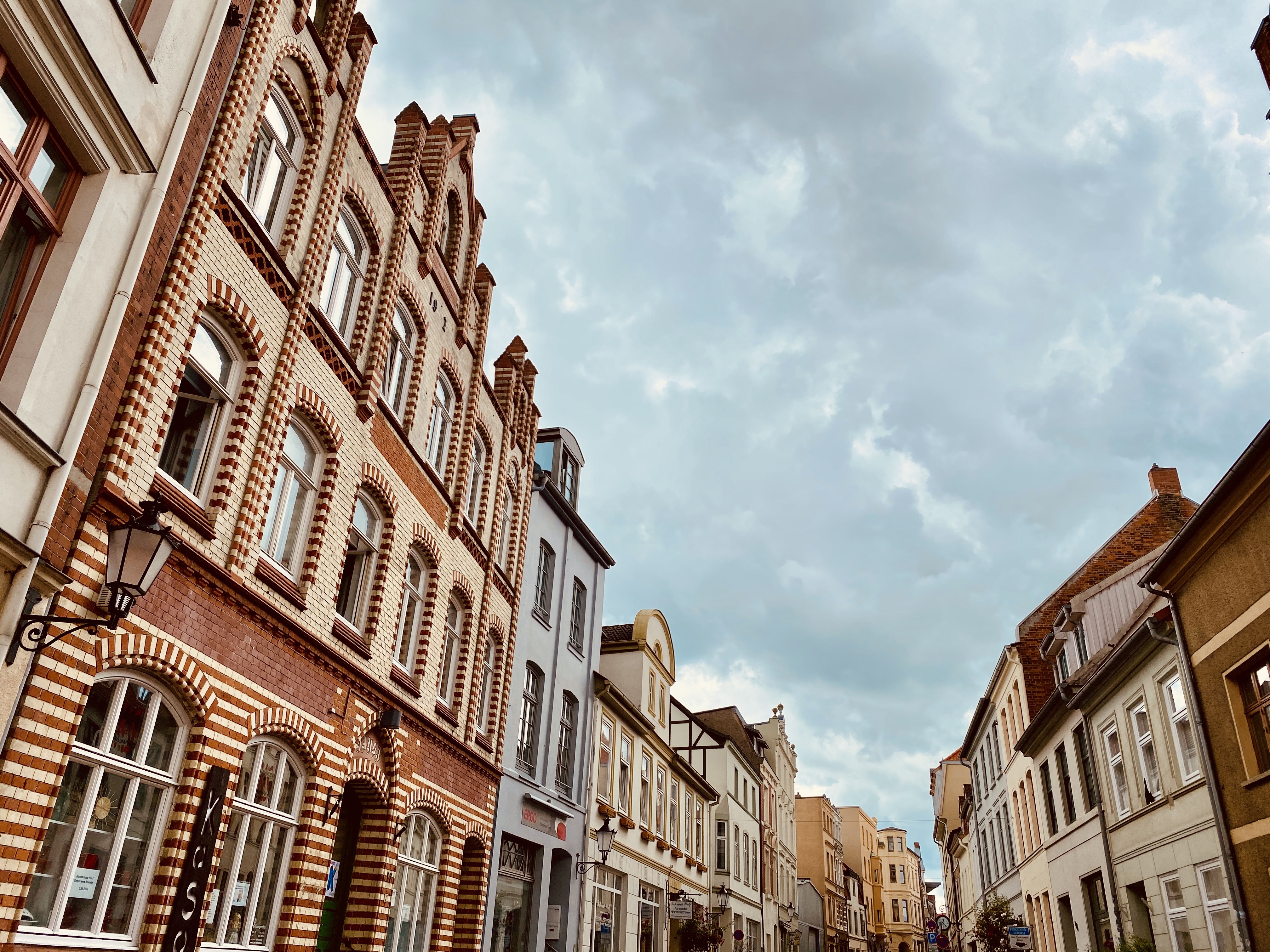
Wismar was stunning and smaller than neighboring and better-known Lübeck.
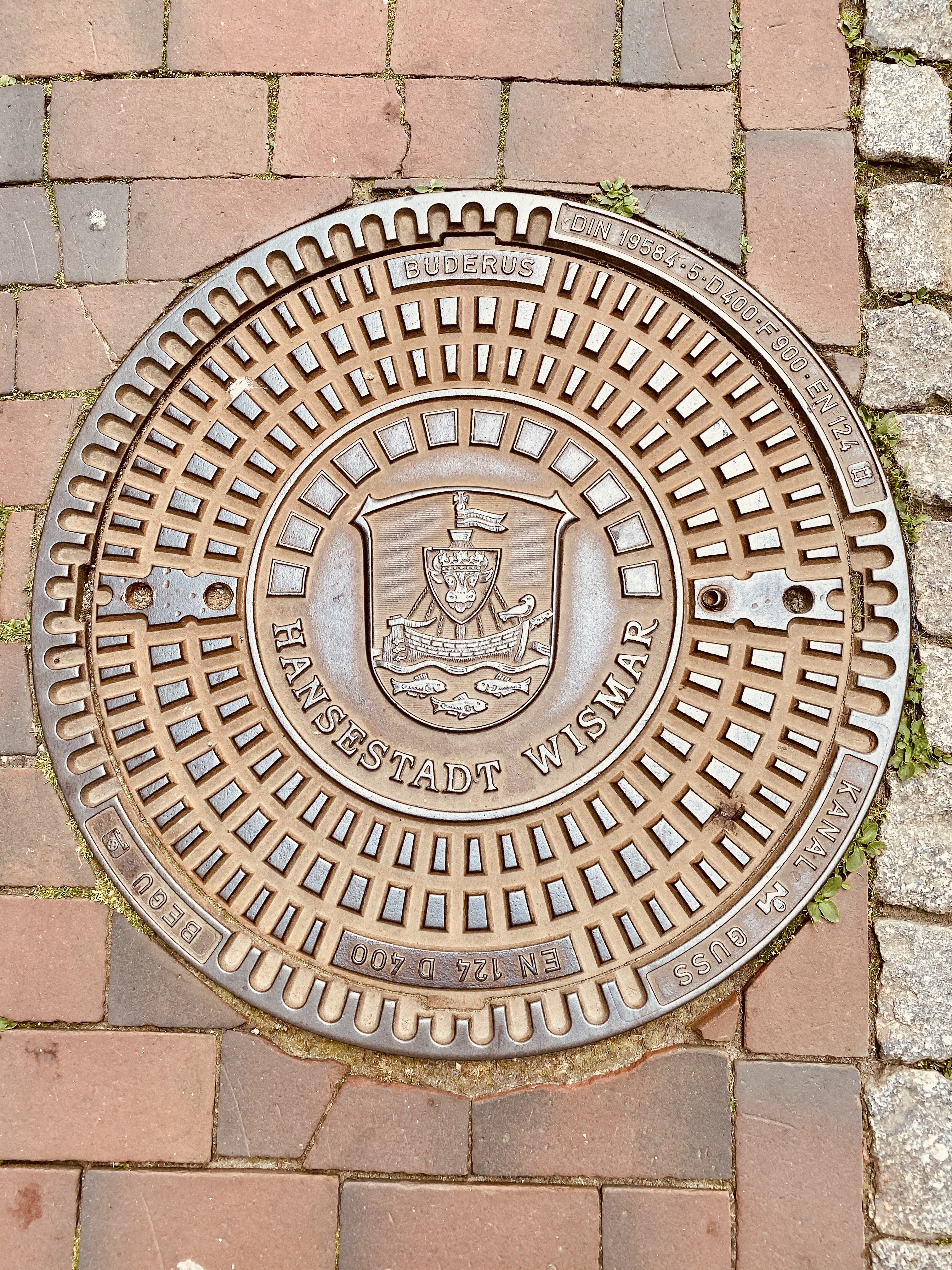
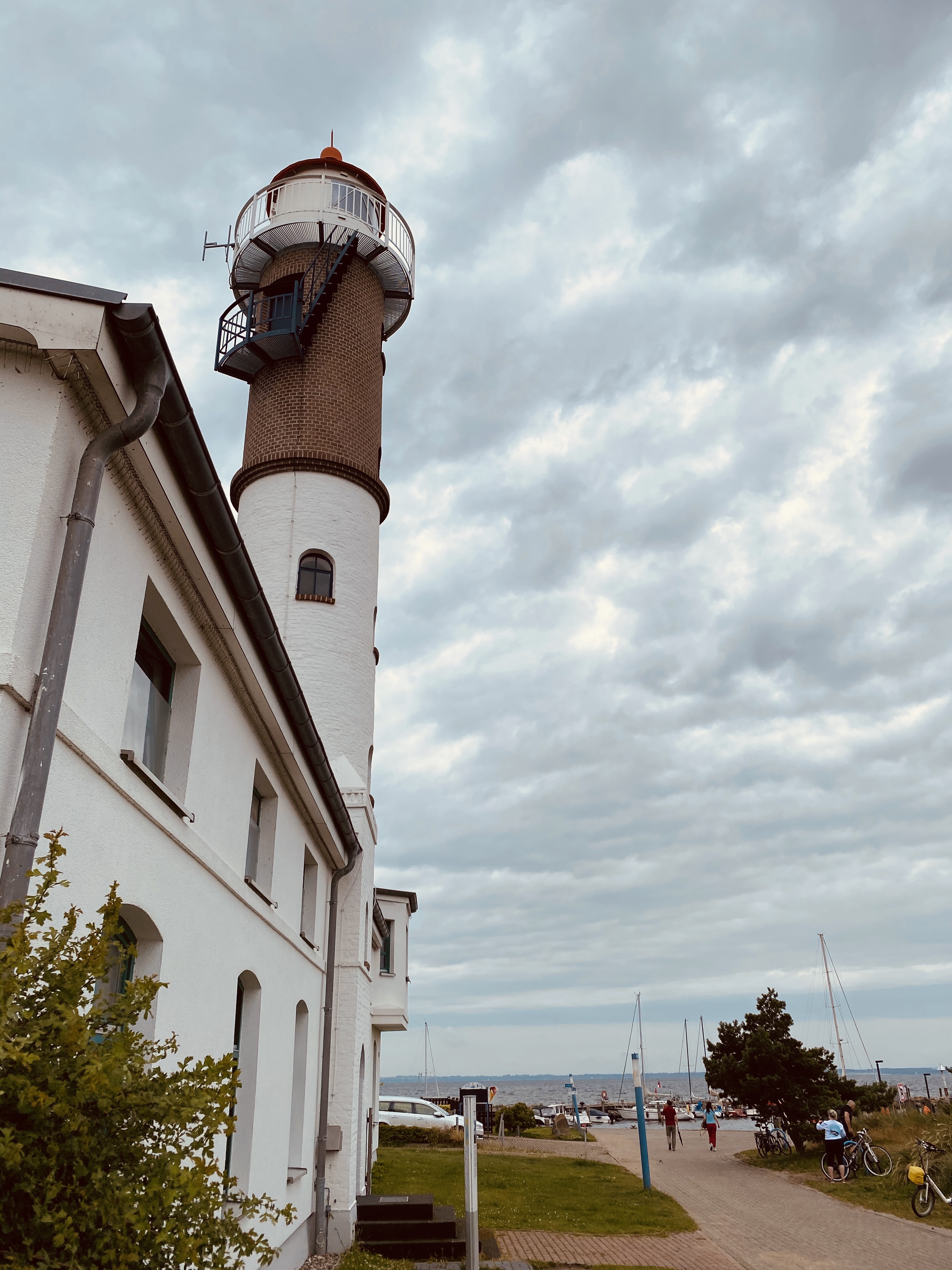
One morning, Dave took the boys to a water park, while I spent the first half of the day exploring Wismar and neighboring Insel Poel.
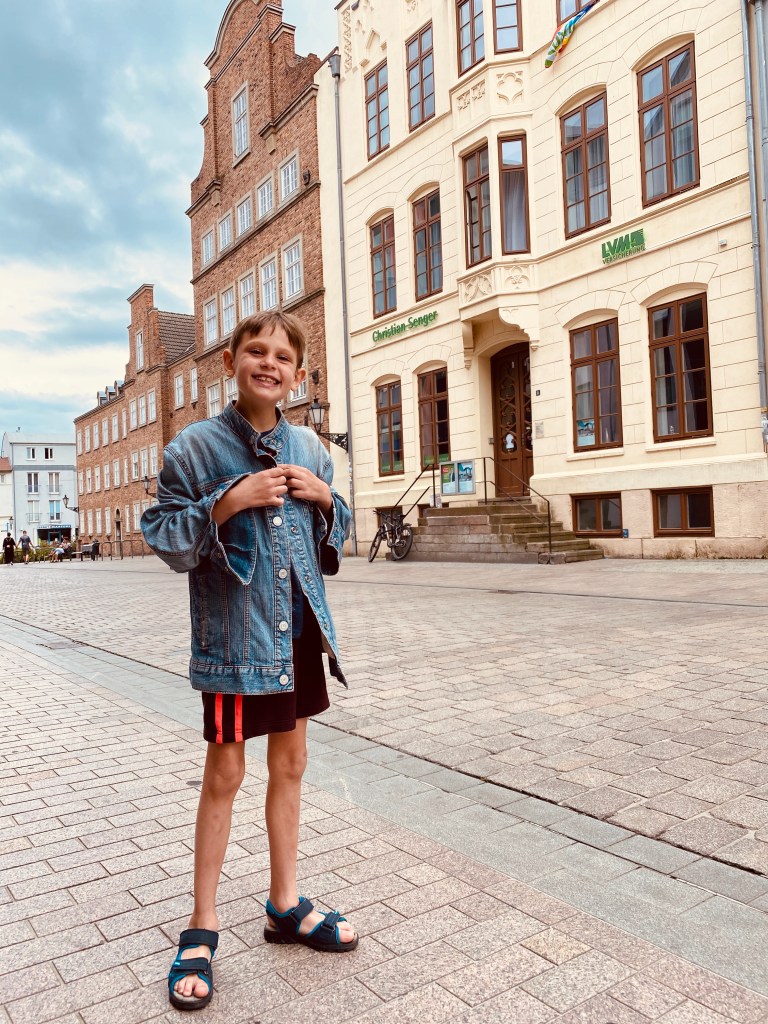
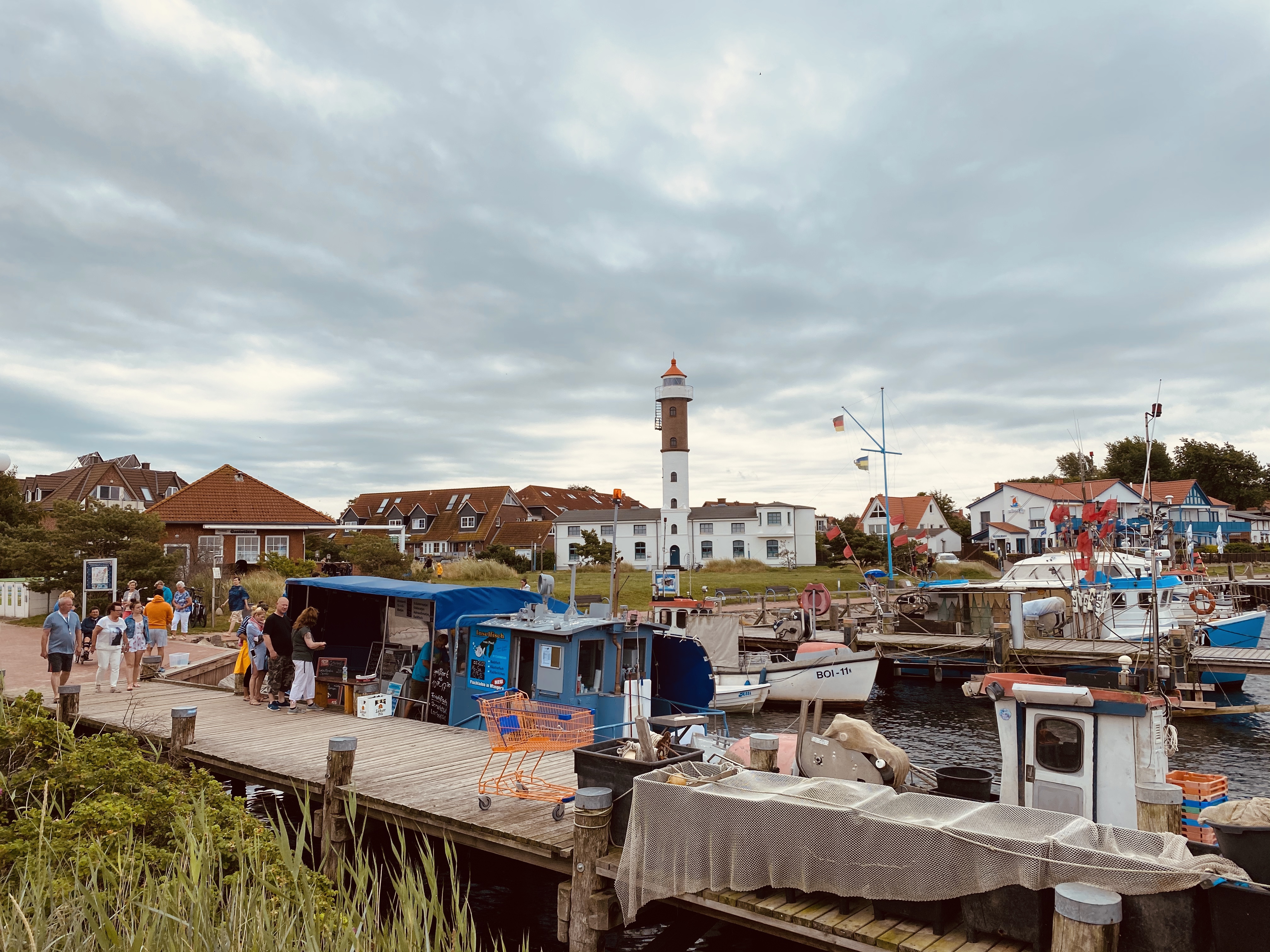
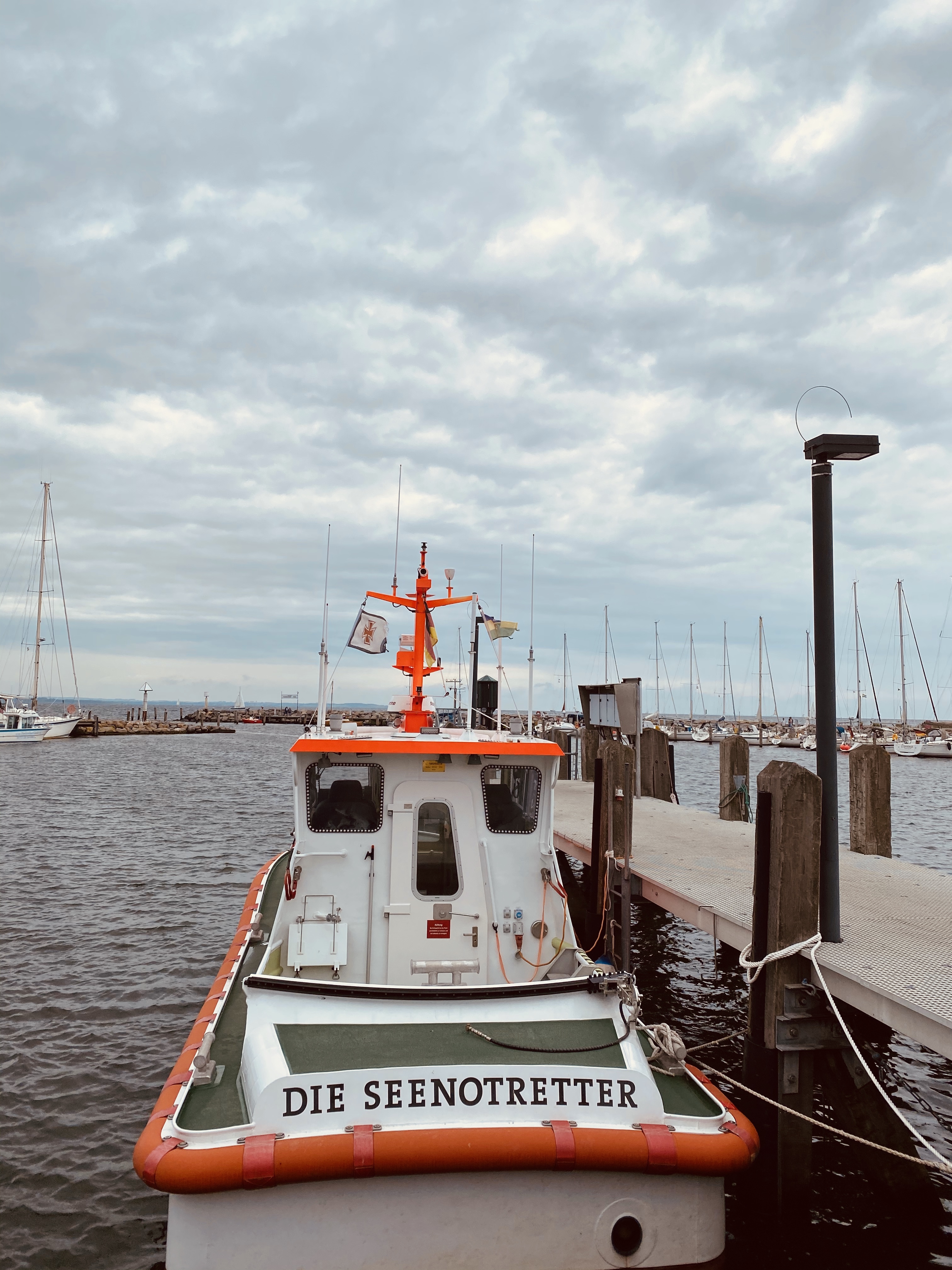
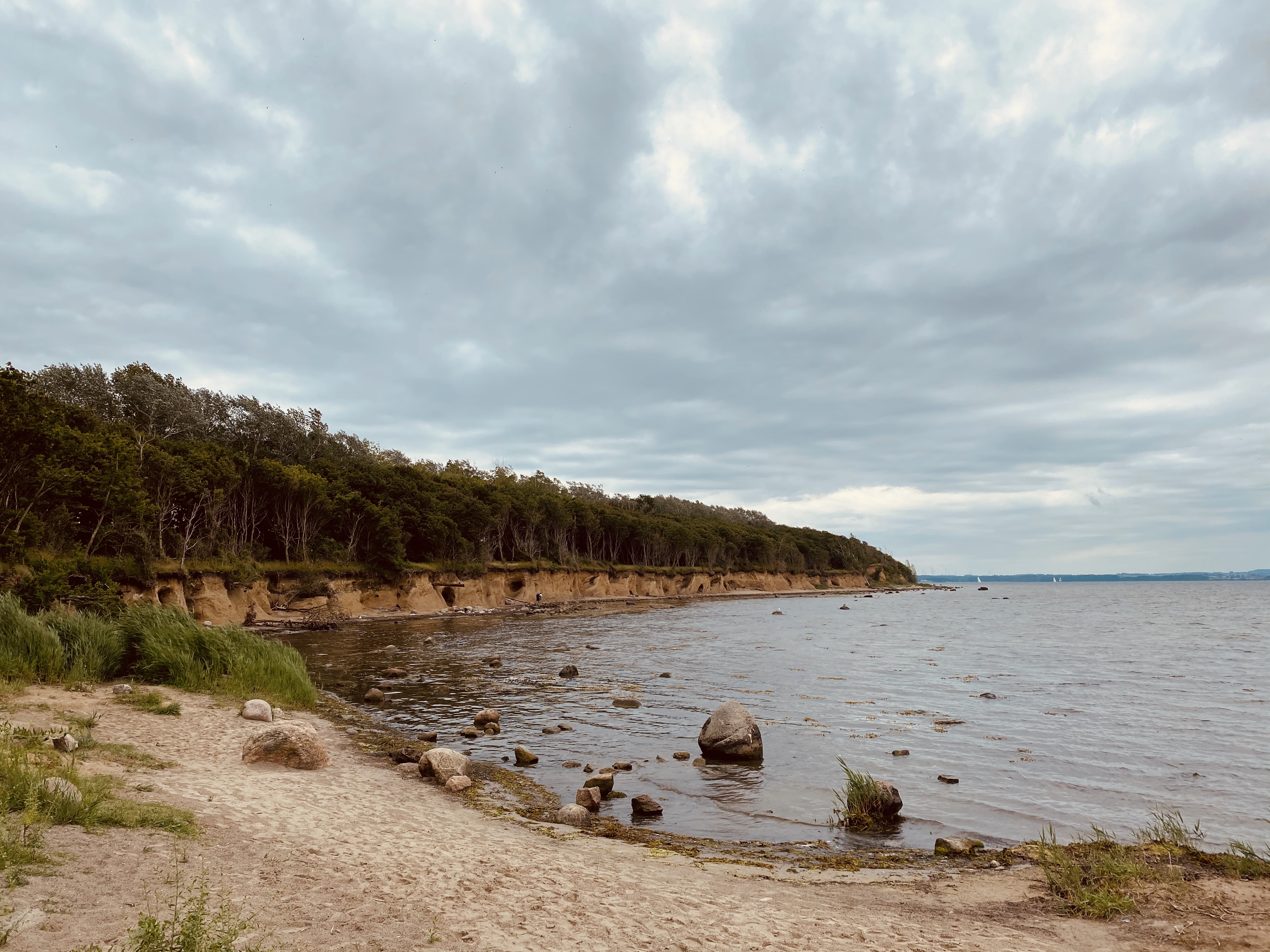
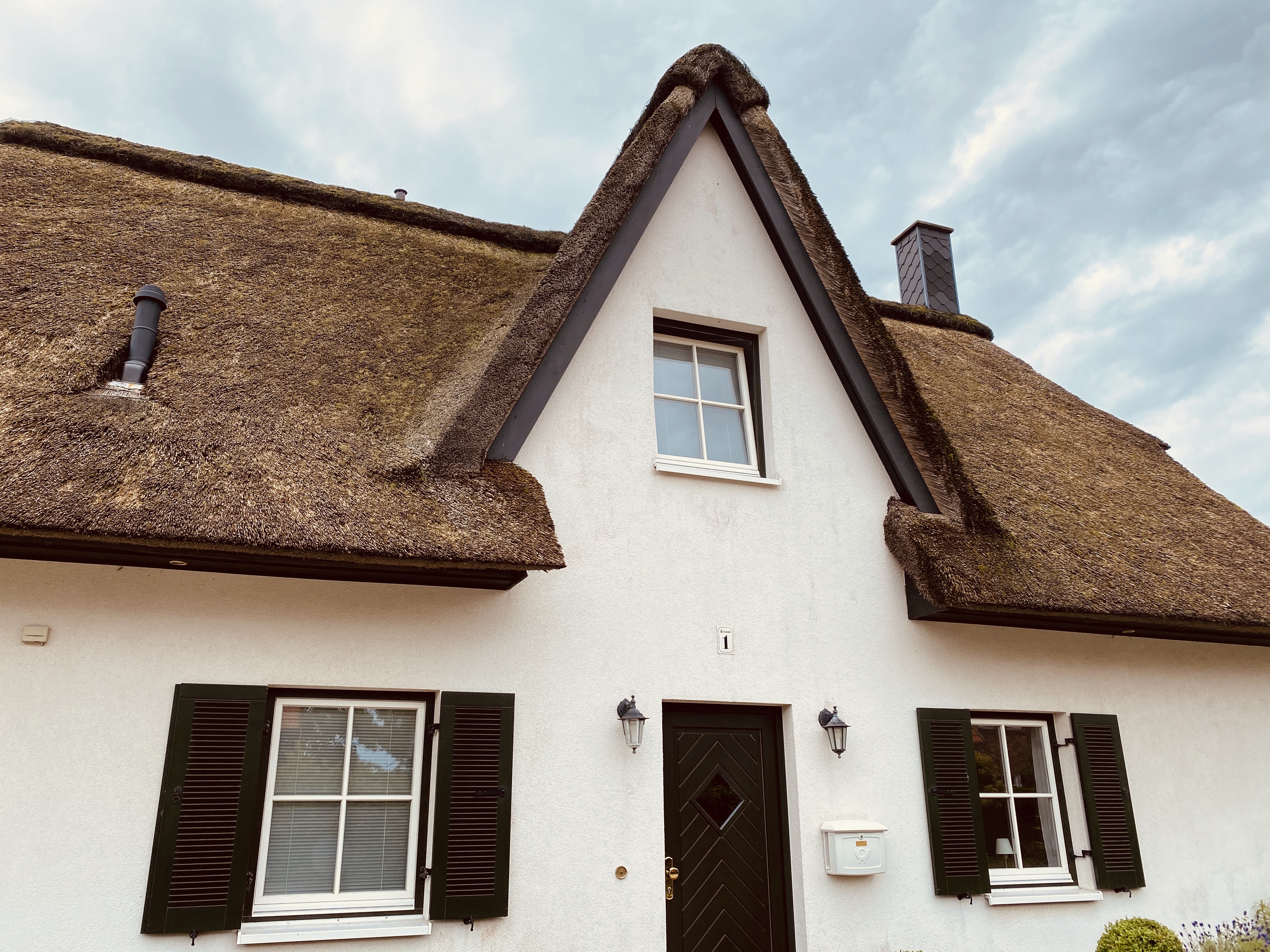
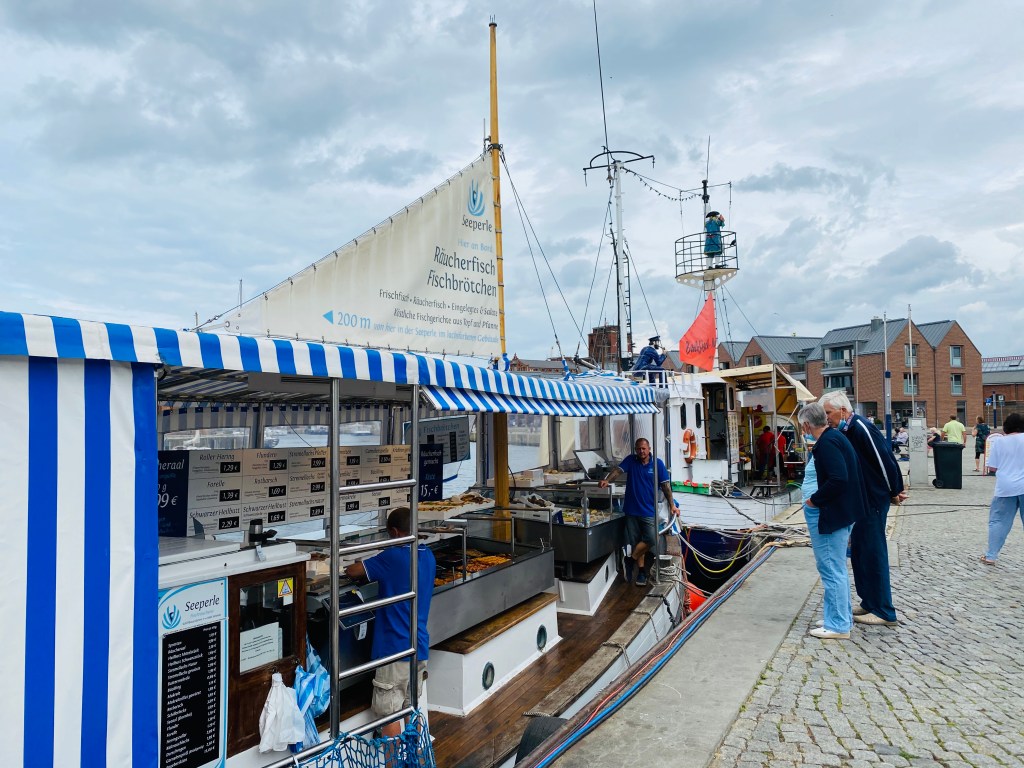
They joined me afterwards to walk through the city highlights and to have a casual dinner together.
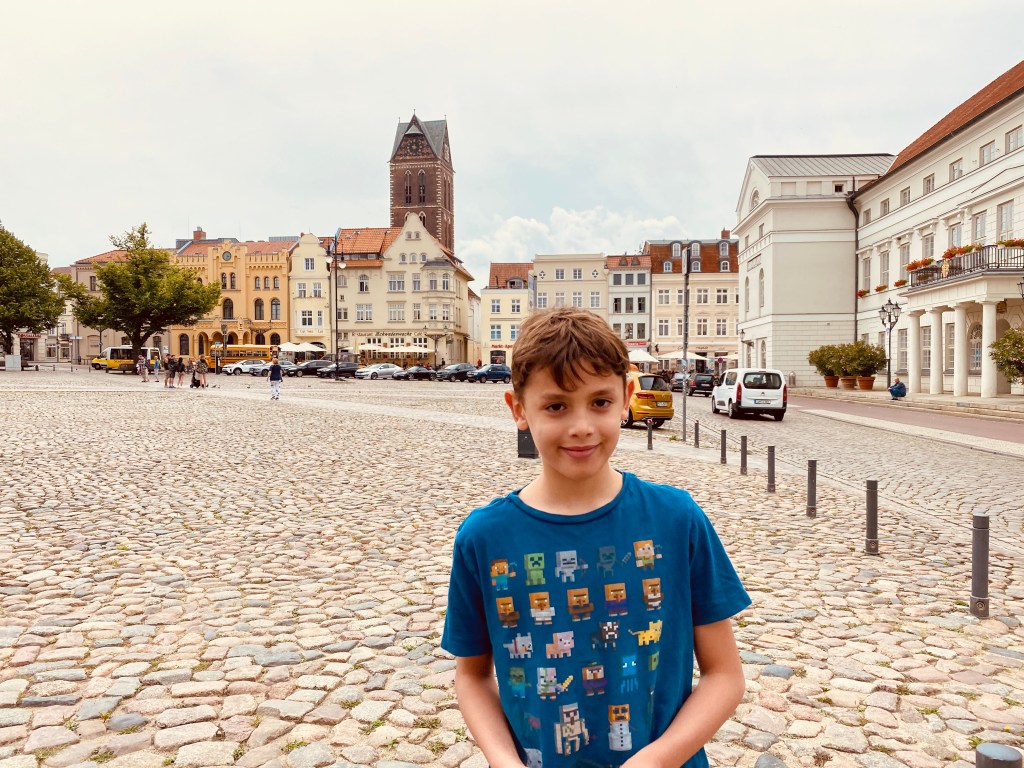
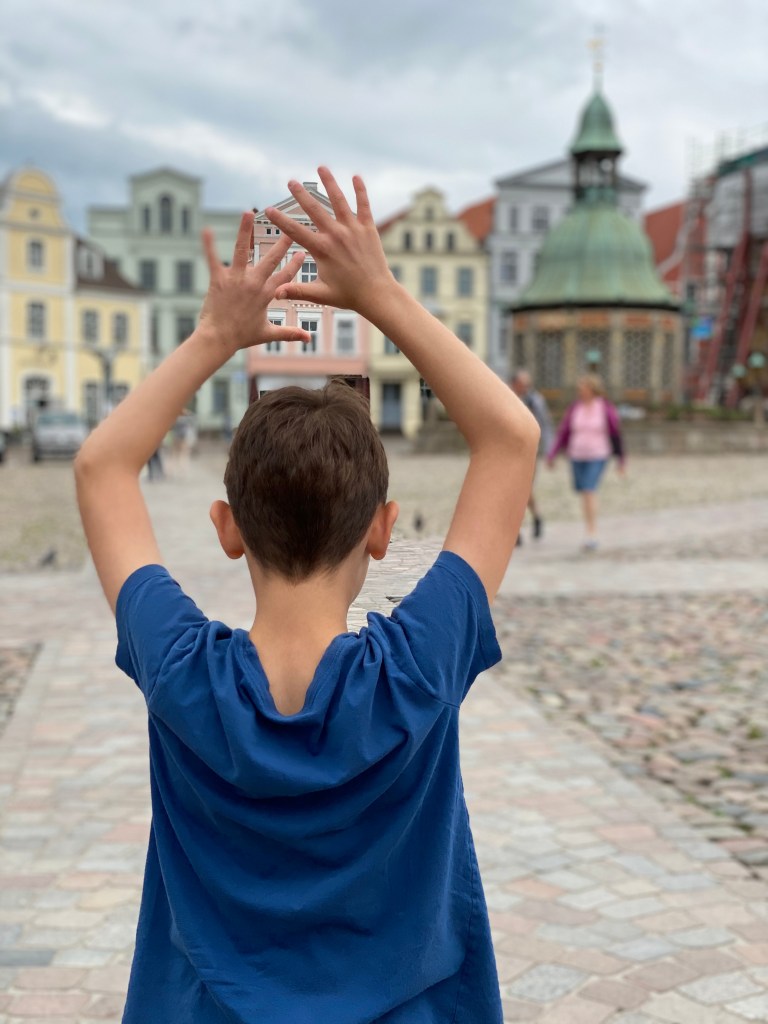
Of course, the boys weren’t interested in walking through the town. So we made our tour brief and focused on the Market Square area.
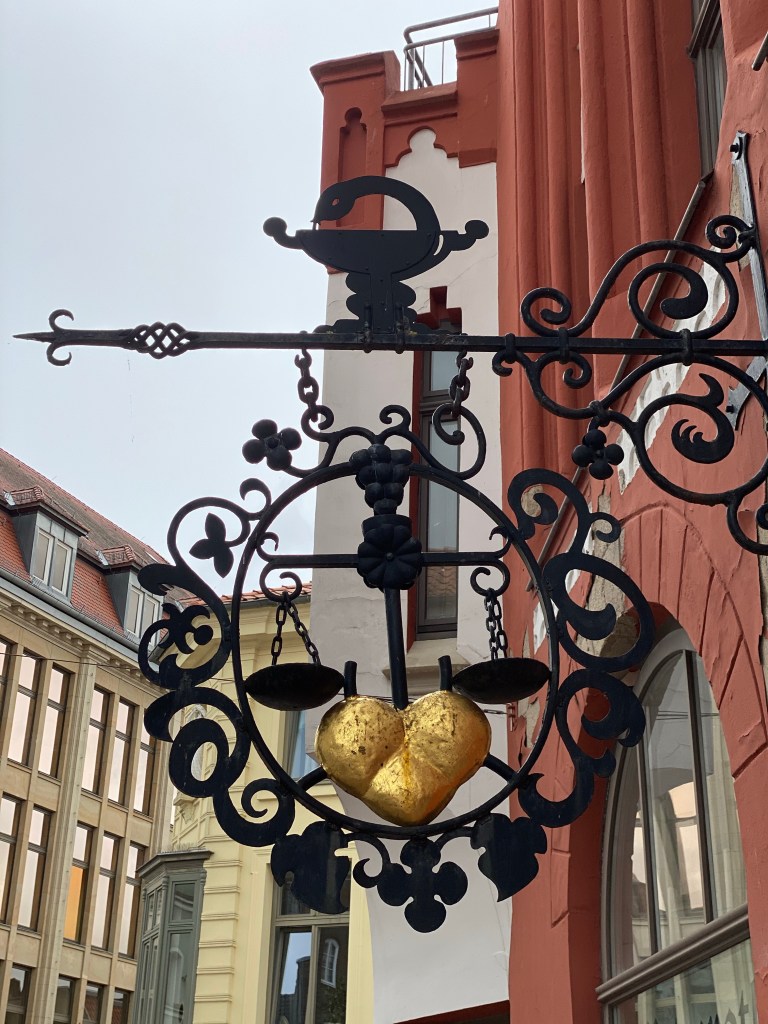
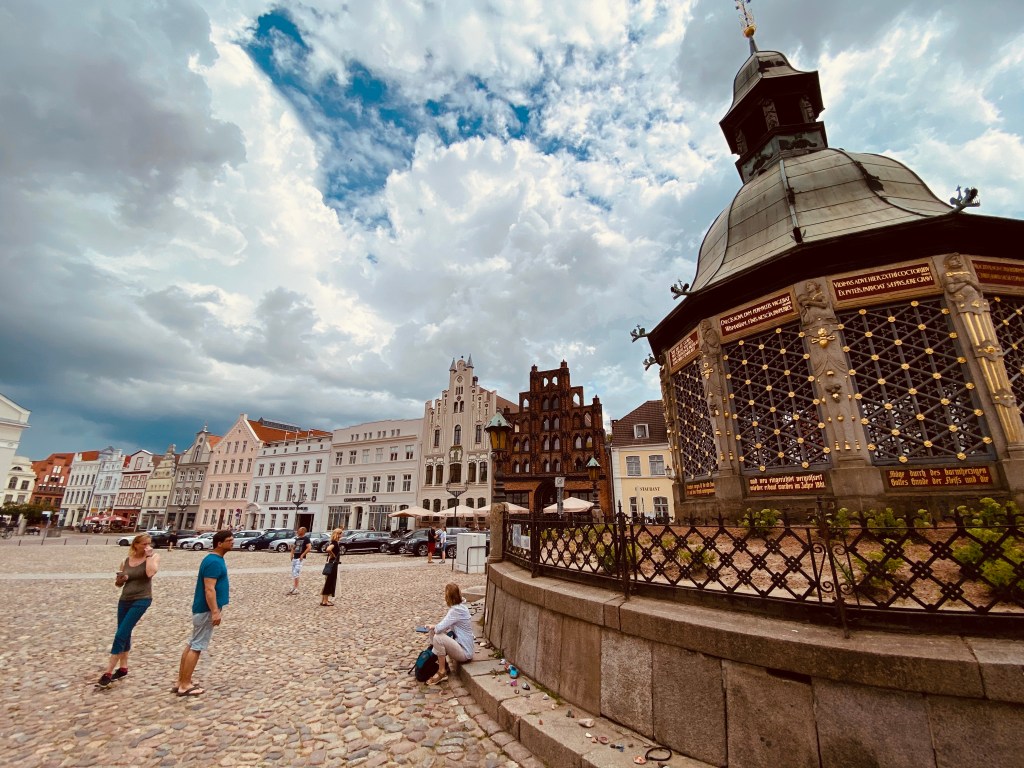
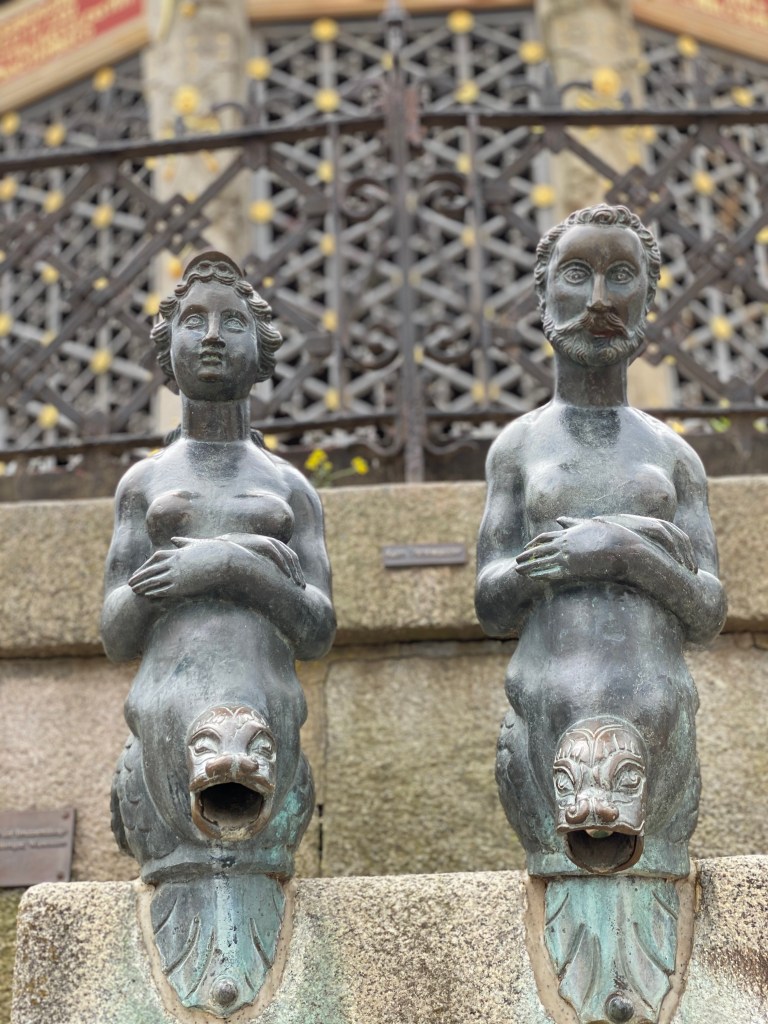
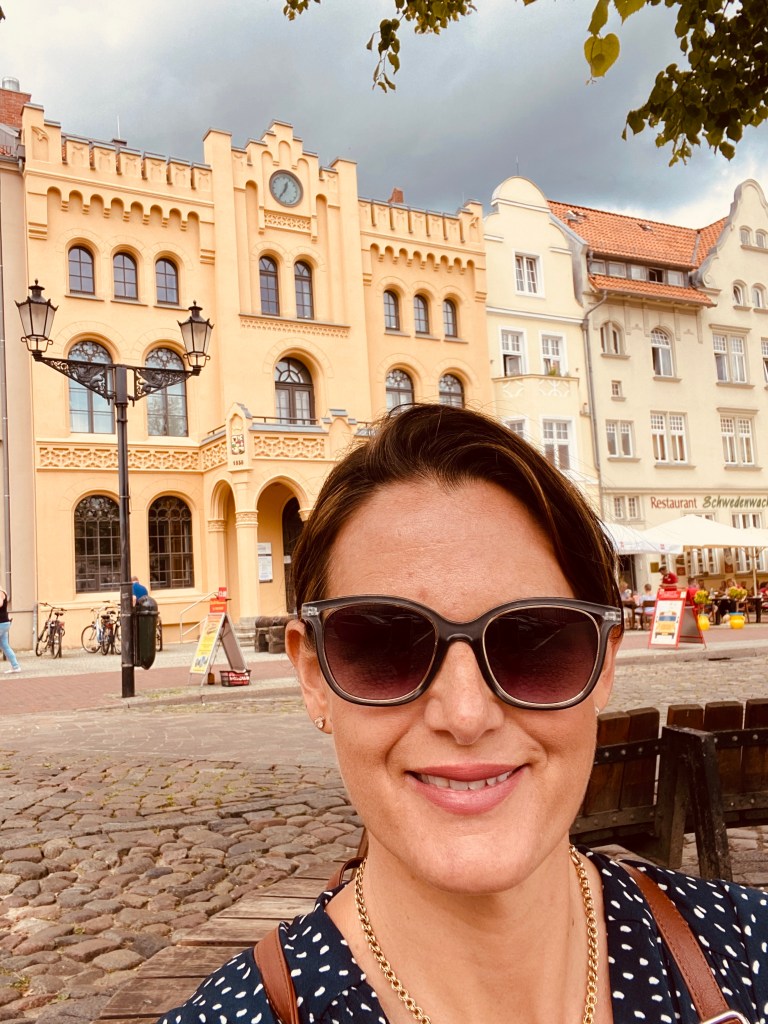
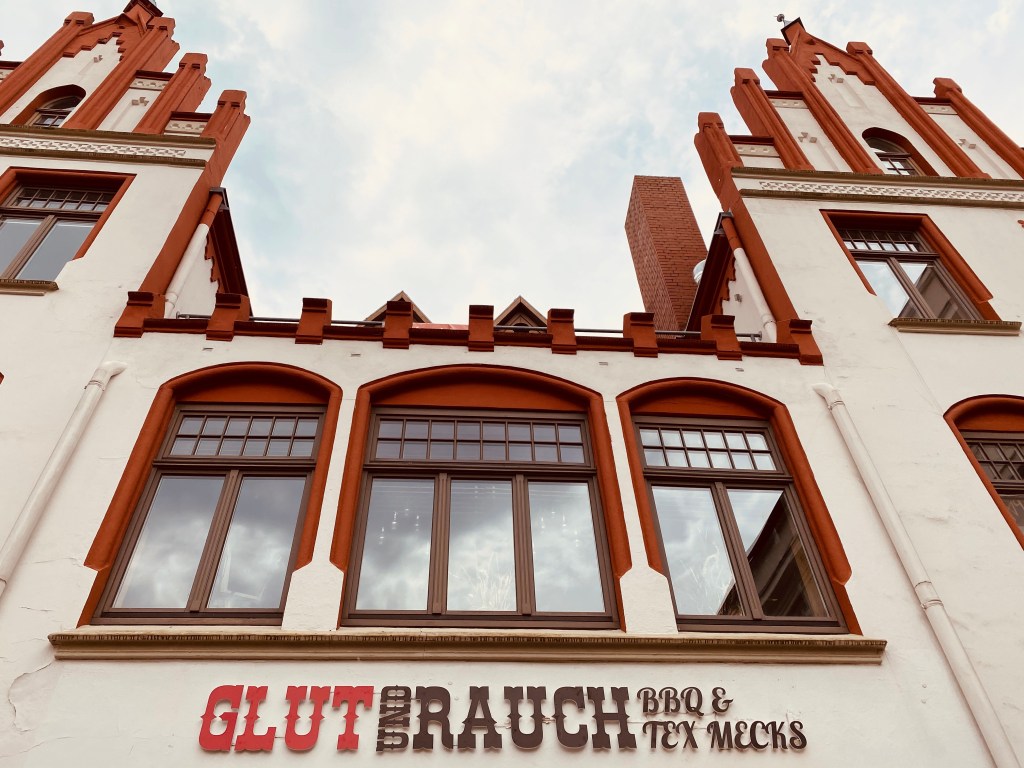
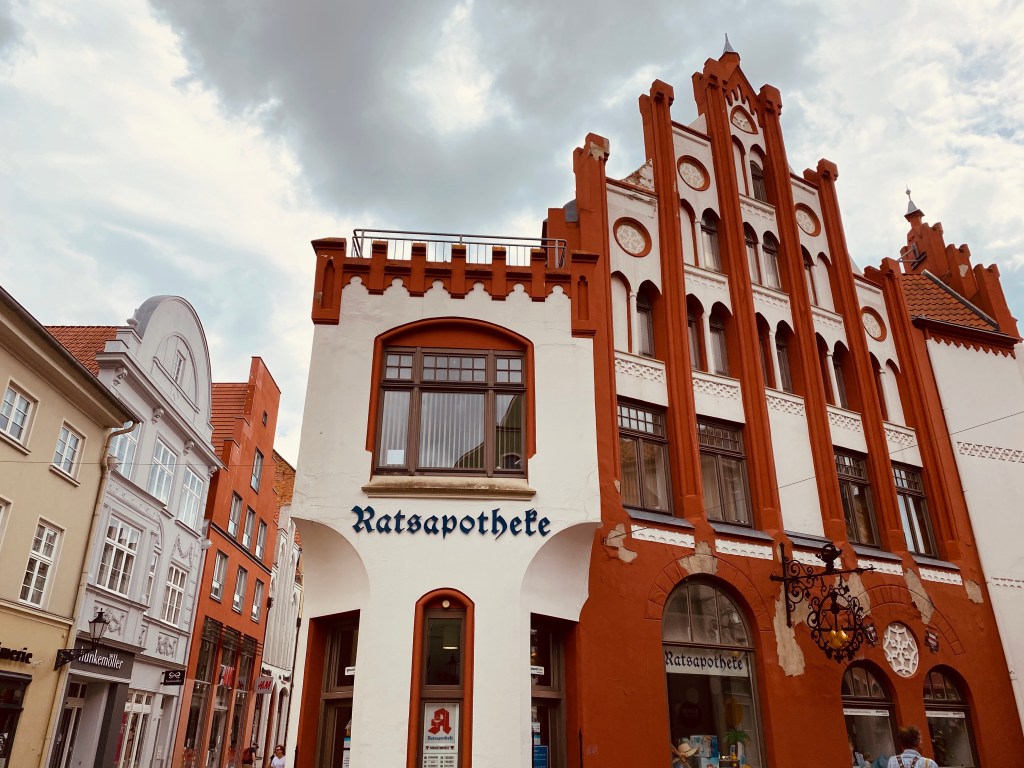

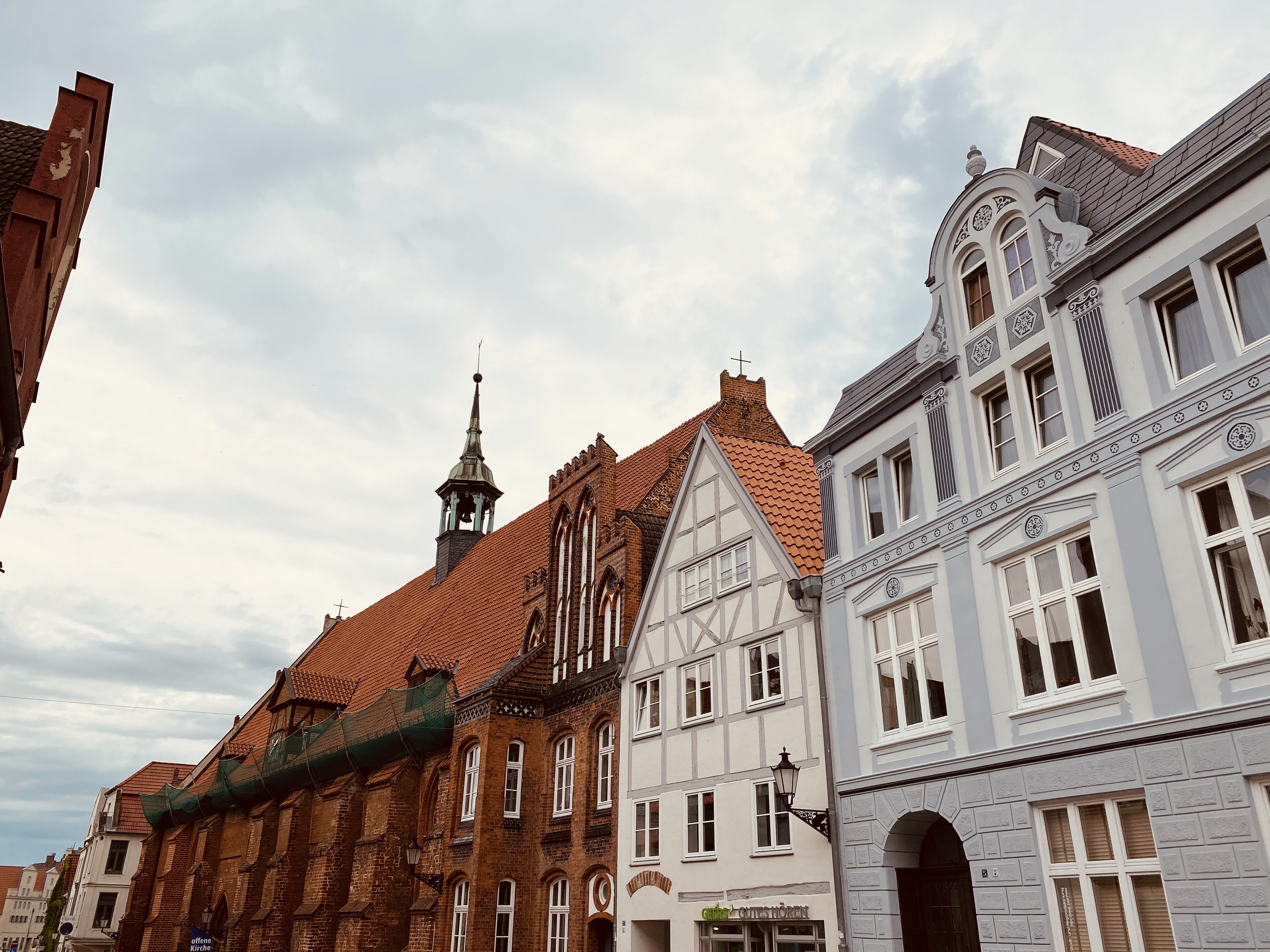
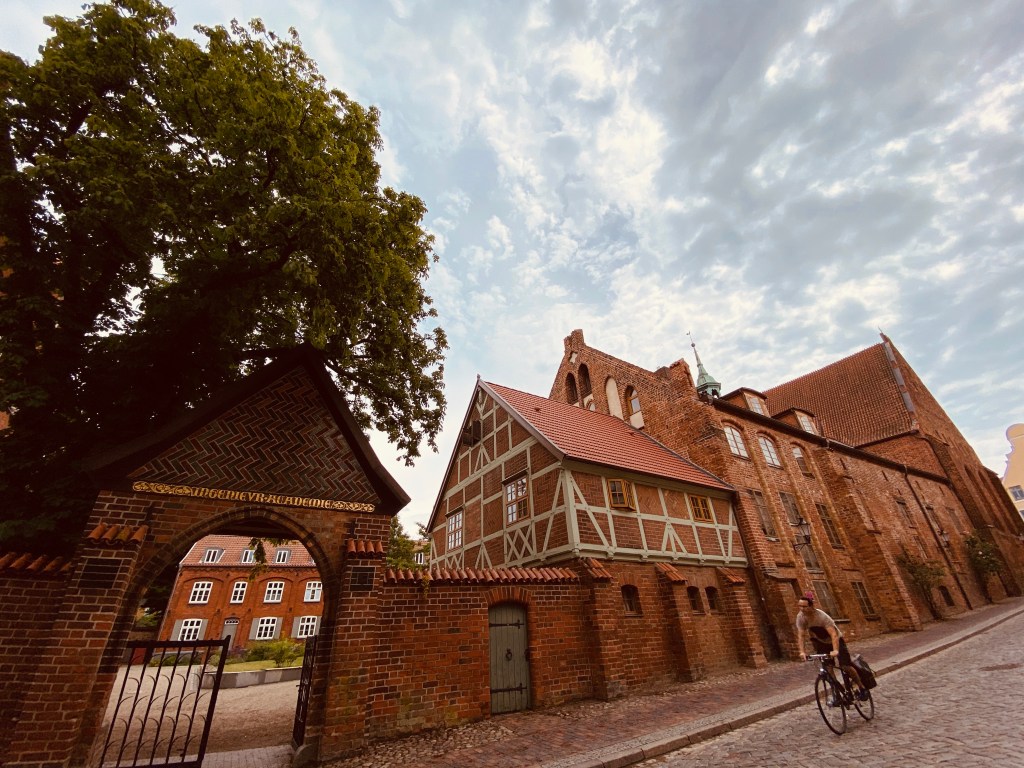
I really loved Wismar. It’s a charming town to explore and wasn‘t very busy when we visited.

A perfect start to our Hanseatic adventure.
 Berlin Lubells: Stories of Life in Berlin from an American Expat Mom's First Experience Living Abroad