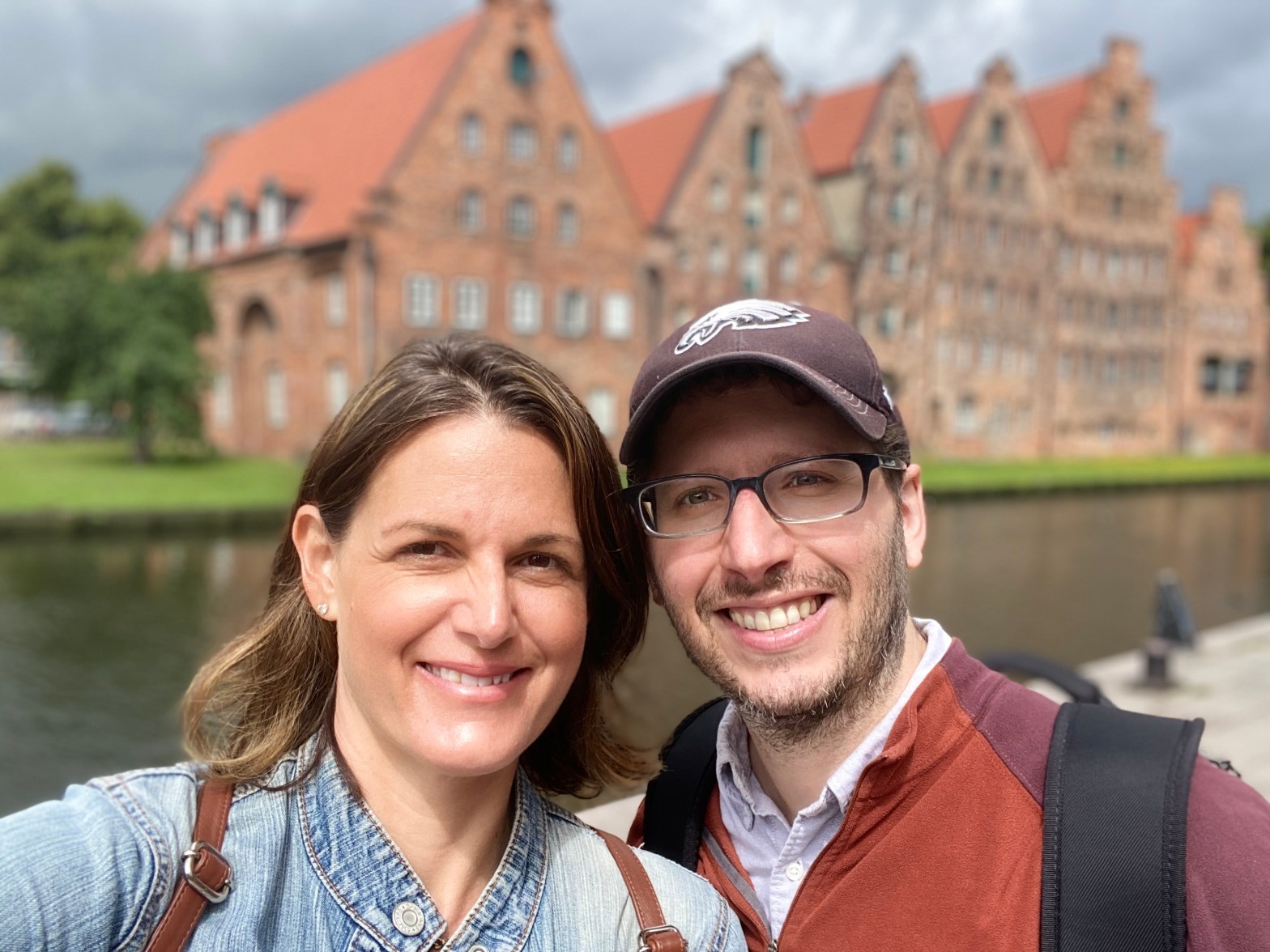
Summer of 2020 – our family’s opportunity to travel to new places in Germany, focusing on Brandenberg and the northern Hanseatic region.

I had heard the term Hanseatic, but had not really understood its historical significance.
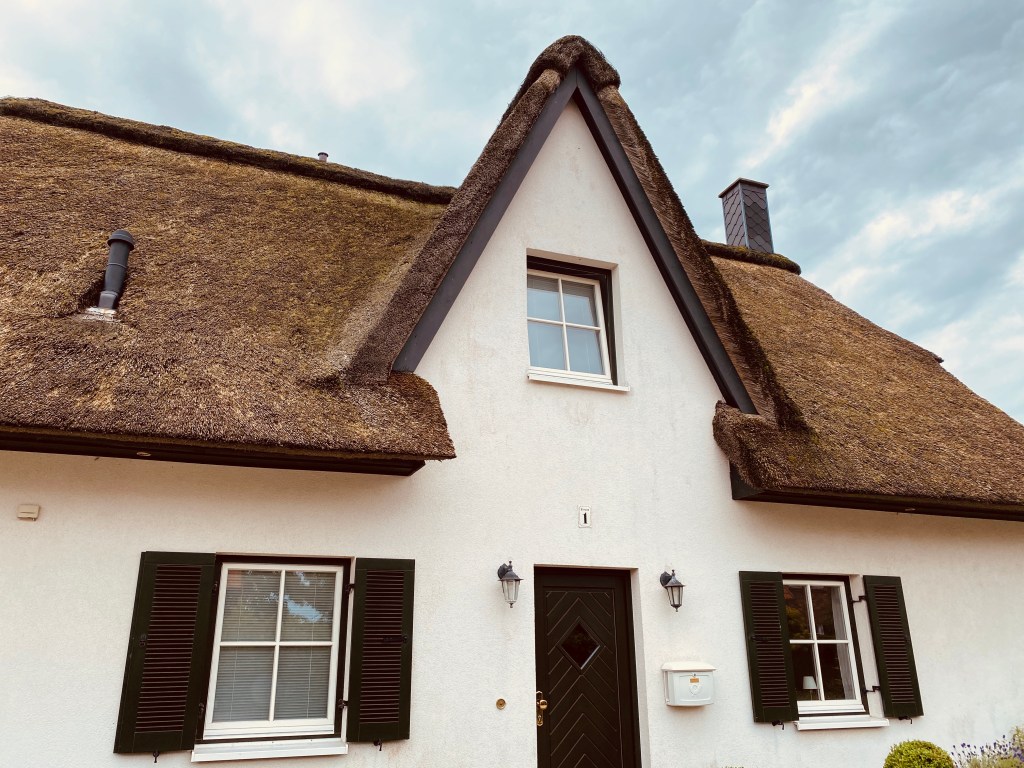
After spending two weeks in this Baltic area, I started to see the beauty of this sea region with its hatched roofed houses and massive cathedrals.
Here I will share some history of the Hanseatic region along with my photos.
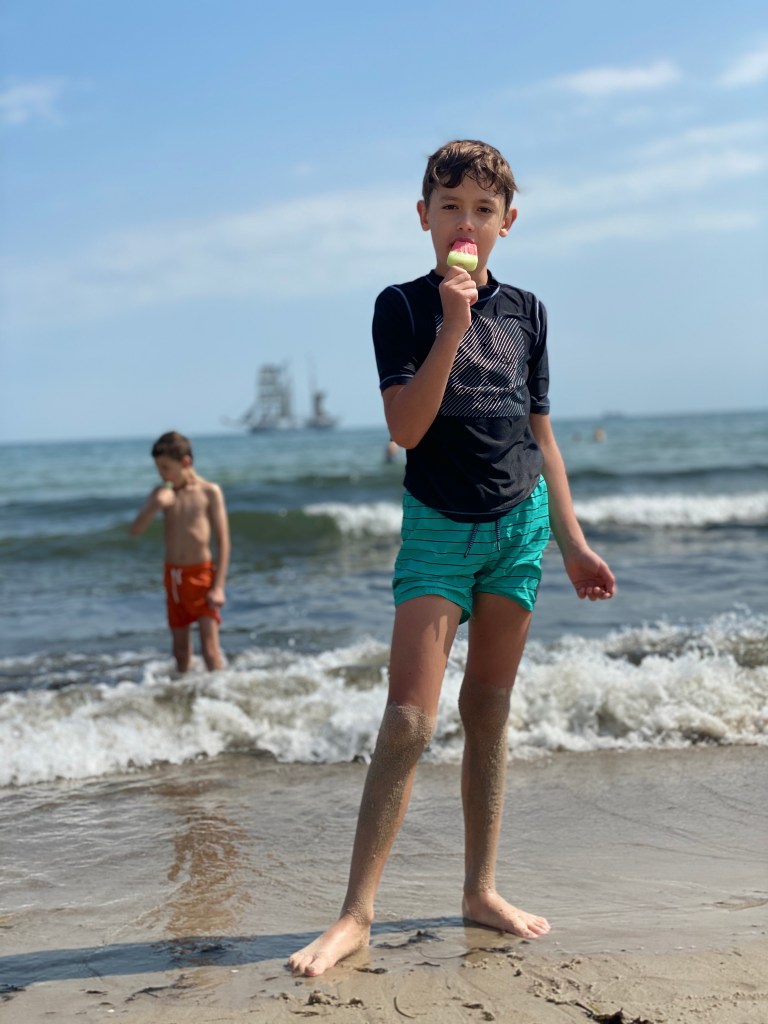
My goal is to share separate posts highlighting the magnificent cities, beaches and villages that we were able to experience this summer.
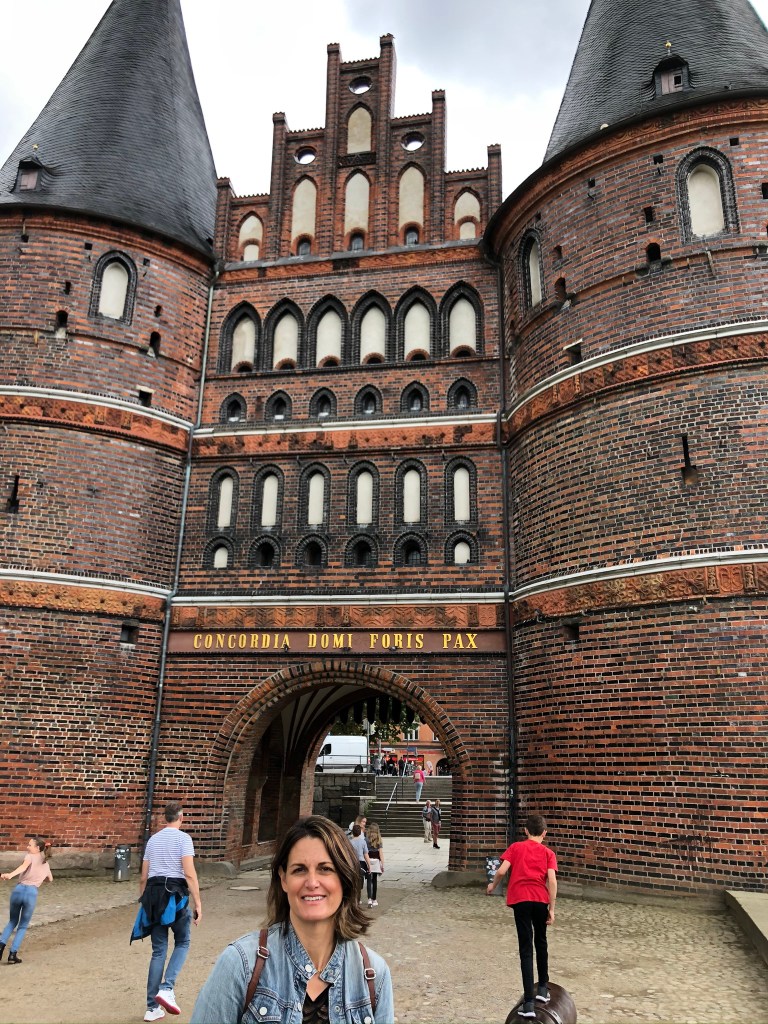
The Hanseatic League is a unique phenomenon of German history.
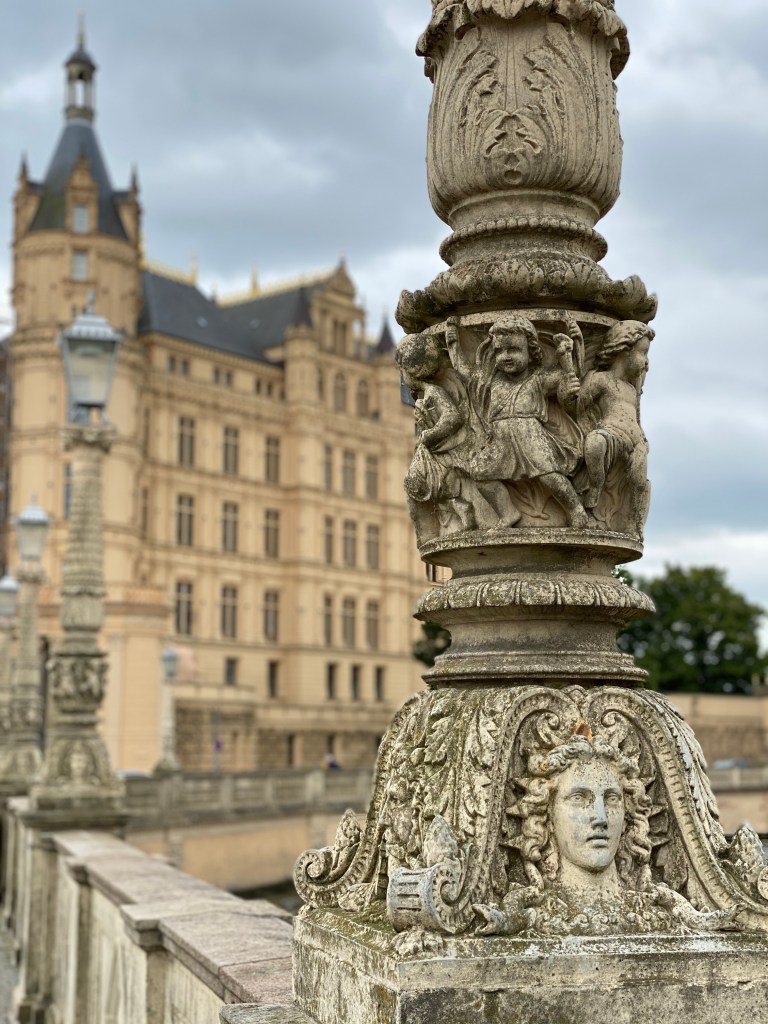
The co-operation of merchants for the promotion of their trade abroad gave rise to a town covenant, which in its heyday comprised of nearly 200 sea and inner cities.
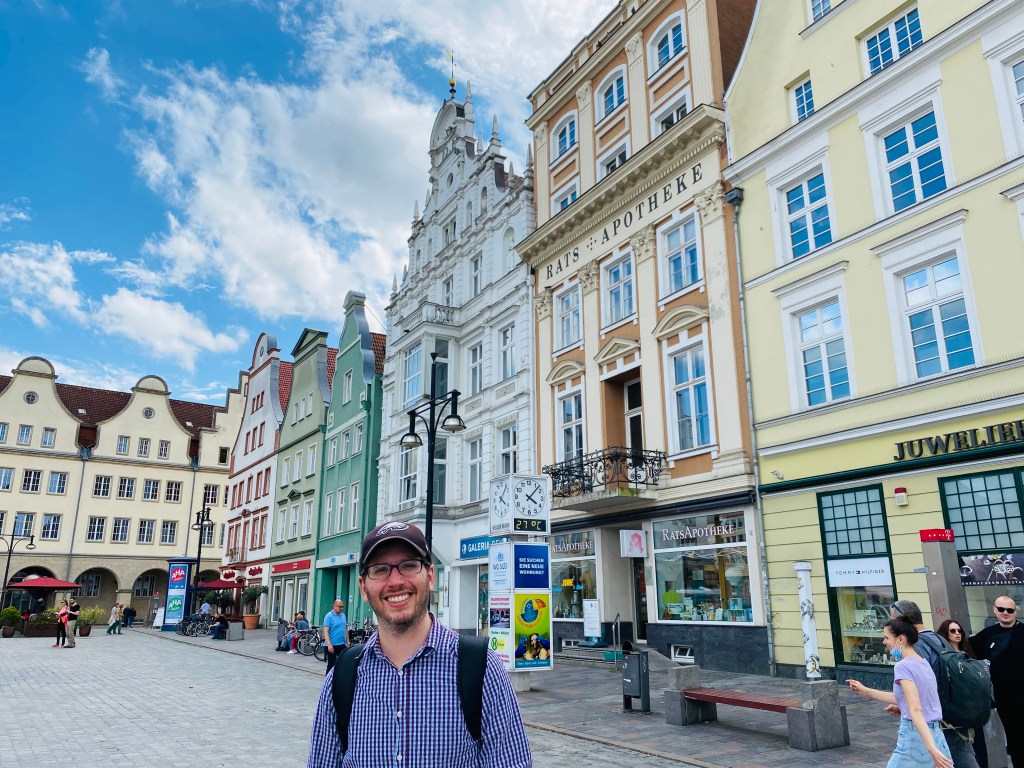
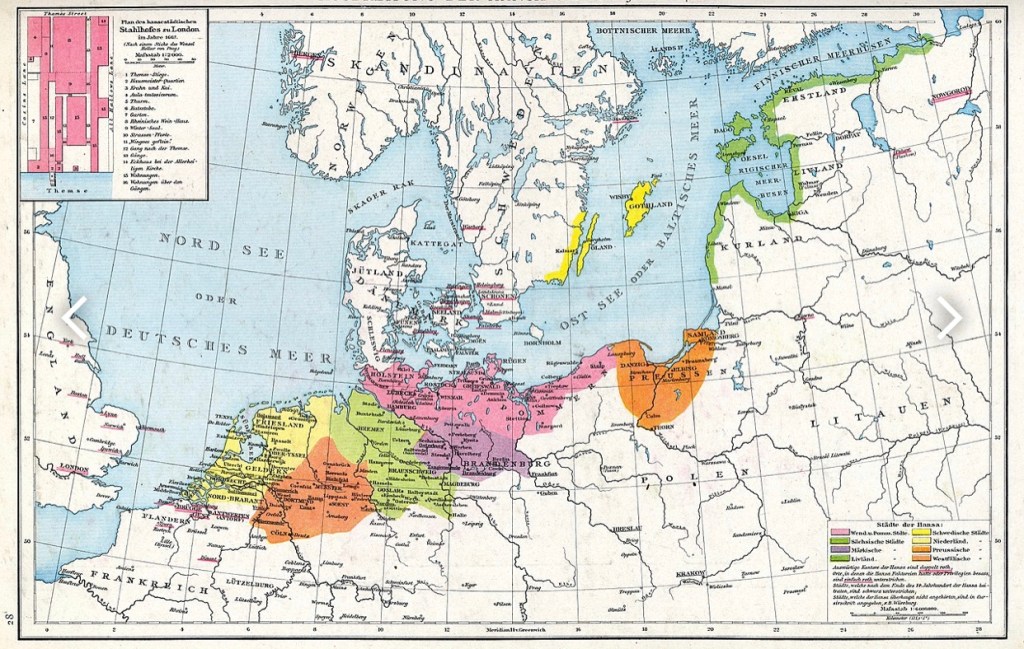
These cities were located in an area that is nowadays comprised of seven European countries: From the Dutch Zuiderzee in the west to Baltic Estonia in the east and from the Swedish Visby / Gotland in the north to Cologne-Erfurt-Breslau-Krakau in the south.
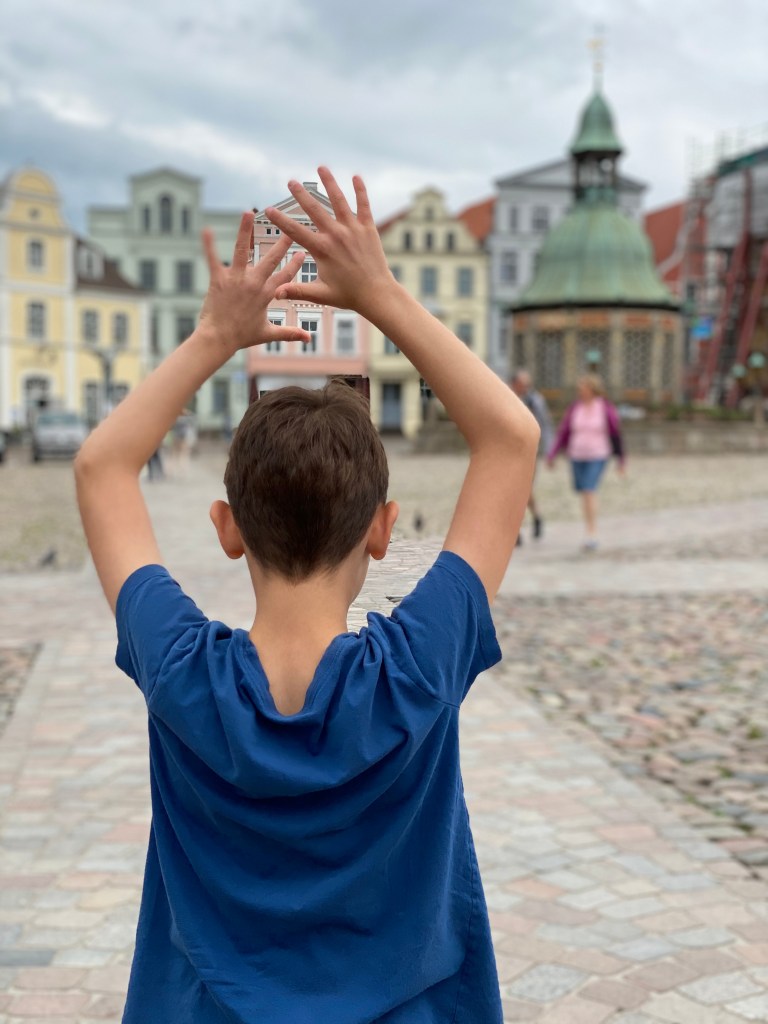
From this area, the Hanseatic buyers developed an economic reach, which ranged in the 16th century from Portugal to Russia and from the Scandinavian countries to Italy, an area that now includes 20 European states.

In its heyday, the Hanseatic League was so powerful that it imposed economic blockades against kingdoms and principalities to enforce their economic interests and in exceptional cases even waged wars.
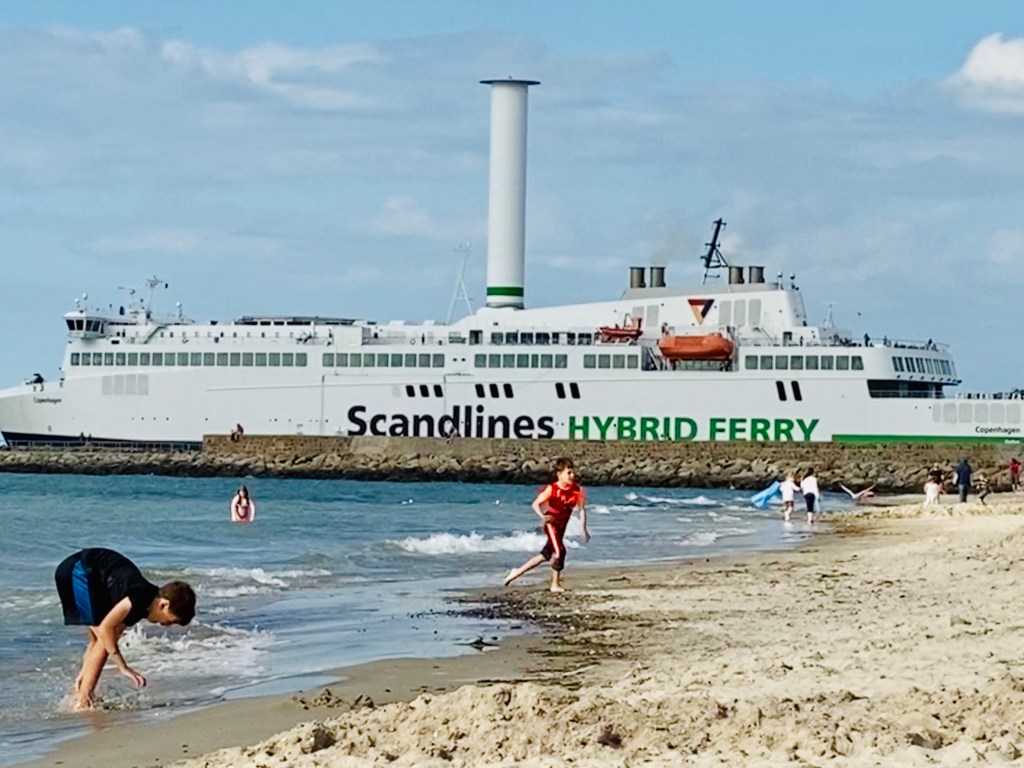
From the 13th to the middle of the fifteenth century, the Hanseatic League largely dominated the exchange of goods between the north-east and the north-west of Europe by providing the raw material and food supplies.

These included furs, wax, grain, fish, flax, hemp, wood and timber products. In return, the Hanseatic merchants brought into these countries the industrial finished products of the West and South like cloths, metal goods, especially weapons, and spices.

The Thirty Years’ War (1618-1648) finally destroyed the trading area of Hanseatic merchants.
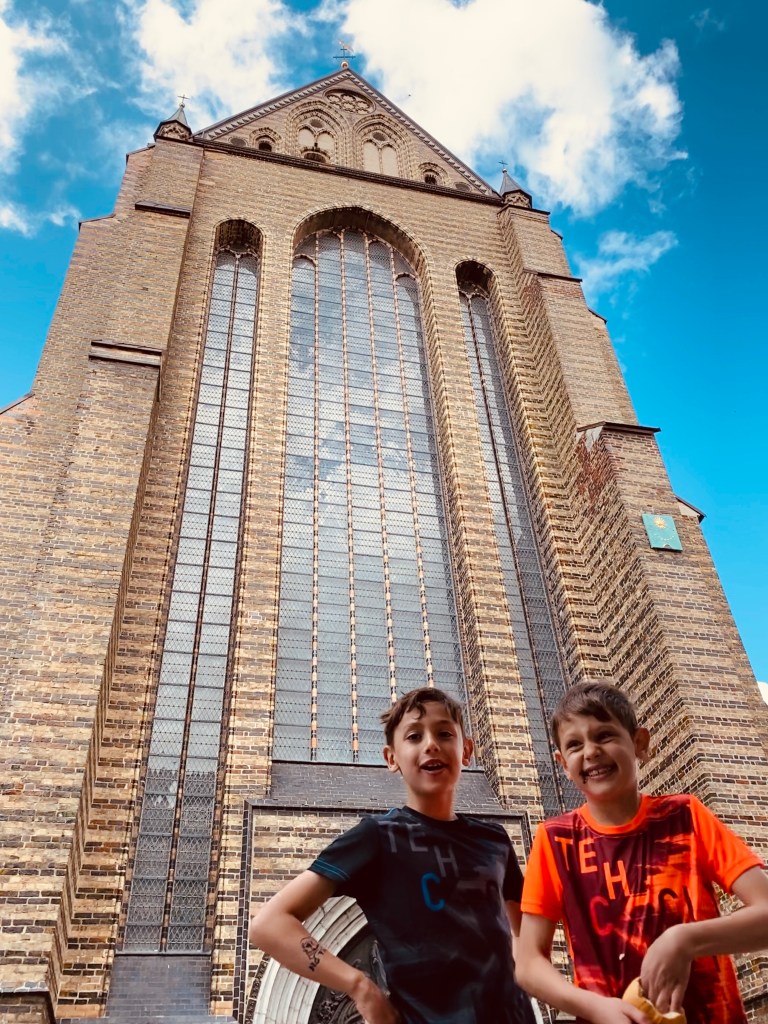
In 1669 the last Hanseatic day of the Hanseatic League took place in Lübeck.
 Berlin Lubells: Stories of Life in Berlin from an American Expat Mom's First Experience Living Abroad
Love reviewing the history and seeing you all!
LikeLike
Thanks, Jan! It’s great to hear your feedback – someone is reading this blog. 😎
LikeLike